Pole Kiosk Advertising near Indira Gandhi Airport
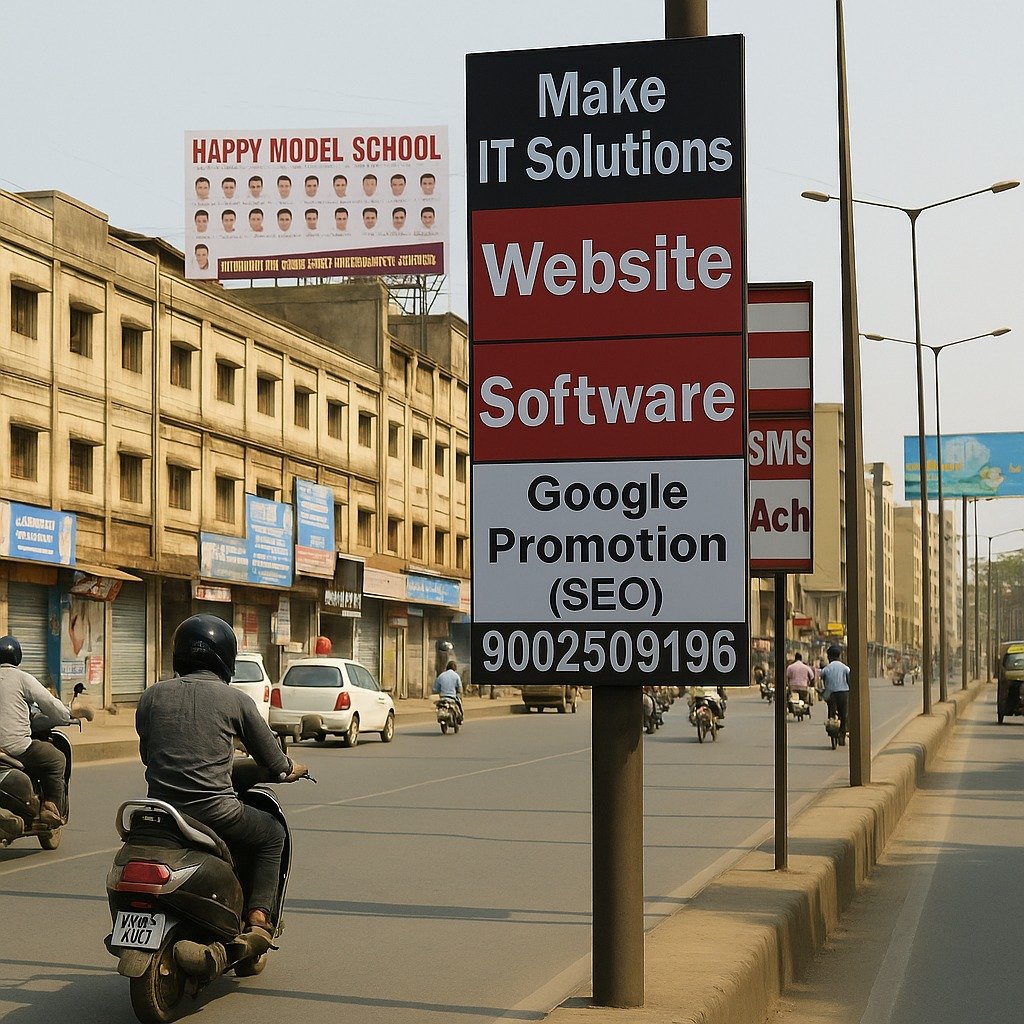
Pole Kiosk Advertising near Indira Gandhi Airport, Delhi
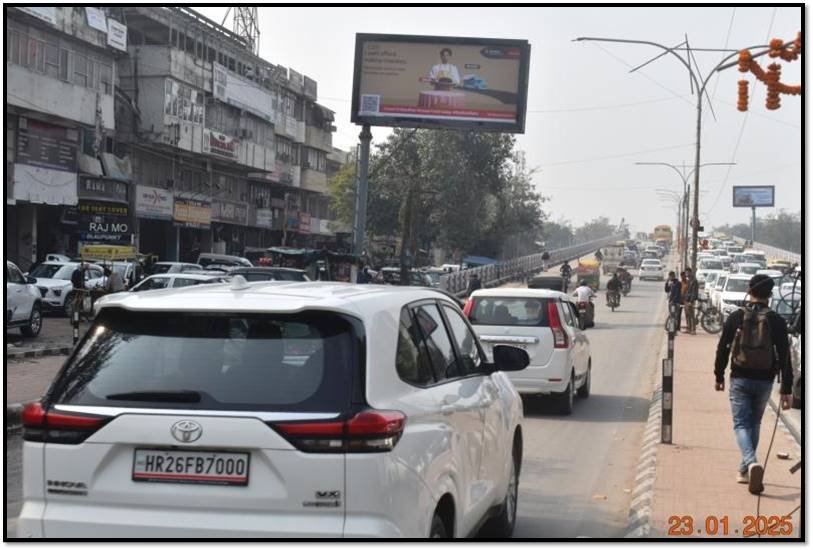
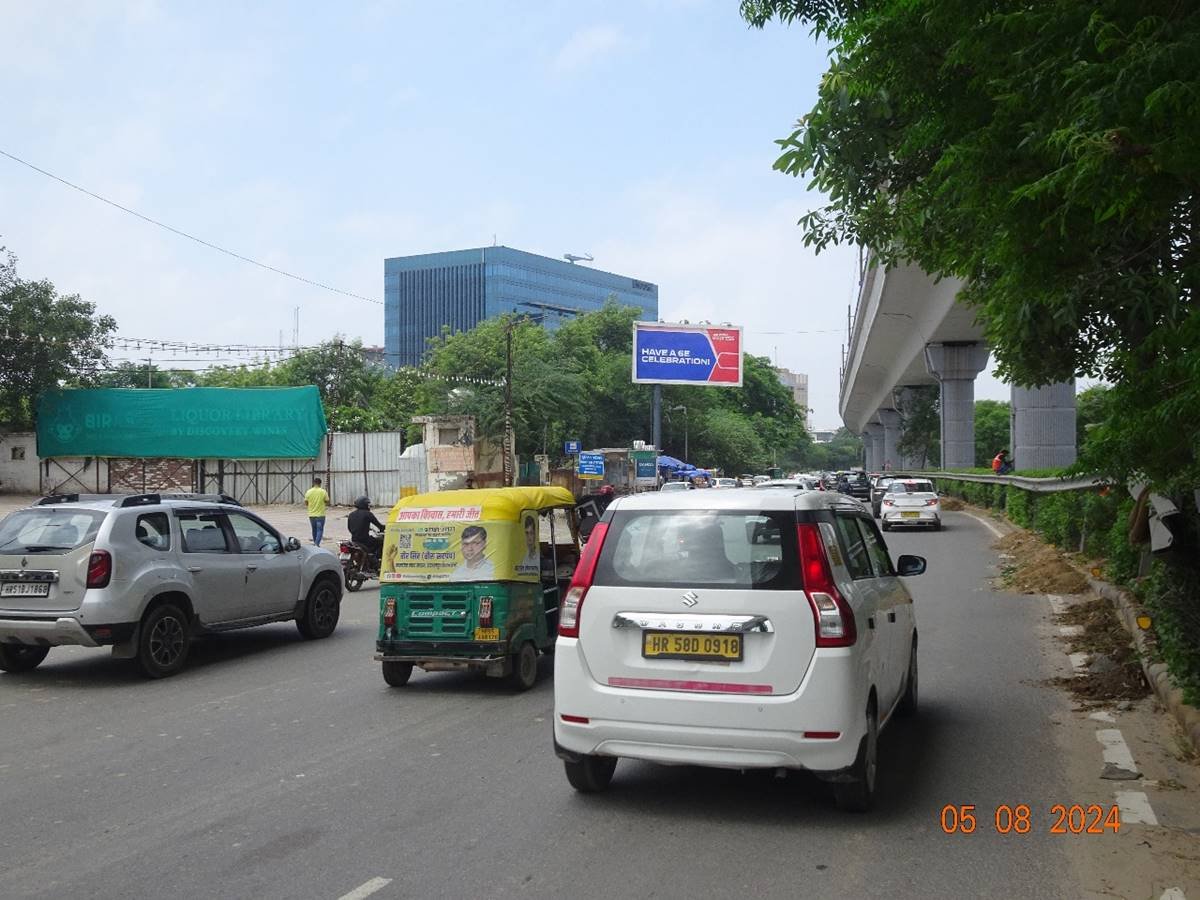
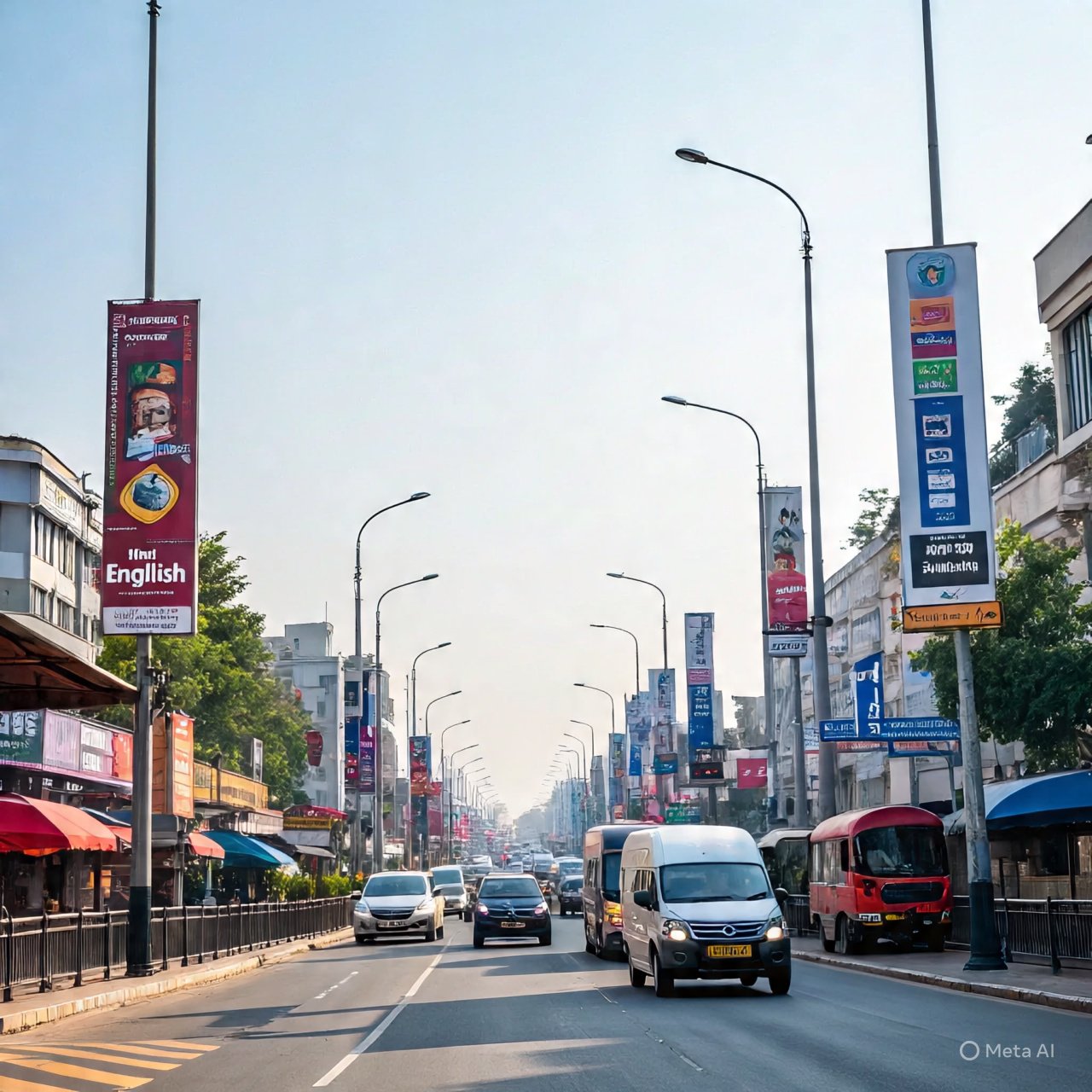
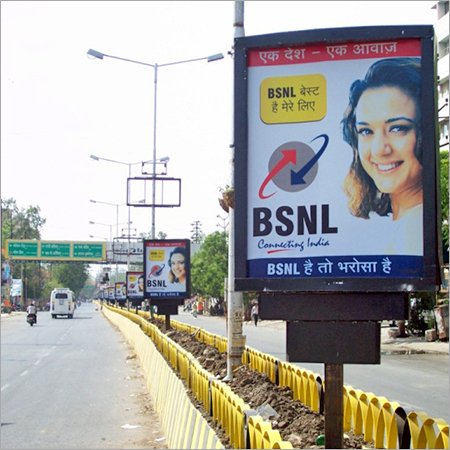
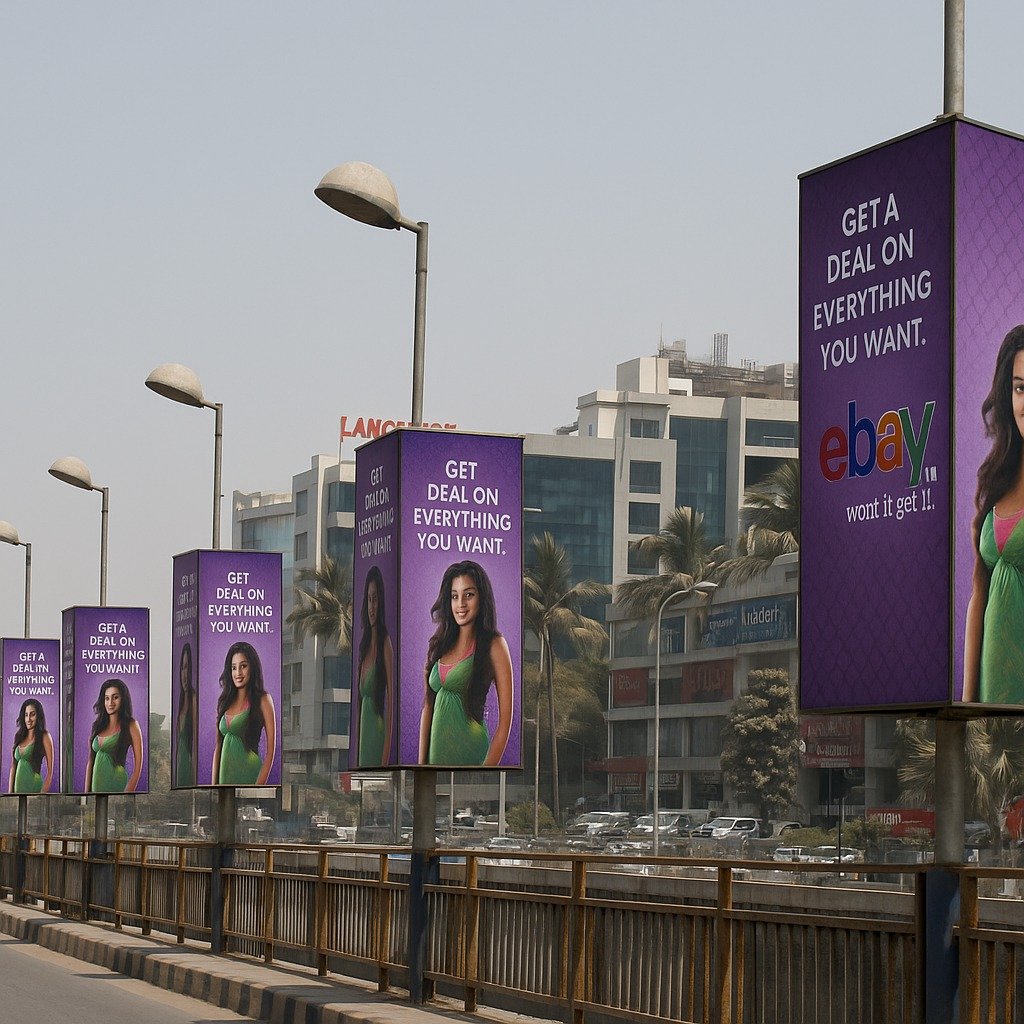
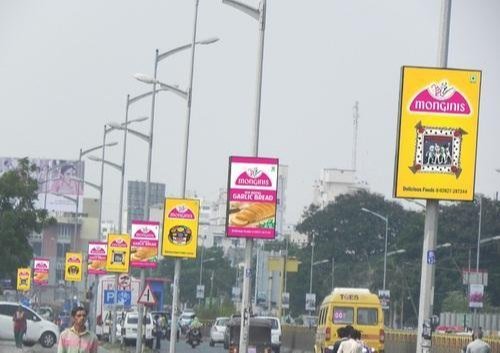
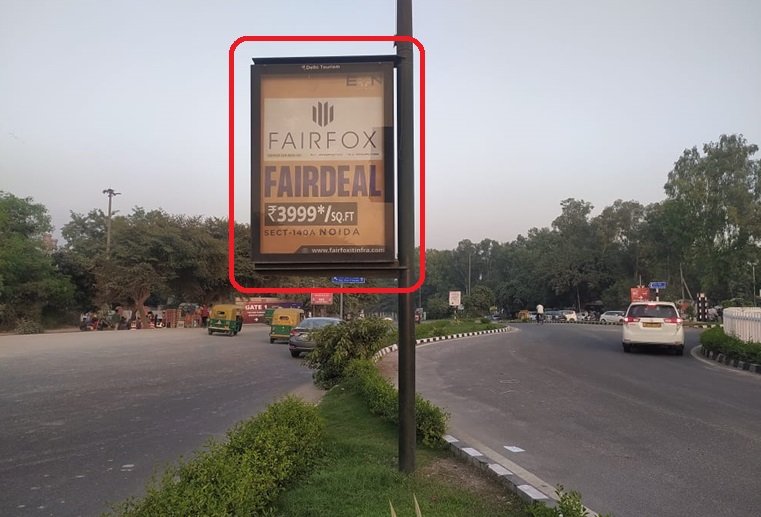
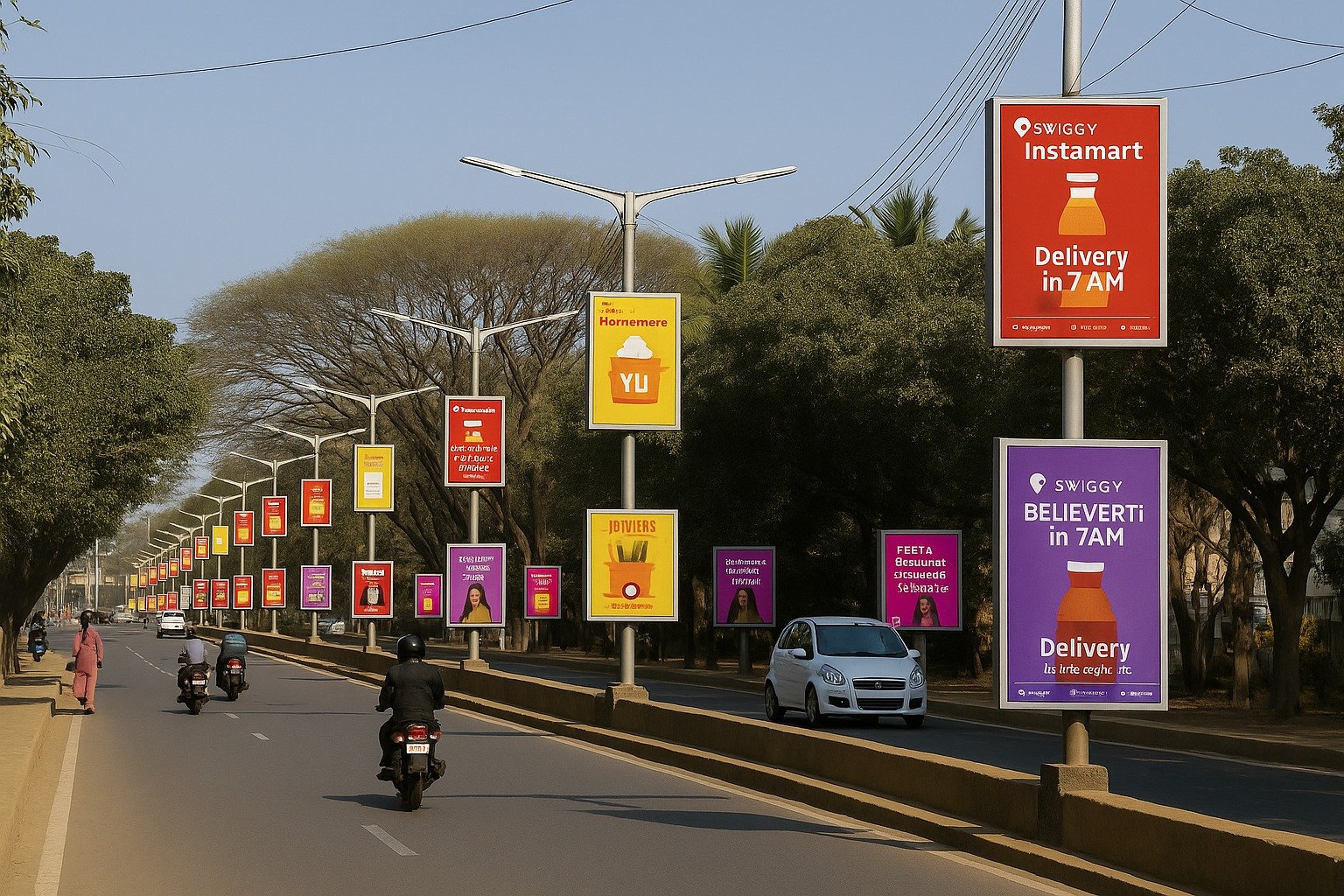
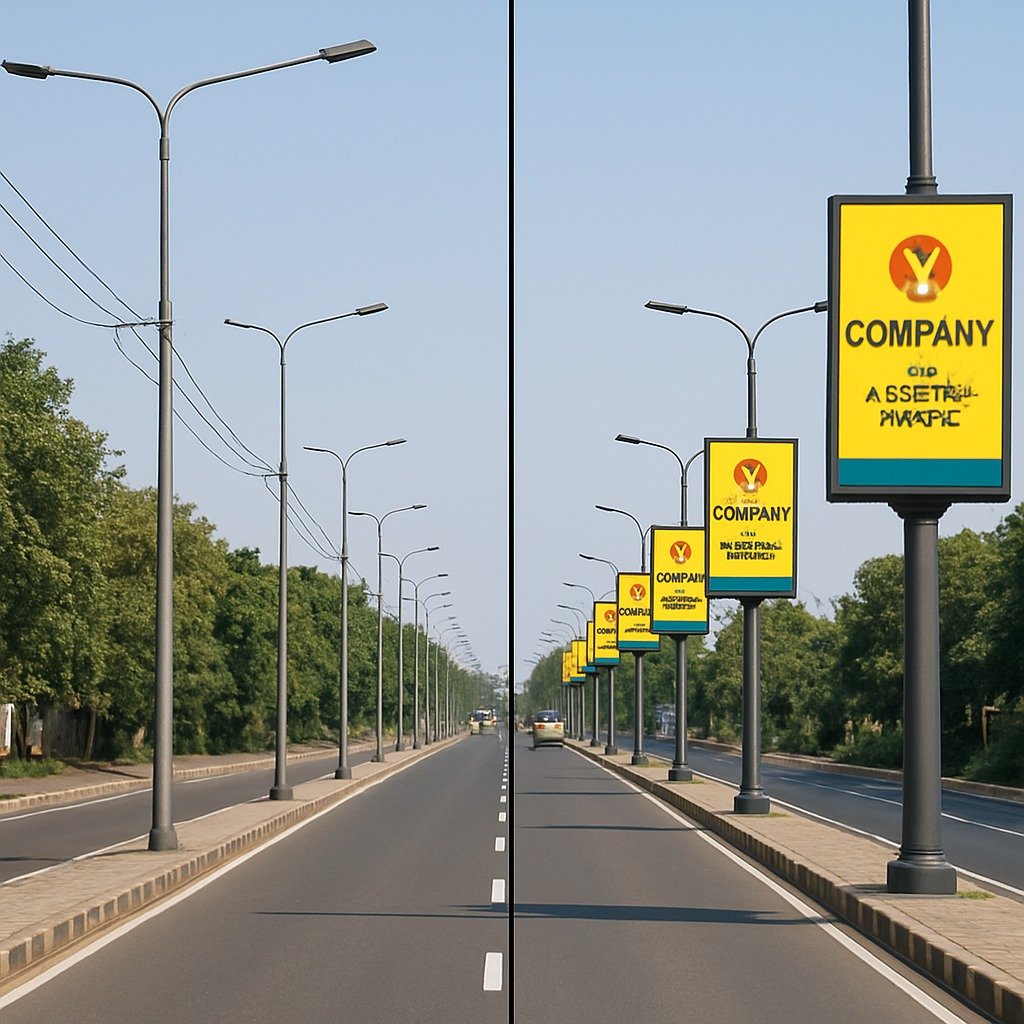
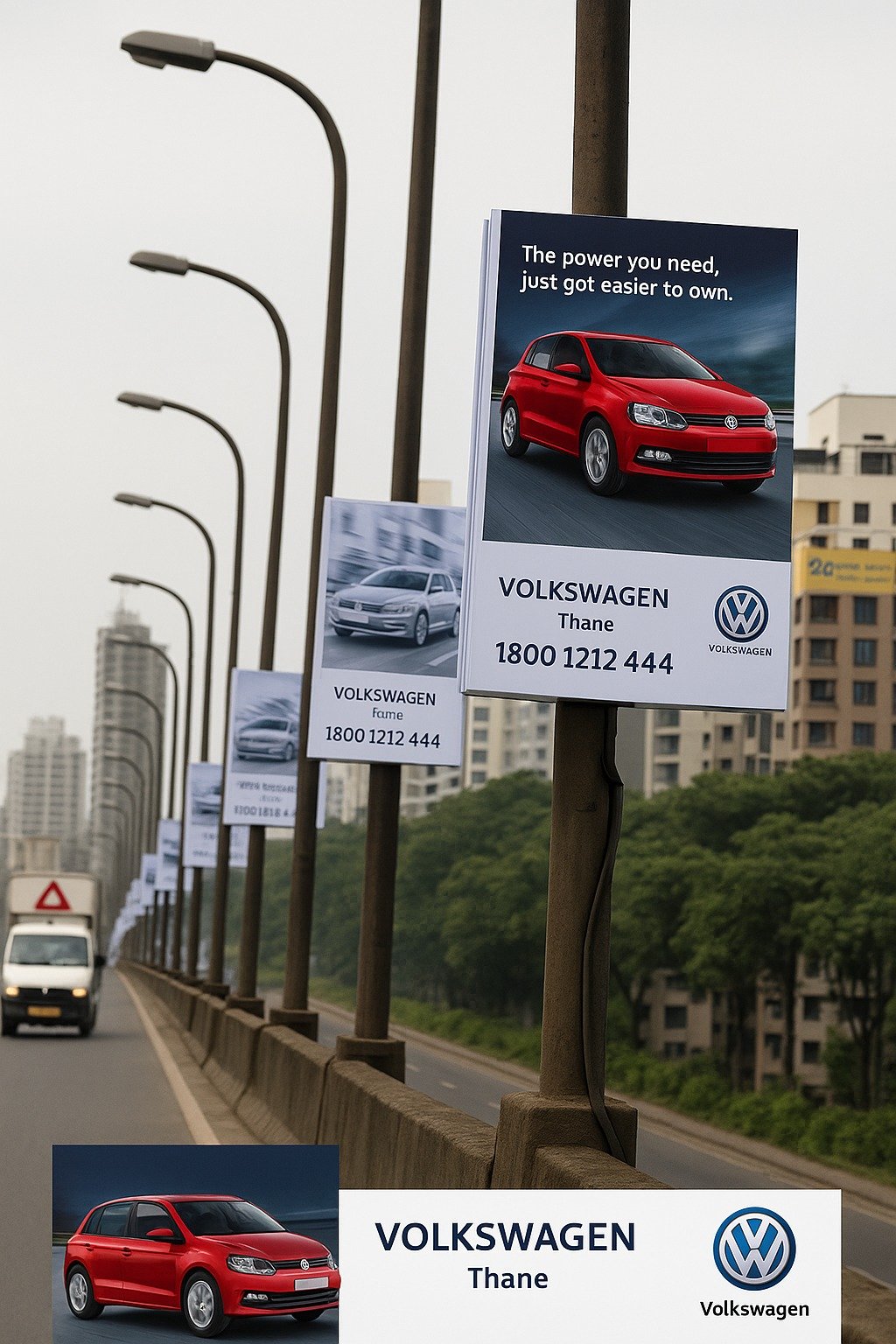
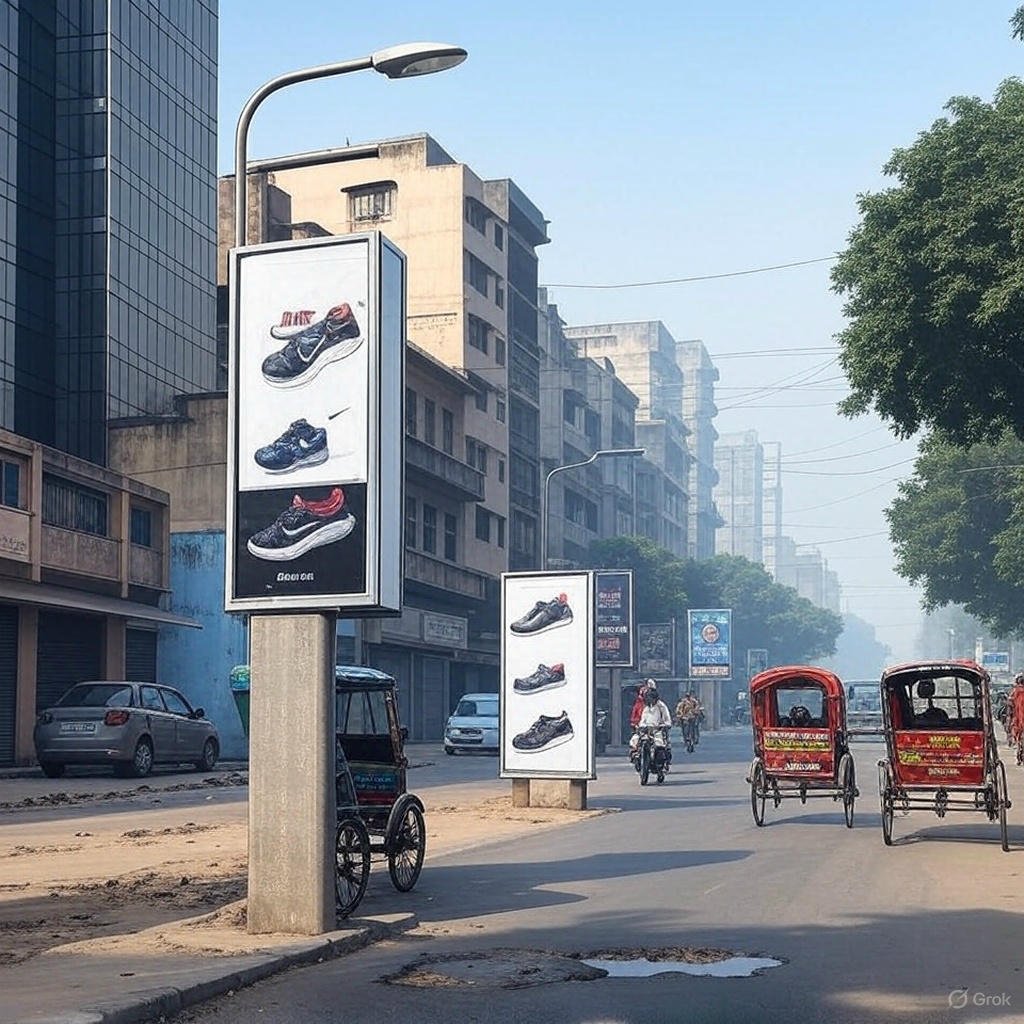
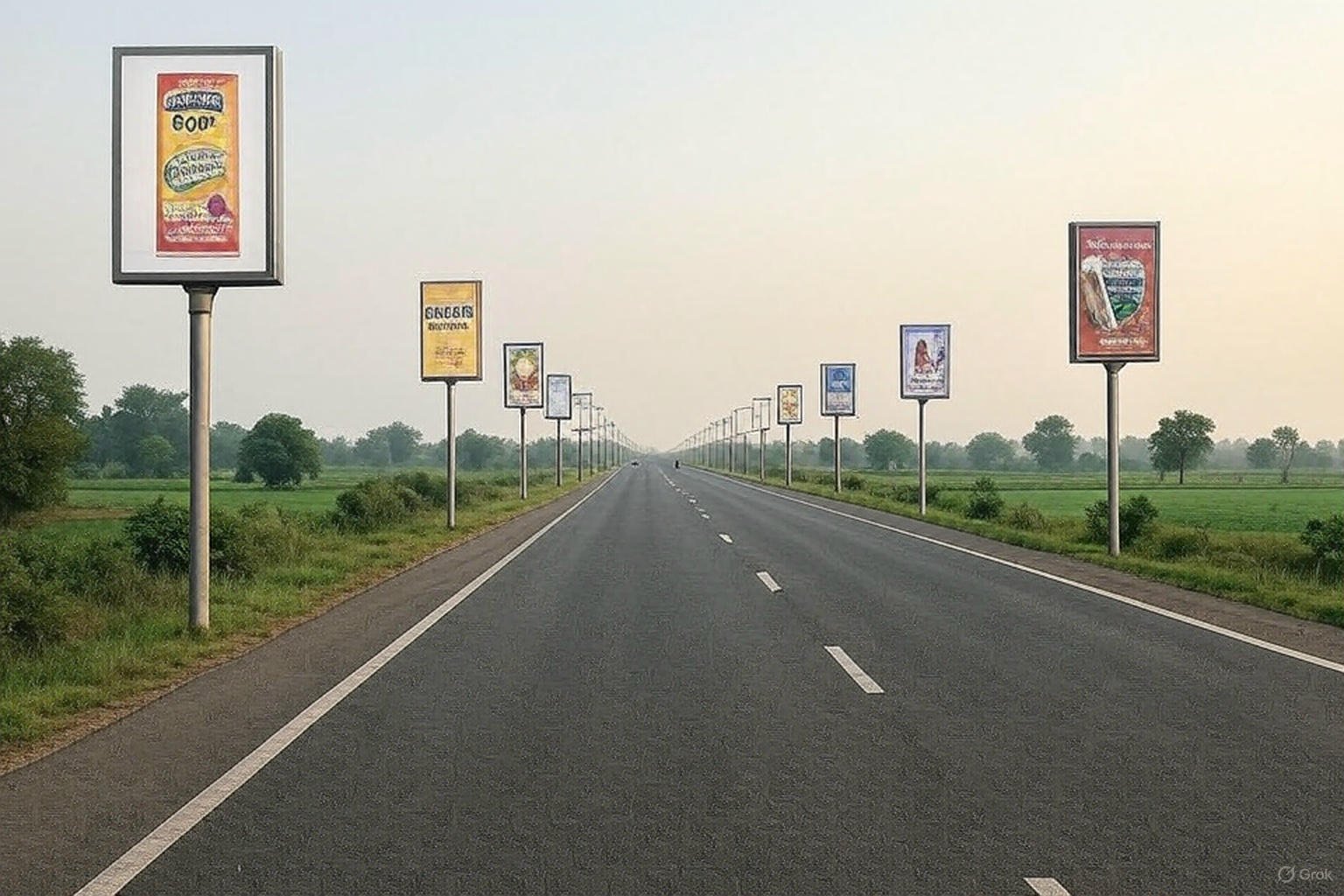
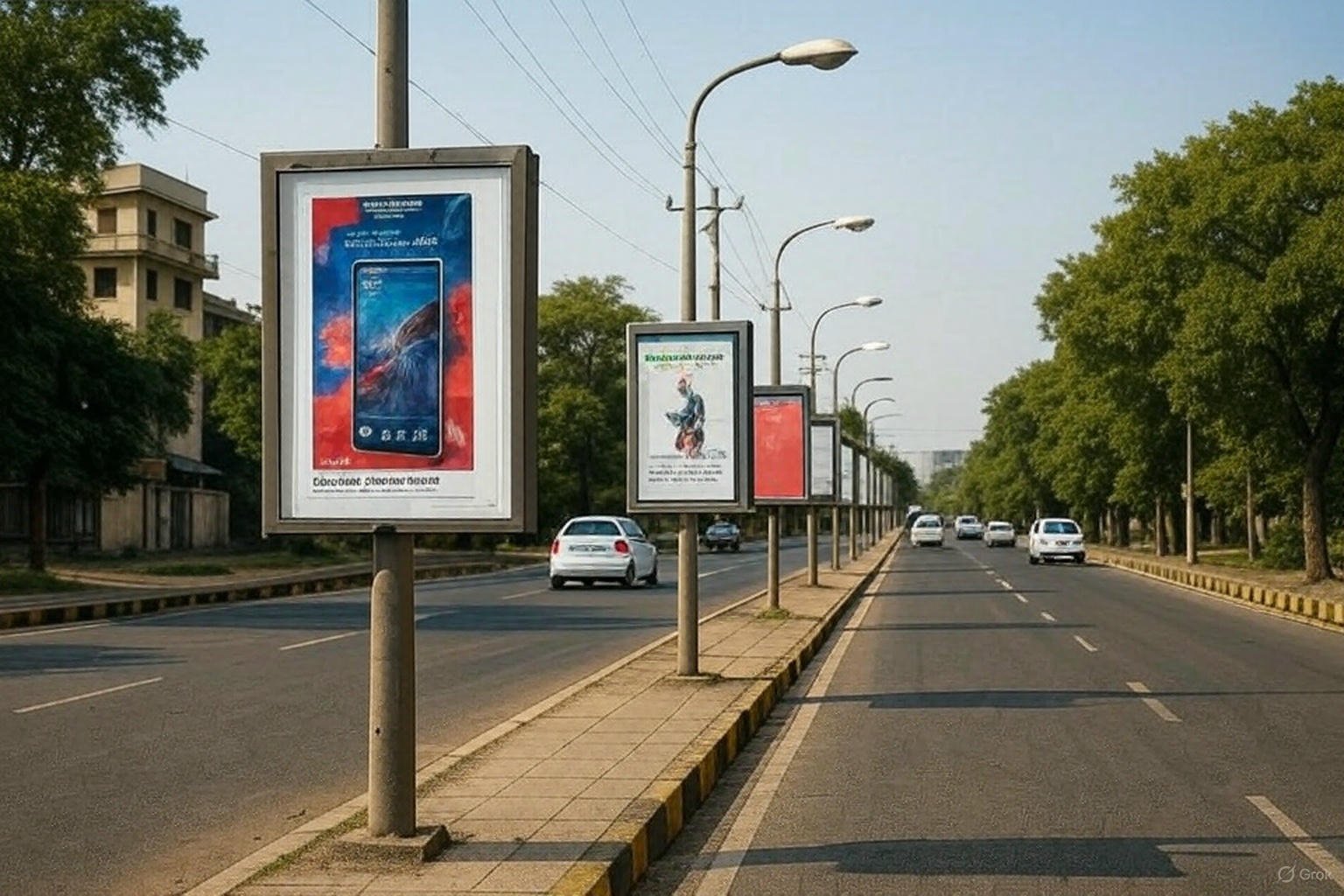
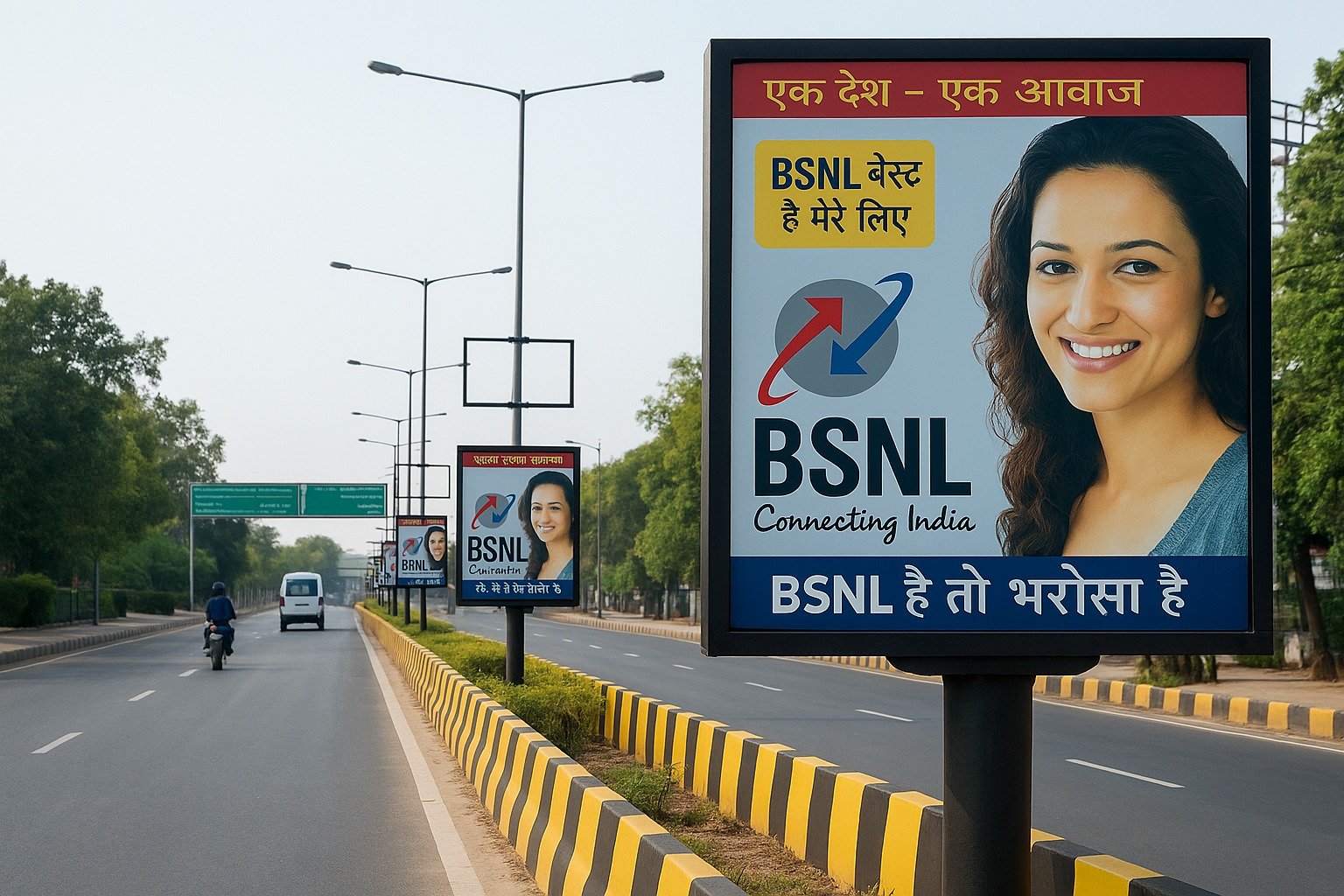
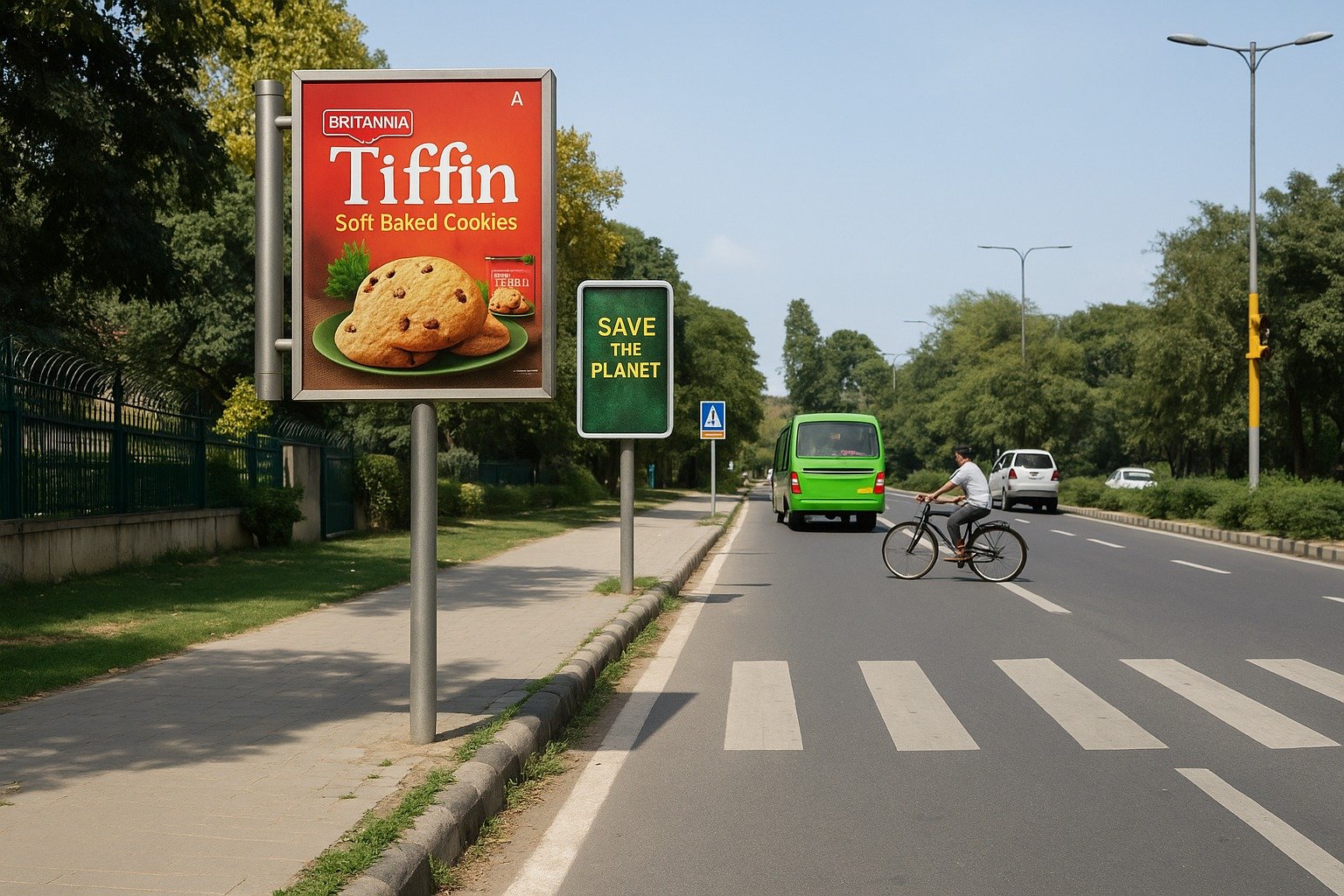
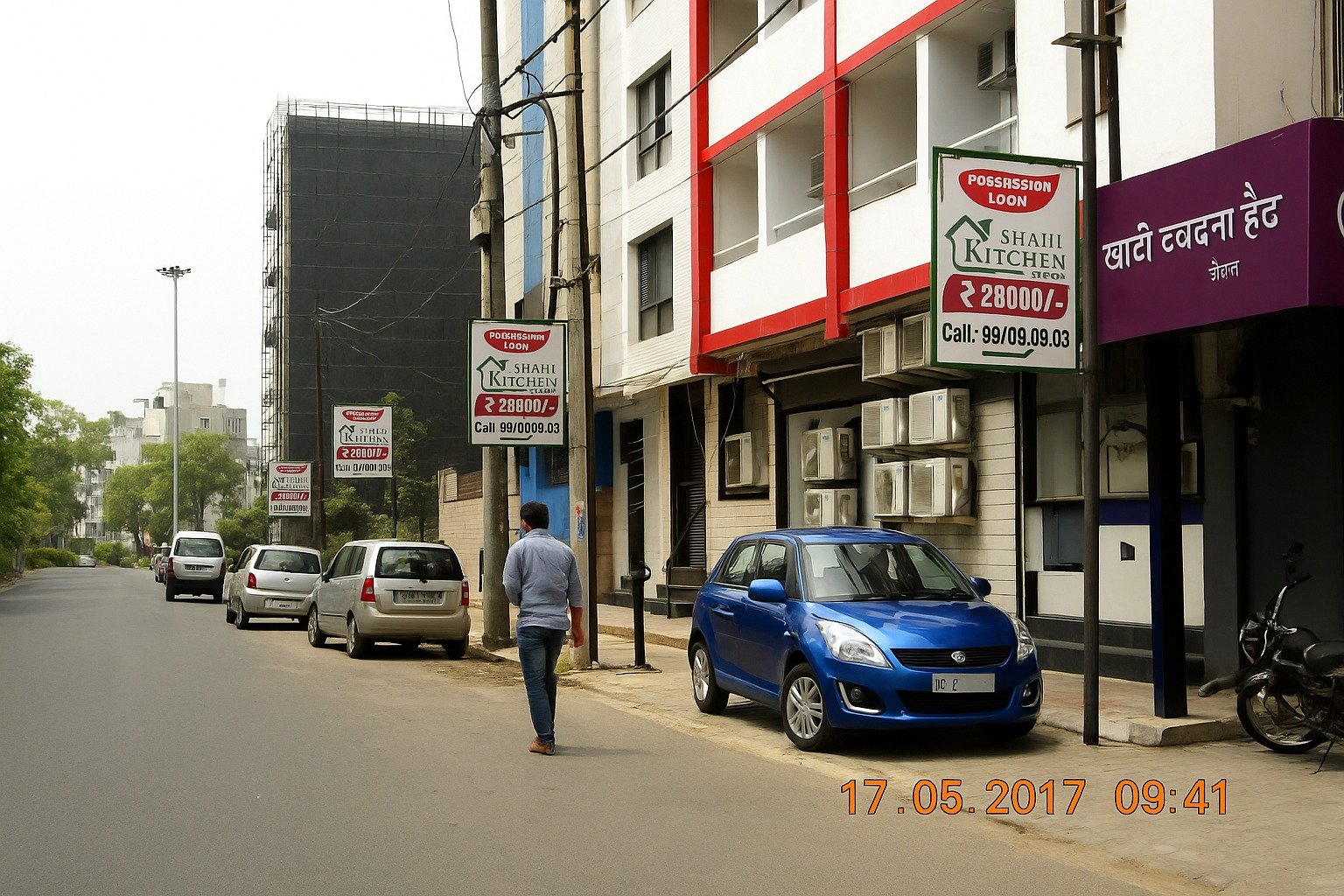
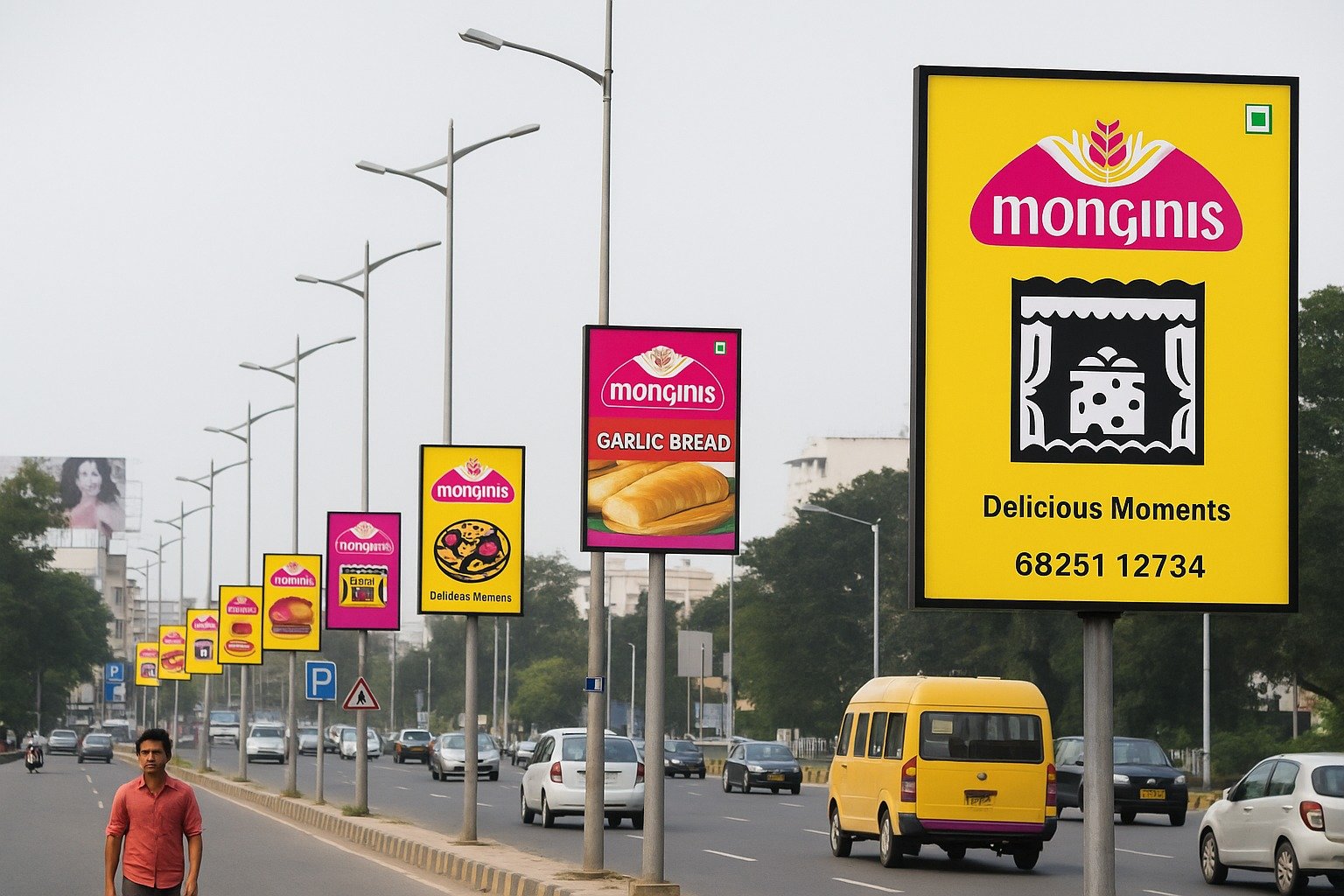
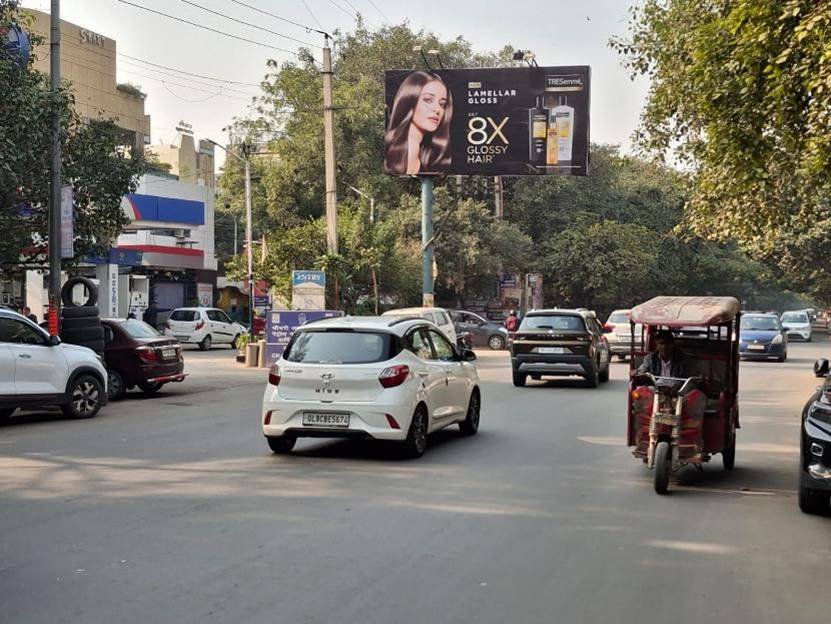
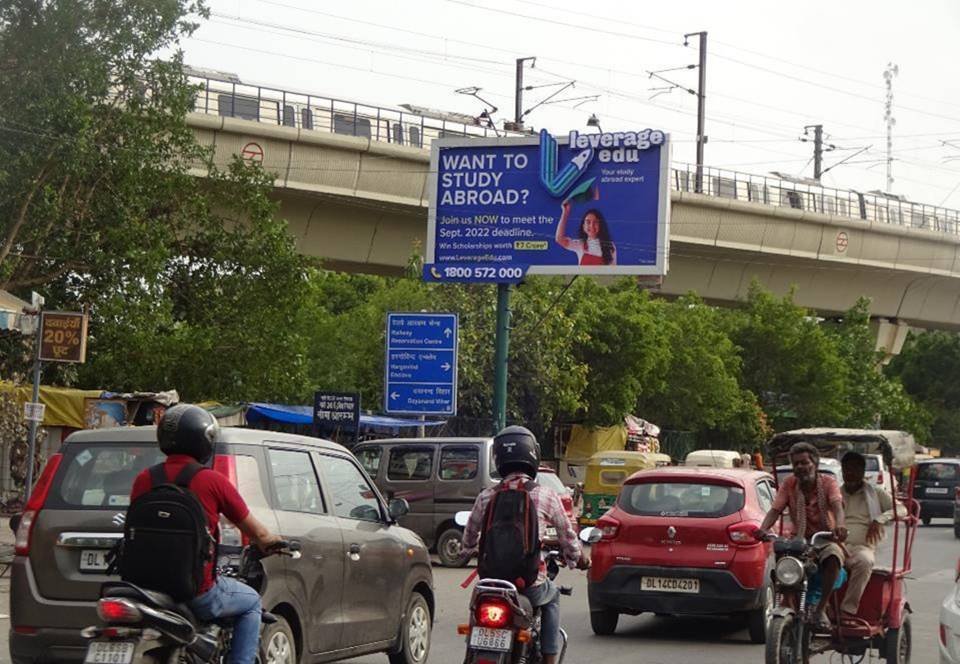
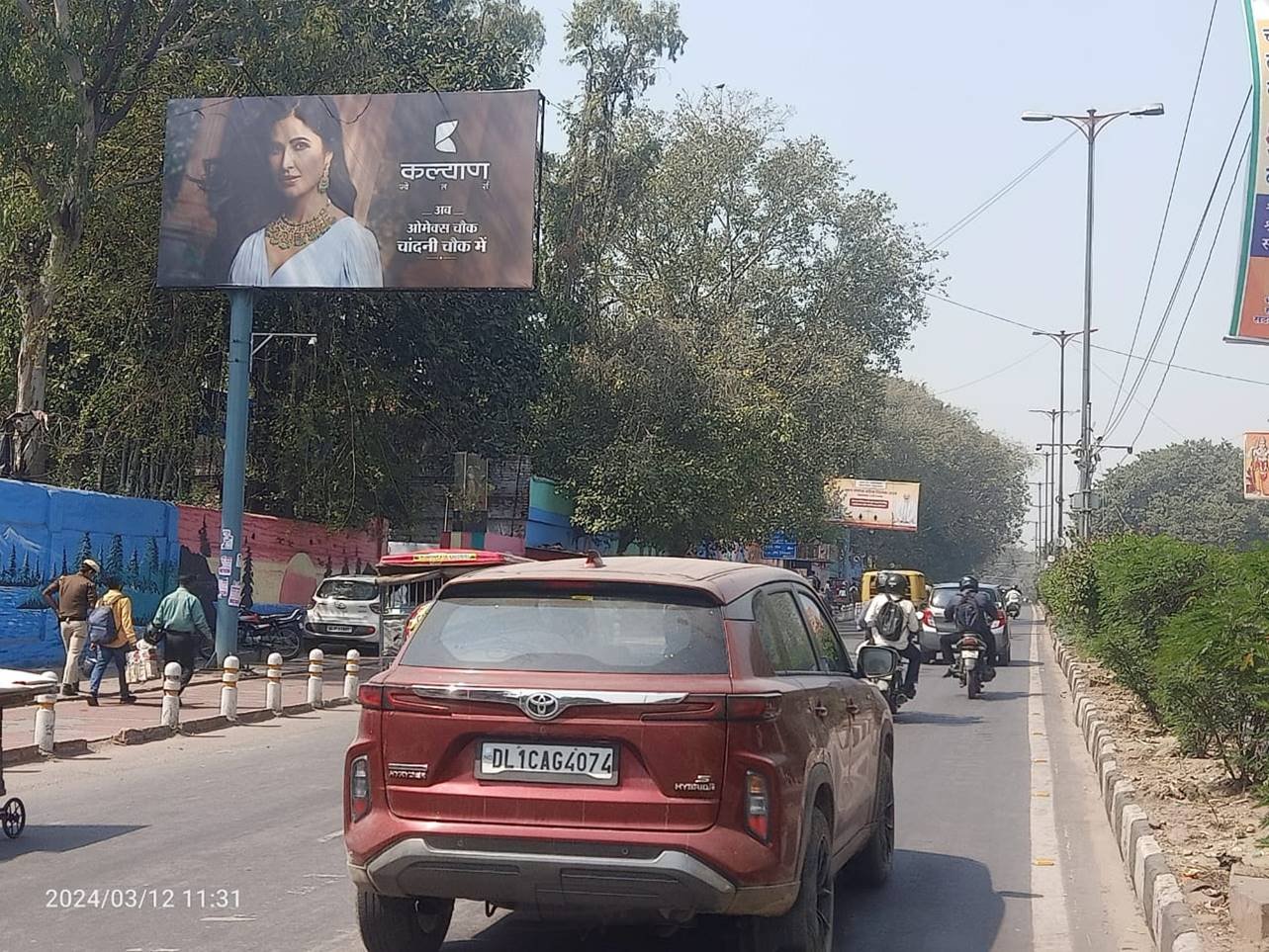
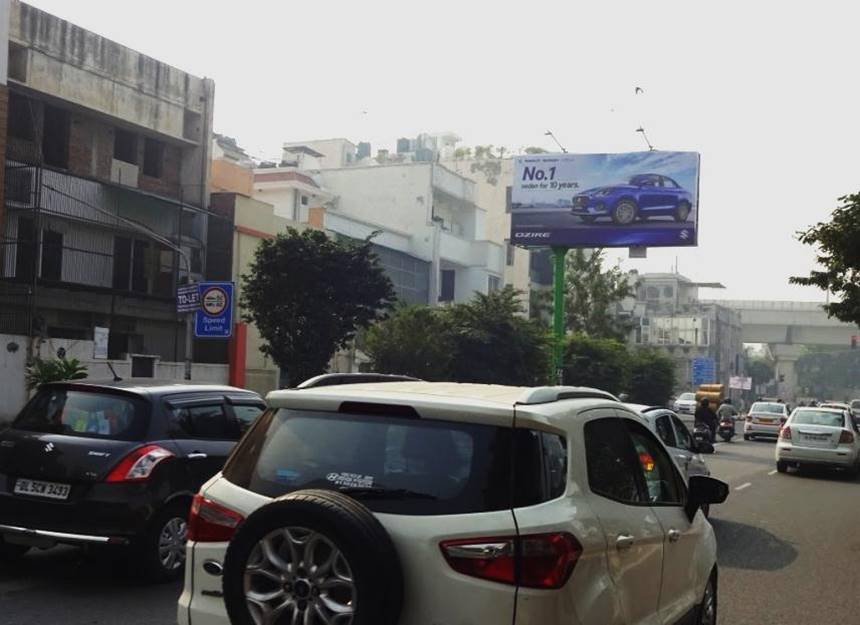
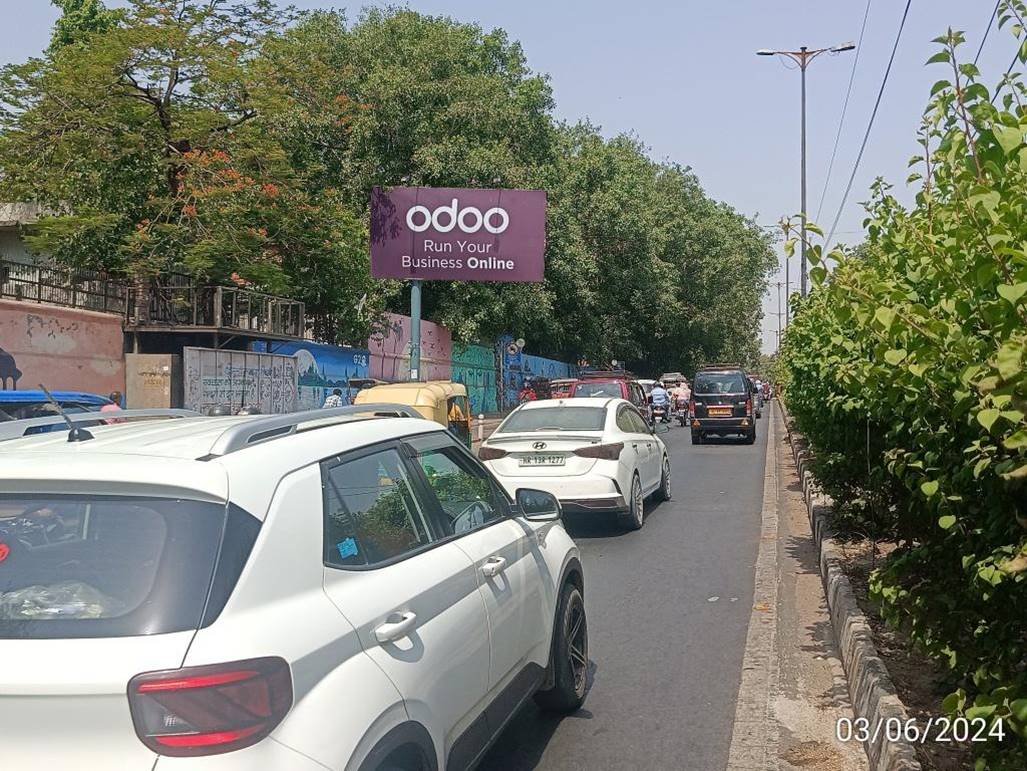
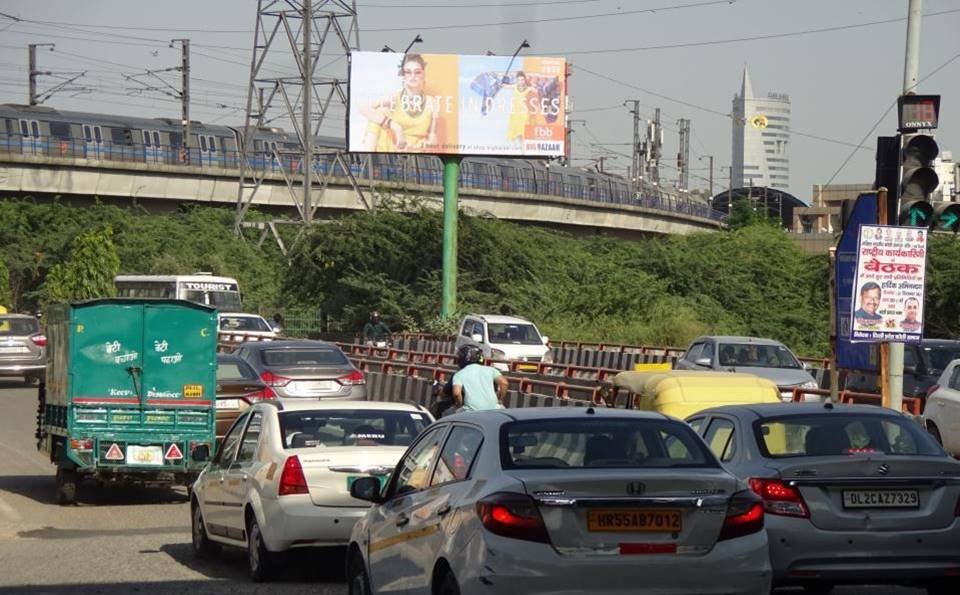
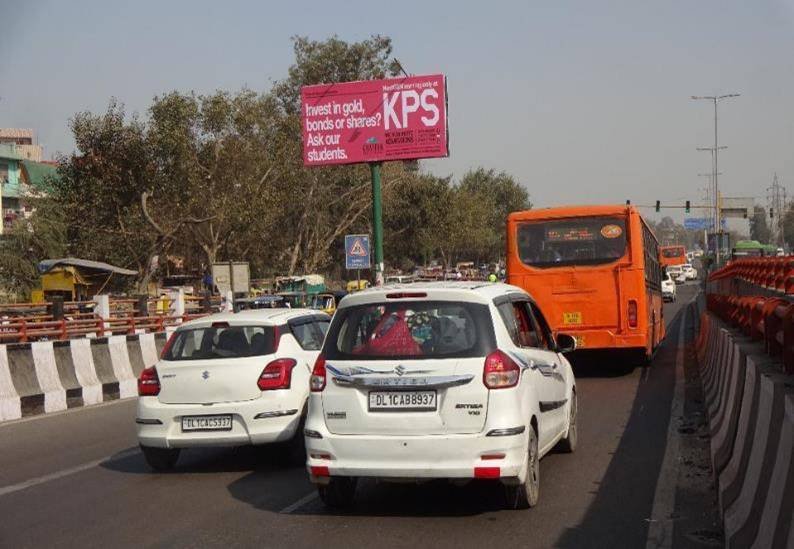
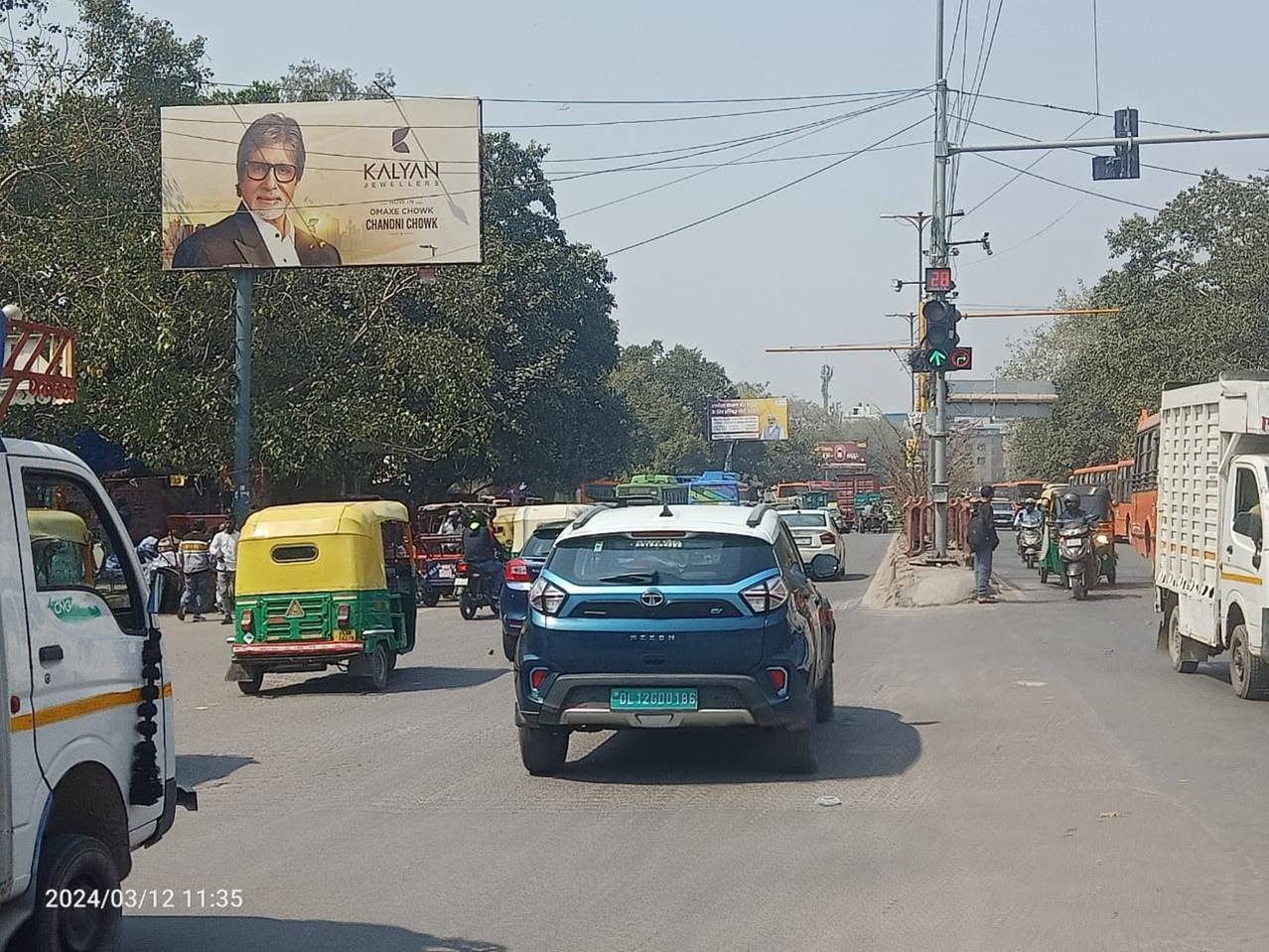
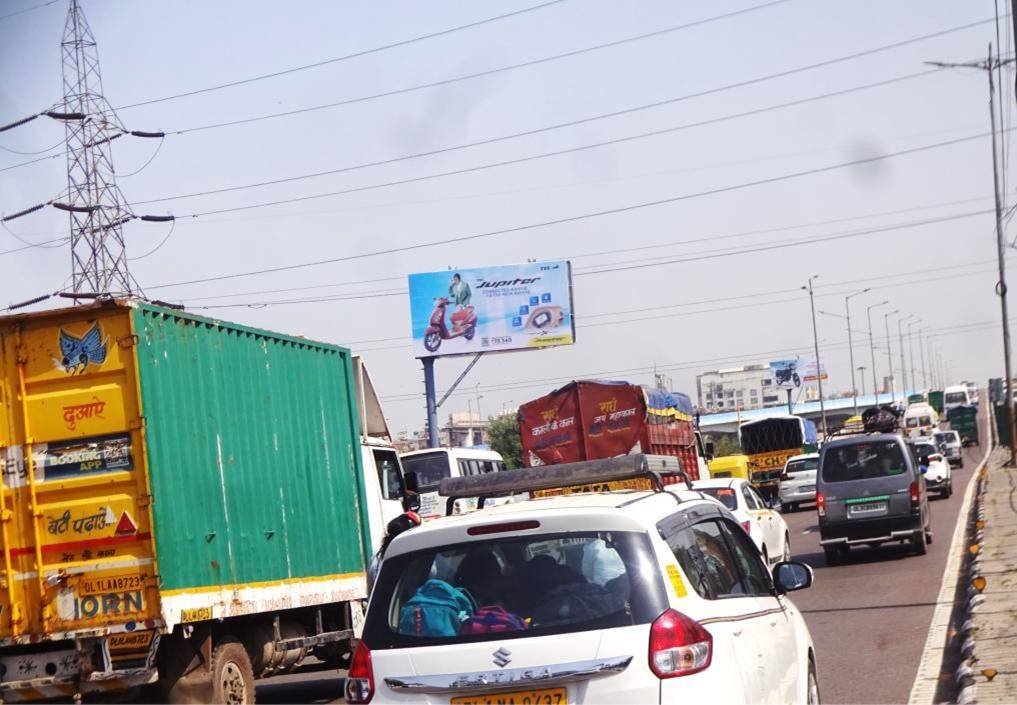
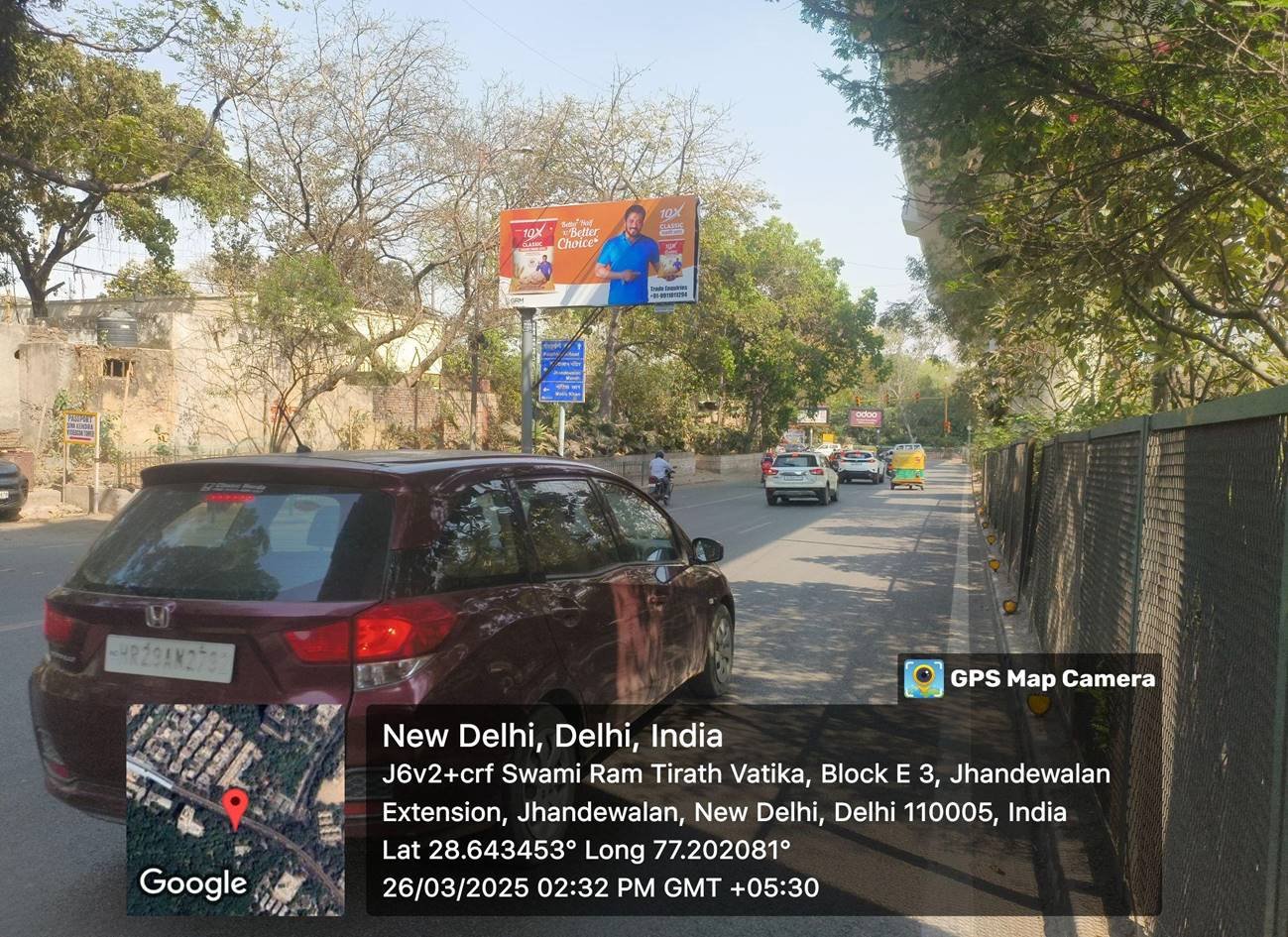
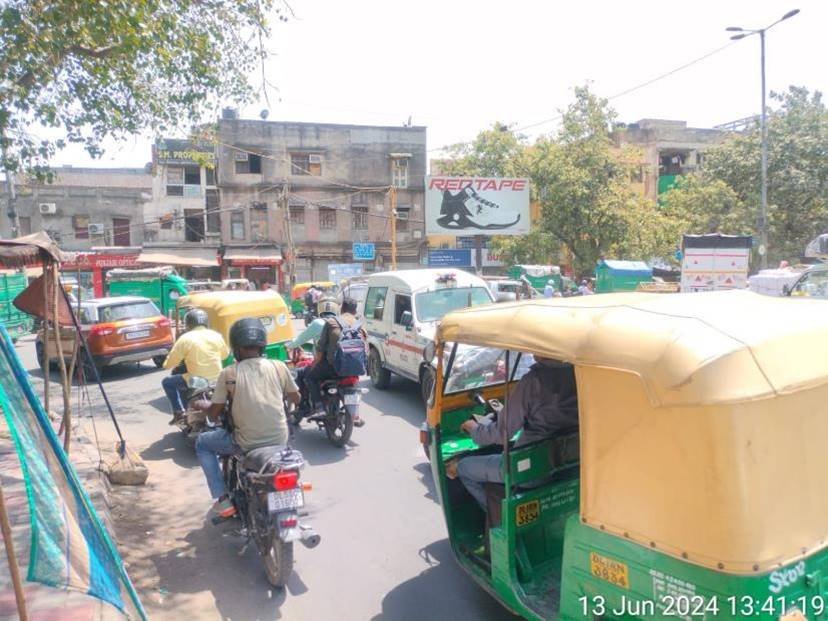
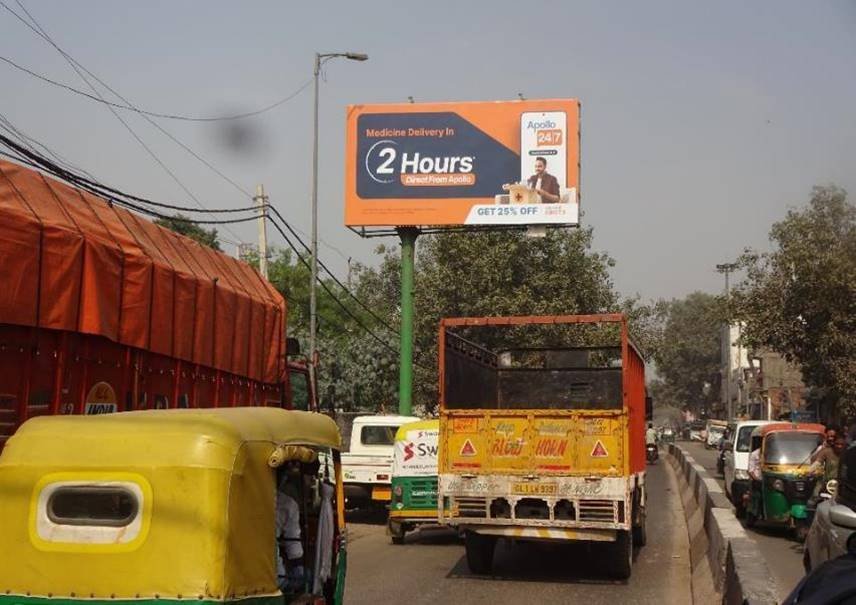
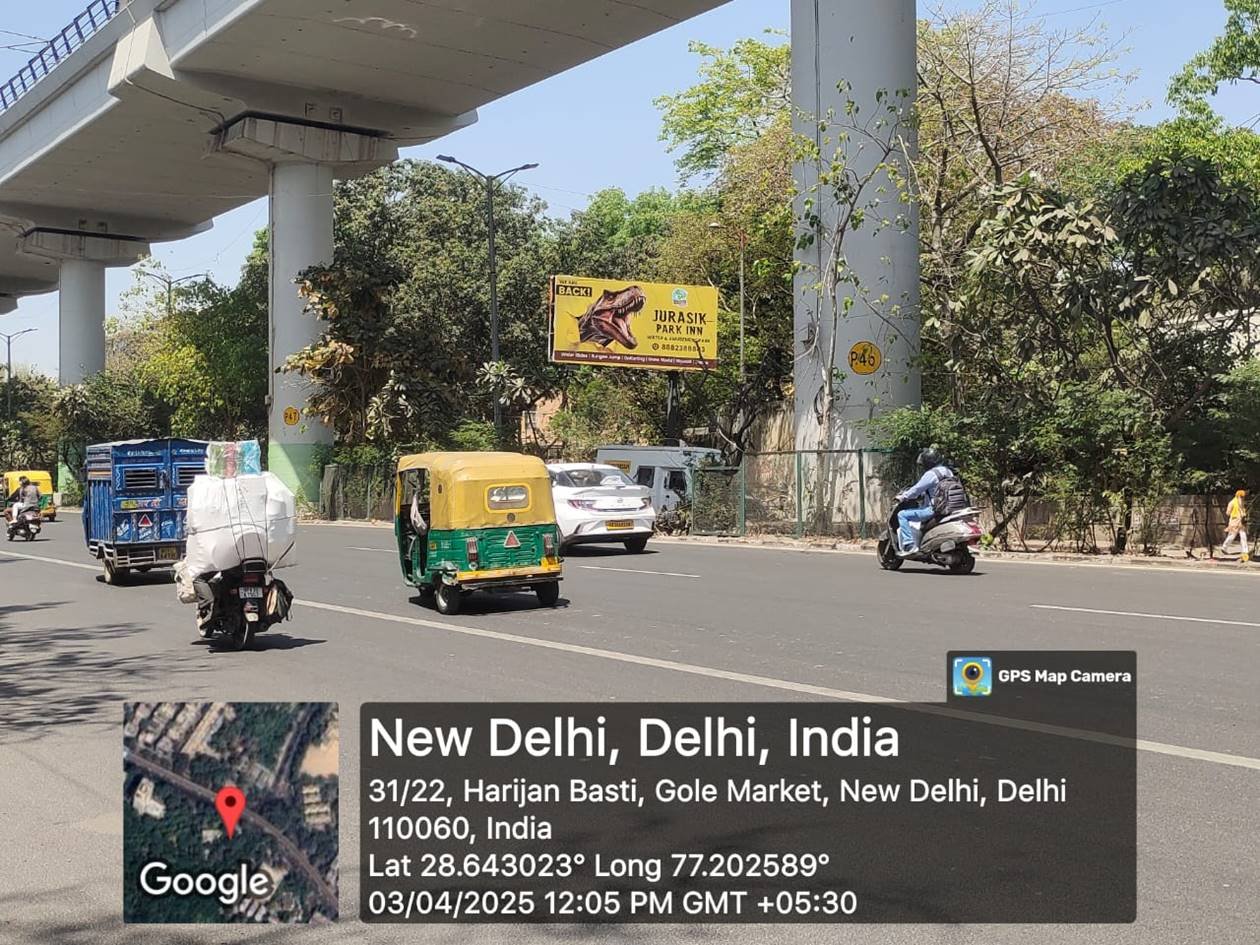
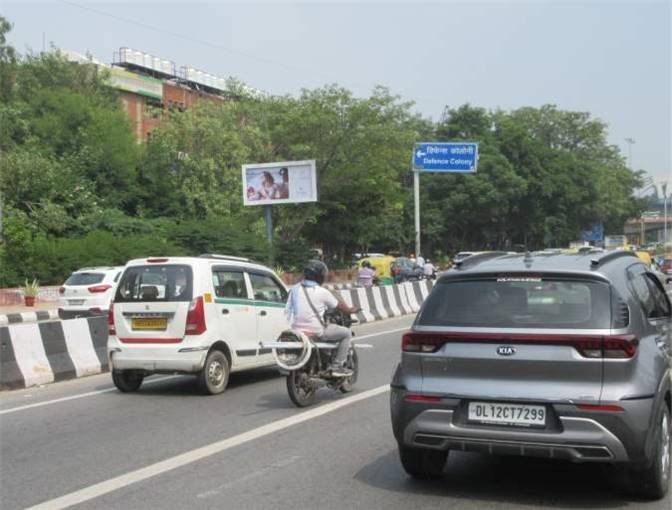
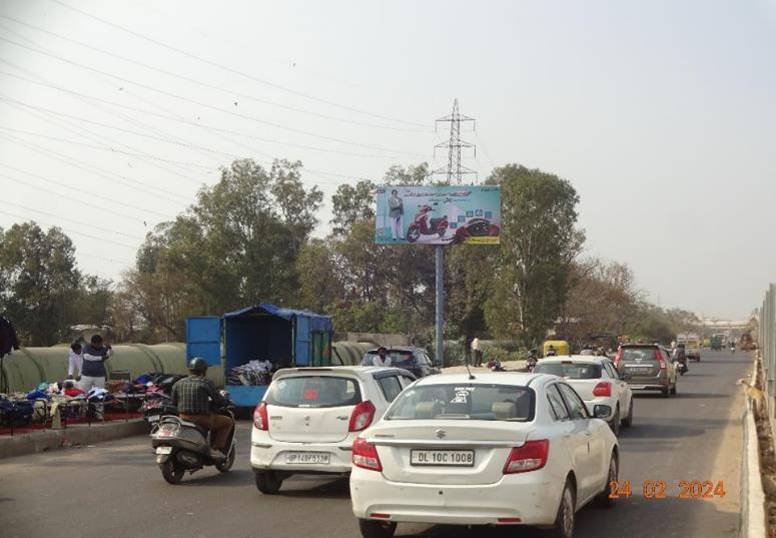
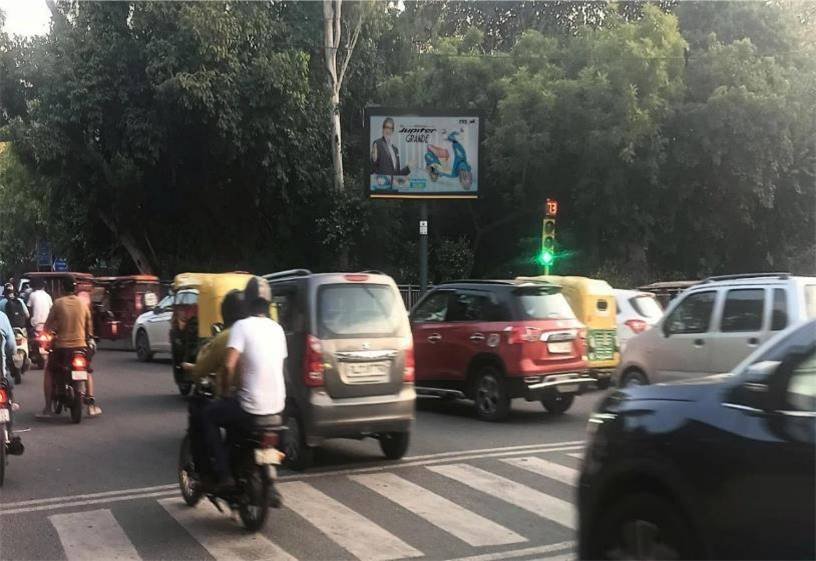
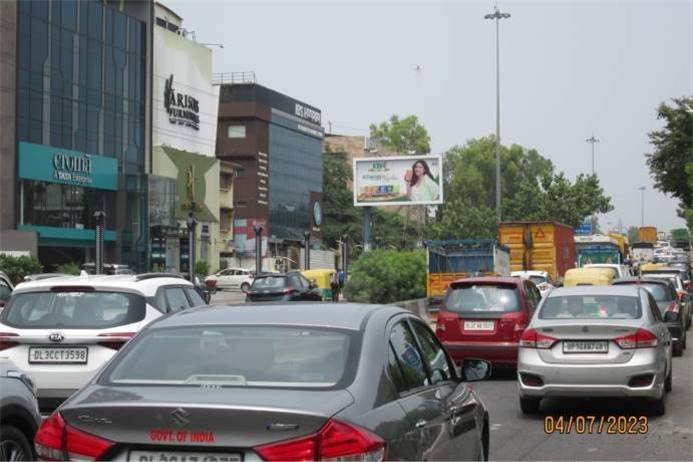
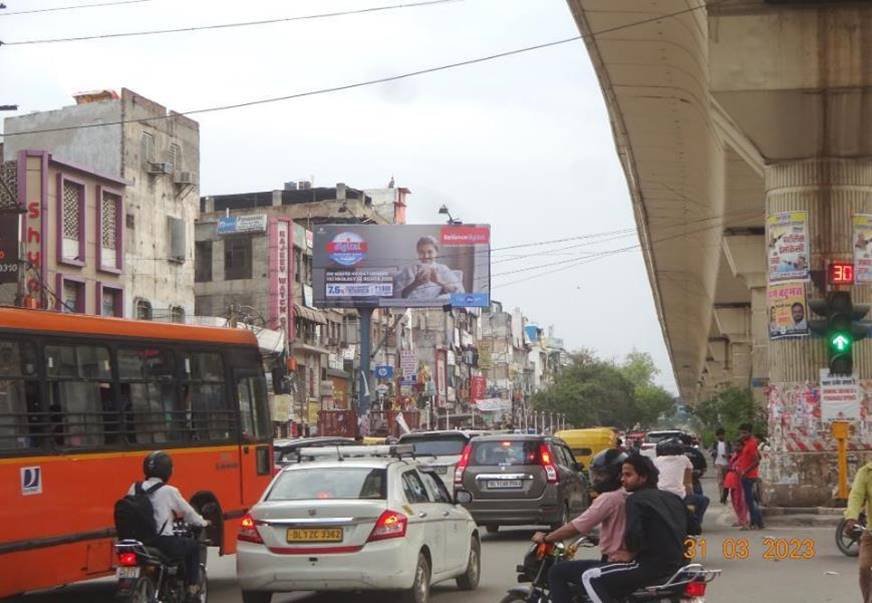
Pole kiosk structures positioned near Indira Gandhi International Airport in Delhi function as high-frequency, eye-level outdoor media assets. These vertical display units are typically installed along primary access roads, airport approach corridors, and adjoining service lanes where vehicular movement is steady and controlled. The placement near Terminal 3, the NH-48 corridor, and the Dwarka Link Road ensures consistent exposure to inbound and outbound airport traffic.
Pole Kiosk Advertising near Indira Gandhi Airport, Delhi benefits from a premium transit-driven audience mix. The location captures business travelers, international passengers, airport staff, logistics operators, taxi aggregators, and private vehicle users. Unlike large-format highway hoardings, pole kiosks operate at closer viewing distance, offering readable brand messaging during traffic halts and controlled slowdowns.
With proximity to Aerocity, Mahipalpur, Dwarka Sector 21 Metro connectivity, and the Delhi-Gurugram Expressway, the structure delivers continuous brand visibility across one of India’s busiest aviation gateways.
Why This Pole Kiosk Location Works
From a media planning perspective, this inventory offers measurable urban advantages:
• Continuous airport-bound traffic throughout the day
• Long dwell time during security approach congestion
• Close-range viewing from cabs, buses, and private cars
• Visibility along signalized intersections and entry loops
• Exposure to domestic and international travelers
• Catchment from Aerocity hotels and hospitality clusters
• High-value corporate and premium consumer audience
The surrounding infrastructure ensures that Pole Kiosk Advertising near Indira Gandhi Airport, Delhi remains active across business hours, late-night arrivals, and early-morning departures.

Strategic Value of the Location
The airport corridor is not an isolated transit stretch. It connects multiple high-density and high-spending catchments.
Aerocity’s commercial hub includes global hotel chains, corporate offices, F&B clusters, and convention venues. Mahipalpur supports hospitality, warehousing, and workforce housing. Dwarka’s residential sectors contribute mid-to-premium income households. The NH-48 corridor links directly to Gurugram’s corporate districts including Cyber City and Udyog Vihar.
Traffic flows from Dhaula Kuan, Vasant Vihar, and South Delhi converge toward this stretch, making it a multi-directional exposure zone. The presence of the Airport Metro Express Line further enhances regional connectivity.
The combination of aviation traffic, hospitality infrastructure, expressway movement, and residential adjacency elevates the strategic importance of Pole Kiosk Advertising near Indira Gandhi Airport, Delhi within Delhi’s outdoor advertising ecosystem.
Brand Visibility & Presence Impact
Pole kiosks offer repetitive, close-proximity brand contact. Because they are positioned at eye level, the audience engages with messaging more directly than with elevated formats.
Key visibility benefits include:
• Strong roadside dominance along approach corridors
• Repeated impressions across daily airport commuters
• Reinforcement during traffic pauses and drop-off zones
• Brand association with premium travel environments
• Continuous exposure across weekday and weekend cycles
For brands seeking urban authority positioning, the airport approach zone functions as a symbolic gateway. Presence here signals scale, stability, and relevance within the Delhi market.
Ideal Industries for This Pole Kiosk
The airport-driven catchment makes this format relevant for multiple sectors:
• Real Estate – Residential launches in Dwarka, Gurugram, and South Delhi
• Retail – Luxury brands, electronics, travel retail
• Healthcare – Multi-specialty hospitals and diagnostic chains
• Education – International schools and higher education institutions
• Automobile – Premium vehicle launches and dealership campaigns
• Banking & Financial Services – Credit cards, forex, travel-linked offers
• Government Campaigns – Tourism promotion, civic messaging
The international and intercity audience profile increases relevance for brands targeting decision-makers and high-spend consumers.
Creative Guidelines for Maximum Visibility
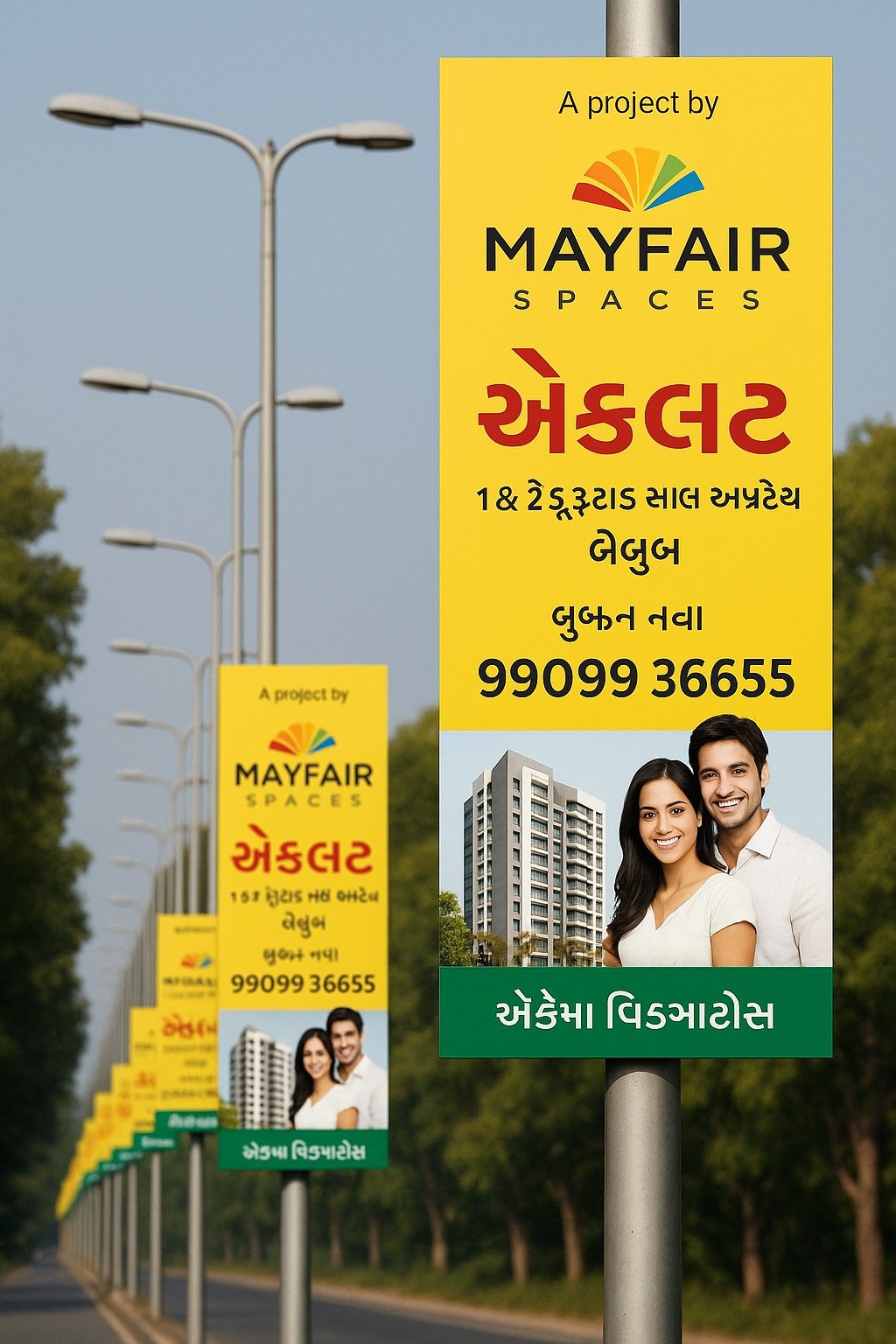
Pole kiosk formats require precision in creative adaptation. Due to their vertical orientation and close viewing distance, clarity becomes critical.
Recommended execution principles:
• Large, legible typography readable from moving vehicles
• Minimal copy with a single dominant message
• High contrast background for day and night visibility
• Strong logo placement at upper visual zone
• Clear call-to-action with limited text elements
• Avoid clutter and multiple brand messages
Simplicity improves recall, especially in transit-led environments like airport corridors.
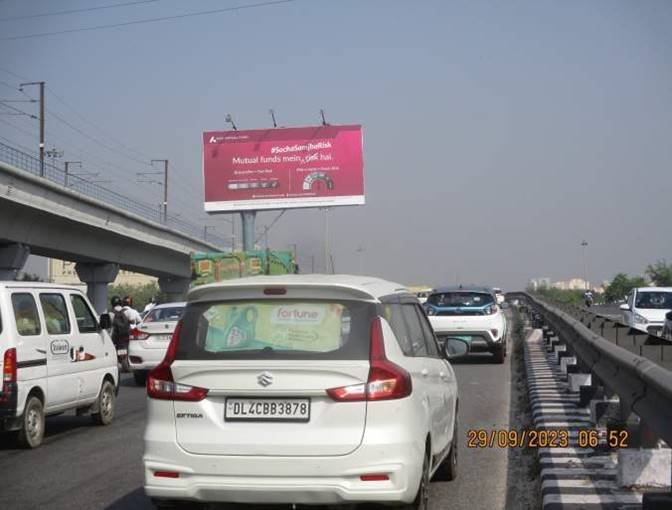
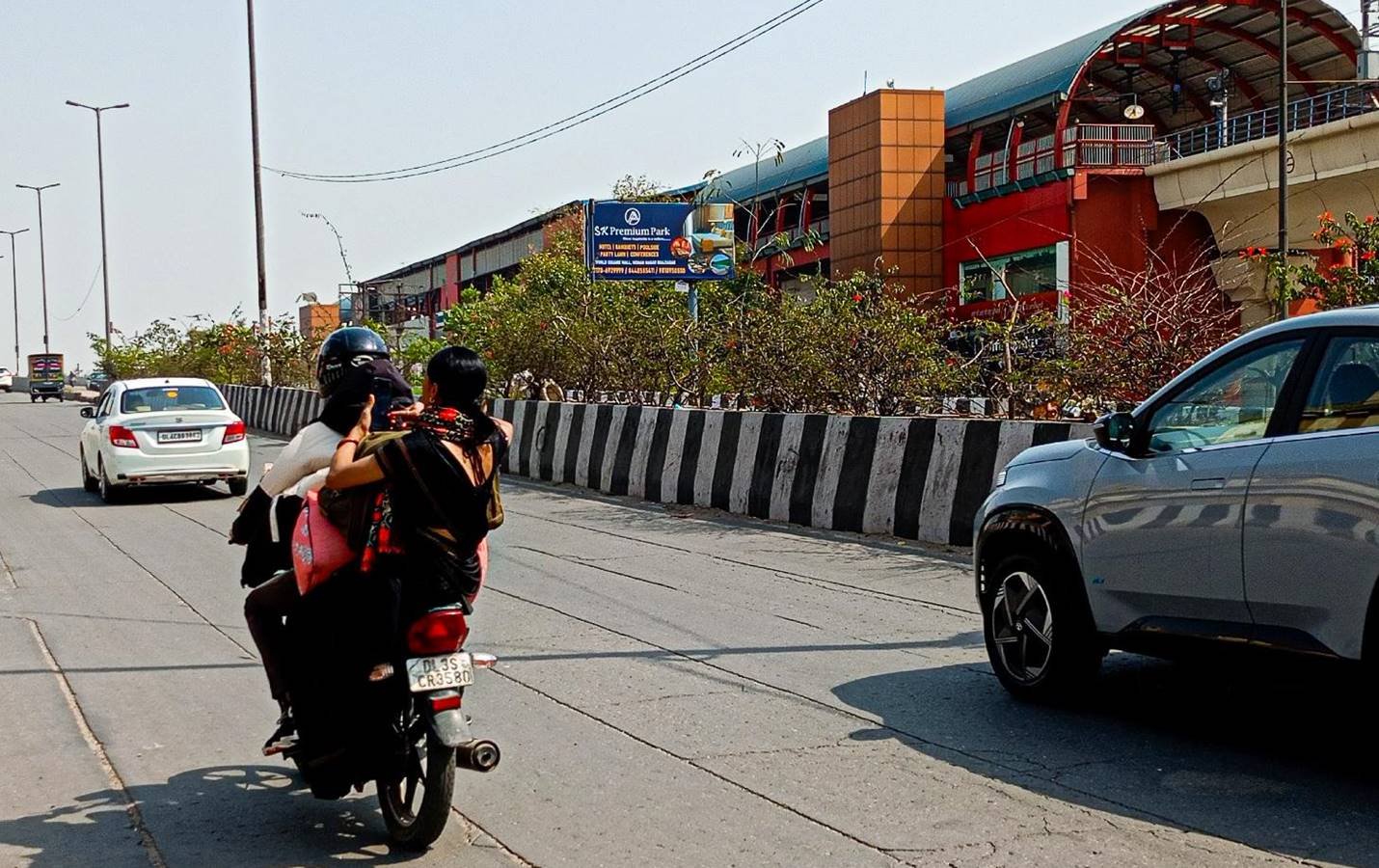
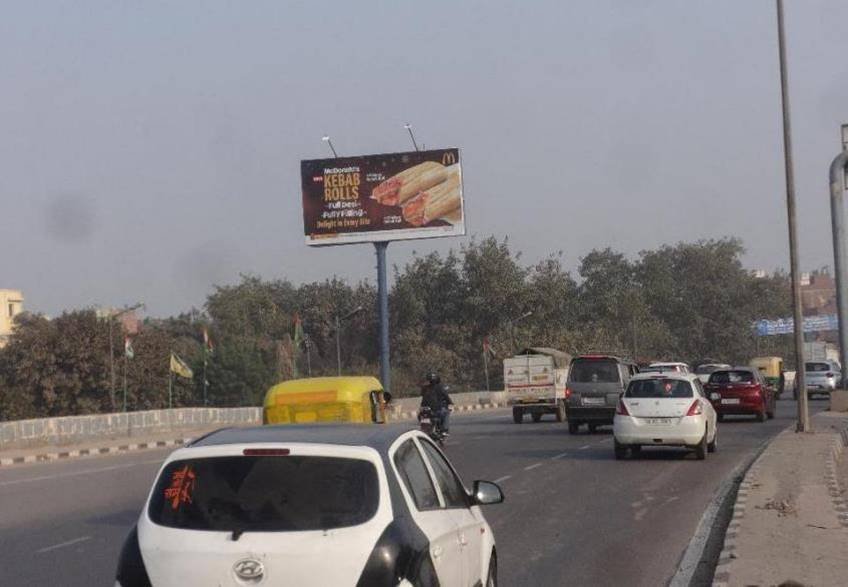
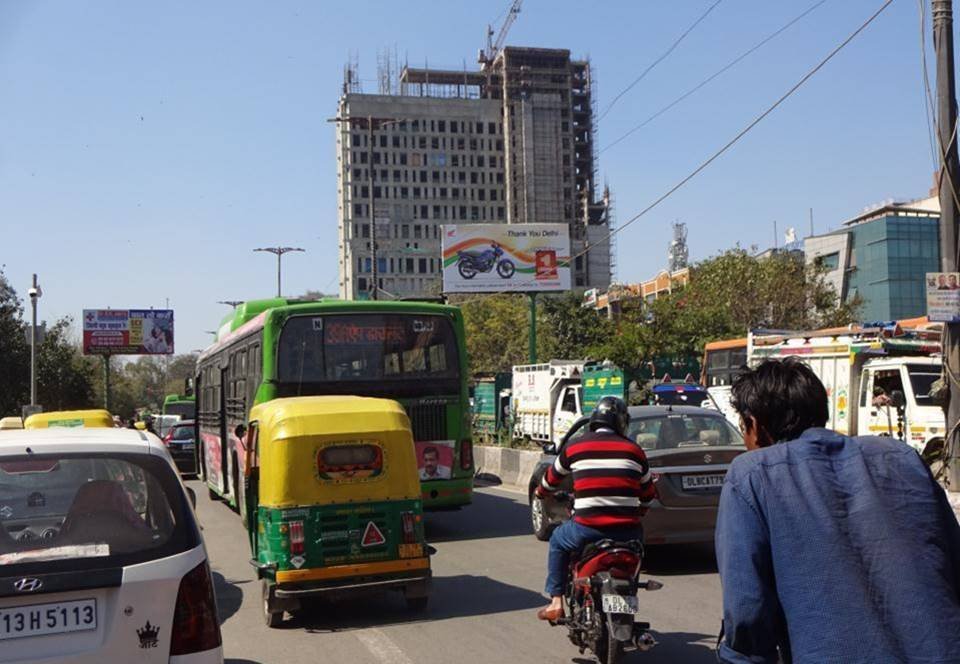
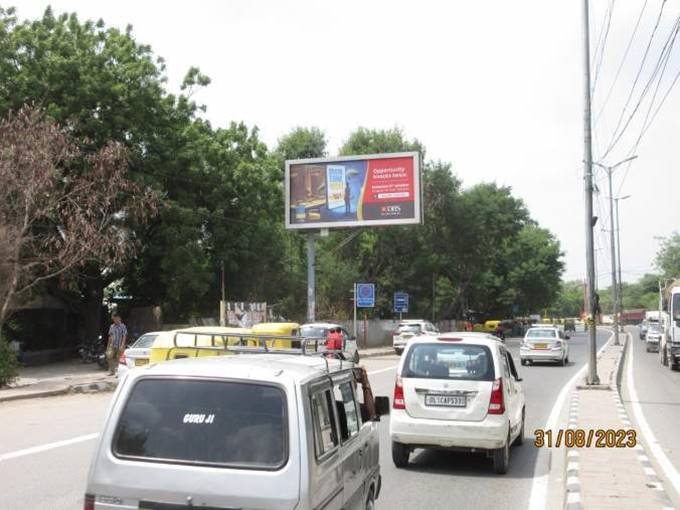
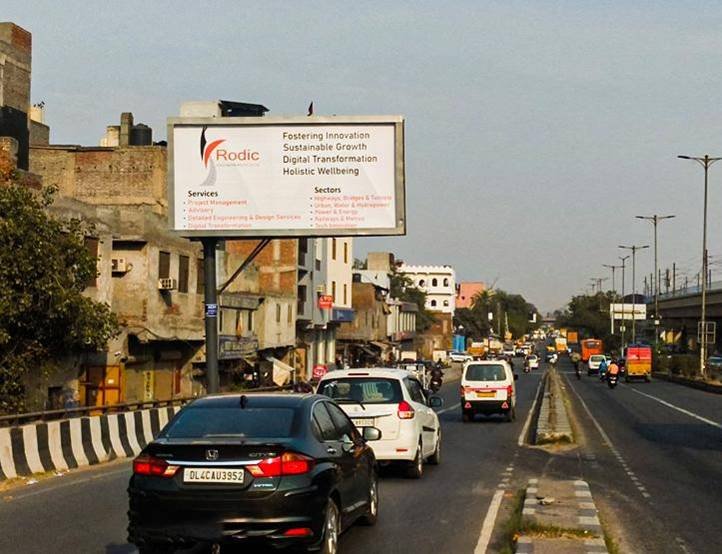
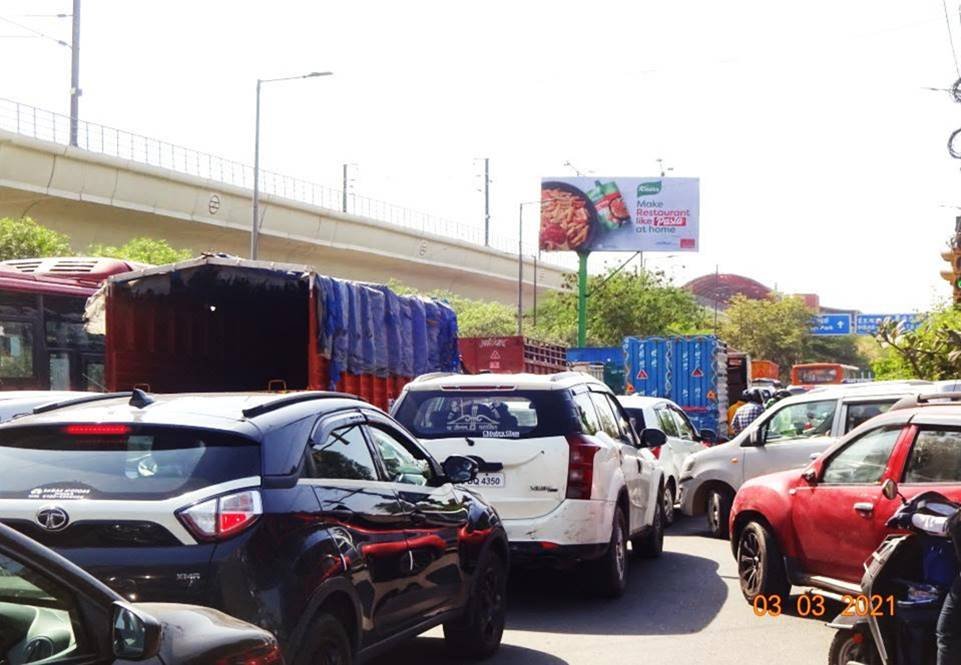
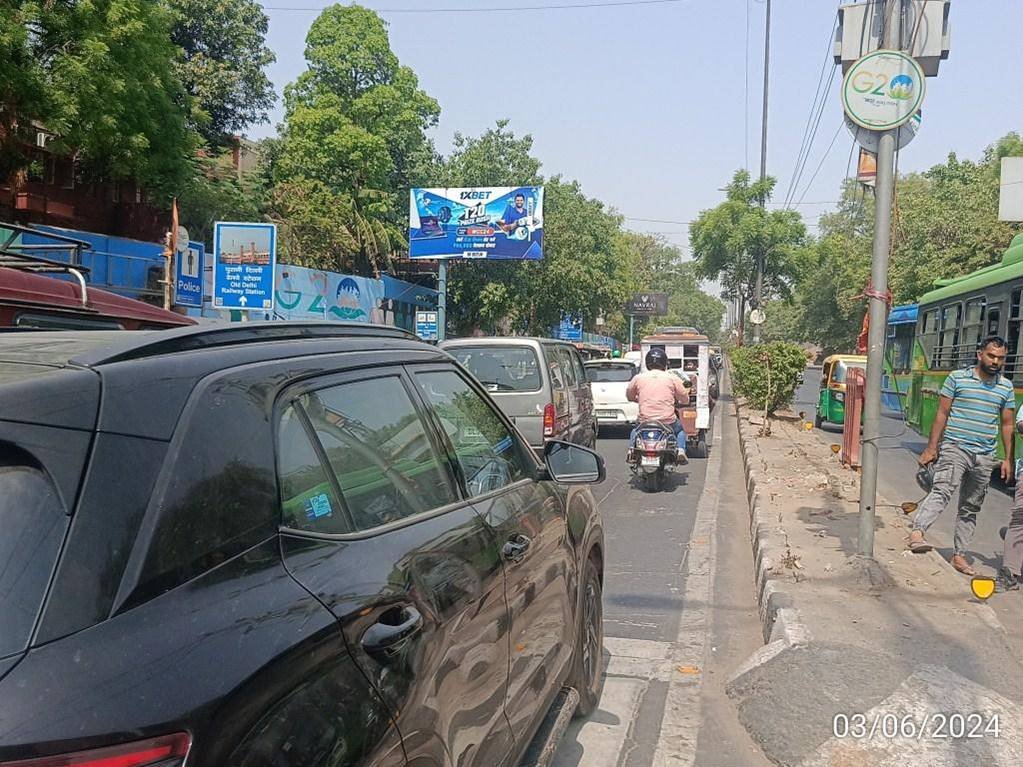
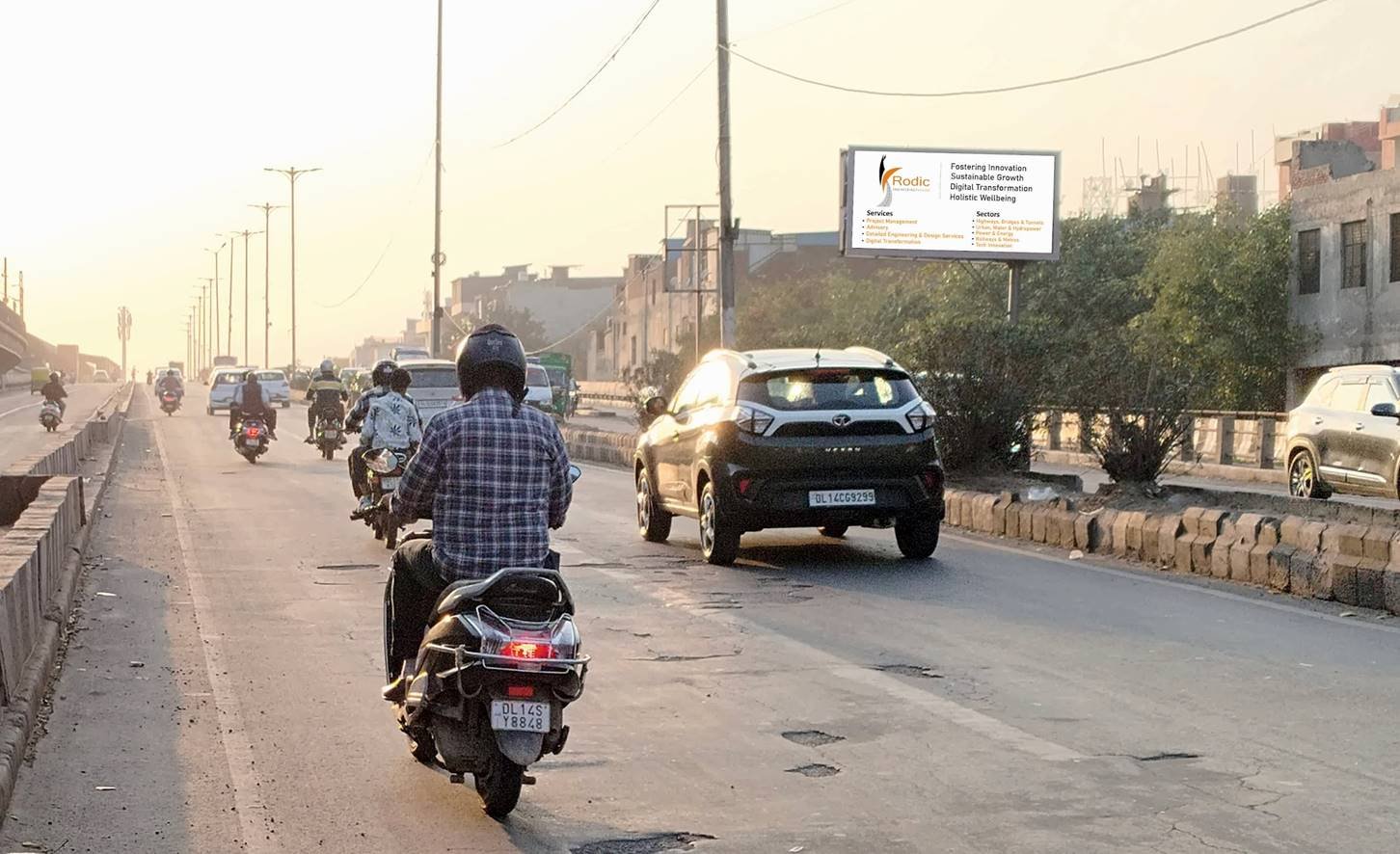
Pole Kiosk Advertising Cost in near Indira Gandhi Airport, Delhi
Cost considerations for Pole Kiosk Advertising near Indira Gandhi Airport, Delhi depend on multiple operational and market factors. Rates are influenced by structure size, illumination specifications, and traffic intensity along the specific approach stretch.
Investment levels are also shaped by:
• Proximity to Terminal entry loops
• Alignment with major signal junctions
• Duration of the campaign
• Seasonal airport traffic patterns
• Market demand during peak travel months
• Visibility angle and obstruction clearance
• Neighborhood prominence within the airport corridor
Advertisers typically evaluate campaign duration strategically to maximize recall rather than focusing solely on short-term exposure.
Factors That Influence Cost
• Display dimensions and structural format
• Lighting configuration and power supply
• Installation complexity
• Maintenance cycles
• Availability window
• Competitive demand in the airport zone
• Overall campaign tenure
Location-driven demand within airport-adjacent media corridors often affects booking timelines and inventory planning.
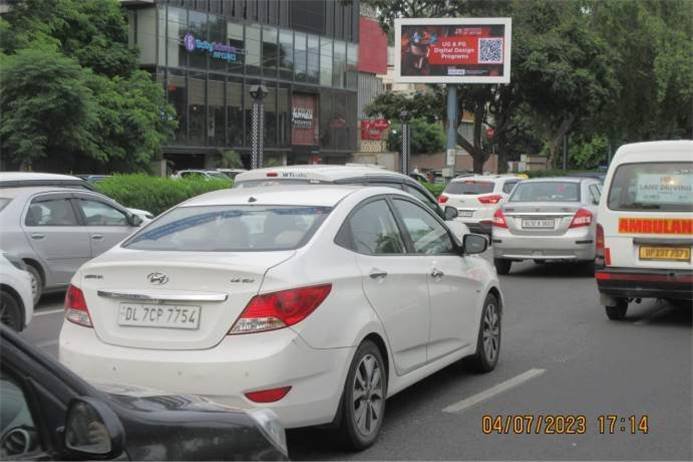
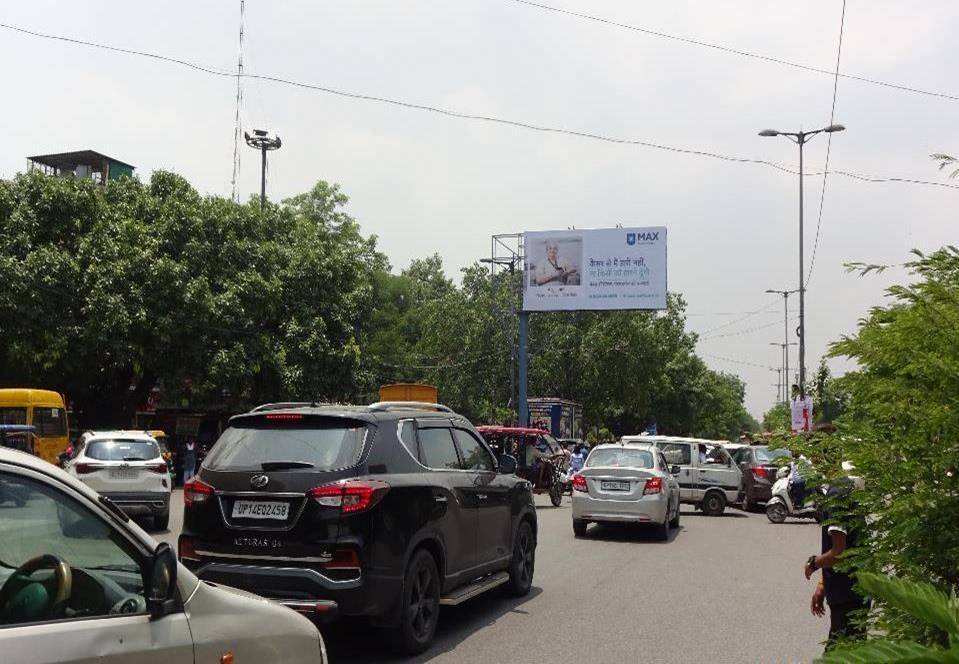
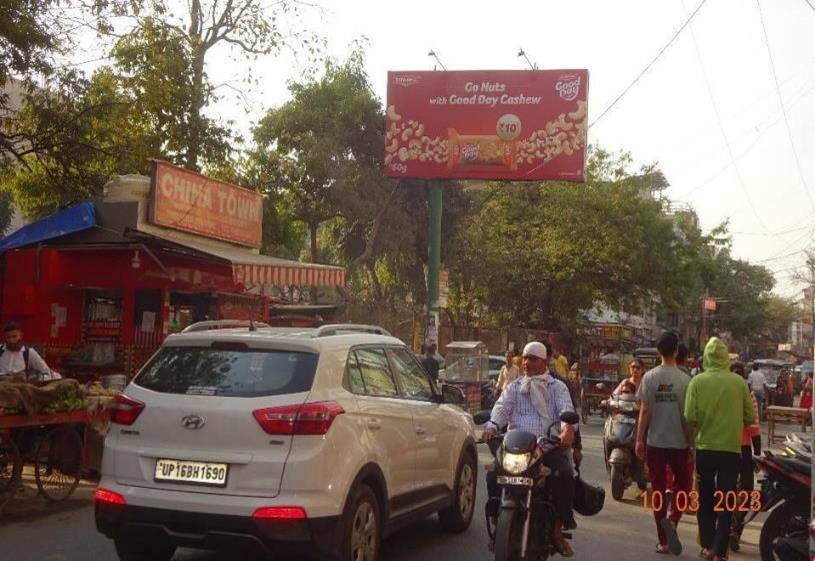
Campaign Planning Insights
From a strategic standpoint, airport proximity formats perform better with medium to long-term deployment. Repeated exposure across multiple travel cycles enhances recognition.
Considerations for planners:
• Align messaging with travel behavior
• Use consistent creative for recall reinforcement
• Plan around seasonal travel peaks
• Combine with citywide outdoor formats for dominance
• Monitor visibility after installation
Pole Kiosk Advertising near Indira Gandhi Airport, Delhi works most effectively when integrated into a broader Delhi outdoor network strategy.
Measurable Brand Advantages
Long-term presence along the airport corridor supports:
• Strong brand recall among frequent travelers
• Increased credibility through premium location visibility
• Wider audience penetration across business segments
• Market familiarity among intercity commuters
• Trust reinforcement through repetition
The format acts as a constant visual anchor in a high-value transit ecosystem.
Outdoor Advertising Network Presence
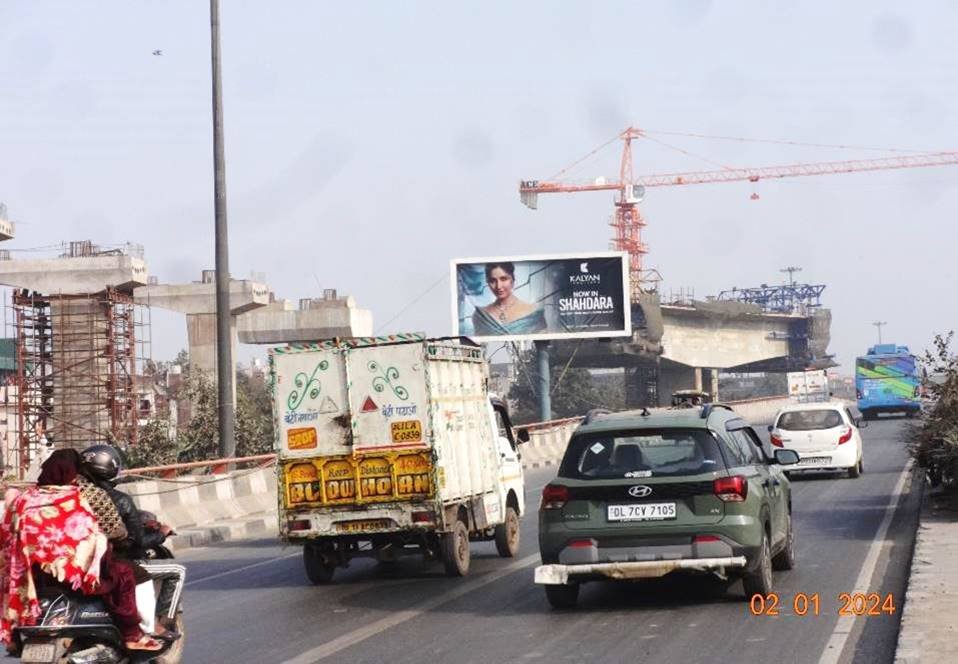
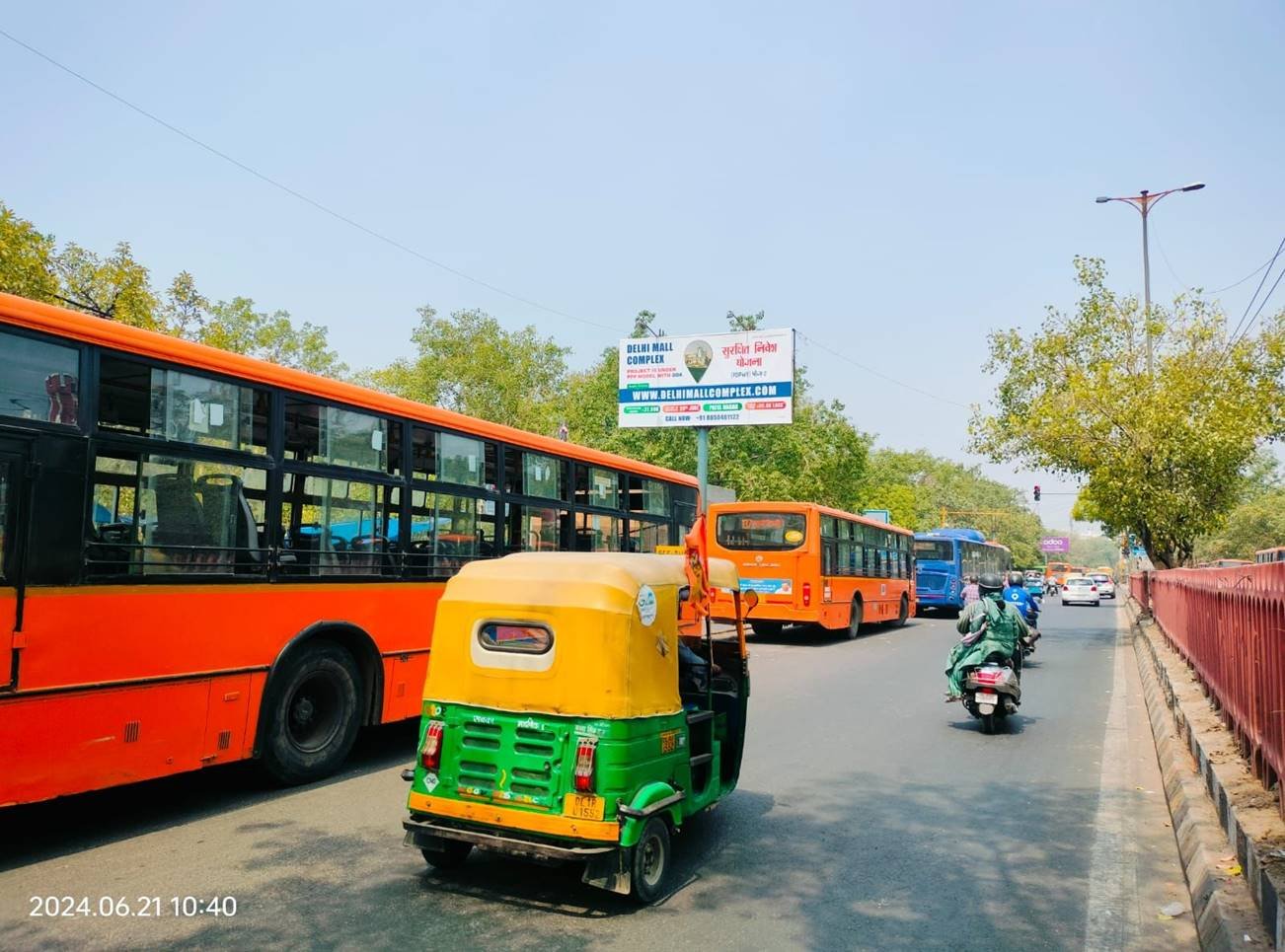
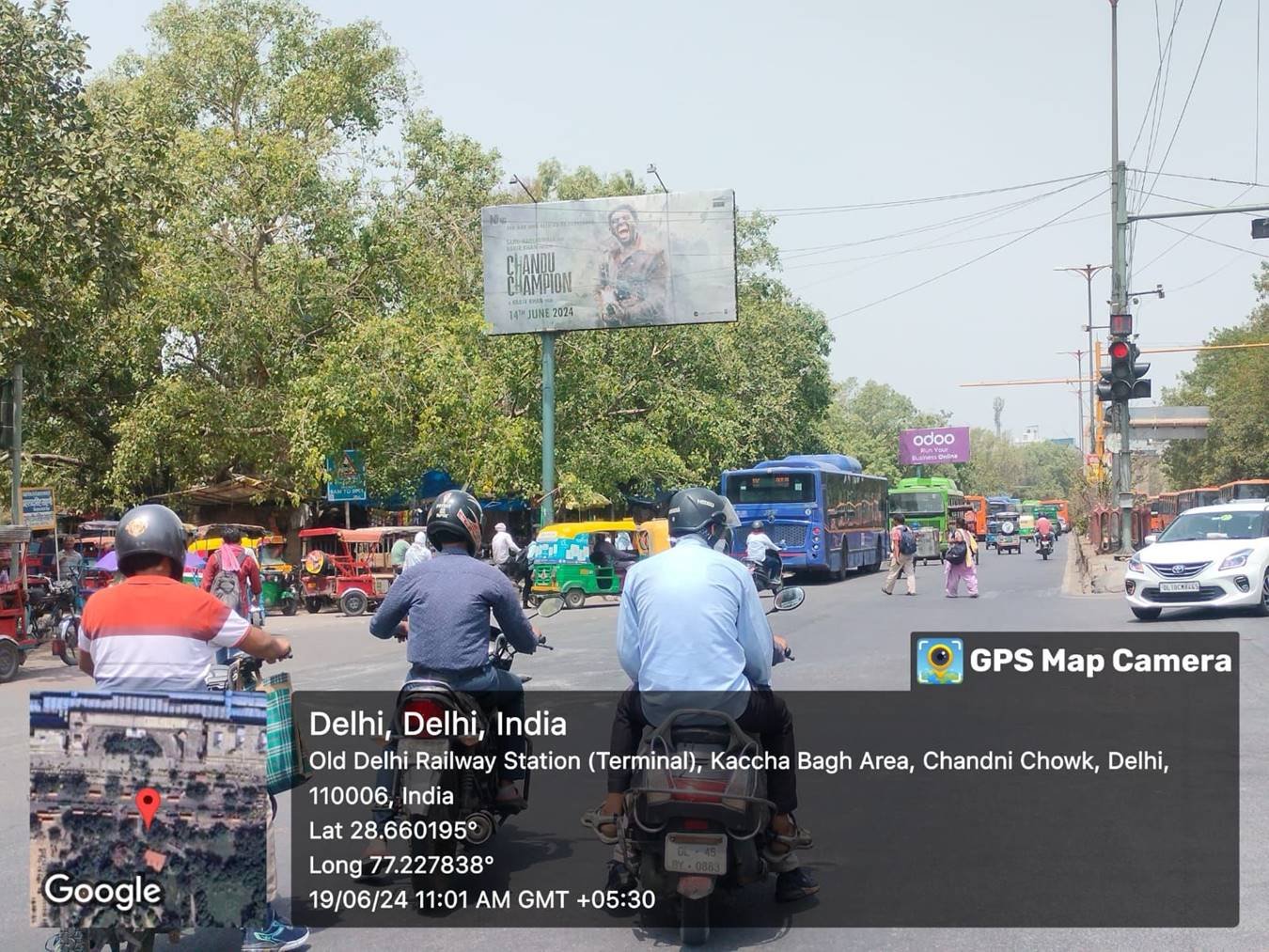
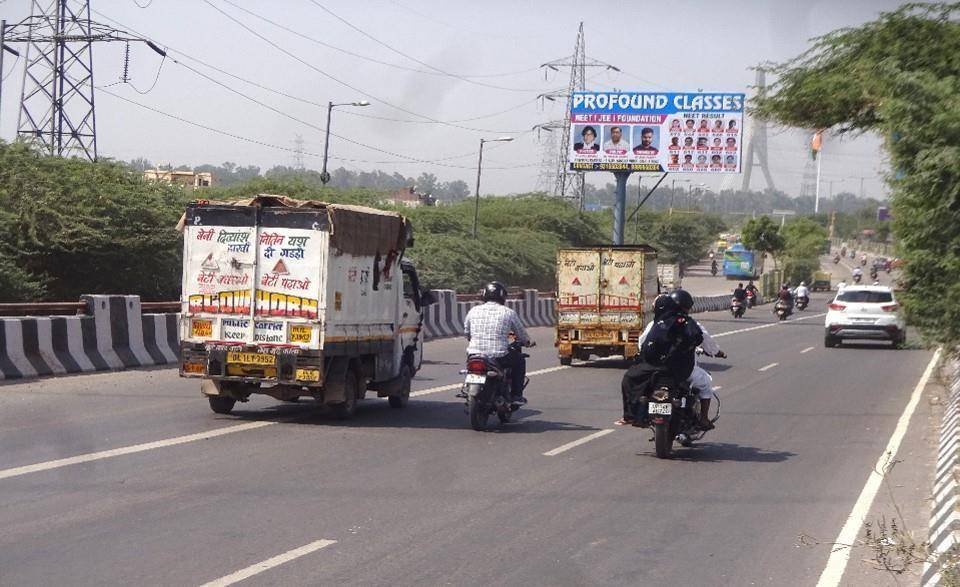
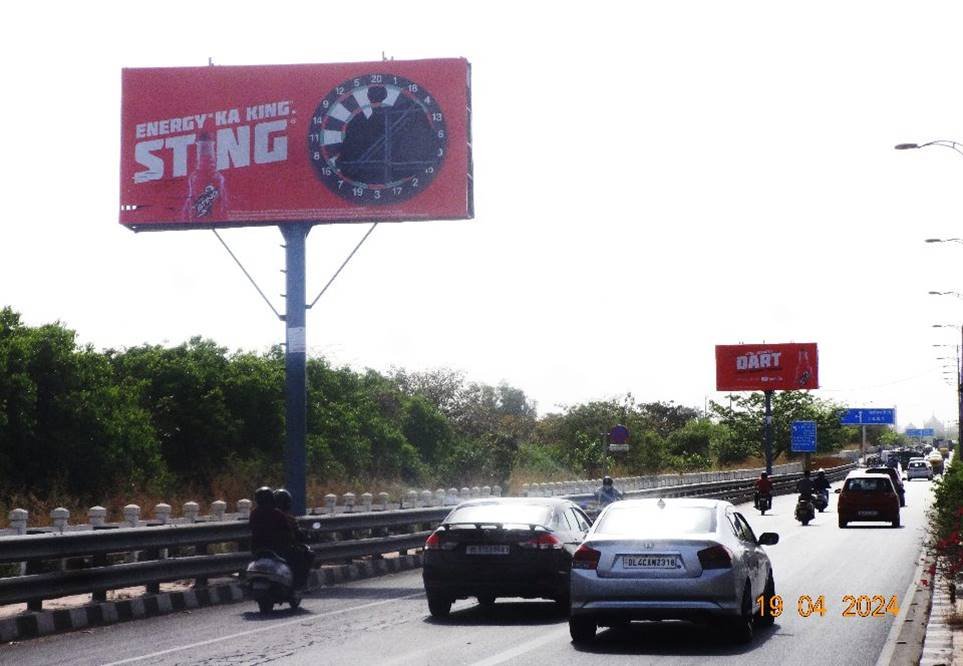
Within Delhi’s outdoor ecosystem, integrated inventory planning strengthens impact. Media planners often combine airport corridor pole kiosks with arterial road formats and metro-facing media units. Organizations such as Acme Advertising Co. maintain structured outdoor networks across Delhi’s key transit corridors, supporting unified deployment strategies and visibility continuity. Industry presence and updates are reflected on their LinkedIn platform.
Site Execution & Monitoring
Execution standards play a critical role in maintaining media quality.
Operational considerations include:
• Structural stability checks before installation
• Professional artwork mounting
• Alignment calibration for traffic-facing angles
• Night-time illumination testing
• Periodic maintenance inspections
• Weather-resistance verification
Routine monitoring ensures uninterrupted display throughout the campaign cycle.
Booking & Deployment Workflow
The operational process follows a structured sequence:
- Campaign objective alignment
- Site mapping within the airport corridor
- Availability confirmation
- Creative adaptation for pole kiosk dimensions
- Professional installation
- Post-installation monitoring and reporting
This systematic approach ensures compliance, visibility accuracy, and consistent campaign performance.
Long-Term Media Value
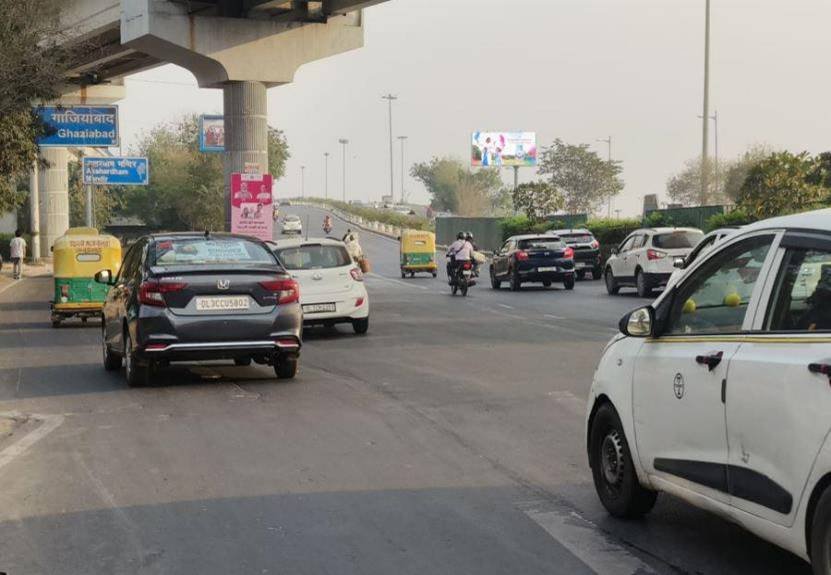
Pole kiosks near airport corridors function as always-on urban media assets. Their strength lies in sustained geographic presence rather than momentary exposure.
Advantages include:
• Continuous brand visibility
• High-frequency impressions
• Dominance within premium transit zones
• Long-term credibility building
• Consistent recall cycles
For brands targeting sustained market penetration in Delhi, the airport corridor remains a high-impact outdoor zone.
FAQs
What determines the cost of Pole Kiosk Advertising near Indira Gandhi Airport, Delhi?
Cost depends on structure size, illumination, traffic density, campaign duration, and exact positioning along the airport corridor.
Is Pole Kiosk Advertising near Indira Gandhi Airport, Delhi effective for premium brands?
Yes. The proximity to international terminals and Aerocity enhances exposure to high-value travelers and corporate audiences.
How long should a campaign run in this airport corridor?
Longer durations improve recall cycles, especially given the repeat traveler and daily commuter mix.
What sizes are available for pole kiosk displays near the airport?
Sizes vary based on municipal approvals and structural design, typically optimized for vertical readability and roadside visibility.
Which industries benefit most from airport-adjacent outdoor media?
Real estate, automobile, hospitality, banking, healthcare, and government campaigns commonly leverage this transit-driven audience base.
How early should bookings be planned?
Advance planning is recommended due to demand during peak travel seasons and high occupancy in the airport media zone.
ACME Advertising Co.
LinkedIn – https://www.linkedin.com/company/acme-advertising-co/