
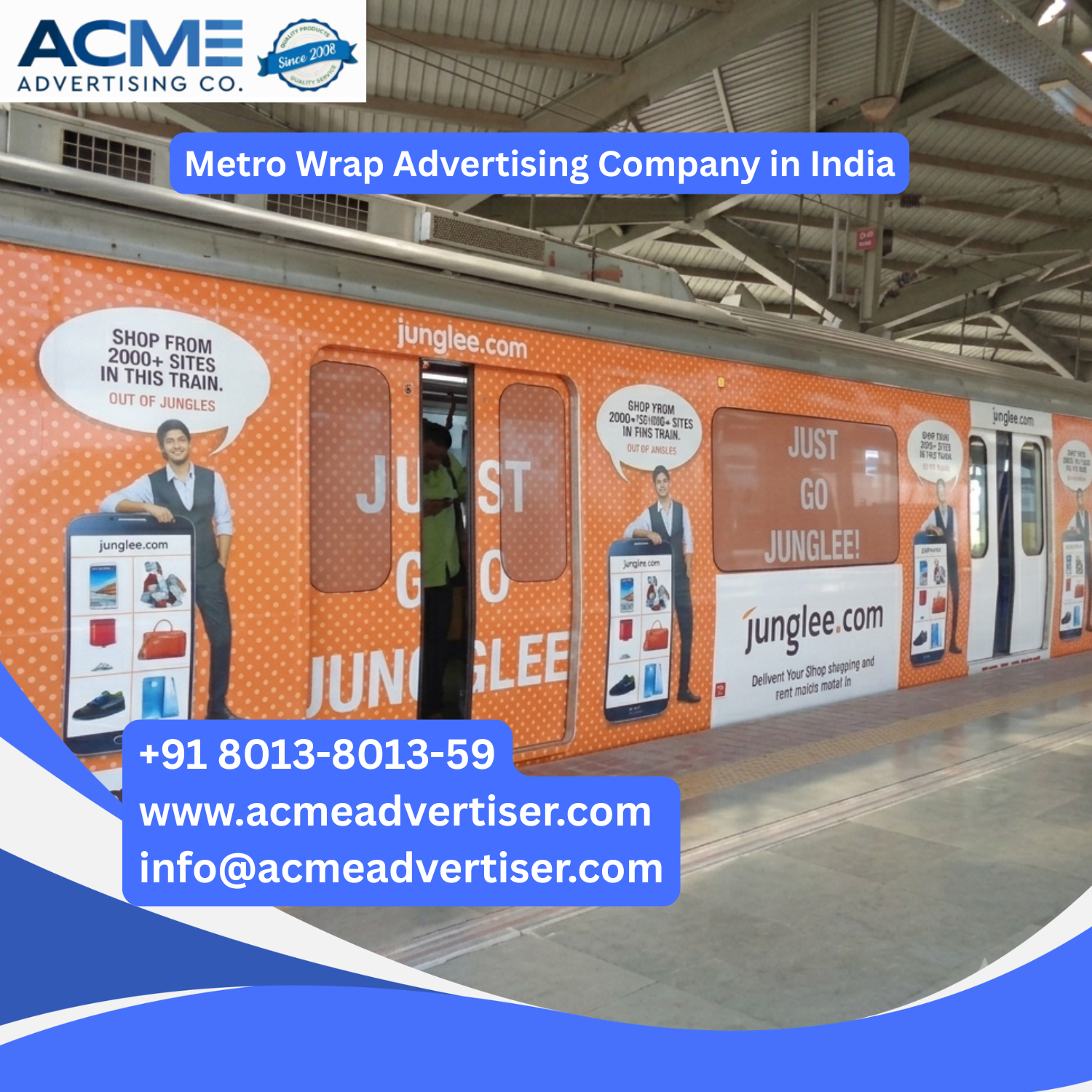
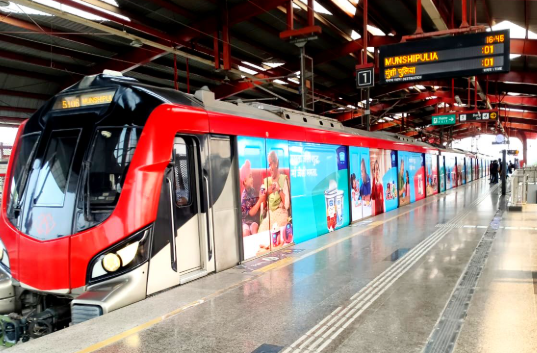
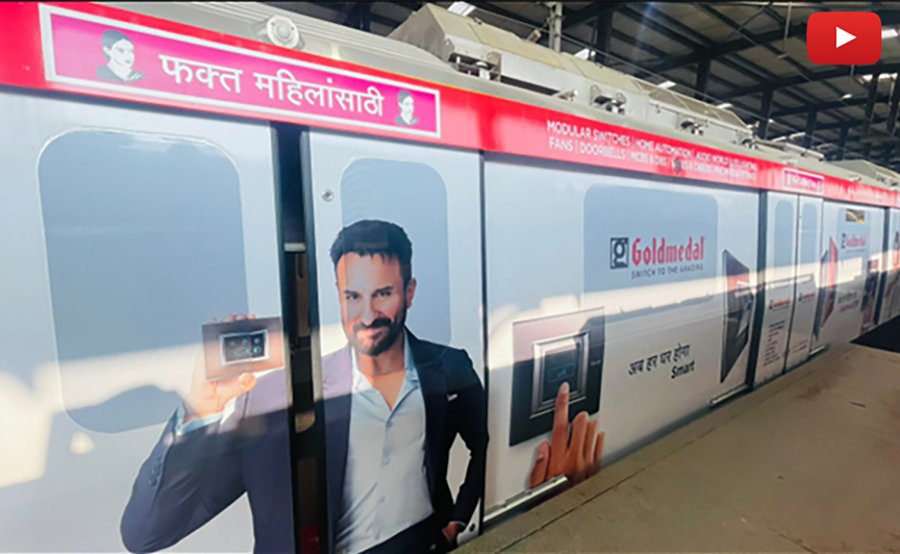
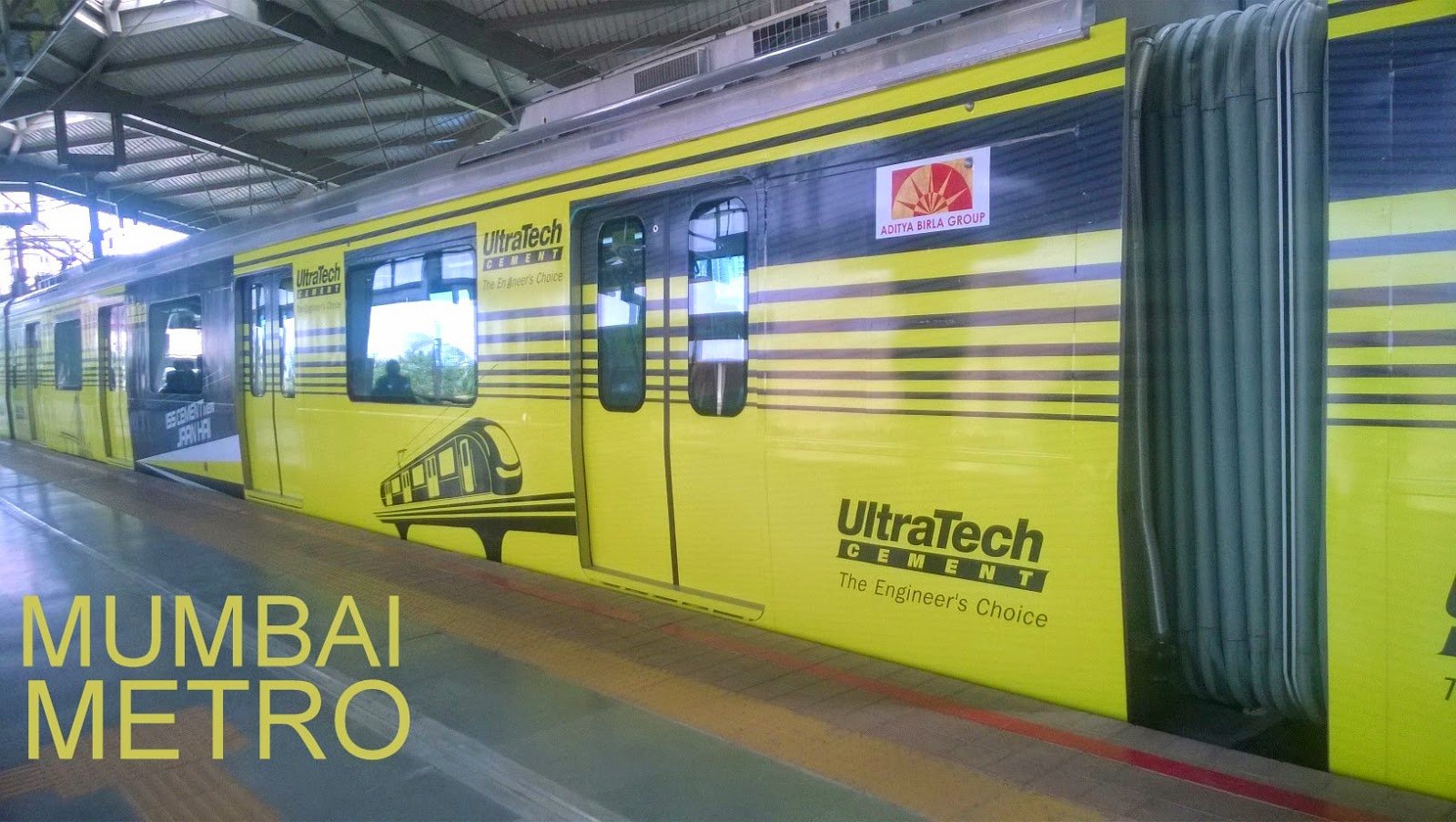
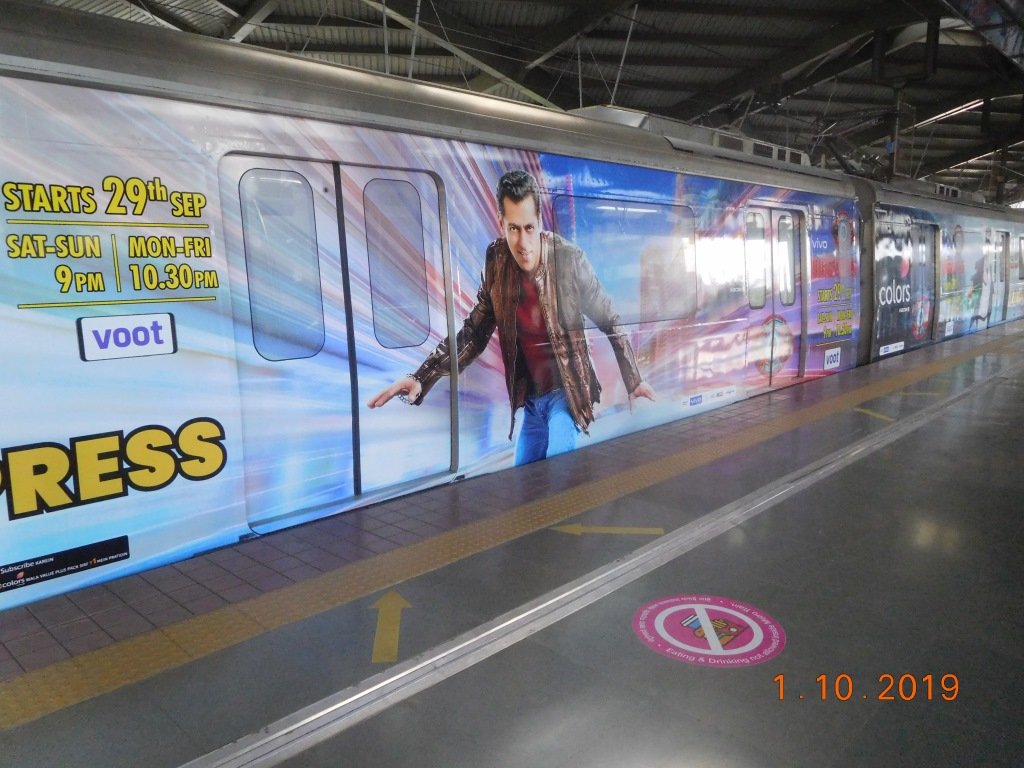
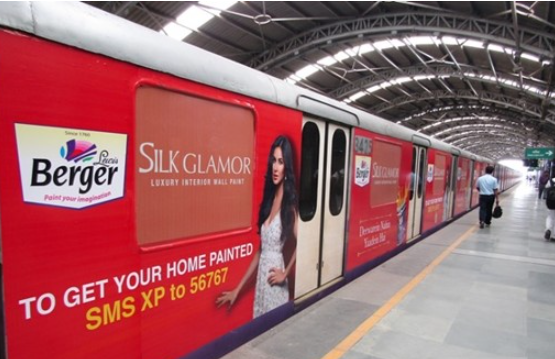
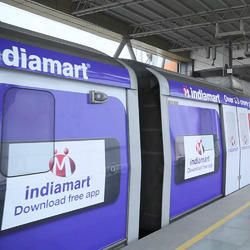
Every day, thousands of people travel by metro to reach their offices, colleges, shopping destinations, and homes. For many commuters, the metro is more than just a mode of transport; it is a part of their daily routine. This regular movement creates valuable opportunities for brands to connect with audiences through Metro Wrap Advertising Company in India.
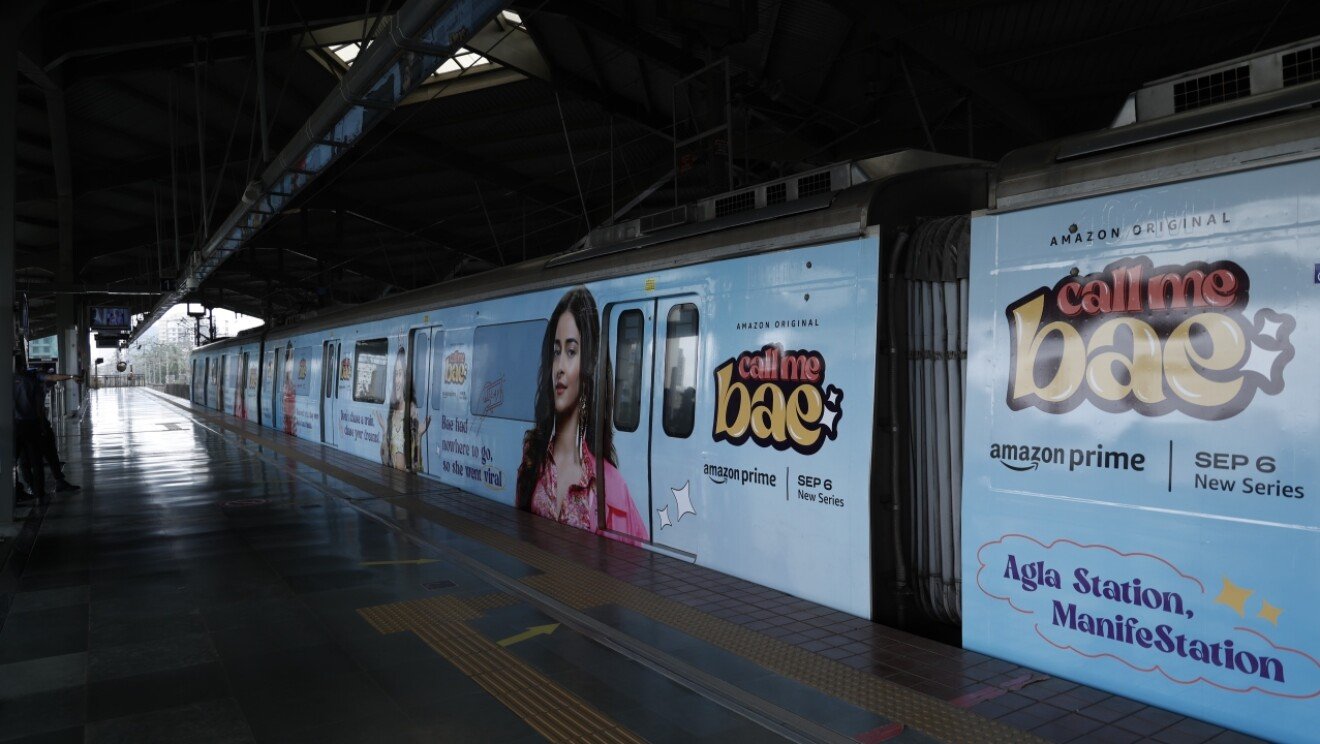
Metro wraps turn metro trains into moving brand displays, allowing businesses to showcase their products, services, and campaigns across busy urban routes. With ACME Advertising Co., brands can plan metro advertising campaigns that align with their target audience, campaign objectives, and preferred locations across India.
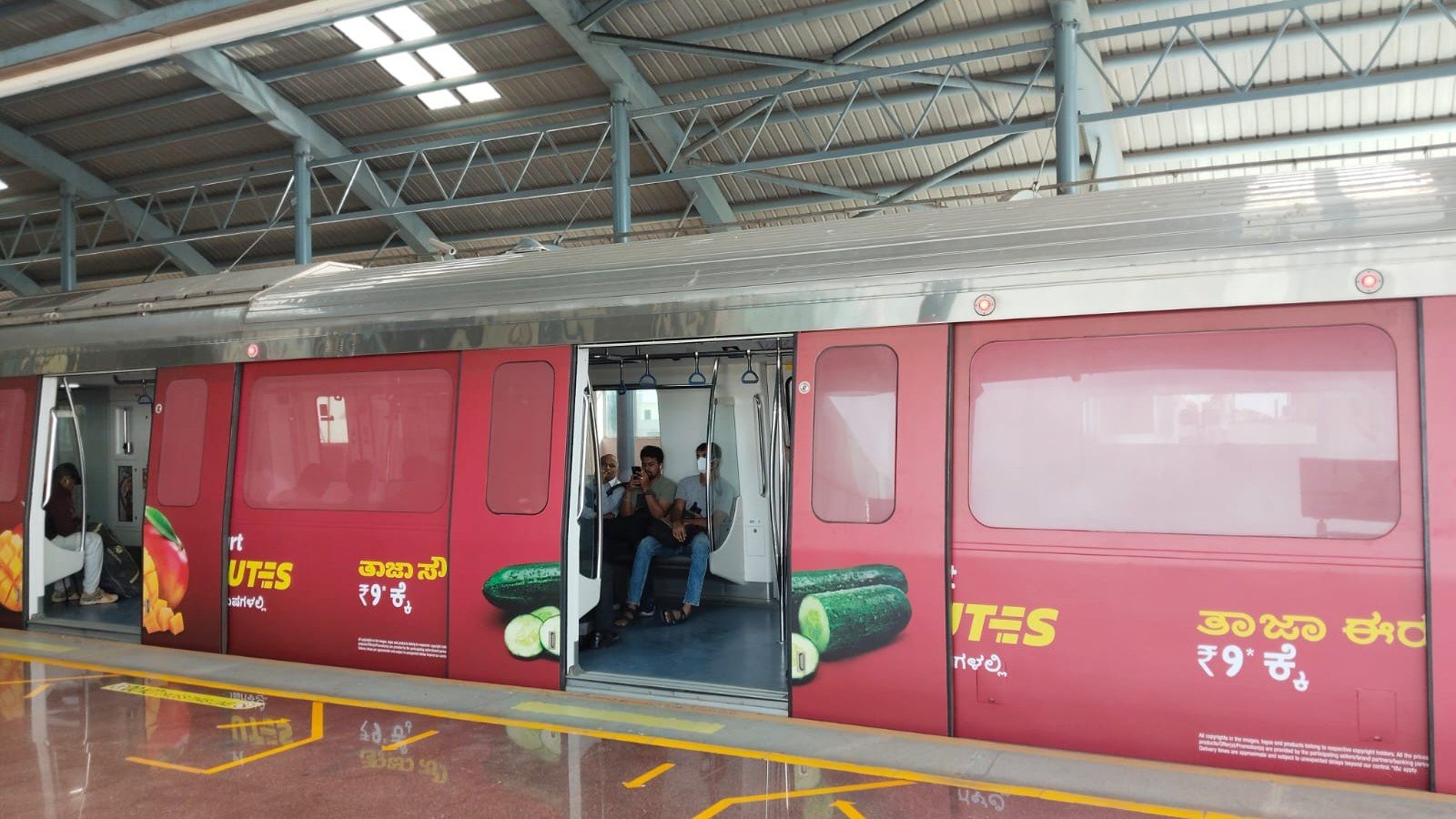
Unlike advertising that remains restricted to a single outdoor site, metro train wraps can travel through multiple stations and neighbourhoods, helping brands maintain visibility across different parts of a city.

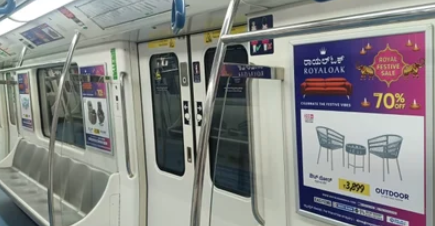
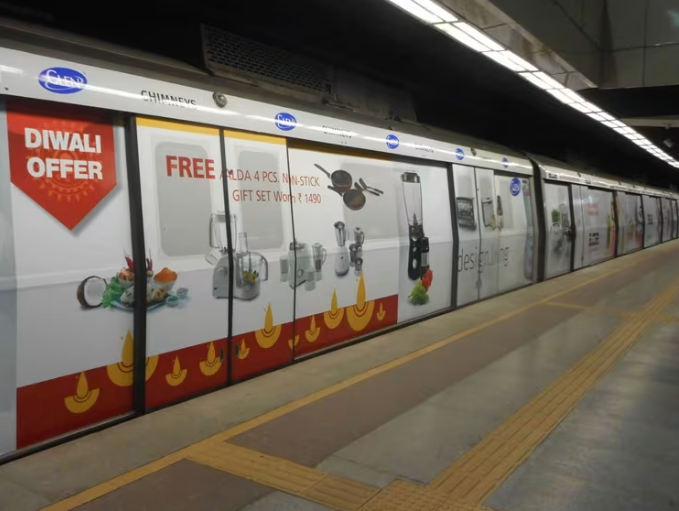
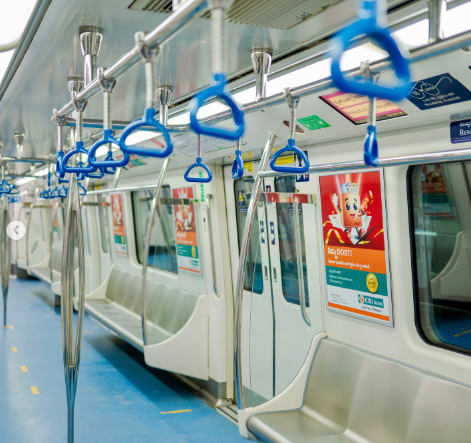
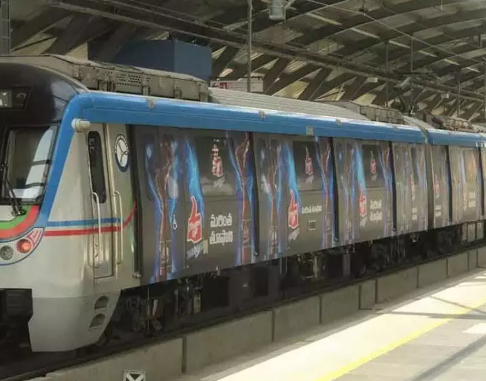

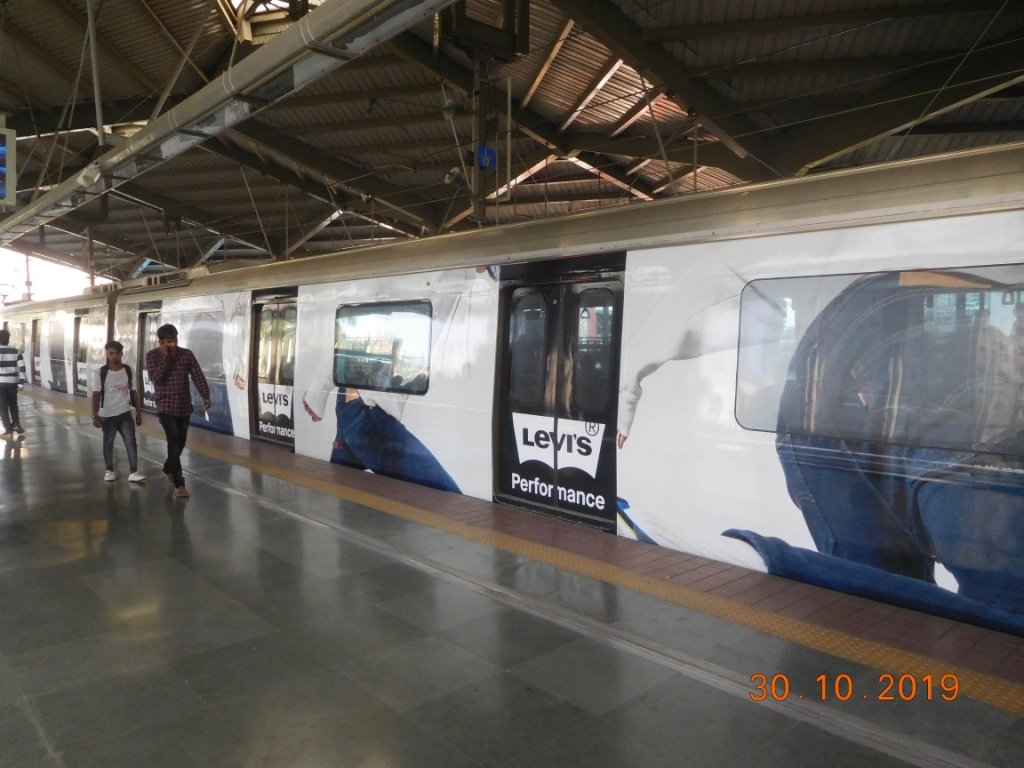
Why Metro Wrap Advertising Is Gaining Attention in India
India’s metro networks connect residential areas, commercial districts, educational institutions, IT hubs, shopping centres, and transport terminals. This makes metro advertising a valuable option for brands looking to reach commuters throughout their daily journeys.
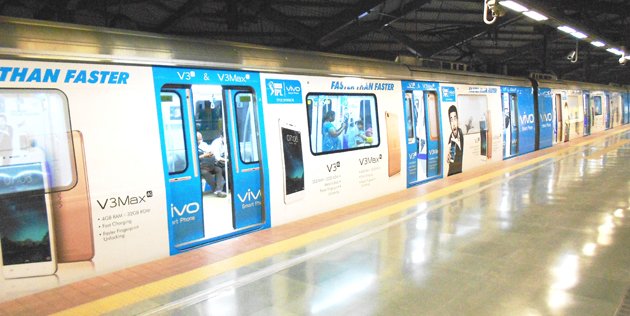
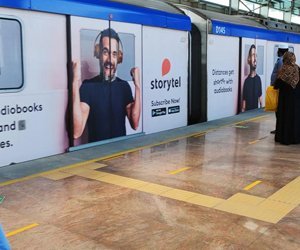
A well-designed metro wrap can attract attention at station platforms, during train arrivals and departures, and while commuters wait for their journeys to continue. The combination of large-format graphics, recognisable brand colours, and repeated exposure can help businesses build stronger brand recall.
Metro wrap advertising is particularly useful for product launches, retail promotions, real estate projects, educational institutions, entertainment campaigns, financial services, and consumer brands seeking wider urban visibility.
Where Do Metro Wrap Campaigns Receive Greater Exposure?
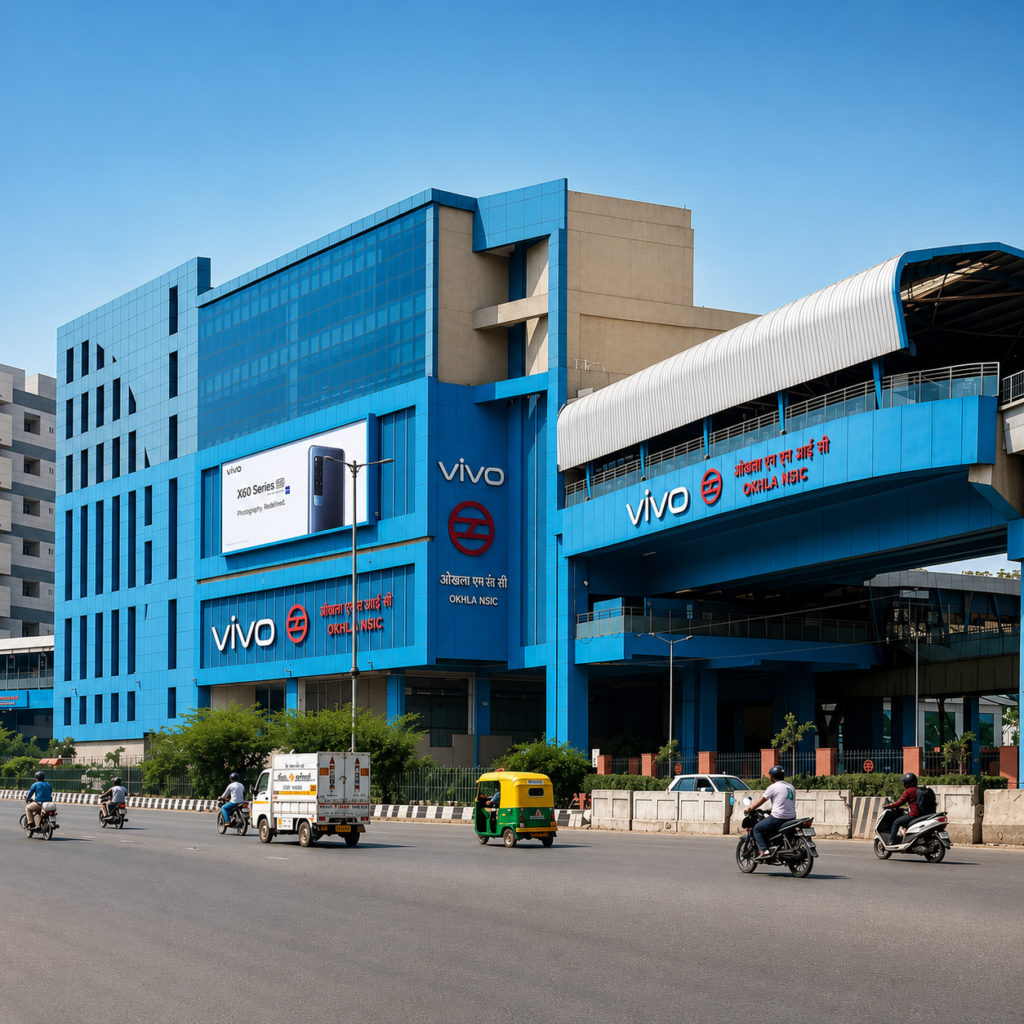
The effectiveness of a metro wrap campaign depends on the selected network, permitted advertising inventory, train routes, passenger movement, and the campaign’s duration. Certain types of locations can offer particularly useful opportunities for brand exposure.
Busy Commercial Districts and Office Hubs: Business districts and IT corridors attract professionals who travel regularly during morning and evening peak hours. Brands offering banking services, technology products, food delivery, lifestyle products, and professional services can consider these commuter audiences when planning a campaign.
Metro corridors serving major employment centres may help brands reach working professionals repeatedly throughout the week.
Shopping Centres and Retail Destinations: Metro stations connected to shopping malls, high streets, and commercial markets often experience additional passenger movement during evenings, weekends, and festive shopping periods.
For fashion labels, electronics retailers, beauty products, restaurants, and consumer goods companies, metro wraps can support seasonal promotions and new-store launches by increasing brand visibility along relevant commuter routes.
Colleges, Universities, and Educational Areas: Metro routes connecting educational institutions and student neighbourhoods can be valuable for brands targeting young adults. Education providers, coaching institutes, skill development companies, entertainment brands, and affordable lifestyle businesses may benefit from campaigns designed around these audiences.
Campaign planning should consider the actual route coverage and the permitted advertising opportunities rather than assuming every train serves every institution.
Interchange Stations and High-Footfall Corridors: Interchange stations bring together passengers travelling across different metro lines. Although a wrapped train’s exposure depends on its operating route, advertising across well-connected corridors can help a campaign reach commuters from several parts of a city.
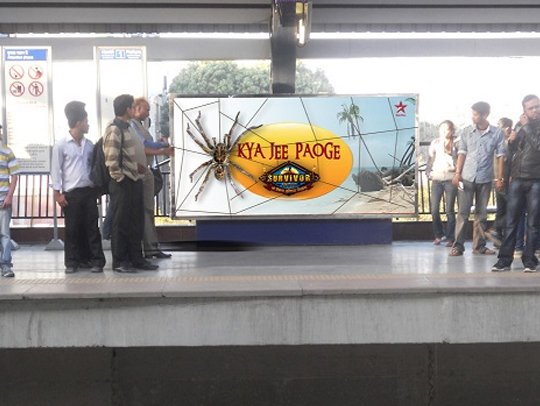
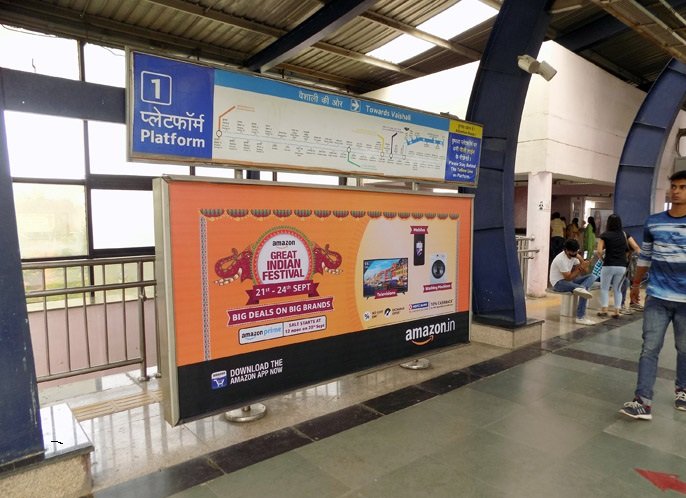
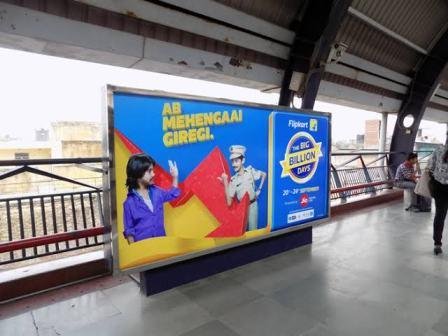
Busy interchange areas can also complement metro wrap advertising through permitted station branding, platform displays, and other transit media formats.
When Are Metro Wrap Campaigns Likely to Attract More Attention?
Commuter movement changes throughout the day, making campaign timing an important planning consideration.
Morning peak hours generally bring passengers travelling to workplaces and educational institutions. Evening peak hours see people returning home, visiting markets, or connecting with other transport services. These periods can create opportunities for repeated exposure to metro advertising.
Weekends and public holidays may bring different audience patterns, particularly on routes serving shopping destinations, entertainment venues, and tourist attractions. During festivals, major product launches, admission seasons, and retail sales, advertisers can plan their campaign schedules around relevant consumer activity.
However, actual passenger volumes vary by city, line, station, day, and season. Brands should use available metro ridership information and media-owner data when selecting routes and campaign periods.
How ACME Advertising Co. Plans Metro Wrap Campaigns

A successful metro wrap campaign involves more than placing an advertisement on a train. The creative design, media selection, permissions, production quality, and execution all influence how effectively a brand communicates with commuters.
ACME Advertising Co. supports outdoor advertising and transit media campaigns with a focus on planning, branding, production coordination, and execution according to campaign requirements.
The process can include:
Campaign planning: Understanding the brand’s objectives, target audience, preferred city, and campaign duration.
Route and media selection: Evaluating available metro advertising inventory, permitted train wraps, and relevant commuter corridors.
Creative design: Developing clear, attractive artwork that communicates the main message quickly and maintains brand consistency.
Printing and production: Preparing suitable advertising graphics and materials according to the approved specifications.
Installation coordination: Arranging execution through the relevant authorised media owner and installation partners.
Campaign monitoring: Reviewing available installation photographs, execution updates, and campaign documentation.
Availability, advertising specifications, and installation permissions depend on the relevant metro authority and authorised media owner.
Metro Wrap Advertising Opportunities Across Major Indian Cities
India has several established and expanding metro networks that advertisers can consider when planning transit media campaigns. The appropriate city depends on the target audience, available inventory, campaign objectives, and budget.
| City | Potential campaign focus |
|---|---|
| Delhi–NCR | Corporate brands, retail, consumer goods, education, and lifestyle |
| Mumbai | Financial services, entertainment, retail, and consumer brands |
| Bengaluru | Technology, IT services, education, and lifestyle products |
| Hyderabad | Real estate, technology, healthcare, and retail |
| Chennai | Consumer goods, education, automotive, and retail |
| Kolkata | Retail, education, local businesses, and consumer products |
| Kochi | Retail, tourism-related businesses, education, and lifestyle |
| Lucknow | Education, real estate, retail, and regional consumer brands |
| Pune | Education, technology, automotive, and lifestyle |
| Ahmedabad | Retail, real estate, consumer products, and business services |
These are potential audience and campaign categories, not a confirmation that full-train wraps are currently available on every listed network. Advertisers should verify the permitted formats and inventory before finalising their plans.
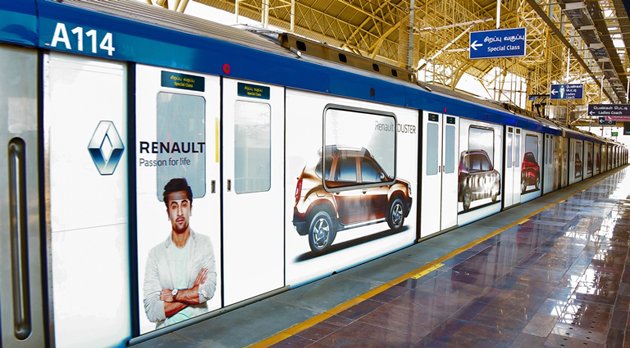
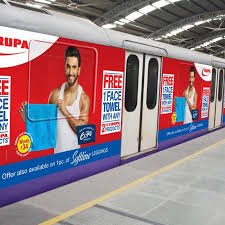
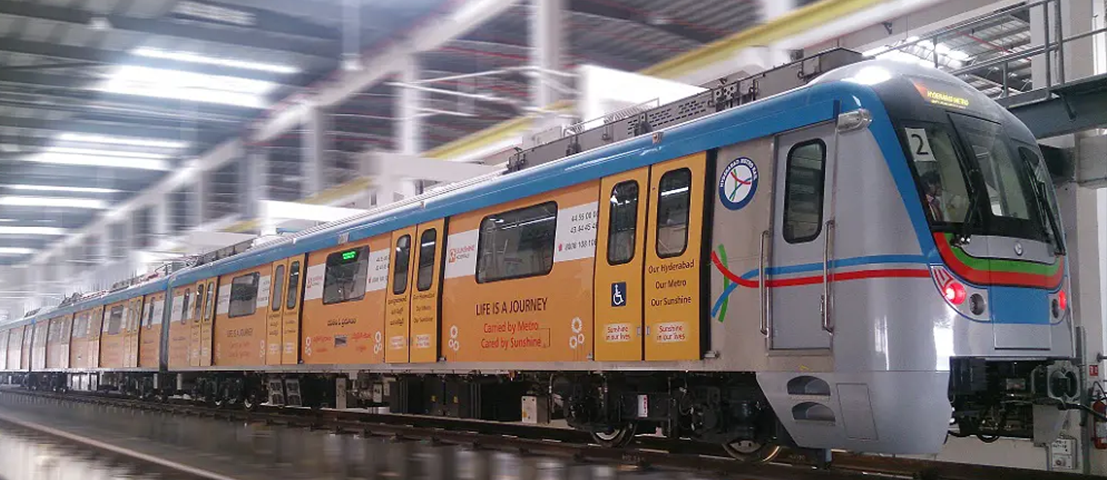
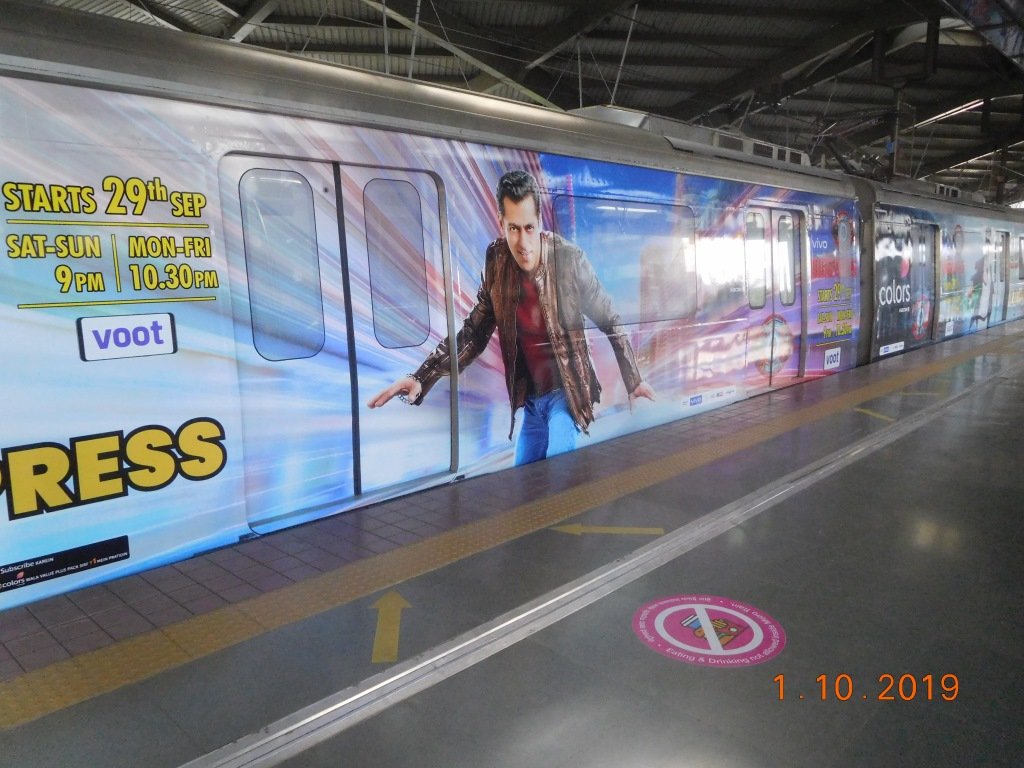
What Makes a Metro Wrap Advertisement Effective?
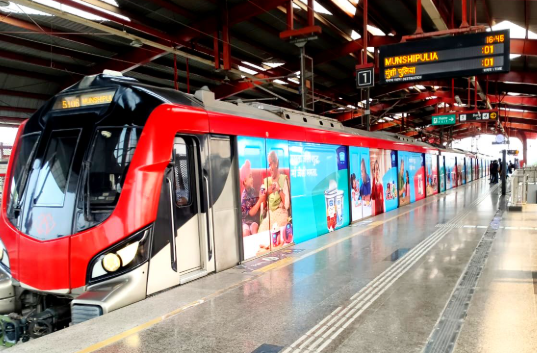
A metro train provides a large advertising surface, but the creative must communicate its message clearly. Commuters may see the train briefly, so a complicated design can reduce the effectiveness of the campaign.
Keep the Main Message Simple: Use a clear headline, recognisable brand identity, strong visuals, and a concise call to action. Avoid filling every available space with small text or too many promotional messages.
Maintain Consistent Branding: Colours, typography, logos, and visual elements should remain consistent across the approved advertising surfaces. A unified design makes the advertisement easier to recognise and remember.
Connect the Campaign with the Right Audience: A campaign aimed at working professionals may require a different creative approach from one targeting students, families, or retail shoppers. The message should reflect the needs and interests of the intended audience.
Choose the Campaign Duration Carefully: A longer campaign may provide more opportunities for repeated exposure, while a shorter campaign can be suitable for a launch, seasonal promotion, or time-sensitive offer. The right duration depends on the budget, route coverage, audience patterns, and campaign objectives.
Metro Wrap Advertising Costs in India

Metro wrap advertising costs vary according to the city, metro network, advertising format, number of trains, campaign duration, production requirements, installation arrangements, and available inventory.
A full-train wrap will generally have a different cost structure from partial train branding or station-based advertising. Additional charges may apply for artwork preparation, printing, installation, removal, and other campaign requirements.
Businesses should request a customised quotation that clearly separates media rental from production and execution costs. This helps advertisers compare proposals accurately and understand what is included in the campaign.
ACME Advertising Co. can help businesses assess their requirements and explore suitable advertising options based on availability, target audience, and budget.
Measuring the Return on Investment of Metro Wrap Advertising
Metro wrap advertising should be evaluated using campaign objectives rather than appearance alone. A visually impressive train may generate attention, but businesses also need a practical method to understand whether the campaign contributes to their marketing goals.
Advertisers can assess performance using several indicators:
Estimated audience exposure: Available ridership and media-owner data can help estimate the potential number of commuter contacts.
Brand recall: Customer surveys can help assess whether people remember the campaign or recognise the advertised brand.
Website traffic: Campaign-specific landing pages and tracking parameters can help identify visits associated with digital responses.
Lead generation: Dedicated enquiry forms, campaign phone numbers, or trackable QR codes can help monitor enquiries where practical.
Sales enquiries and conversions: Businesses can compare relevant leads and sales during the campaign with an appropriate baseline.
Cost per lead: Where reliable lead attribution is available, campaign expenditure can be compared with the number of qualified enquiries generated.
Metro advertising often supports awareness and consideration rather than immediate purchases alone. Therefore, advertisers should assess both direct responses and longer-term brand-building outcomes.
How to Calculate Metro Advertising ROI

Businesses can calculate campaign ROI using the following formula:
ROI (%) = [(Attributed Revenue − Campaign Cost) ÷ Campaign Cost] × 100
For example, suppose a company spends ₹5,00,000 on a metro wrap campaign and can reliably attribute ₹7,00,000 in revenue to that campaign. The resulting revenue-based ROI would be 40%.
This example is illustrative. It assumes that the revenue attribution is reliable and does not account for profit margins, other business costs, or the contribution of other marketing channels. For a more complete evaluation, advertisers should consider incremental profit, customer acquisition costs, and the longer-term value of customers acquired through the campaign.
Why Choose ACME Advertising Co. for Metro Wrap Advertising Company in India?
ACME Advertising Co. provides outdoor advertising and retail branding solutions for businesses seeking to strengthen their market presence across India. With more than 18 years of industry experience, the company understands the importance of combining campaign planning, creative presentation, production coordination, and execution.
Whether a business is preparing for a product launch, expanding into a new city, promoting a retail offering, or building brand awareness, the campaign should be planned around its specific audience and marketing objectives.
ACME Advertising Co. can help businesses evaluate suitable transit media opportunities and coordinate the required campaign activities according to the selected format and available inventory.
For Metro Wrap Advertising Company in India and other outdoor advertising requirements, contact ACME Advertising Co. at +91 8013-8013-59 or email info@acmeadvertiser.com.
What factors affect the cost of Metro Wrap Advertising Company in India?

The cost of Metro Wrap Advertising Company in India depends on the city, metro network, train size, number of coaches, branding coverage, campaign duration, and printing requirements. A full-train wrap generally involves a different budget from partial exterior branding or selected coach advertising.
Other factors include creative design, print material, installation, permissions, and the advertising inventory available through the relevant metro authority or authorised media partner. Since rates vary across cities and networks, businesses should request a quotation based on their specific campaign requirements.
ACME Advertising Co. helps businesses explore metro advertising options according to their marketing objectives, target audience, and budget. A planned media strategy can help brands choose suitable routes and campaign formats without spending on unnecessary coverage.
Why is metro train wrapping effective for brand promotion?
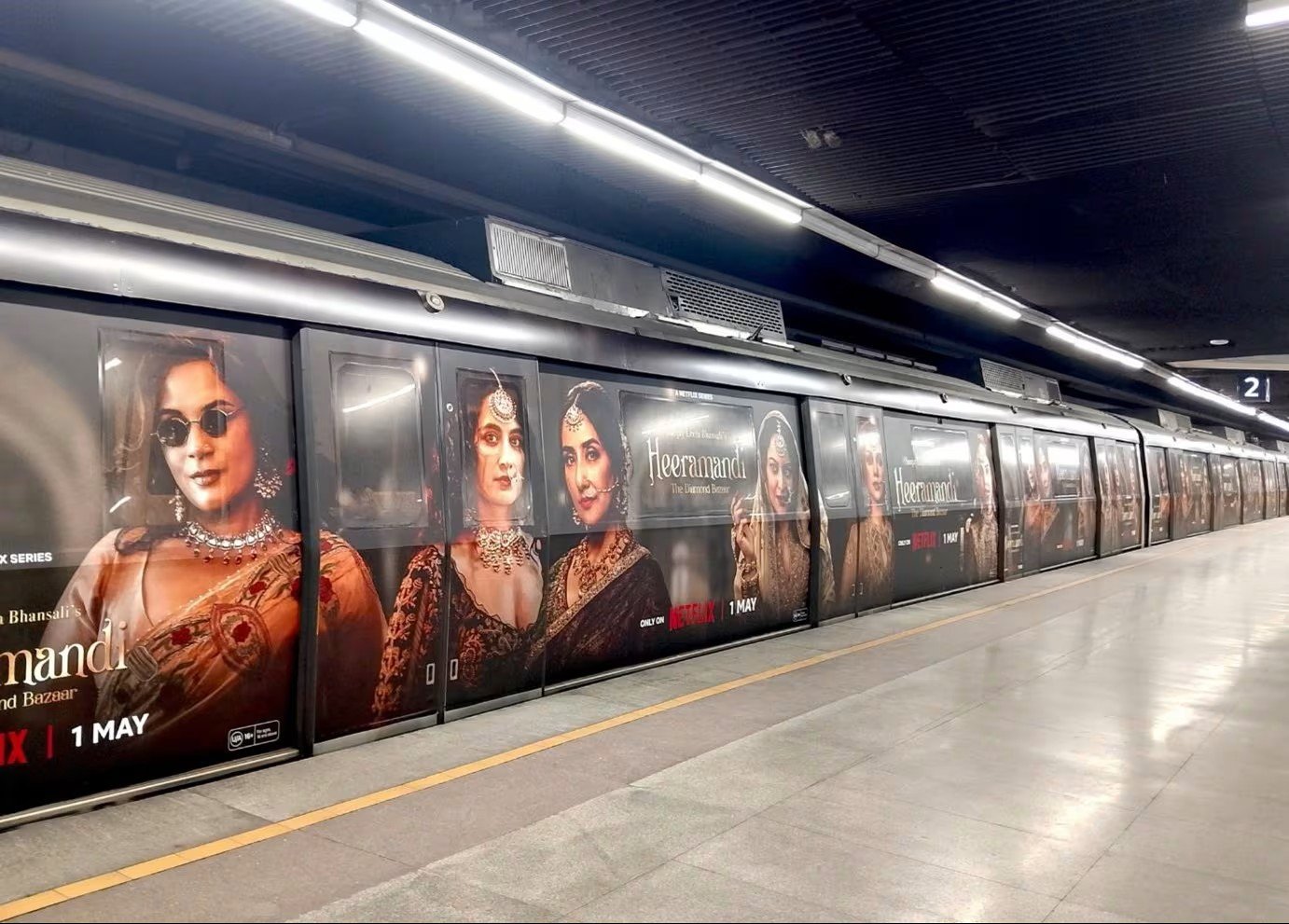
Metro train wrapping turns a train into a moving advertising display that can travel through commercial districts, residential areas, educational hubs, and business centres along its operating route. Unlike a fixed outdoor advertisement, a train wrap can create repeated brand exposure as the train moves between stations throughout the day.
Metro advertising can be particularly useful for brands seeking visibility among working professionals, students, shoppers, families, and regular commuters. Large, well-designed graphics can communicate a brand name, product launch, promotional message, or campaign theme in a visually distinctive way.
For stronger results, businesses should select routes that align with their target markets and use clear creative designs that are easy to recognise at a glance. Metro wrapping can also complement billboards, digital advertising, retail branding, and other outdoor media as part of a coordinated campaign.
Which cities and businesses can benefit from metro wrap advertising in India?

Metro wrap advertising may be suitable for businesses targeting urban audiences in cities with operational metro networks, including Delhi NCR, Mumbai, Bengaluru, Hyderabad, Chennai, Kolkata, and other eligible locations. The available routes, train formats, and advertising permissions depend on each city’s metro operator and current media arrangements.
Real estate developers, automobile companies, FMCG brands, educational institutions, technology businesses, retail chains, financial service providers, and e-commerce companies can consider this medium. Local businesses may focus on relevant routes, while national brands can explore campaigns across multiple cities, subject to availability and budget.
Choosing the right city and route is essential to campaign planning. ACME Advertising Co. can help businesses evaluate their intended audience, geographic coverage, and advertising objectives before identifying suitable metro branding opportunities across India.
What types of metro wrap and branding options are available?
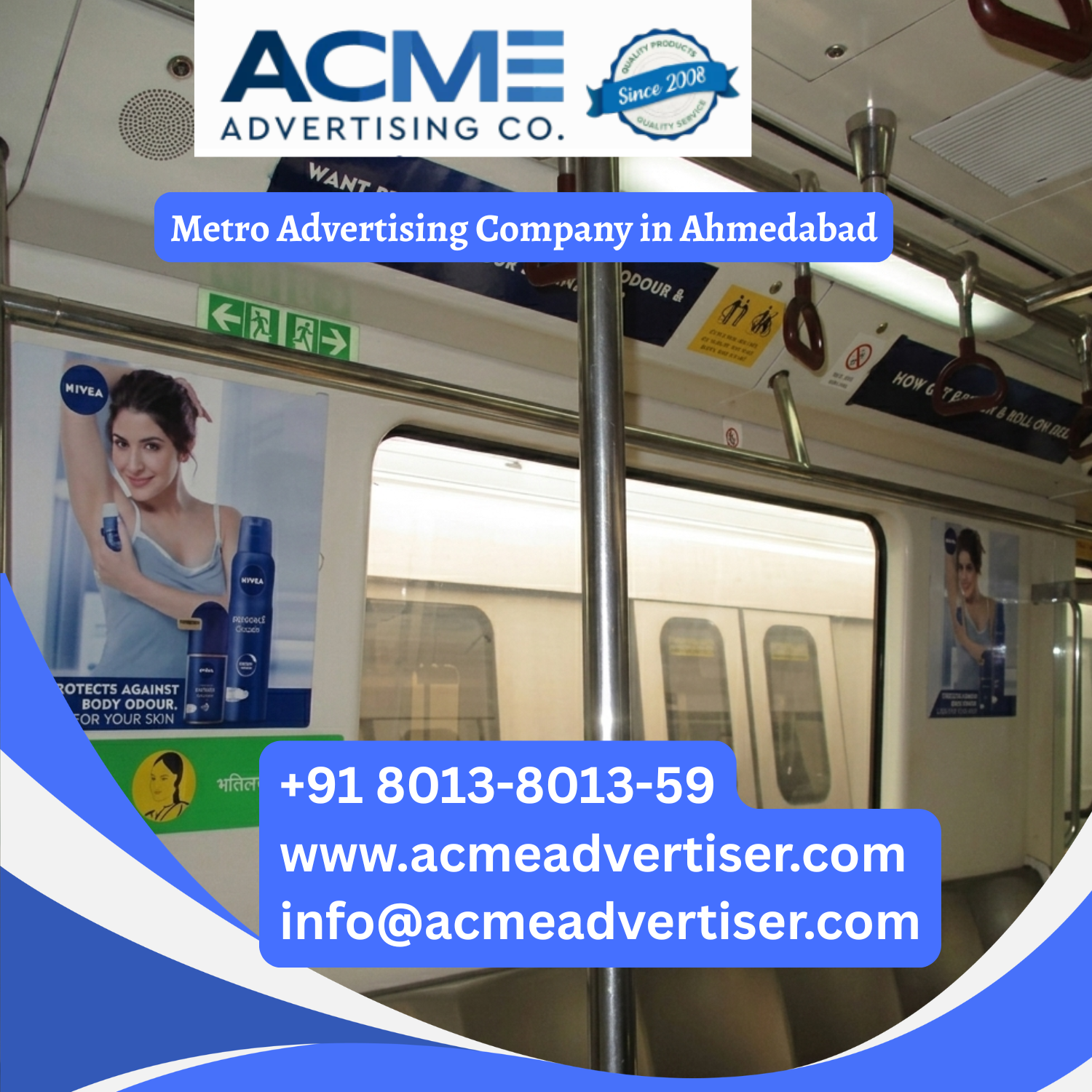
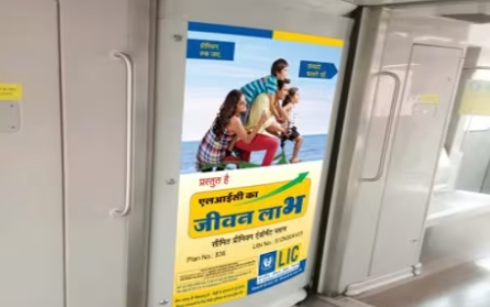
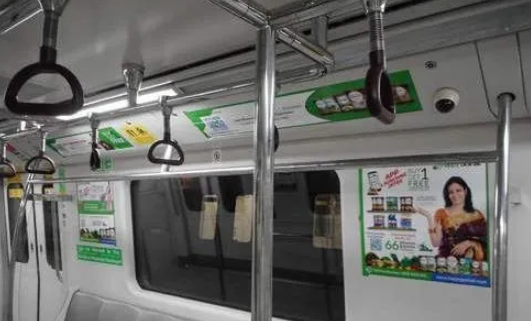
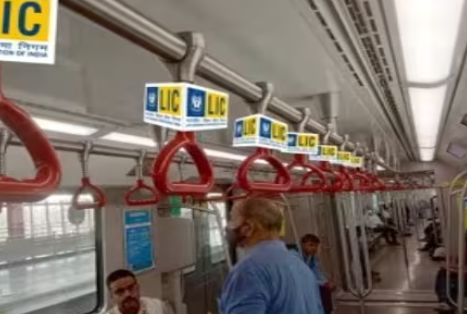
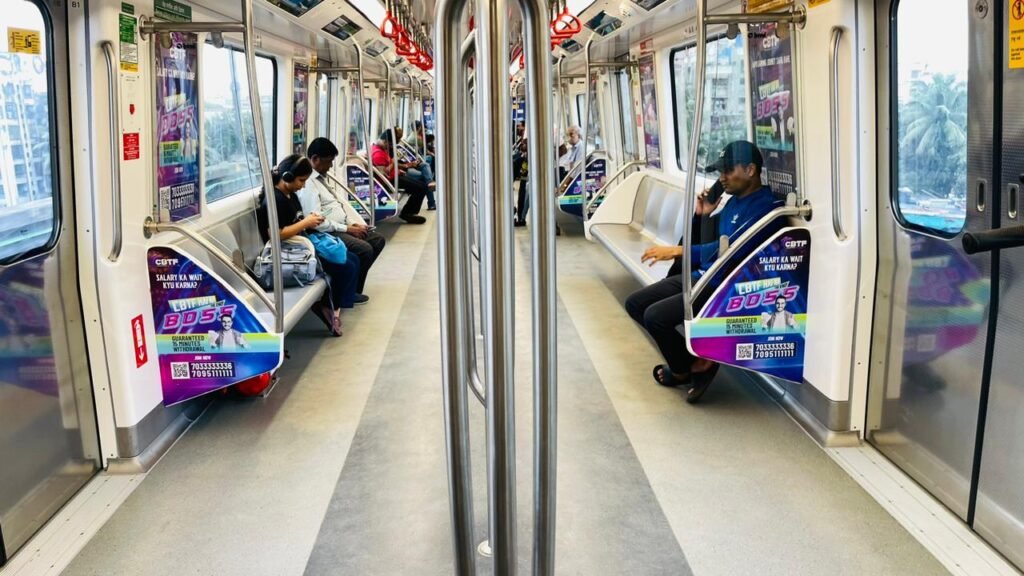
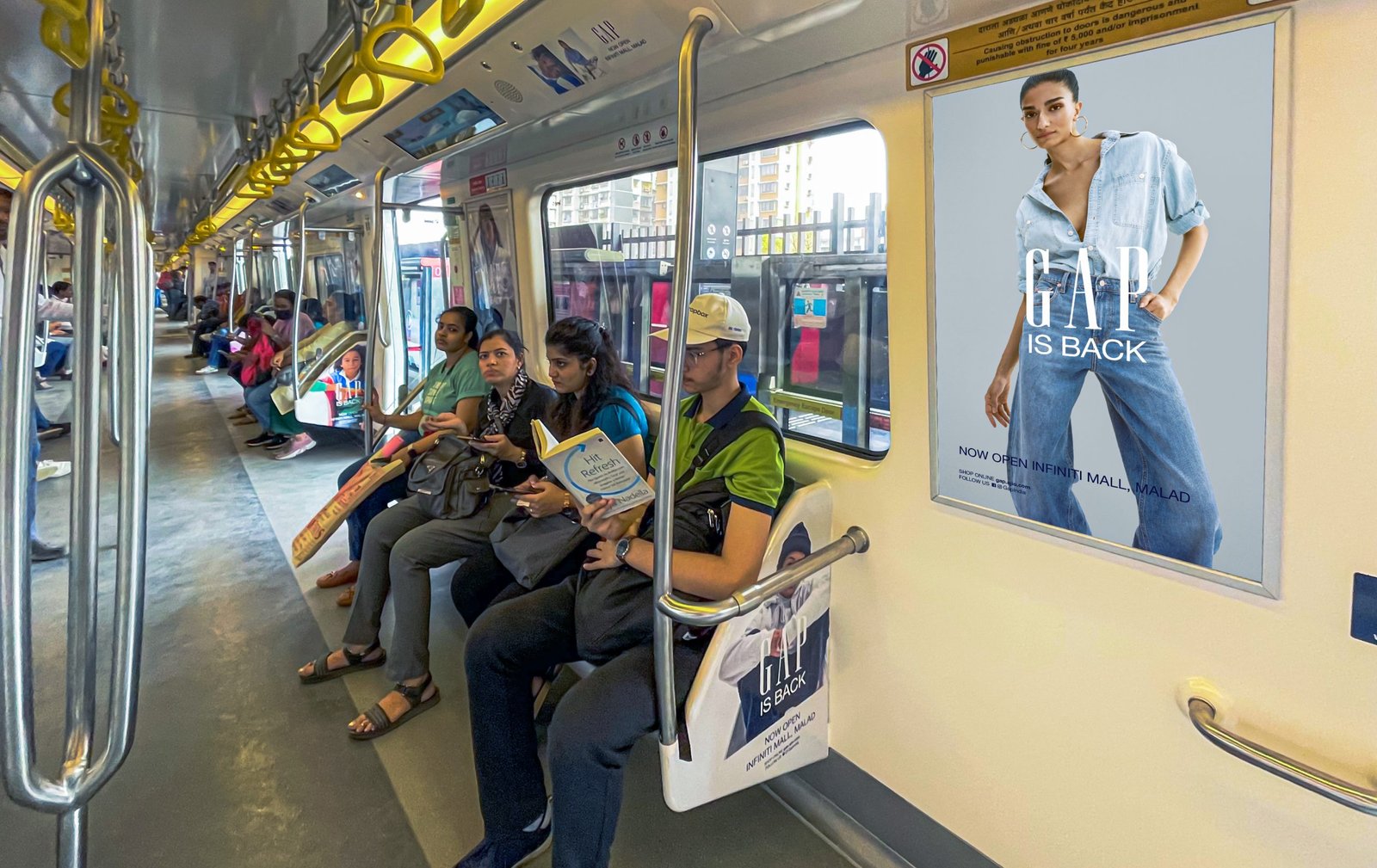
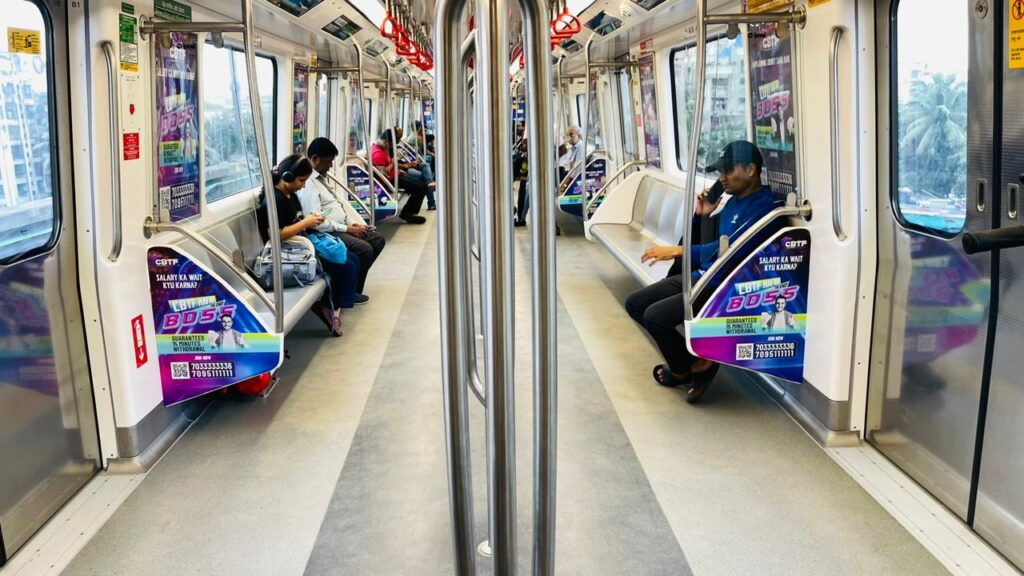
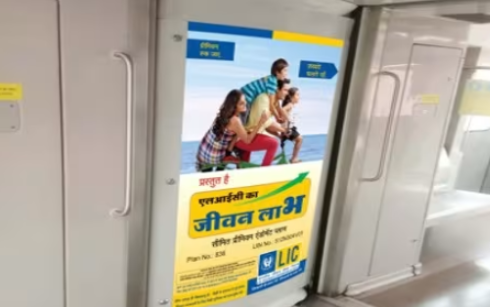
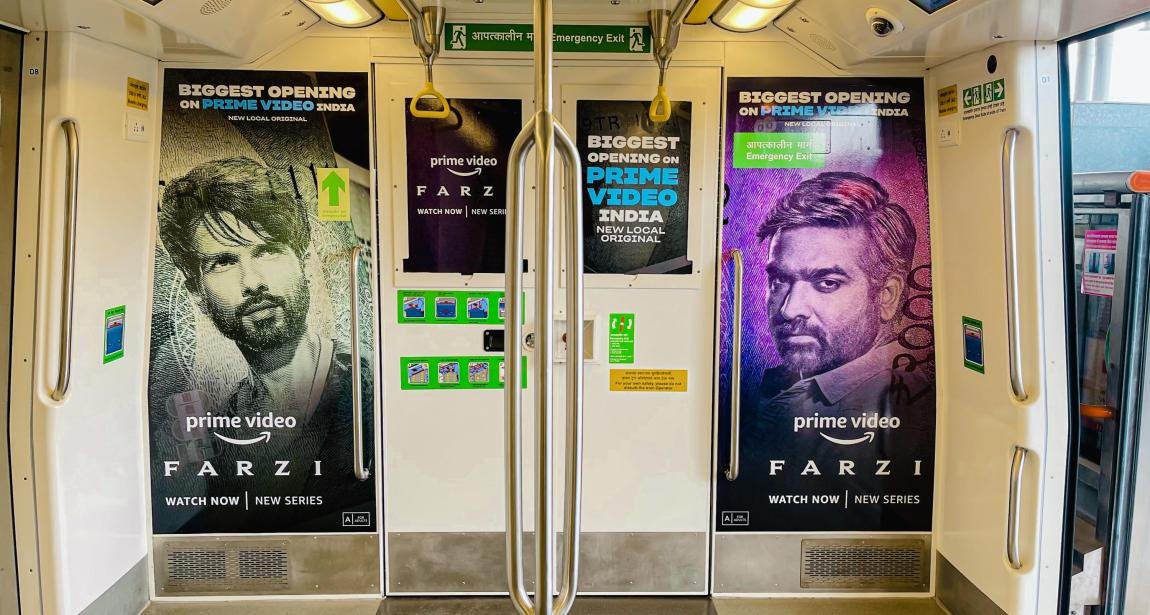
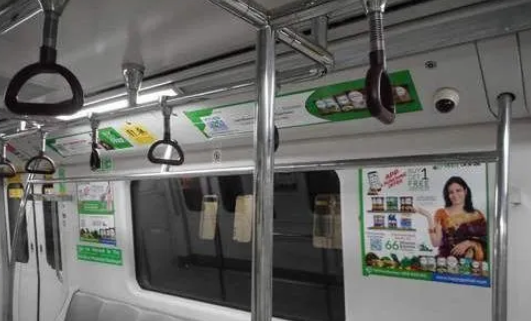
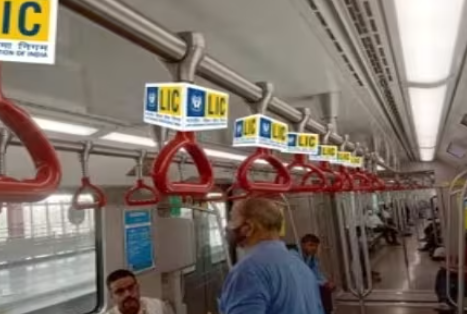
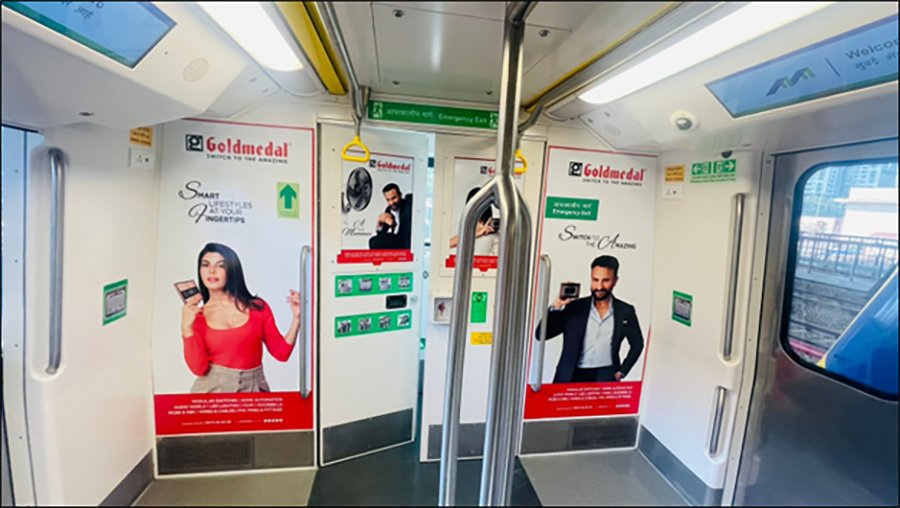
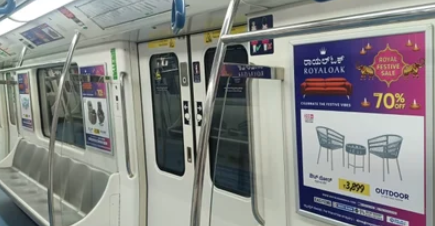
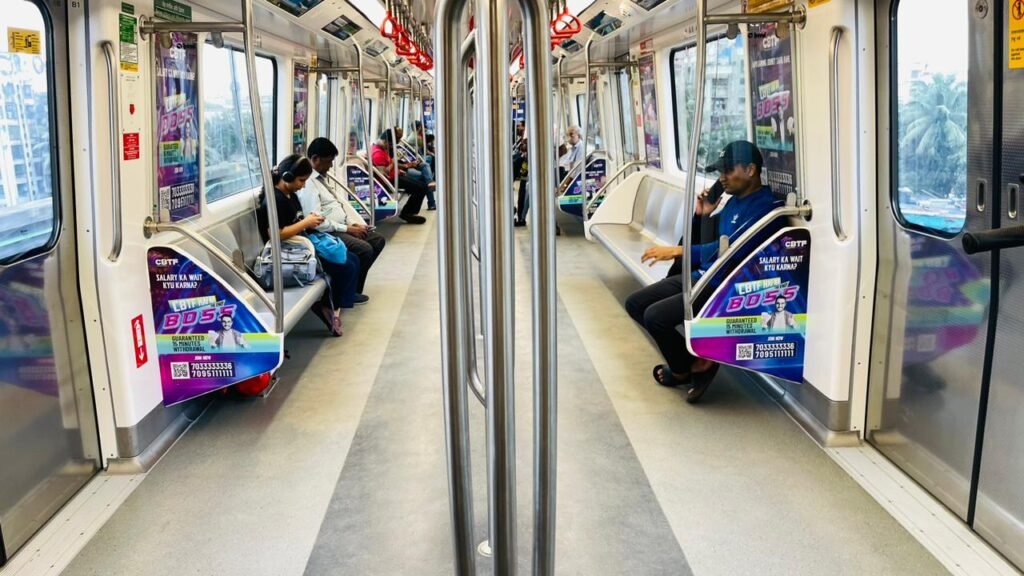
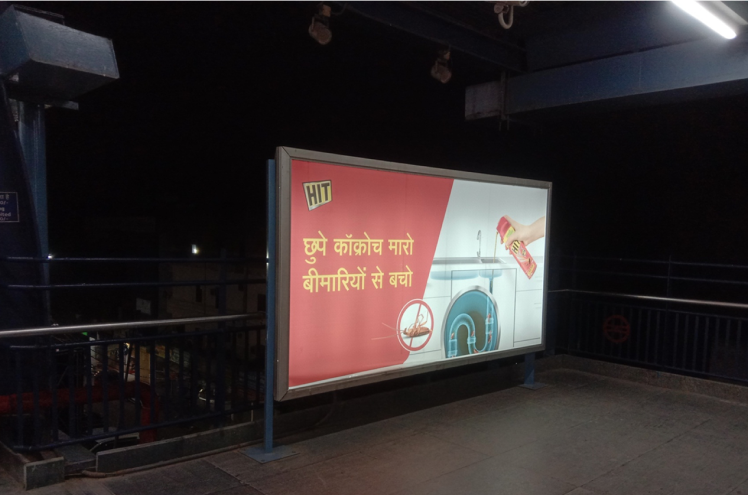
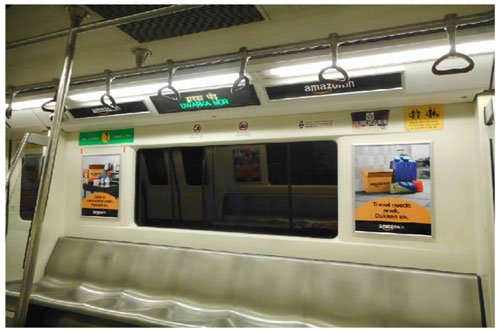
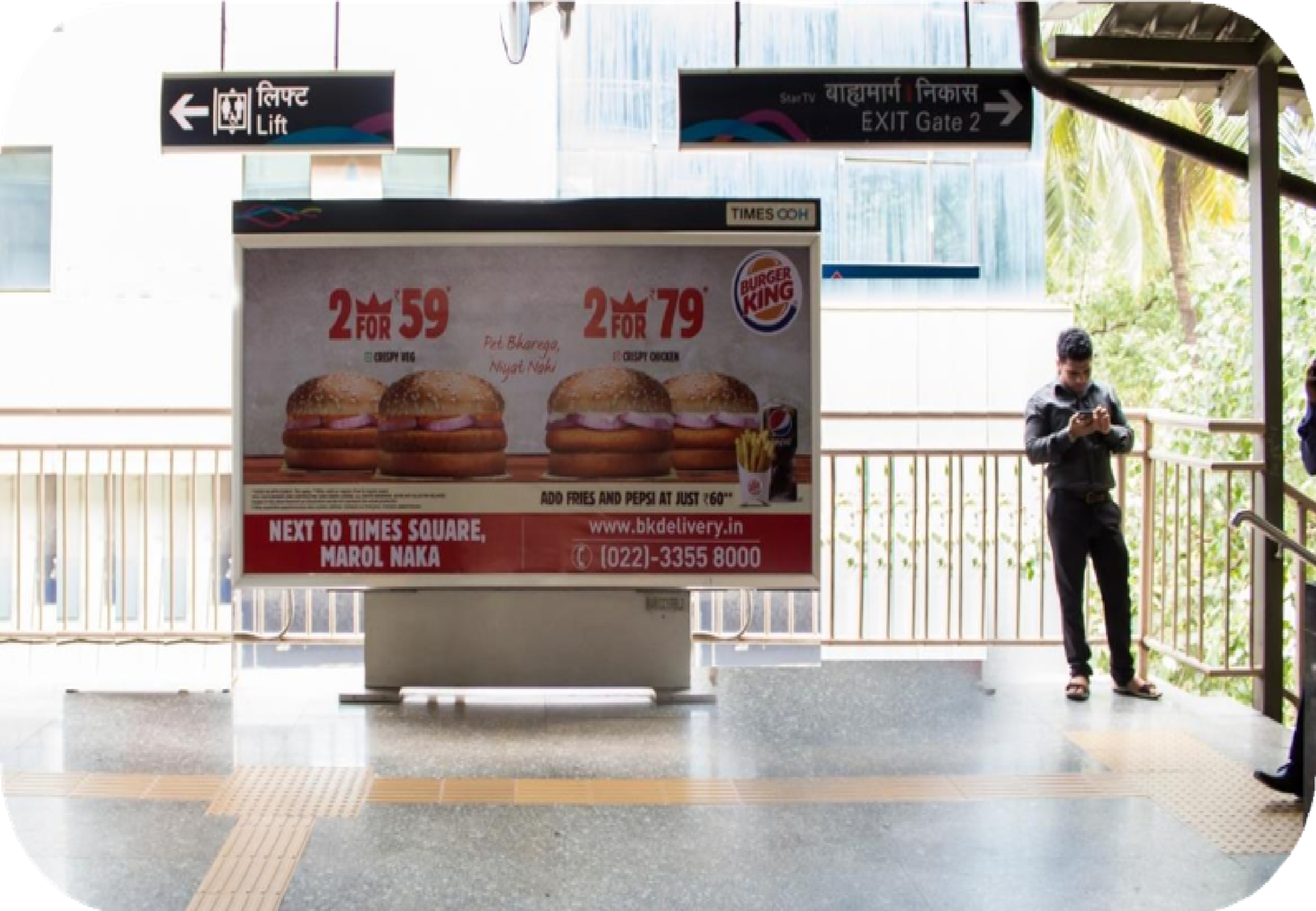
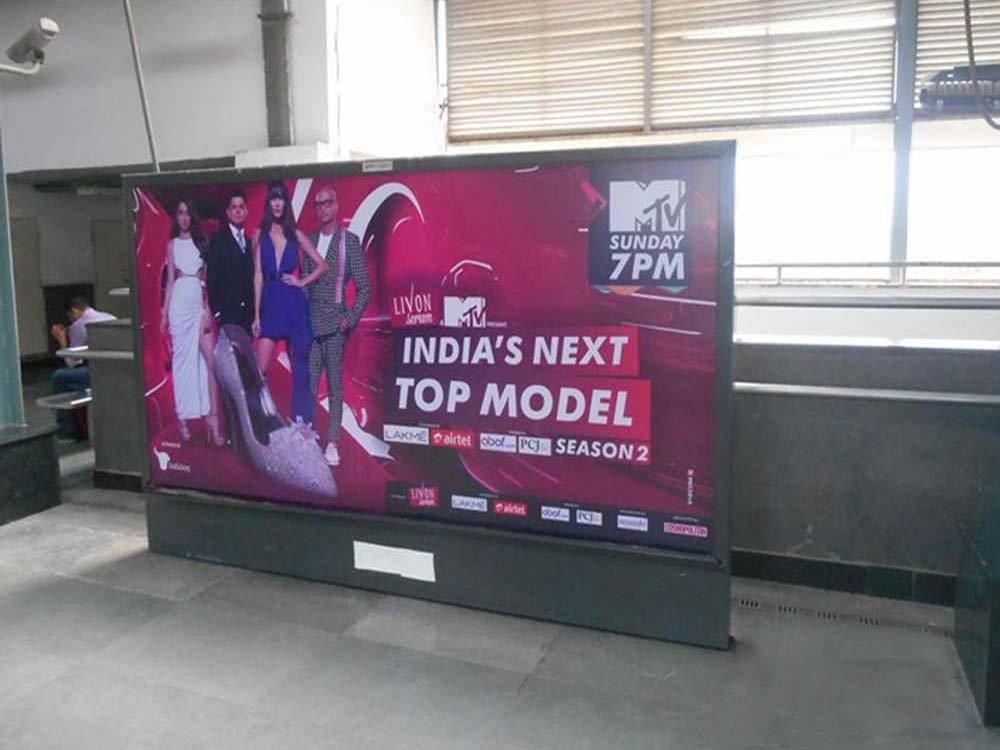
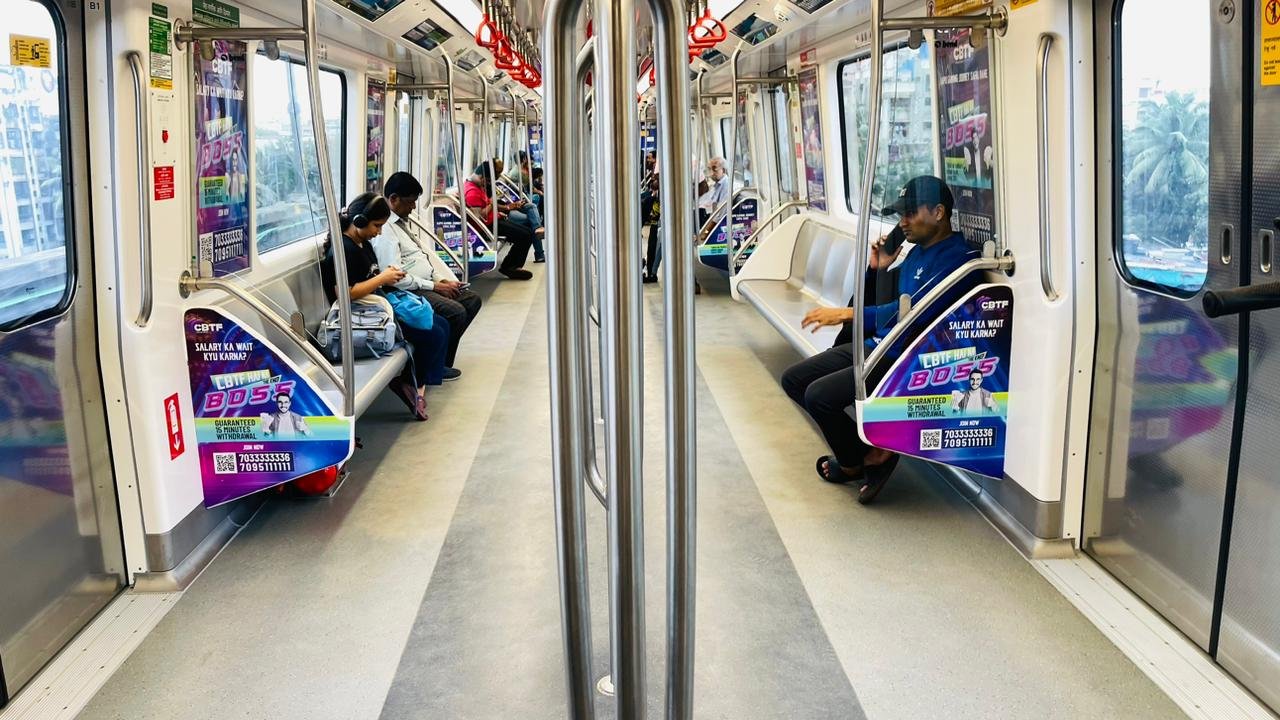
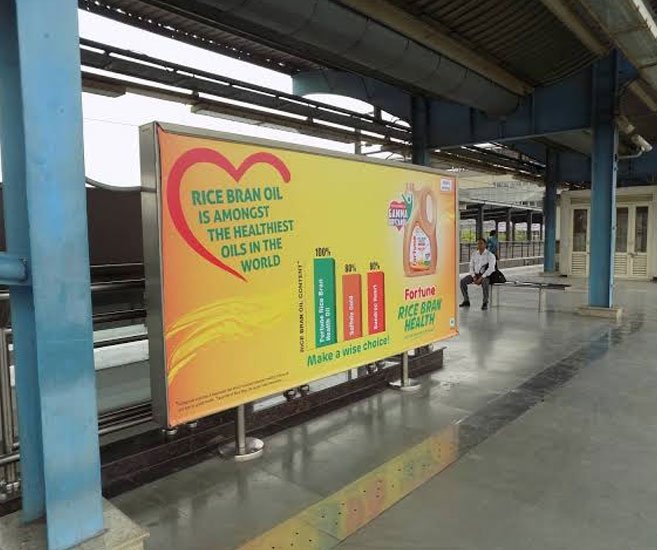
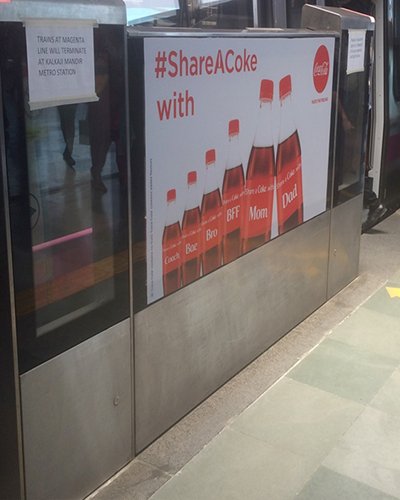
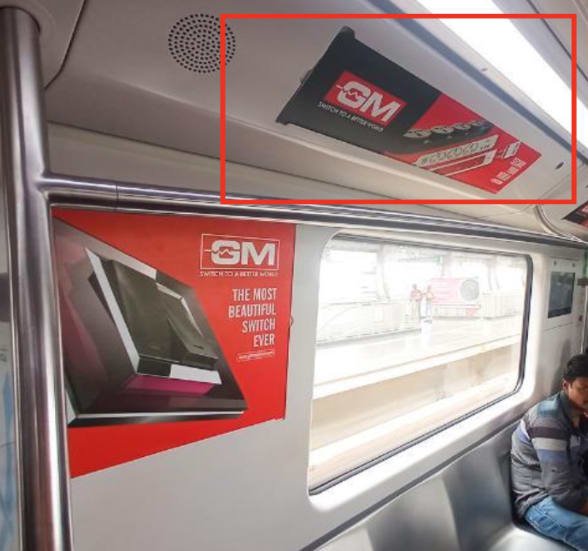
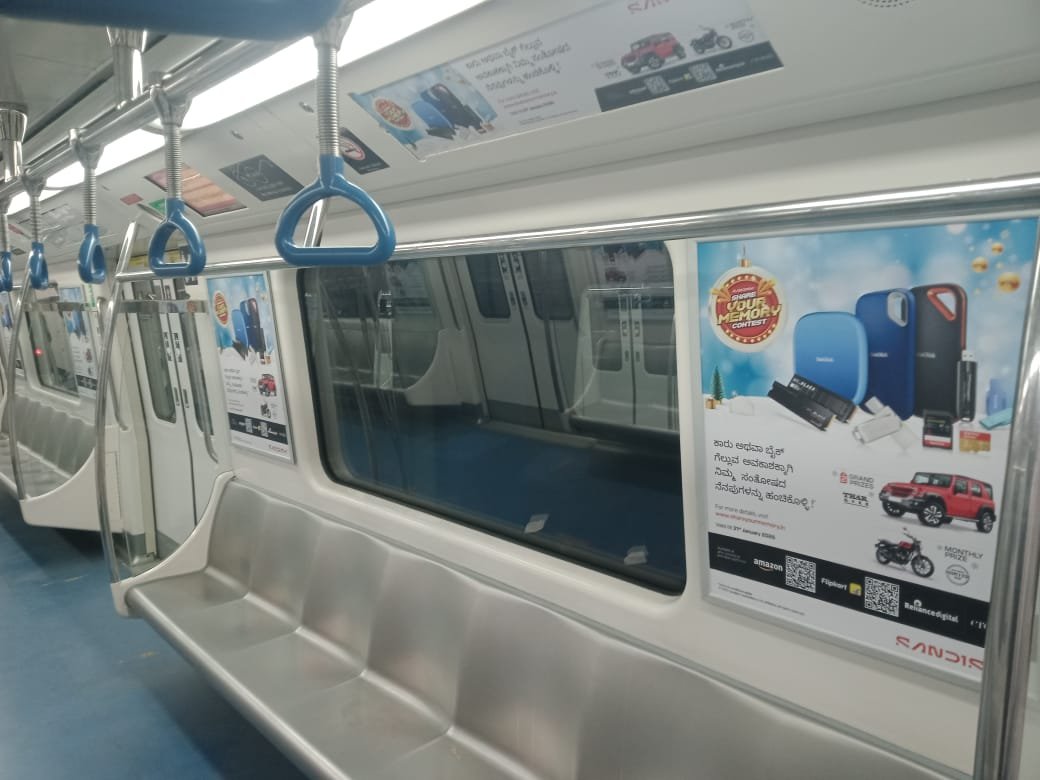
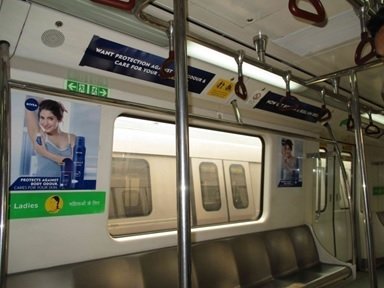
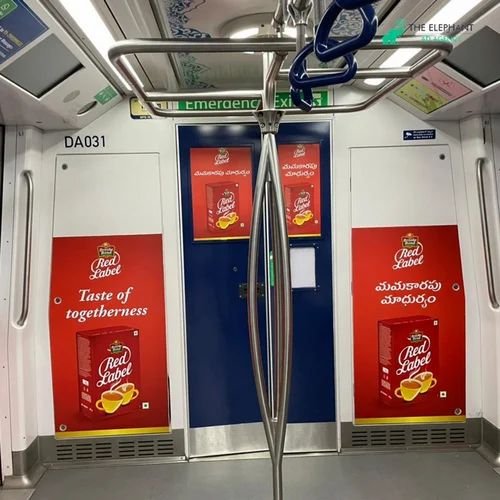
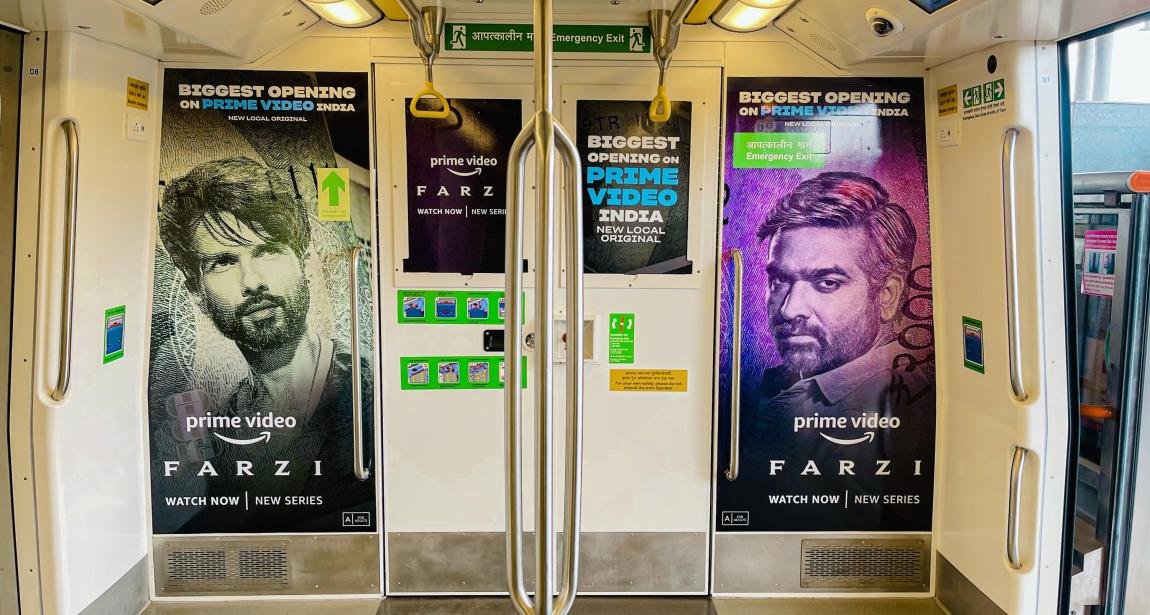
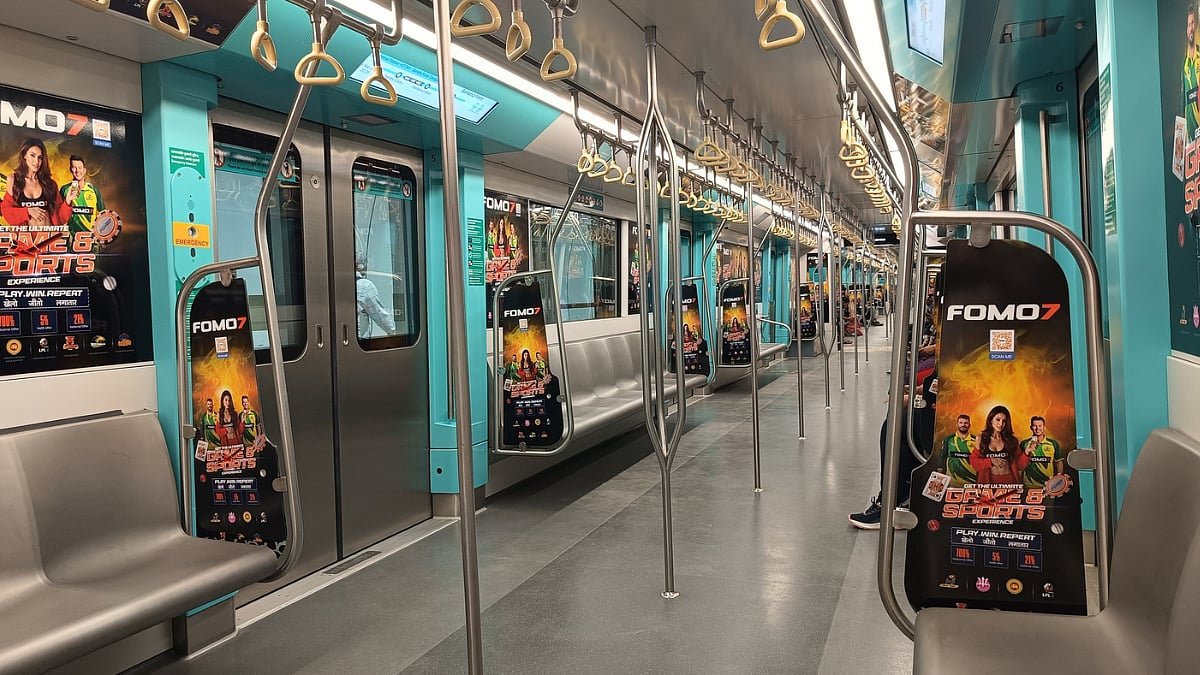
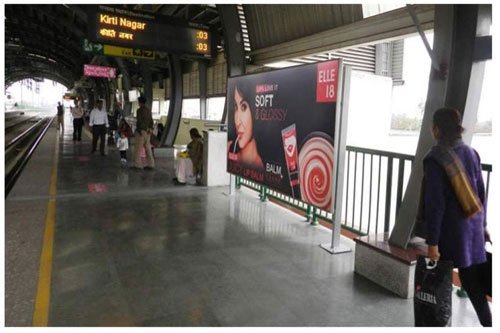
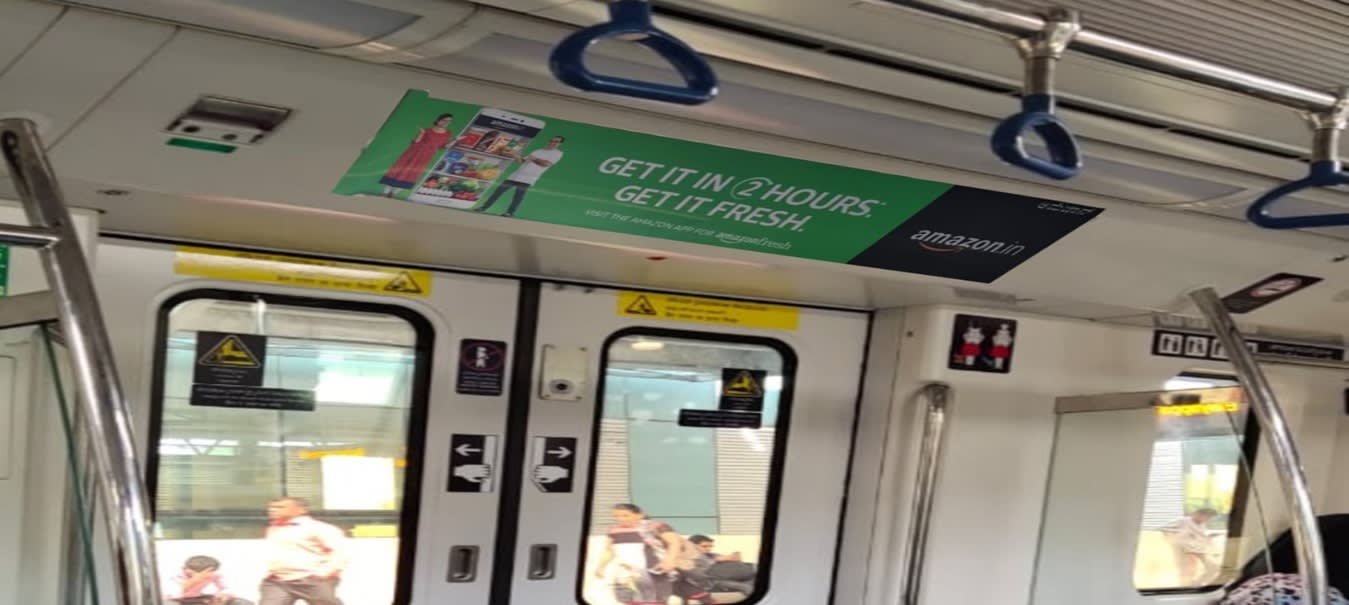
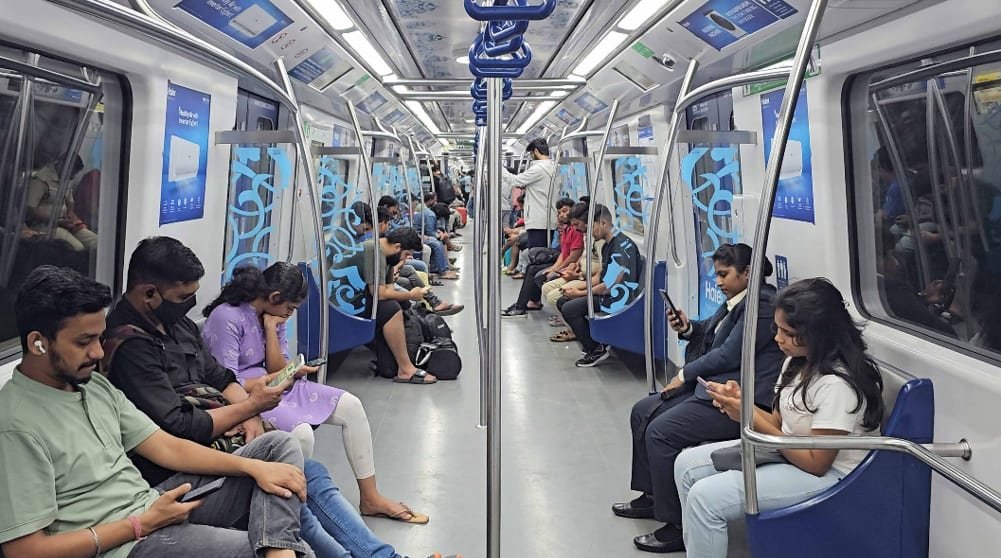
Metro advertising options may include full exterior train wraps, partial train wraps, selected coach branding, interior panels, door stickers, and other approved advertising surfaces. Some metro networks also offer station-based formats such as pillar branding, entry and exit panels, escalator displays, and digital screens.
A full exterior wrap creates a larger visual presence, while partial wrapping can be considered when the campaign requires a more focused design or a different budget. Interior and station advertising can complement train branding by reaching passengers while they travel, wait, or move through the station.
The final format depends on the metro network’s advertising guidelines, available inventory, artwork specifications, and approval process. Advertisers should confirm the permitted coverage, campaign duration, production requirements, and installation schedule before finalising their plans.


How can I book Metro Wrap Services through ACME Advertising Co.?
Businesses interested in Metro Wrap Advertising Company in India can begin by sharing their preferred city, target audience, campaign objective, estimated budget, and desired advertising duration with ACME Advertising Co. These details help the team understand the campaign requirements and explore suitable metro advertising opportunities.
Before confirming a campaign, it is important to review the available routes, train configurations, advertising rates, printing and installation costs, permission requirements, and campaign schedule. Availability and final pricing should be confirmed for the selected metro network before booking.
For assistance with metro train wrapping and other outdoor, transit, and retail branding services across India, contact ACME Advertising Co. at +91 8013-8013-59 or info@acmeadvertiser.com. The team can help you explore a campaign plan tailored to your brand, target market, and promotional goals.
Frequently Asked Questions
1. How does metro wrap advertising help businesses improve brand visibility?
Metro wrap advertising places a brand’s message on authorised train advertising surfaces, allowing it to be seen by commuters and people around stations along the operating route. Repeated exposure can support brand recognition, especially when the design is clear and the campaign reaches the intended audience.
2. What is the cost of metro wrap advertising in India?
The cost depends on the metro network, advertising format, number of trains, campaign duration, production, installation, and media availability. Businesses should obtain a customised quotation based on their requirements rather than relying on a single standard rate.
3. How can businesses measure the ROI of metro wrap campaigns?
Businesses can measure performance through trackable enquiries, campaign-specific landing pages, customer surveys, attributed sales, and lead generation data. Comparing campaign costs with reliably attributed revenue or incremental profit provides a more meaningful assessment of financial returns.
4. Is metro wrap advertising suitable for small and medium-sized businesses?
It can be suitable for small and medium-sized businesses when the available inventory, campaign scale, and budget match their marketing objectives. Businesses with limited budgets can also compare partial train branding, station advertising, and other transit media options before committing to a larger campaign.
5. Which Indian cities are suitable for metro wrap advertising?
Delhi–NCR, Mumbai, Bengaluru, Hyderabad, Chennai, Kolkata, and other cities with metro networks may offer relevant opportunities. The best choice depends on the target audience, operating routes, campaign objectives, and availability of authorised train advertising inventory.
6. How long should a metro wrap campaign run to generate meaningful results?
The ideal duration depends on the campaign objective, audience exposure, budget, and promotional schedule. A short campaign may support a specific launch, while a longer campaign may provide more opportunities for repeated brand exposure. Advertisers should agree on the duration after reviewing available media packages and their measurement plan.
7. Can metro wrap advertising support a new product launch?
Yes. Metro wraps can help introduce a new product to urban audiences through large-format visuals and repeated exposure along relevant routes. Pairing the campaign with a dedicated landing page, retail promotion, or trackable enquiry mechanism can make its contribution easier to evaluate.
8. How can ACME Advertising Co. help with metro wrap campaigns?
ACME Advertising Co. can assist with campaign planning, creative requirements, production coordination, and execution arrangements based on the selected city, advertising format, and available inventory. Contact the team to discuss your target audience, preferred locations, campaign duration, and budget.
Website: www.acmeadvertiser.com
LinkedIn: Acme Advertising Co