Metro Inside Strip Advertising in Taj Mahal Metro Station, UP
Metro advertising in Taj Mahal, Agra presents a rare blend of high tourist visibility and consistent local commuter engagement. Positioned near one of India’s most visited landmarks, the station creates a powerful setting for brands aiming to build recall across both domestic and international audiences. A metro advertising agency can leverage this dynamic environment to deliver messaging that stays visible throughout the commuter journey. The combination of cultural significance and daily transit movement makes this location uniquely impactful for metro branding.
Taj Mahal Metro Advertising Companies Deliver Strong Visibility
Taj Mahal station enables metro advertising companies to create campaigns that benefit from both volume and diversity of audience. Unlike purely residential stations, this location attracts tourists, local businesses, and service-driven commuters.
This mix allows brands to achieve broader recall while maintaining strong engagement across different audience segments.
Audience Footfall & Reach Potential
Daily Footfall: 1 lakh Per Day
The station experiences heavy footfall driven by tourism and daily transit usage. This creates a continuous flow of new and repeat viewers interacting with advertising formats.
The repetition of exposure across such a large audience base strengthens visibility, ensuring that campaigns remain memorable within the transit media ecosystem.


Taj Mahal Metro Advertising Agency for Strategic Placement
Metro advertising agencies identify high-impact zones such as entry gates, ticketing areas, and platform waiting zones. These are natural pause points where commuters are more receptive to messaging.
Strategic placement in these areas ensures higher engagement without interrupting commuter movement.
Neighbourhood Coverage
Fatehabad Road brings in hotel traffic and hospitality audiences, making it ideal for premium and travel-related brand messaging. Taj Ganj contributes a dense mix of local businesses and tourist activity, enhancing campaign relevance. Sadar Bazaar connects retail shoppers and commercial visitors, offering strong repeat visibility. Rakabganj introduces residential audiences with consistent daily movement, improving recall frequency. Dayal Bagh adds an educational and institutional audience base, supporting informative and service-driven campaigns. Shahganj strengthens connectivity with local markets and transit users, expanding reach across varied demographics.
Metro Advertising Panels & Sizes
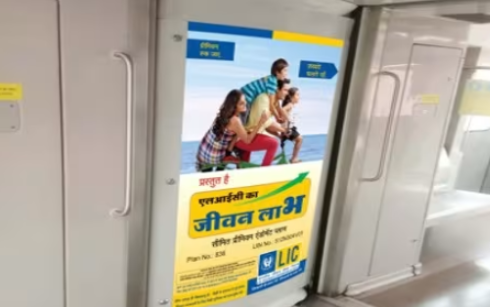
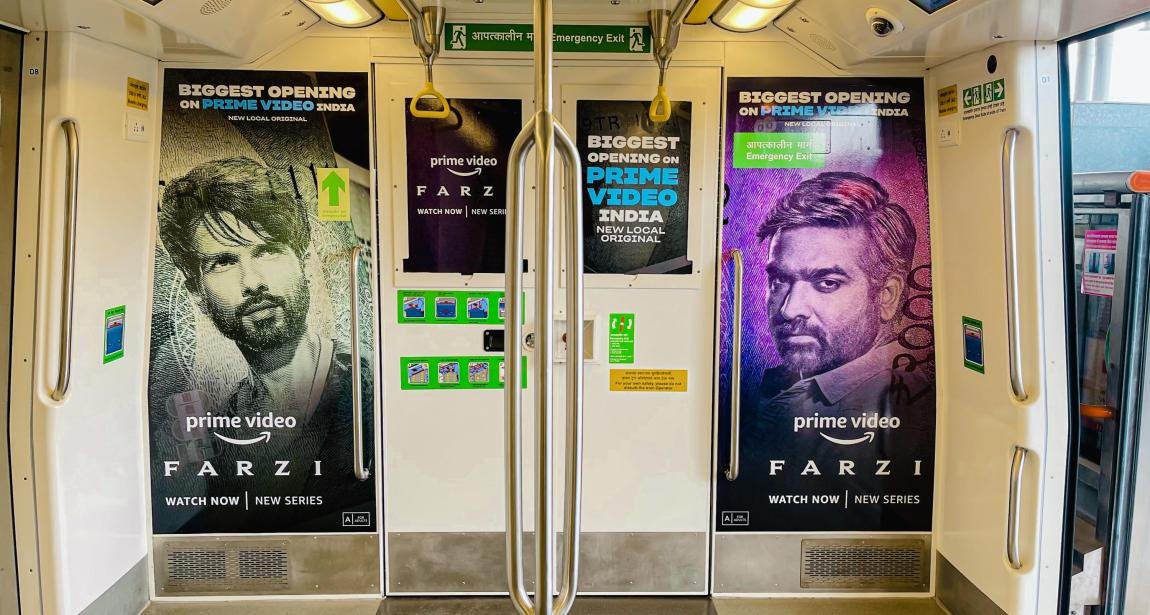
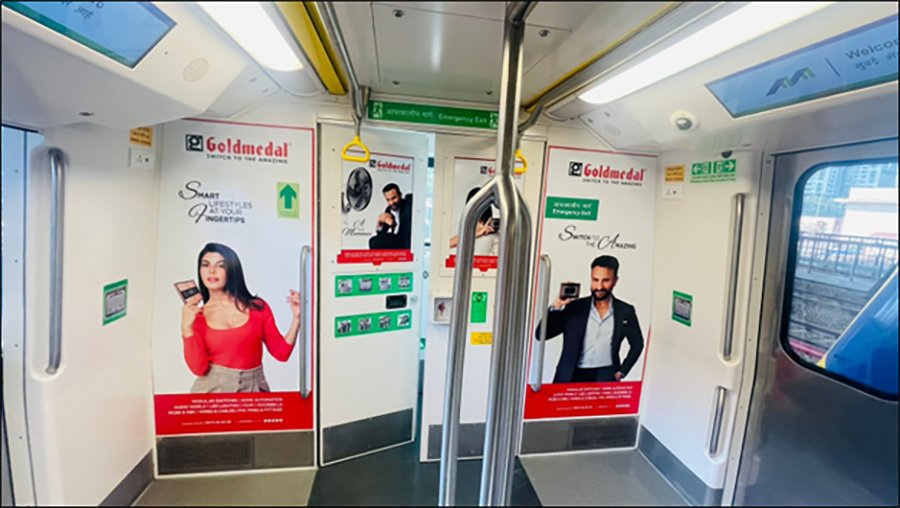
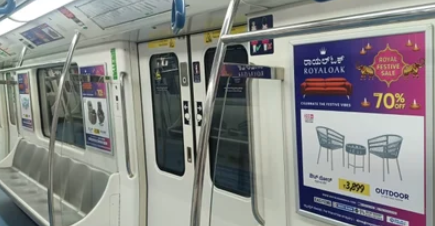
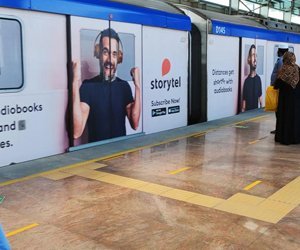
Inside Panels (24” x 6” approx, full coach) Train Wrap (200–240 sq.m full, 80–120 partial) Platform Panels (6×4 ft, 12×4 ft) Concourse Ads (20×10 ft, 10×4 ft) Entry/Exit Branding (3×6 ft) Digital DOOH (32”–75”+)
Metro Advertising Pricing & Entry Investment
Starting Price: 985000
Taj Mahal station reflects a premium advertising environment due to its strategic location and high audience turnover. The entry investment aligns with the scale of visibility and brand exposure available.
From a planning perspective, this allows brands to design campaigns that balance budget with high-frequency impressions and diverse audience reach.
Taj Mahal Metro Advertising Agency Services for Targeted Reach
Metro advertising agencies create integrated campaigns combining multiple formats such as concourse panels, digital screens, and metro wrap advertising. This ensures consistent visibility across different commuter touchpoints.
The goal is to create a unified brand presence that follows the commuter journey from entry to exit.
Taj Mahal Metro Advertising Companies Driving Urban Visibility
Metro advertising companies utilize the station’s strategic importance to deliver campaigns that resonate with both local and visiting audiences. This dual exposure strengthens brand positioning within Agra’s urban and tourism ecosystem.
The ability to reach varied audience segments in one location adds depth and effectiveness to metro branding strategies.
Metro Advertising Format Selection Strategy
Choosing the right format depends on how commuters interact with the station environment. Inside panels provide longer viewing durations during travel, while platform panels capture attention during waiting periods.
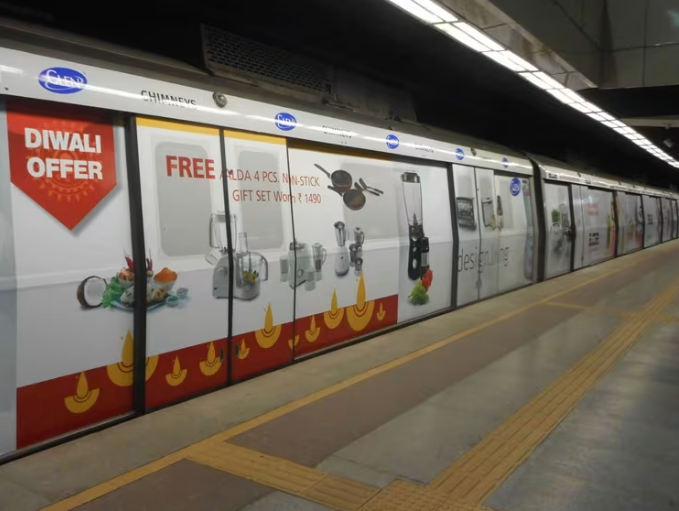
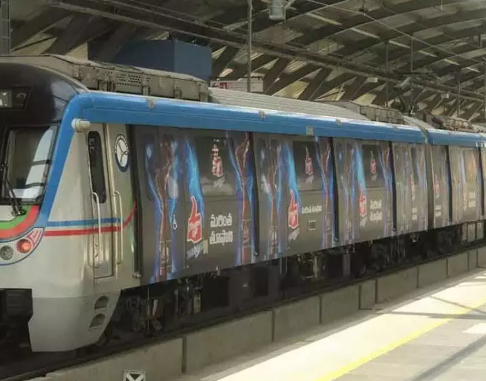
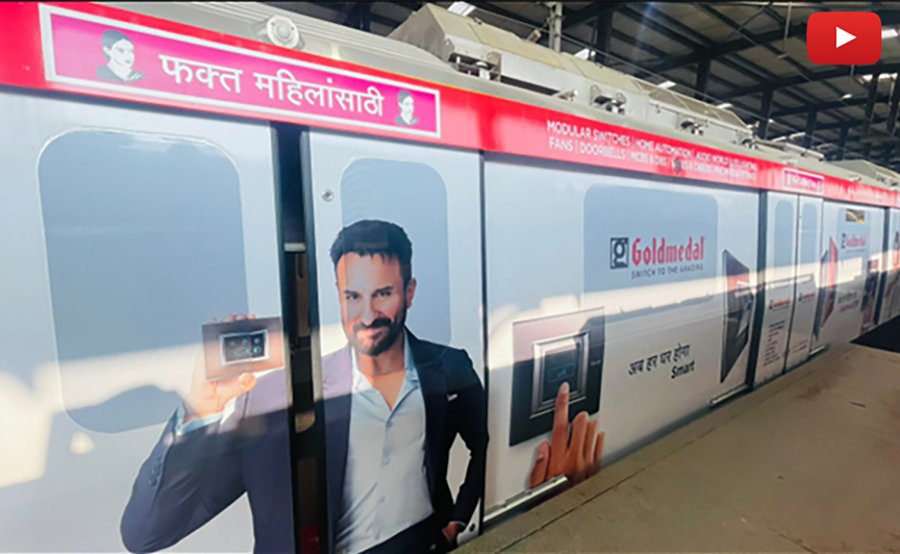
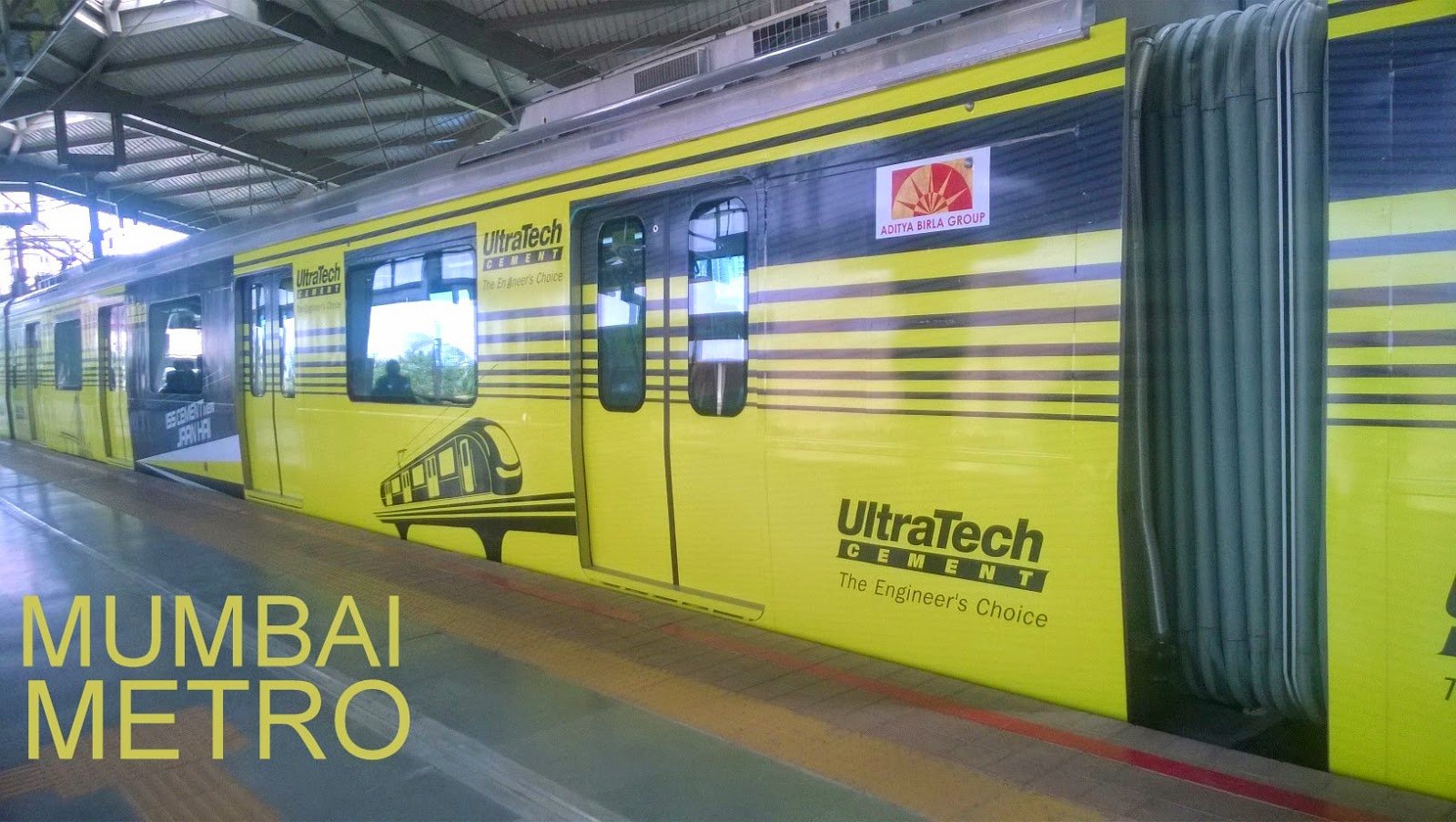
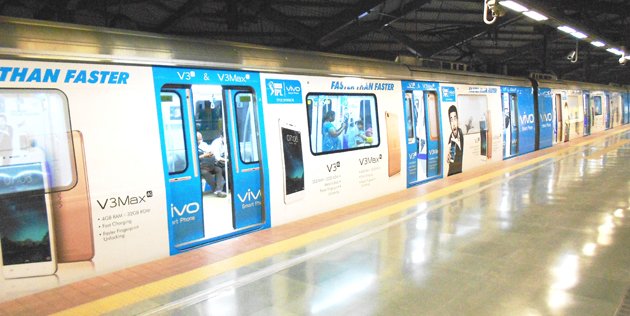
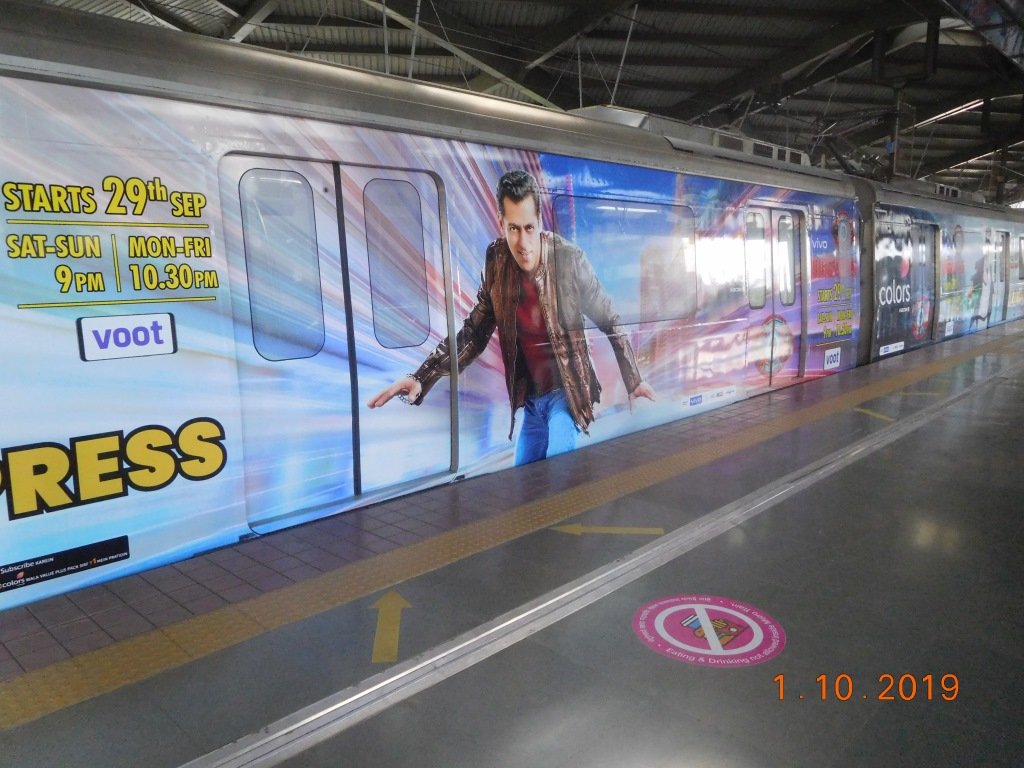
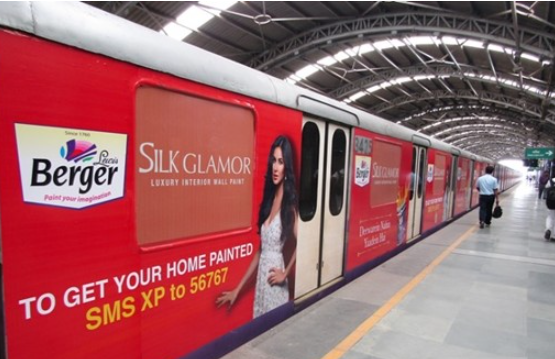
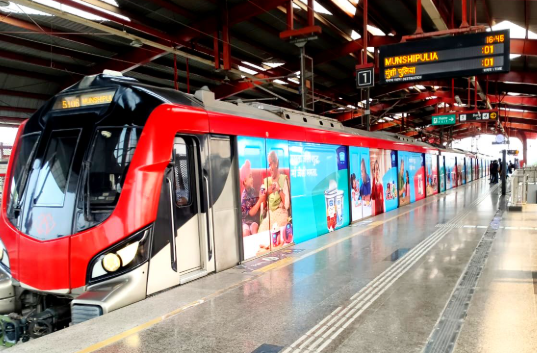
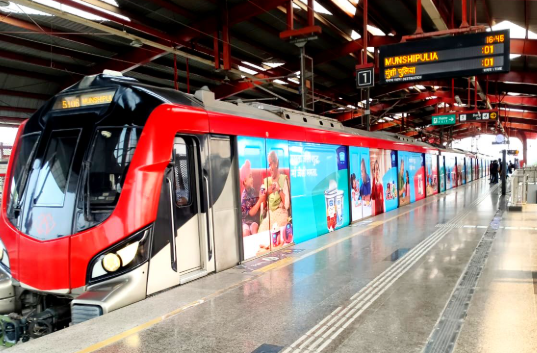
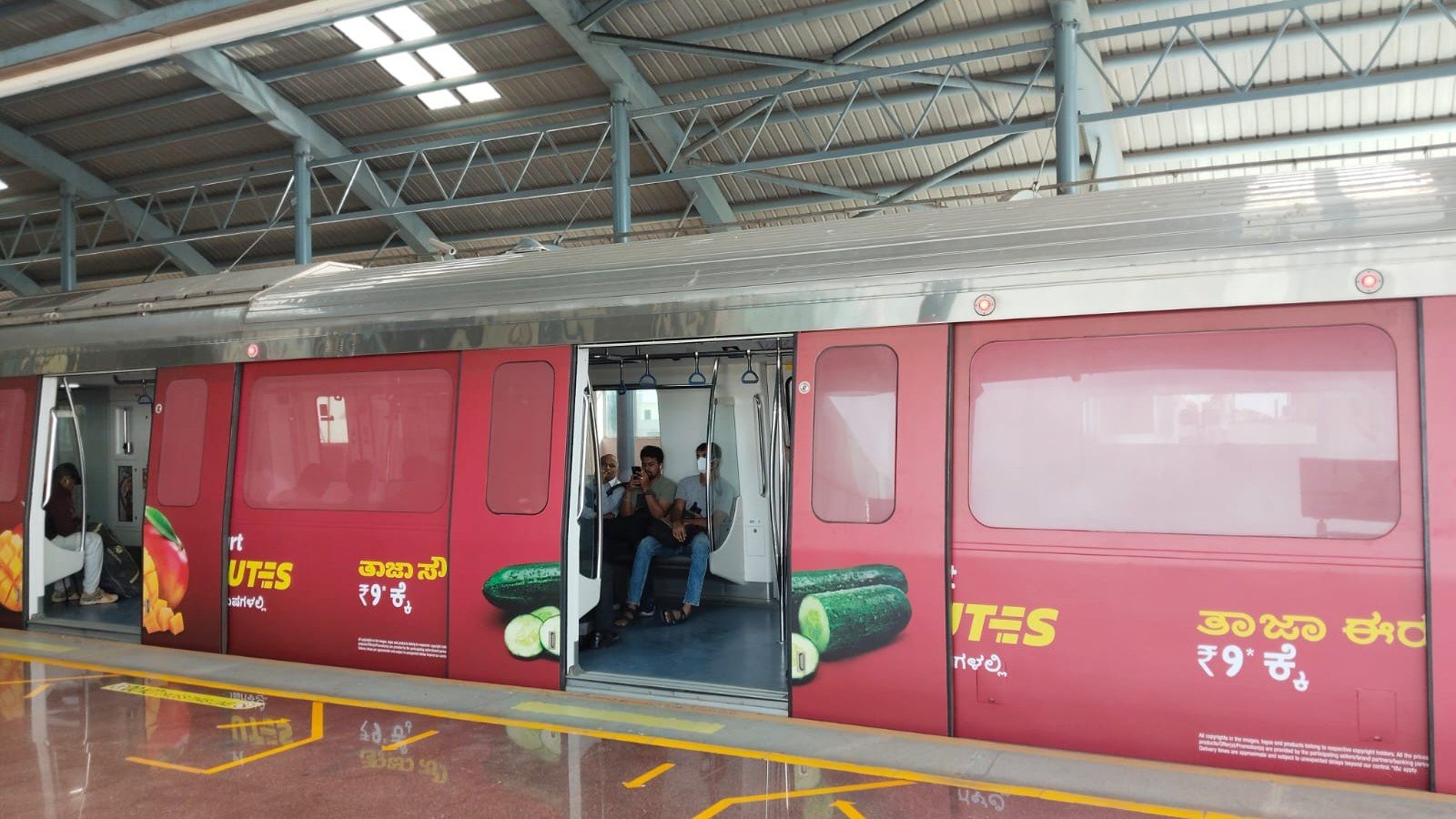
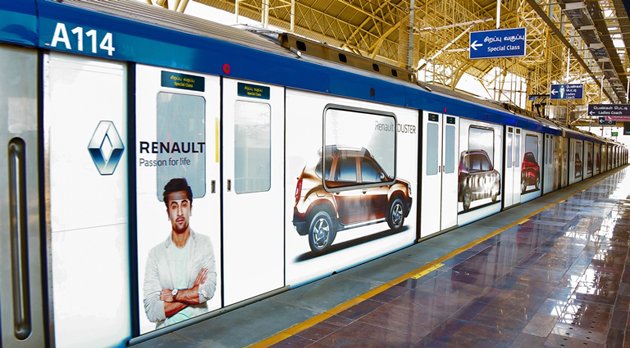
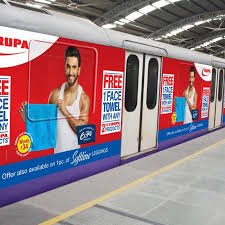
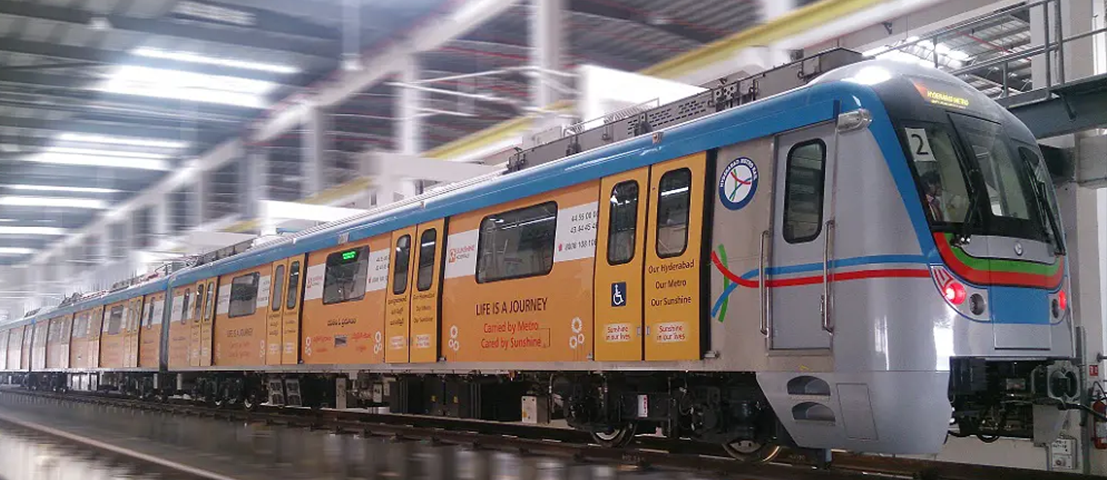
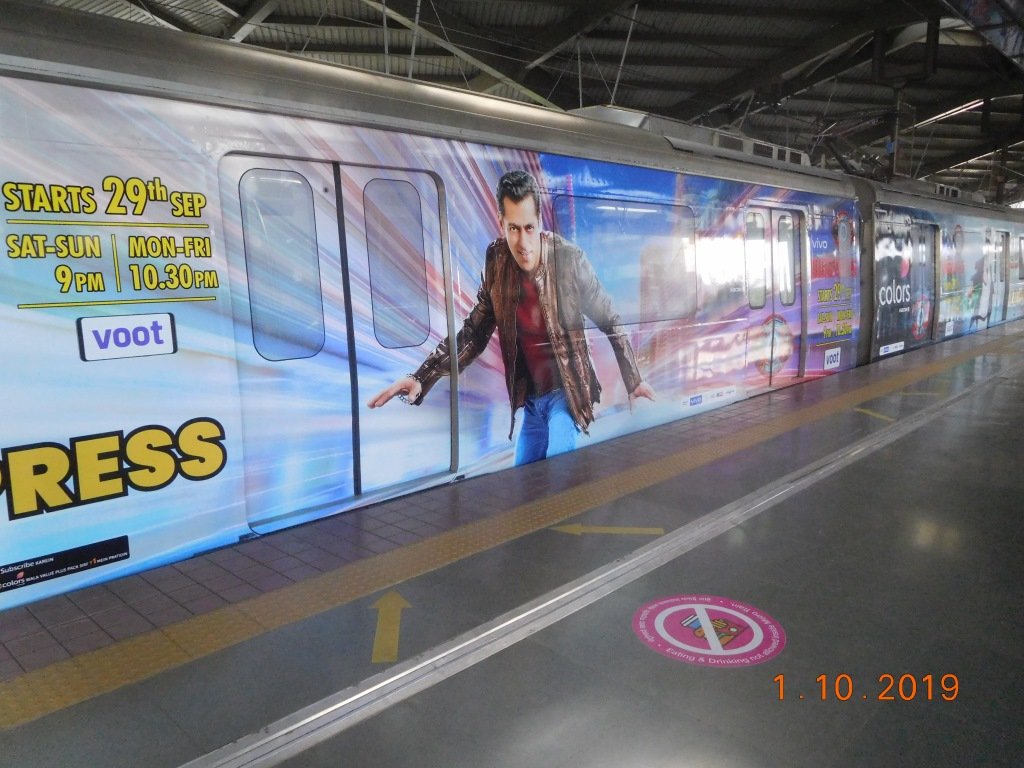
Metro wrap advertising extends visibility beyond the station, transforming trains into moving brand carriers across the city.
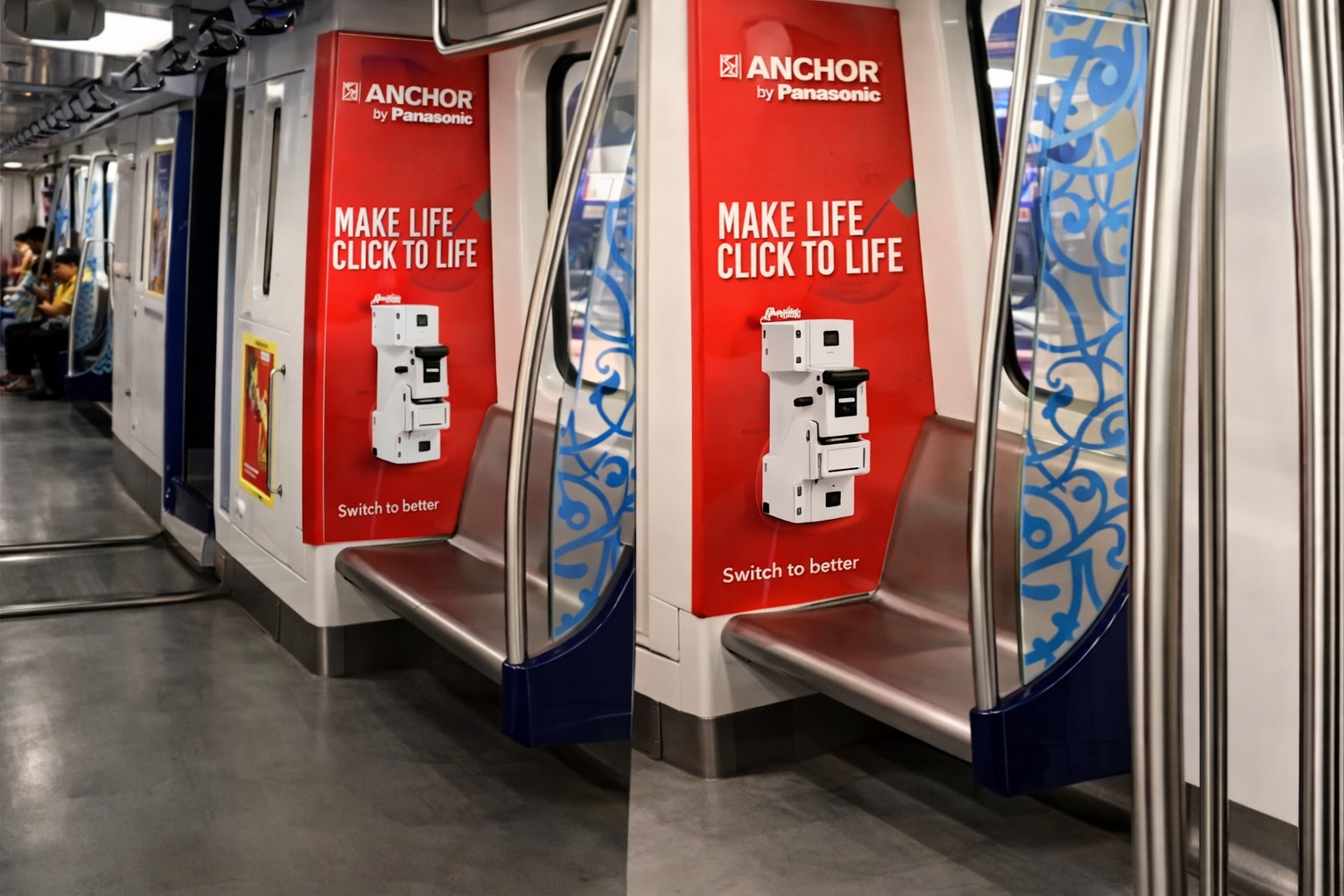
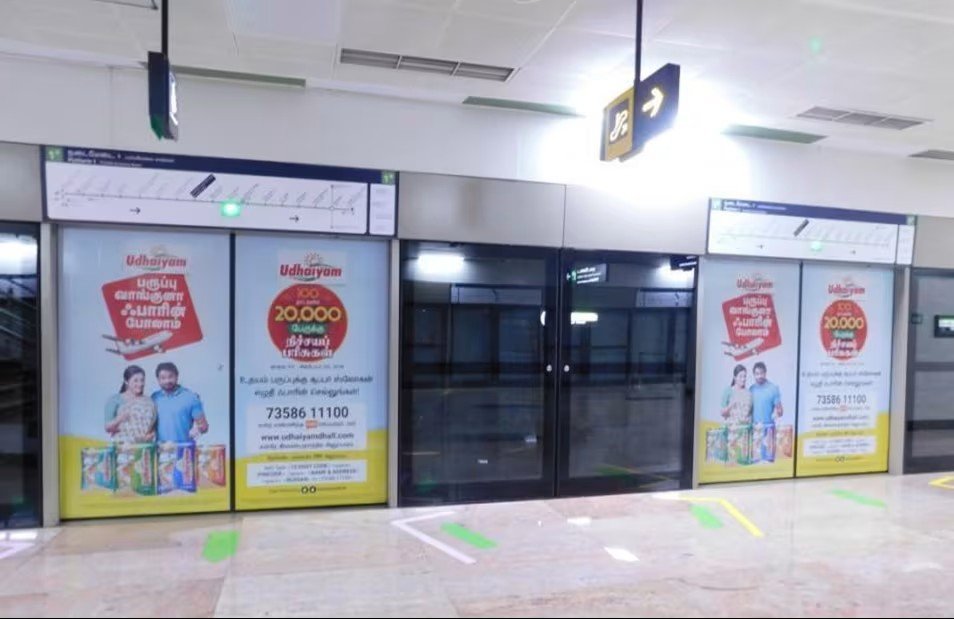
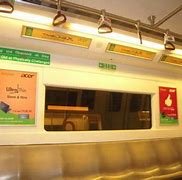
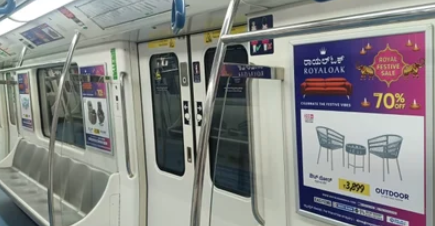
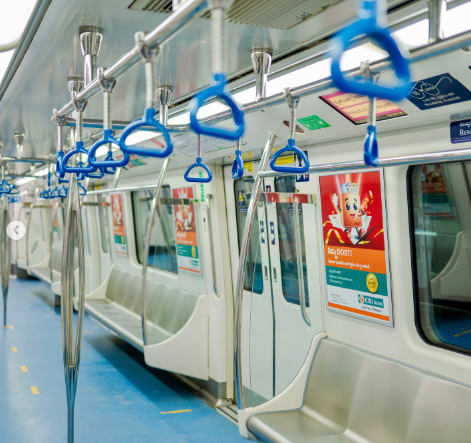
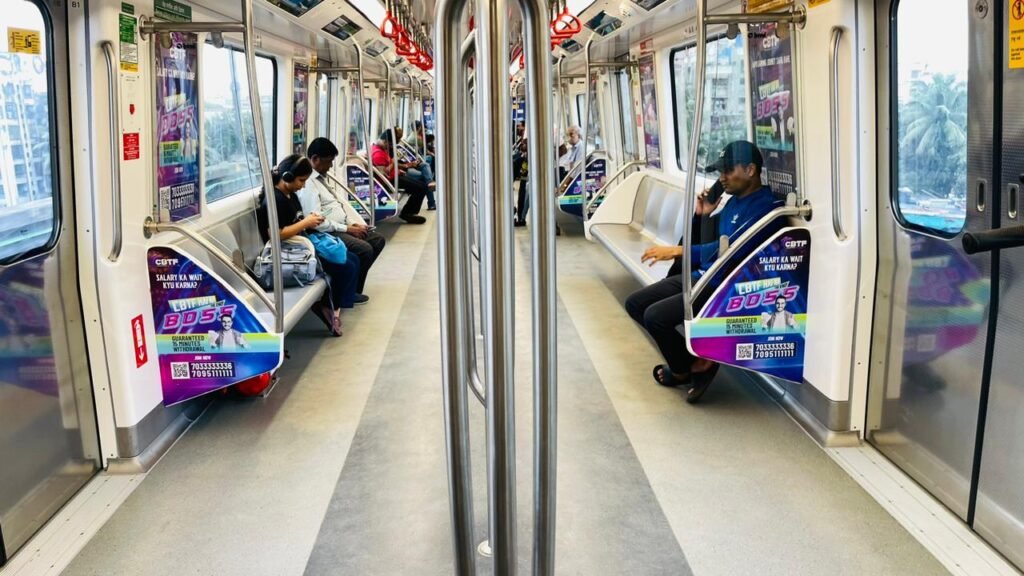
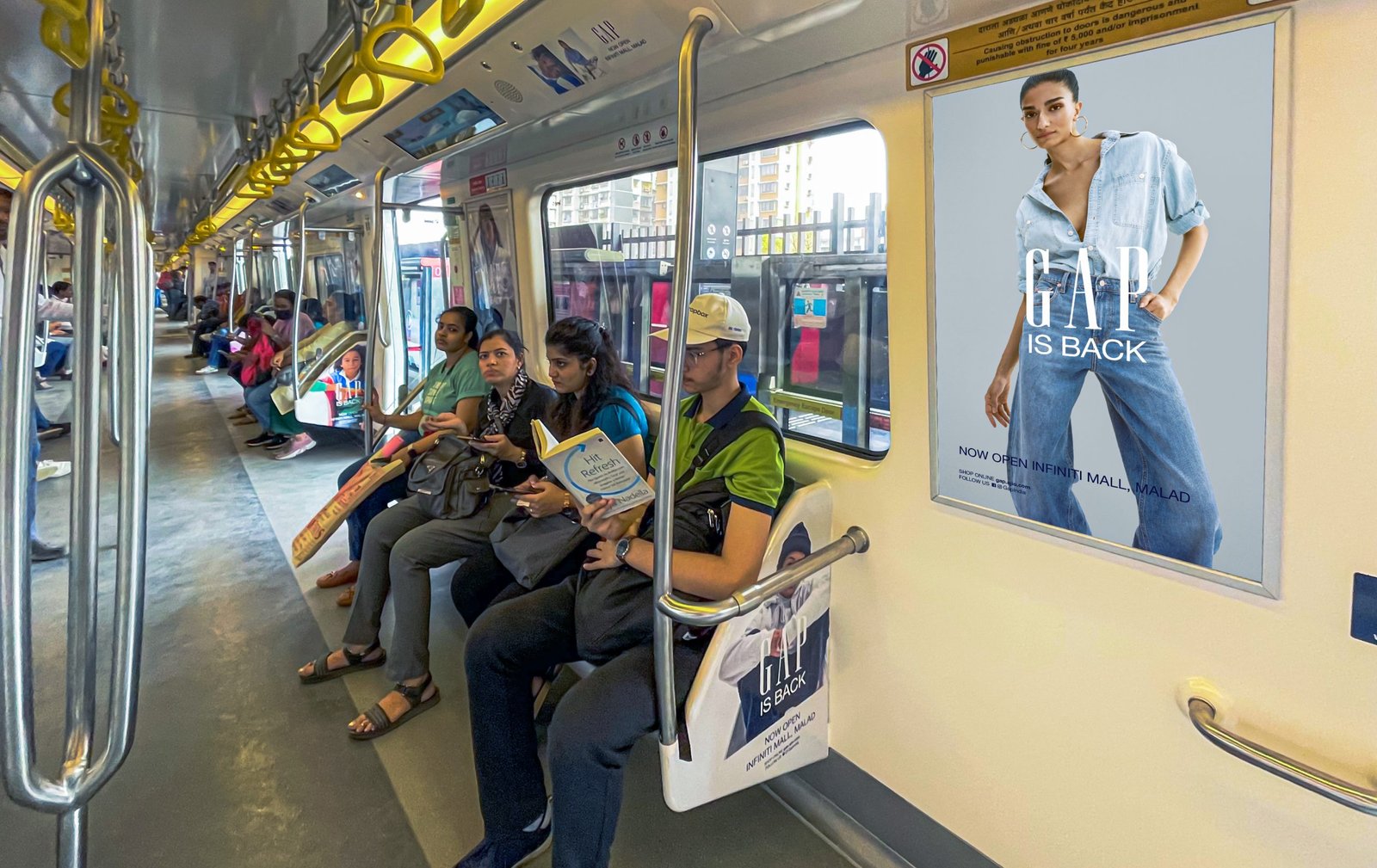
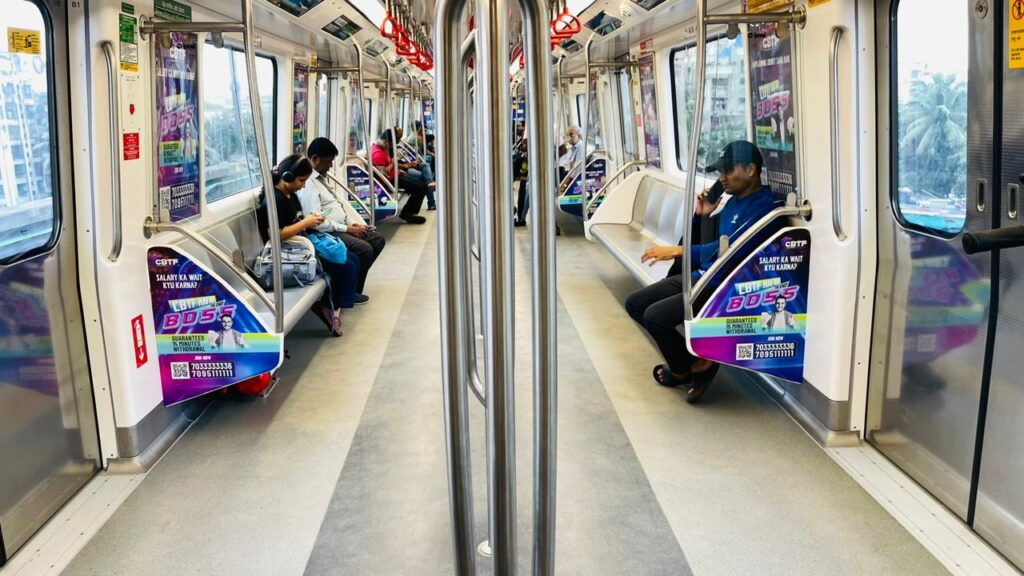
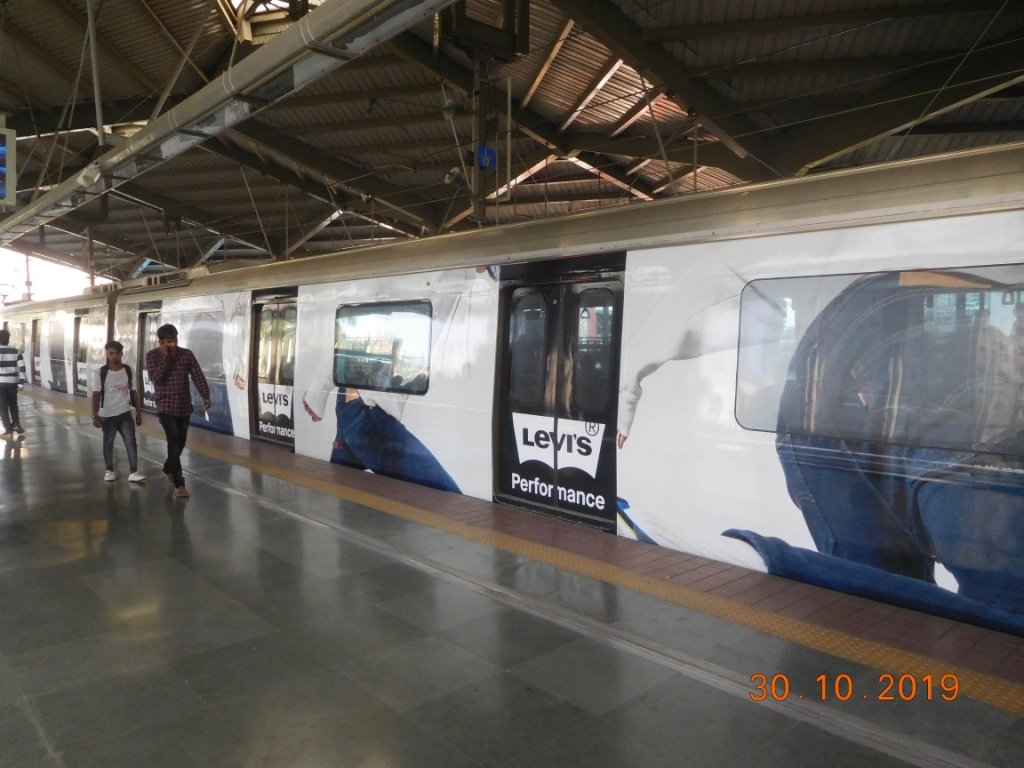
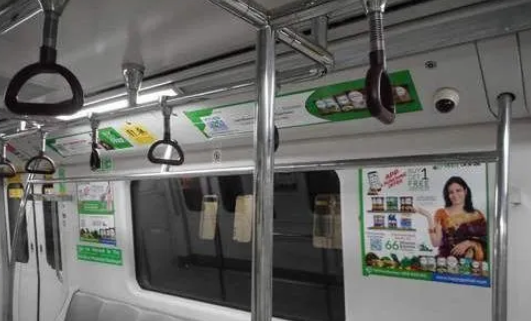
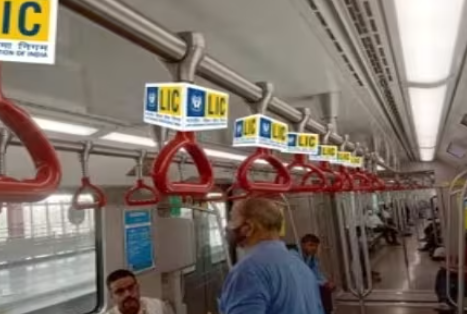
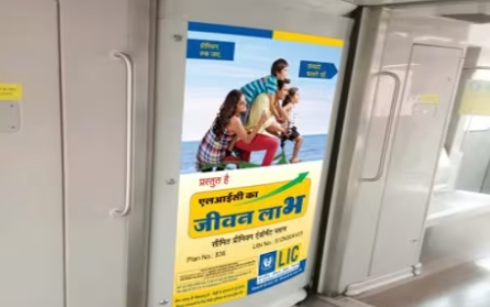
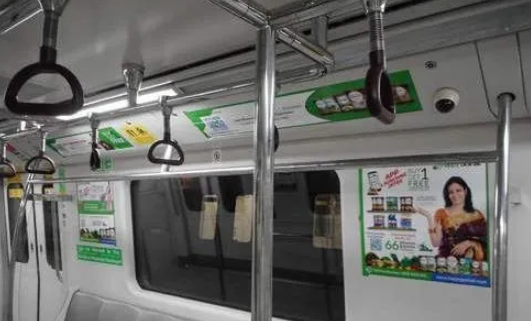
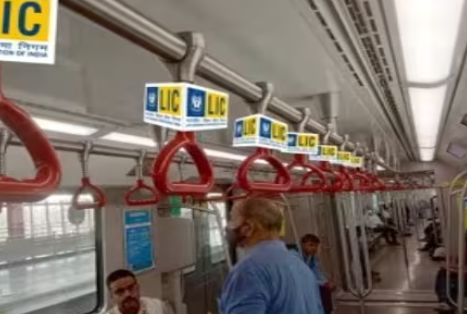
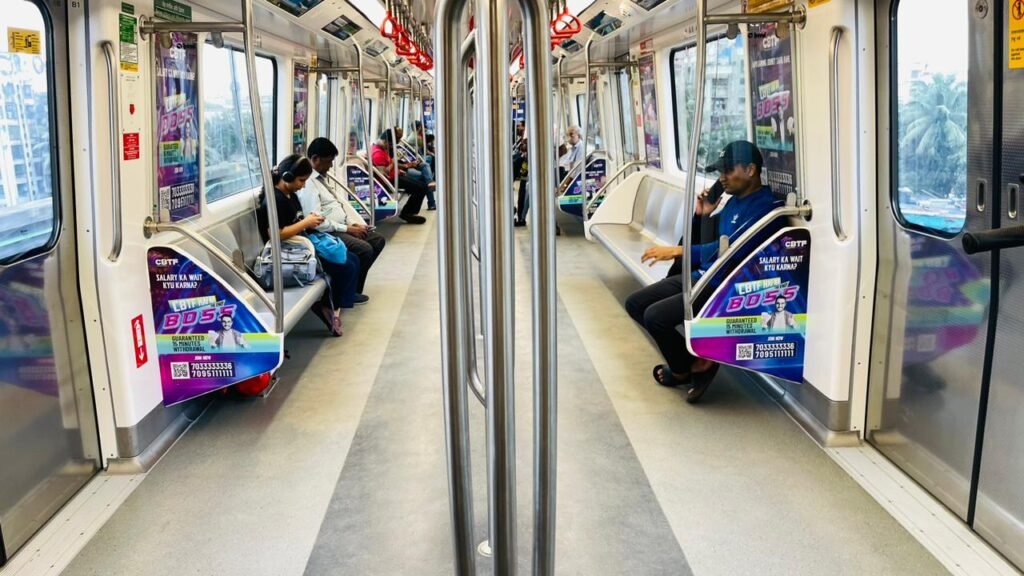
Metro inside strip advertising at Taj Mahal Metro Station, Uttar Pradesh offers brands a strategic way to reach commuters and visitors in a high-traffic transit environment. Advertising strips placed inside the station provide repeated visibility as passengers walk through, wait, enter, or exit. This format is suitable for tourism, hospitality, retail, real estate, education, product launches, and corporate campaigns. Creative visuals and concise messaging can attract attention and strengthen brand recall among daily commuters and visitors exploring Agra. Metro inside strip advertising at Taj Mahal Metro Station helps businesses build local awareness, maintain consistent exposure, and create an impactful presence among diverse transit audiences.
Metro Advertising Cost Considerations by Agencies and Companies
Costs vary based on format, placement, and campaign duration. At Taj Mahal station, premium positioning influences investment but also enhances overall campaign effectiveness.
Metro advertising agencies and metro advertising companies align budgets with objectives to ensure maximum visibility without unnecessary overspending.
Metro Campaign Planning Approach
Effective metro campaigns focus on consistency and strategic placement across multiple touchpoints. Messaging is designed to align with commuter behavior, ensuring natural engagement rather than forced attention.
This approach strengthens long-term recall while improving the overall performance of transit media campaigns.
What is the cost of Metro Inside Strip Advertising in Taj Mahal Metro Station, UP?
The cost of Metro Inside Strip Advertising in Taj Mahal Metro Station, UP depends on the strip placement, advertising size, number of strips, campaign duration, production, installation and available media inventory. Advertisers can compare a single-location campaign with 3–5 or 5–10+ placements when wider visibility is required.
For short promotional campaigns, 7–14 days can be considered as a practical planning range, while sustained visibility can be planned for 15–30 days. Longer campaigns may run for 30+ days depending on the objective and budget. These are planning benchmarks, not fixed media rates or guaranteed requirements.
For an accurate quotation, provide the preferred campaign dates, number of strips, advertising size, campaign objective and approximate budget. Production and installation requirements should also be confirmed along with the available inventory before finalising the campaign.
Which locations can be targeted through Metro Inside Strip Advertising in Taj Mahal Metro Station, UP?
Metro Inside Strip Advertising in Taj Mahal Metro Station, UP can be planned around the station’s available interior advertising inventory and the areas where commuters are likely to view the strips. The placement should be evaluated according to commuter movement, visibility, campaign objective and the desired level of repeated exposure.
For a focused campaign, advertisers can begin with 1–3 priority strip placements, while a broader station-focused campaign can evaluate 3–5 or more placements depending on available inventory. Exact strip positions and inventory should be verified before booking rather than assuming that every interior area has advertising availability.
When planning the campaign, specify whether the objective is concentrated visibility within Taj Mahal Metro Station or wider coverage across additional metro locations. This helps determine the appropriate number of strips, placement options and campaign duration.
What type of audience can Metro Inside Strip Advertising in Taj Mahal Metro Station, UP help brands reach?
Metro Inside Strip Advertising in Taj Mahal Metro Station, UP can help brands reach metro commuters and people moving through the station’s interior areas. Actual visibility depends on strip placement, media size, commuter movement, campaign duration, number of strips and the frequency with which audiences encounter the advertising.
A campaign using 1–3 strips can provide focused station-level visibility, while 3–5 or more placements can increase the number of advertising positions within the selected campaign area. Exact footfall, impressions and audience numbers should only be used when verified data for the selected inventory is available.
For effective audience targeting, define the customer profile and campaign objective before selecting the strip placements. This helps determine whether the campaign should focus on local awareness, promotional communication, product visibility or broader brand exposure within the metro environment.
What campaign duration and formats are suitable for Metro Inside Strip Advertising in Taj Mahal Metro Station, UP?
Metro Inside Strip Advertising in Taj Mahal Metro Station, UP is suitable for campaigns that want advertising visibility within the metro environment through strategically positioned interior strip media. The appropriate format depends on the available strip dimensions, placement, creative design and the amount of media space required.
For short-term promotions, 7–14 days can be used as a practical planning benchmark. Campaigns focused on sustained visibility can consider 15–30 days, while longer-term branding may be planned for 30+ days. The final duration should be based on campaign objectives, budget, audience and available station inventory.
Before booking, compare 2–3 available strip options based on position, size, number of placements, duration and production requirements. If station-level visibility needs to be expanded, additional metro locations can also be evaluated subject to available inventory.
How can I plan and book Metro Inside Strip Advertising in Taj Mahal Metro Station, UP?
To plan Metro Inside Strip Advertising in Taj Mahal Metro Station, UP, provide the preferred campaign dates, number of strips, advertising size, target audience and approximate budget. It is also useful to provide the brand category, campaign objective, artwork status and whether additional metro locations are required.
The typical planning process is Requirement → Media Options → Availability Check → Quotation → Artwork → Approval → Production/Installation → Campaign Execution. This allows the advertiser to review the available strip placements and confirm the campaign requirements before proceeding with the booking.
For the enquiry, clearly mention whether you want only Taj Mahal Metro Station or a wider metro campaign, along with the preferred duration such as 7–14, 15–30 or 30+ days. These details help the media planner prepare suitable placement options and a quotation based on the campaign requirement.
FAQs
1. Does metro advertising at Taj Mahal station provide strong ROI?
Yes, the combination of tourist inflow and daily commuters ensures repeated exposure, supporting strong long-term ROI.
2. Which ad placements perform best at this station?
Platform panels, concourse ads, and digital DOOH screens perform effectively due to high dwell time zones.
3. Is metro wrap advertising suitable for this location?
It is highly effective as it extends brand visibility beyond the station into multiple routes across Agra.
4. How does campaign duration impact effectiveness?
Longer campaigns improve recall significantly as commuters repeatedly interact with the same messaging.
5. Can metro advertising agencies optimize campaign performance?
Yes, they analyze commuter patterns and placement zones to improve targeting and engagement.
6. Is the investment justified compared to visibility?
The high footfall and diverse audience mix make it a strong value-driven investment despite premium pricing.
Website: https://acmeadvertiser.com/
LinkedIn: https://www.linkedin.com/company/acme-advertising-co/