Metro Interior Panel Advertising in Guru Ka Taal Metro Station, UP
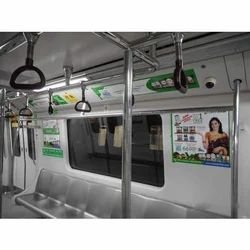
Metro advertising in Guru Ka Taal, Agra is steadily emerging as a powerful medium for brands aiming to build strong visibility in a culturally and commercially active zone. With a consistent flow of daily commuters, this station offers an environment where brand messages are seen repeatedly, creating lasting recall. A metro advertising agency can strategically position campaigns here to capture attention across multiple commuter touchpoints. This continuous exposure within a transit-driven ecosystem significantly strengthens brand memory and engagement.
Guru Ka Taal Metro Advertising Companies Deliver Strong Visibility
Guru Ka Taal station presents a balanced advertising landscape where metro advertising companies can execute impactful campaigns without excessive visual clutter. The station connects key residential and commercial pockets, ensuring a steady audience base.
The advantage lies in focused visibility—brands are noticed more clearly, leading to stronger recall and better message retention.
Audience Footfall & Reach Potential
Daily Footfall: 60k Per Day
The station experiences a strong daily commuter flow, including office-goers, students, and local travelers. This ensures consistent exposure for campaigns across different times of the day.
Repetition plays a critical role here, as commuters encounter the same messaging regularly, reinforcing familiarity and improving long-term recall within transit media environments.

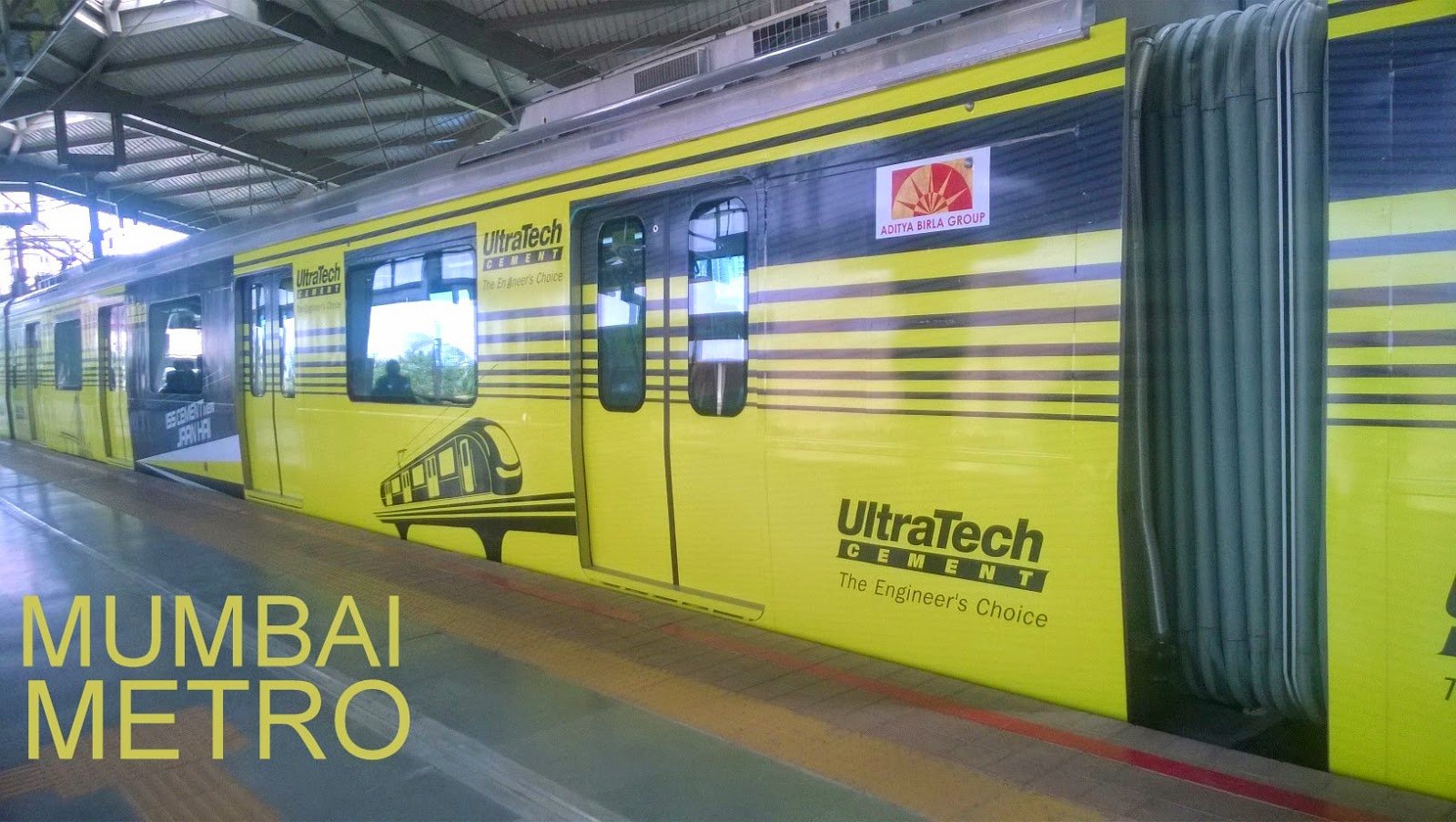
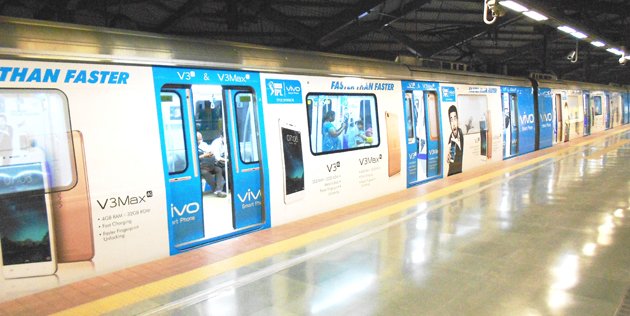
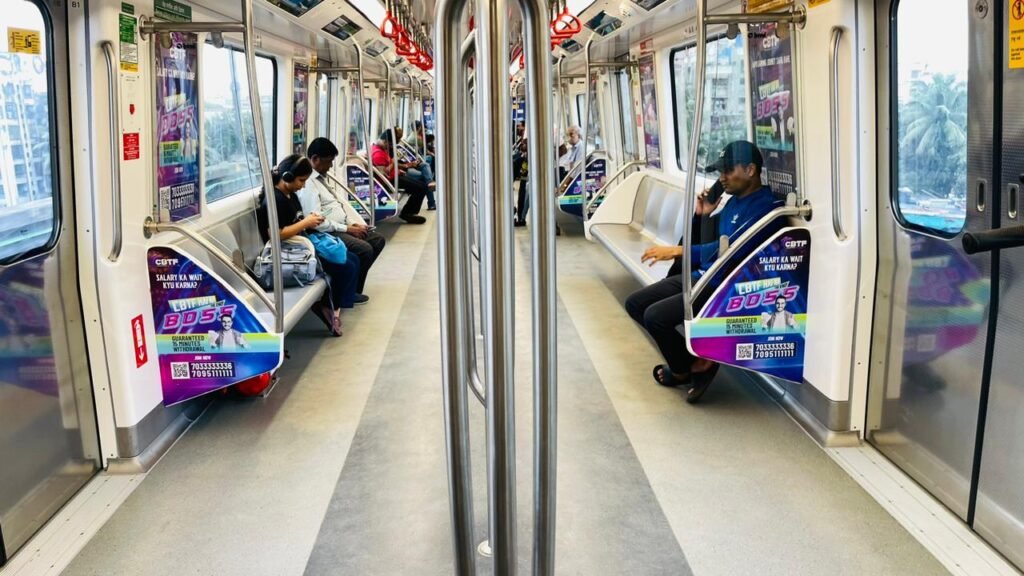
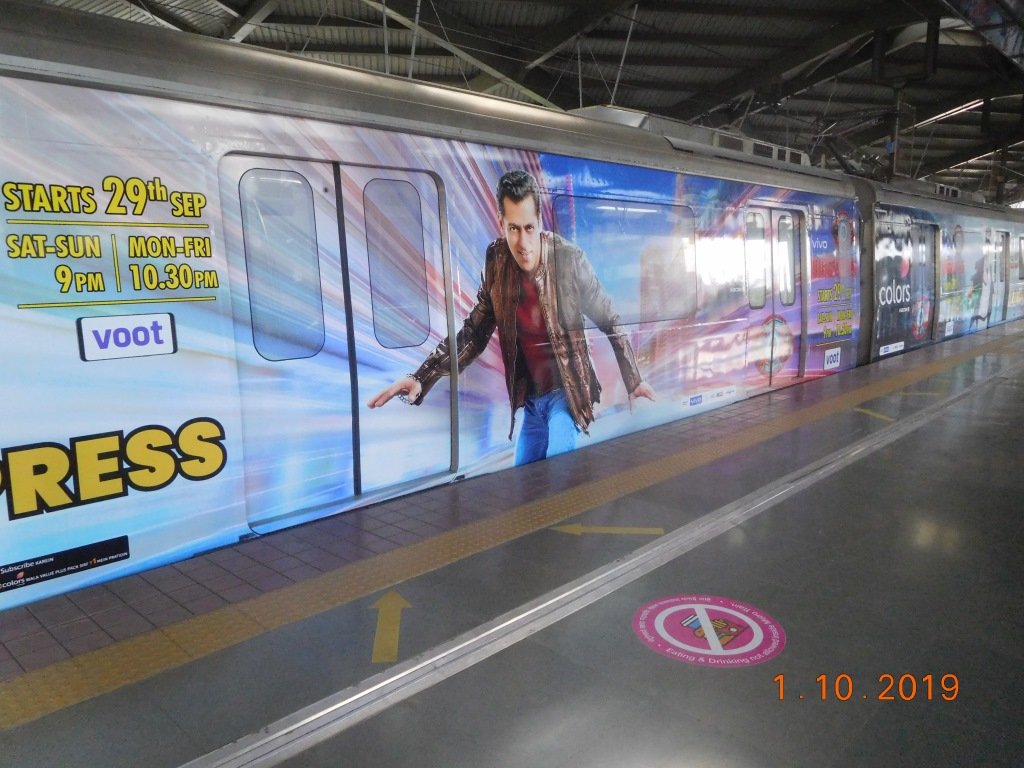
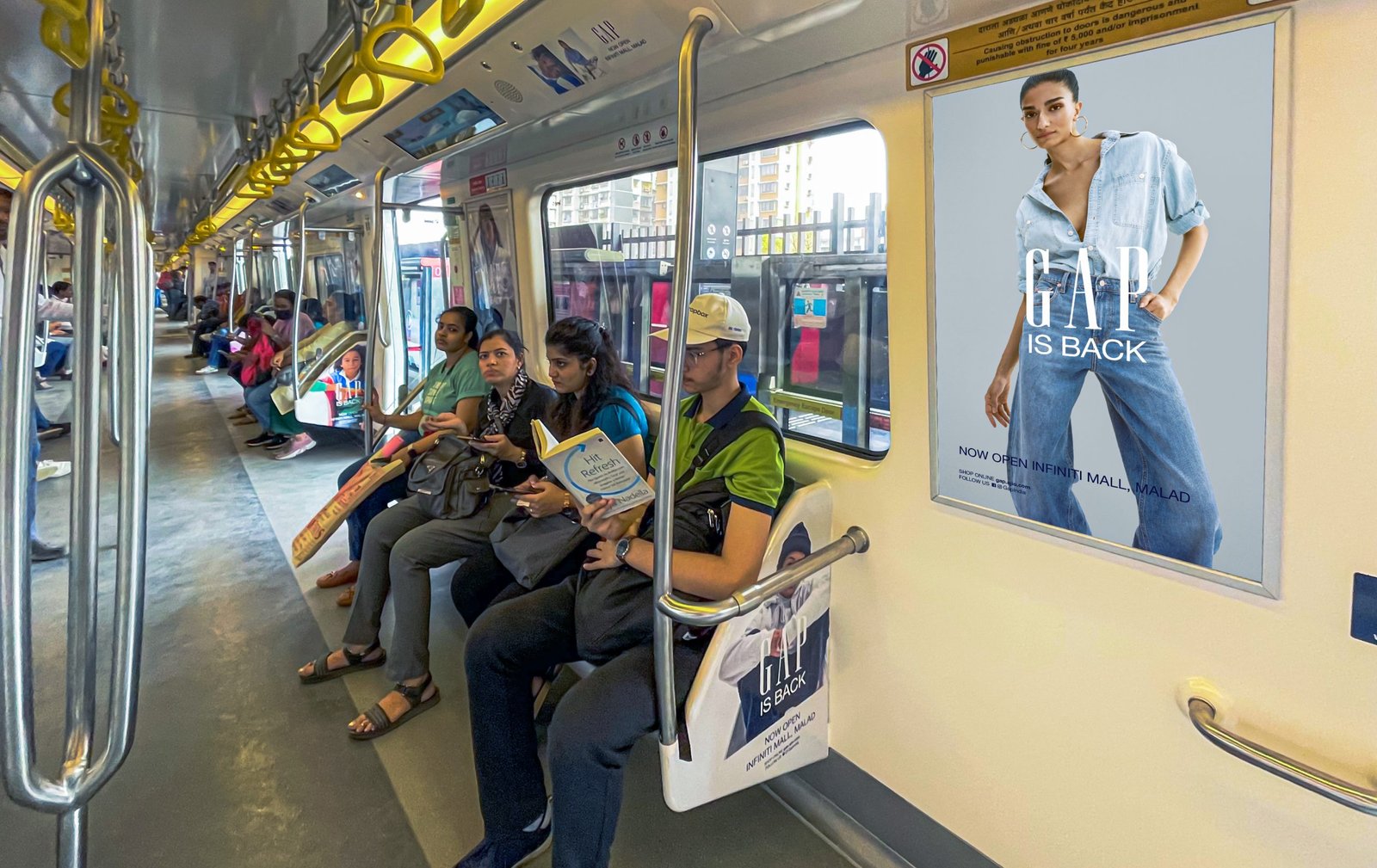
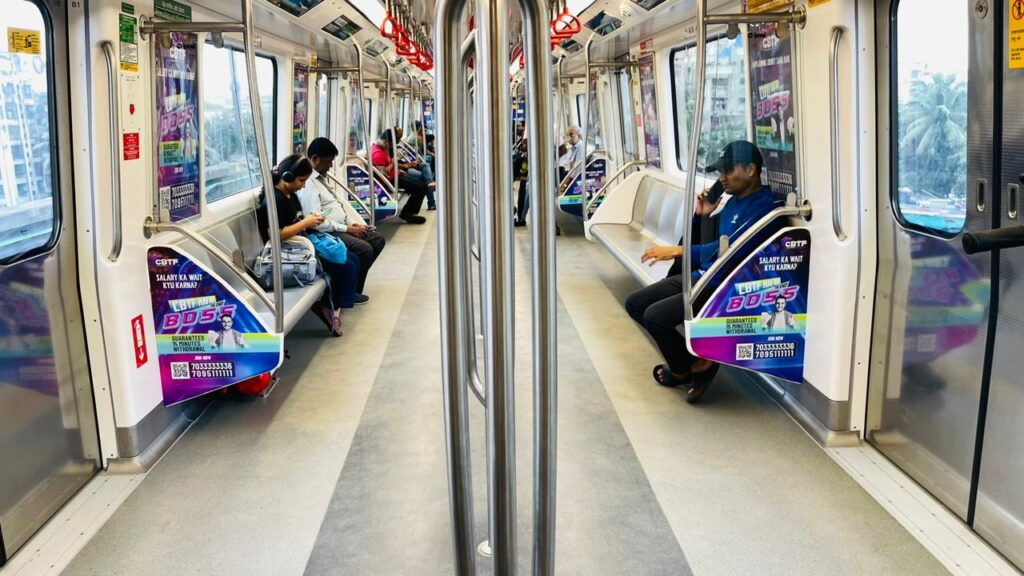

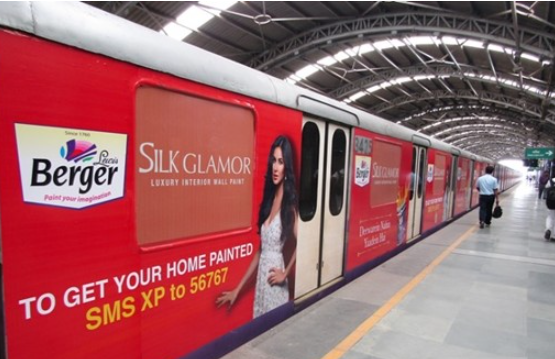
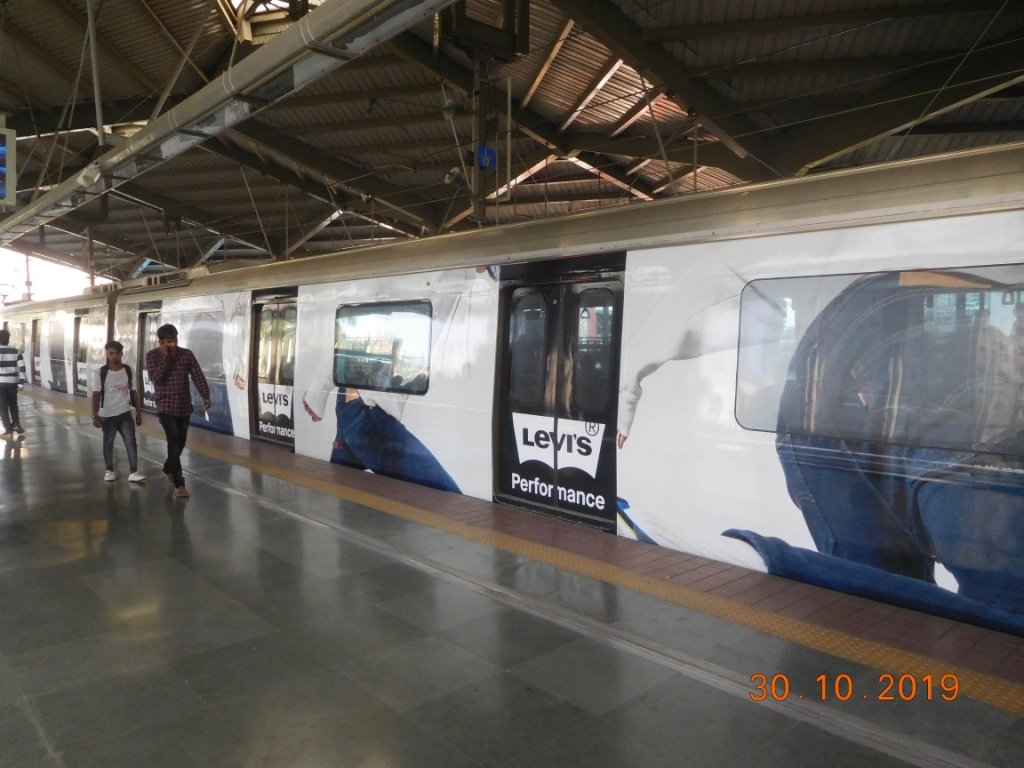
Guru Ka Taal Metro Advertising Agency for Localized Impact
Metro advertising agencies focus on identifying high-engagement zones within the station such as entry gates, ticket counters, and waiting areas. These are natural pause points where commuter attention is highest.
Strategic placement in these zones allows brands to integrate seamlessly into commuter journeys, increasing engagement without being intrusive.
Neighbourhood Coverage
Sikandra brings a mix of residential communities and tourist traffic, offering strong visibility for lifestyle and hospitality brands. Bodla connects dense local populations, ensuring repeated impressions among daily commuters. Khandari adds educational institutions and student audiences, making it effective for youth-focused campaigns. Kamla Nagar contributes a blend of residential and commercial activity, enhancing brand reach. Dayal Bagh introduces a steady flow of institutional and local commuters, improving frequency of exposure. Shahganj strengthens connectivity to busy market areas, delivering high engagement for retail-driven messaging.
Metro Advertising Panels & Sizes
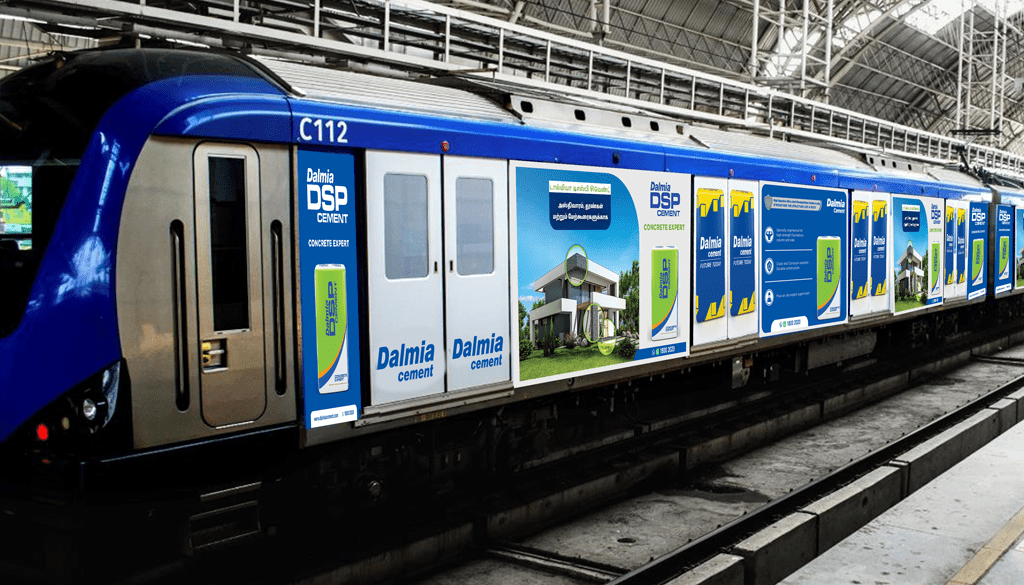
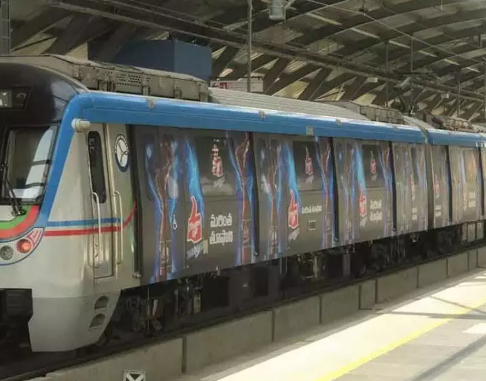
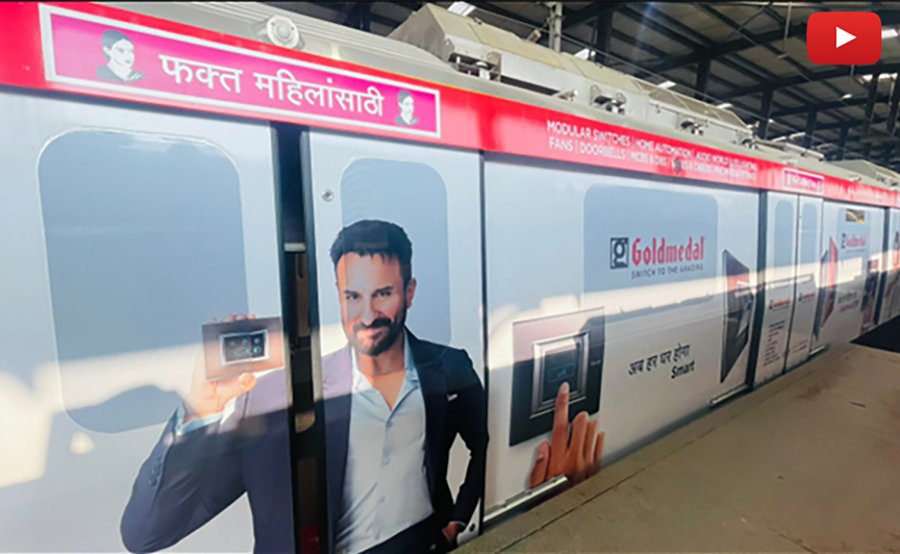
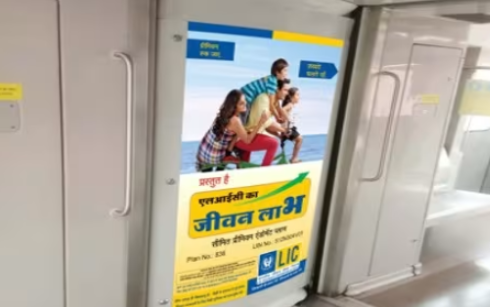
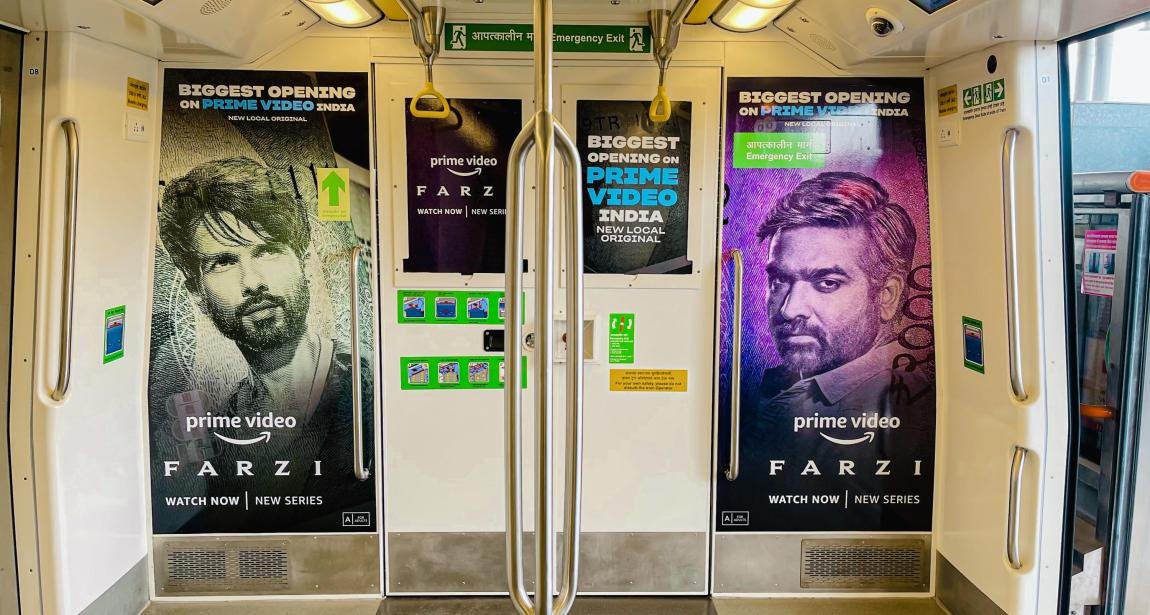
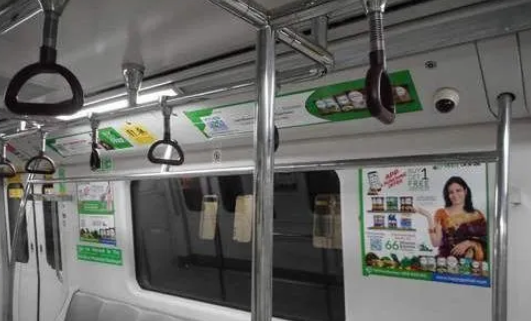
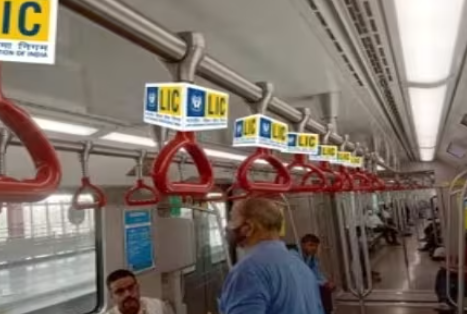
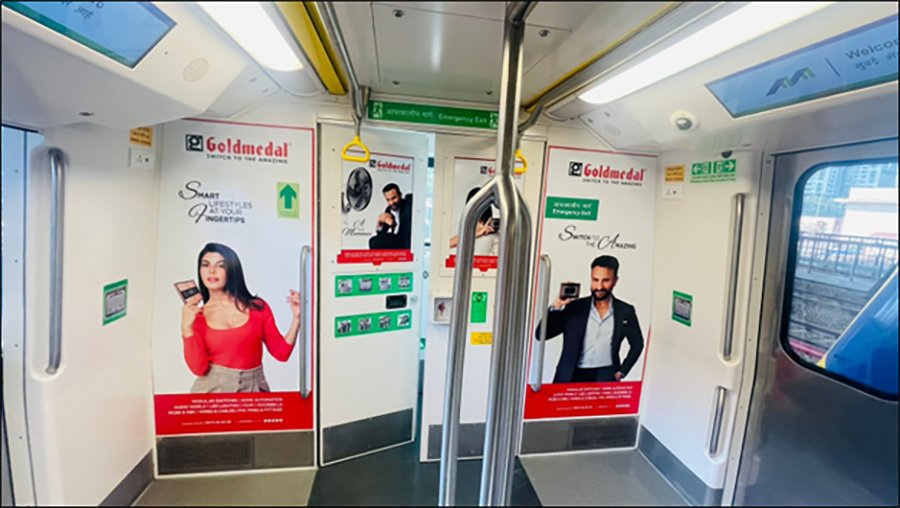
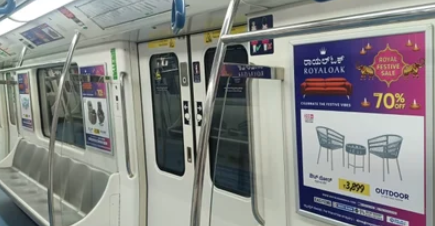
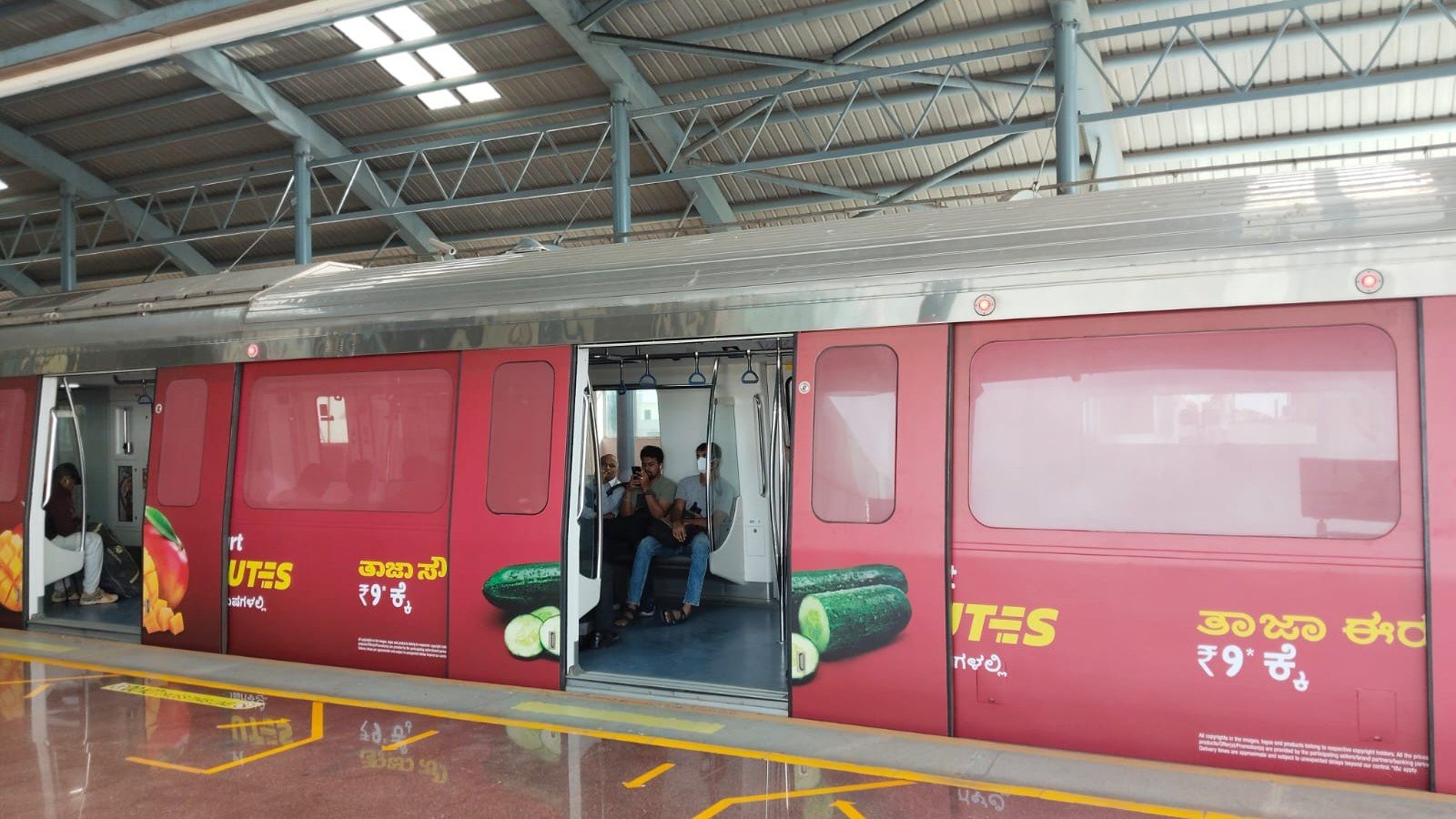
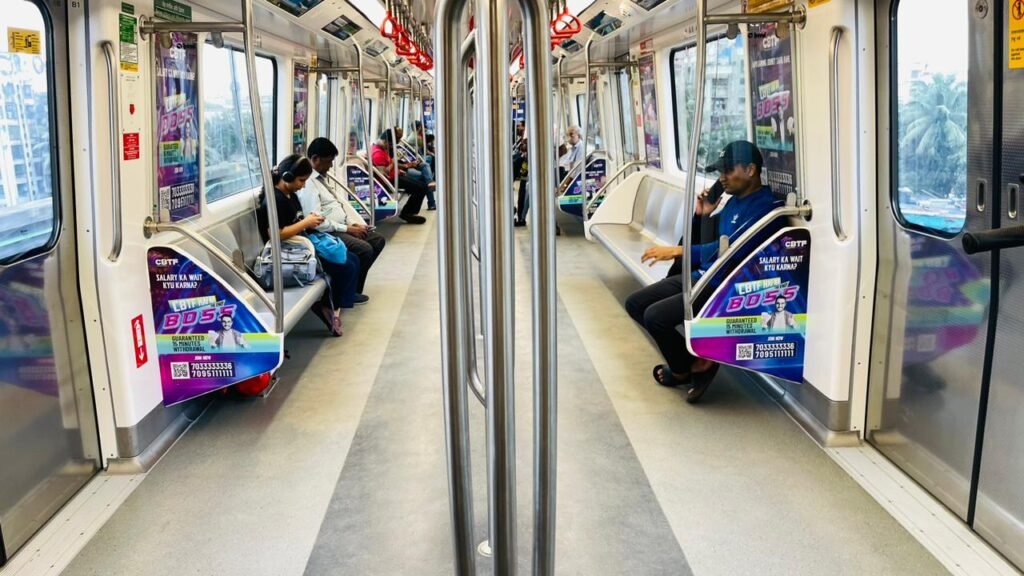
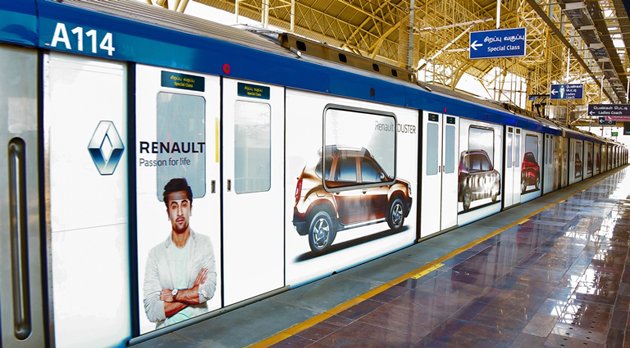
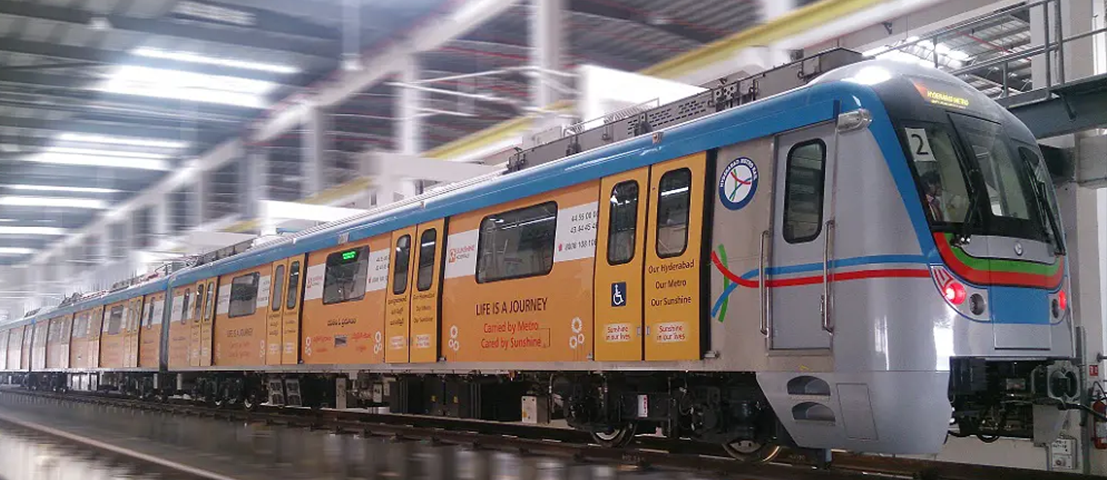
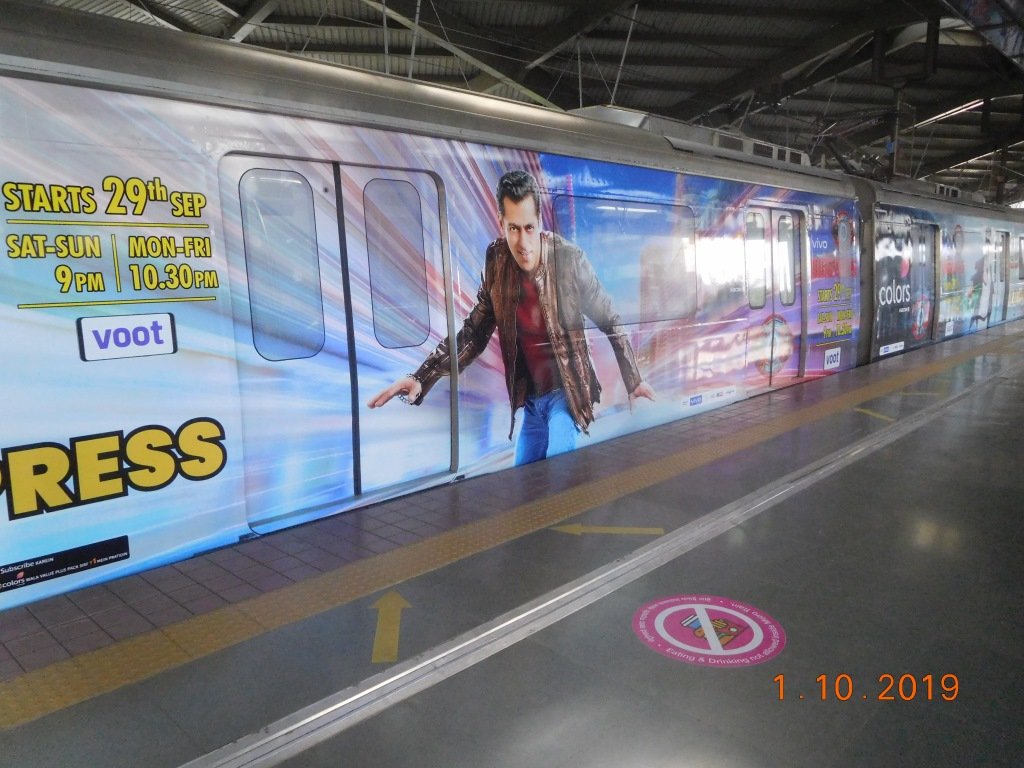
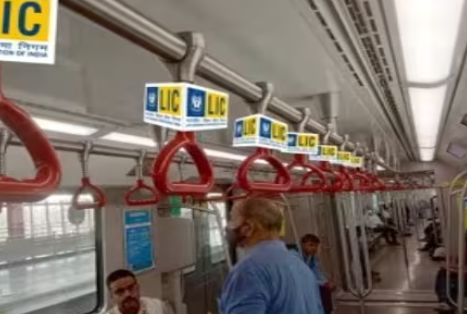
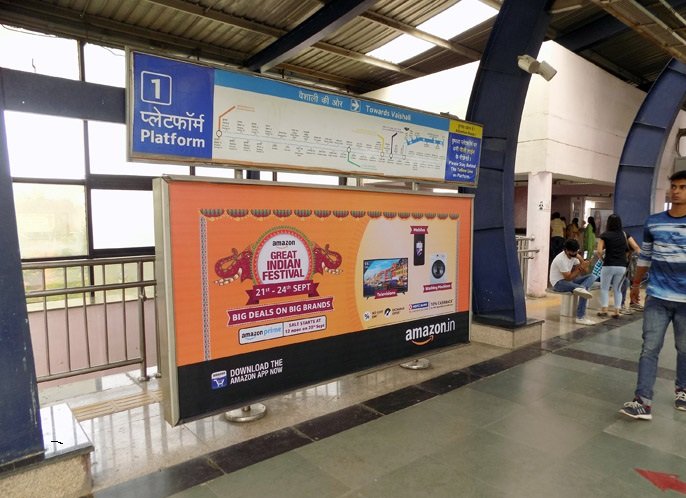
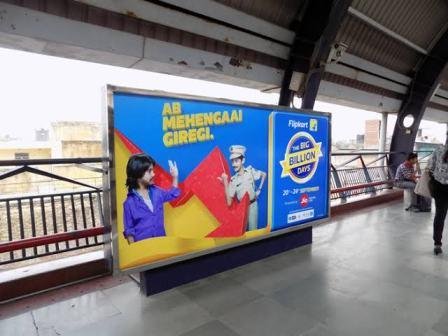
Inside Panels (24” x 6” approx, full coach) Train Wrap (200–240 sq.m full, 80–120 partial) Platform Panels (6×4 ft, 12×4 ft) Concourse Ads (20×10 ft, 10×4 ft) Entry/Exit Branding (3×6 ft) Digital DOOH (32”–75”+)
Metro Advertising Pricing & Entry Investment
Starting Price: 790000
Guru Ka Taal offers a structured entry point for brands planning metro branding campaigns in Agra. The investment reflects access to a high-frequency commuter base and multiple ad formats.
From a planning perspective, this allows businesses to allocate budgets efficiently while leveraging consistent visibility and strong audience interaction across transit media channels.
Guru Ka Taal Metro Advertising Agency Services for Targeted Reach
Metro advertising agencies design campaigns that combine formats like platform panels, concourse ads, and metro wrap advertising to ensure full coverage of commuter touchpoints. This integrated approach enhances visibility across different movement zones.
The focus remains on creating a continuous brand presence that aligns naturally with commuter behavior.
Guru Ka Taal Metro Advertising Companies Driving Urban Visibility
Metro advertising companies utilize the station’s strategic location to deliver campaigns that connect with both local residents and passing travelers. The audience mix supports brands targeting both everyday consumers and high-intent visitors.
This dual exposure strengthens campaign performance, making metro branding here both relevant and scalable.
Metro Advertising Format Selection Strategy
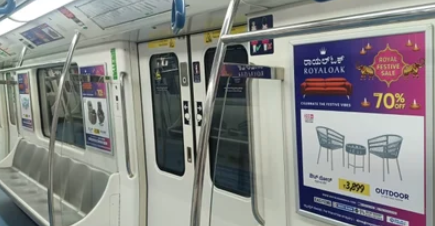
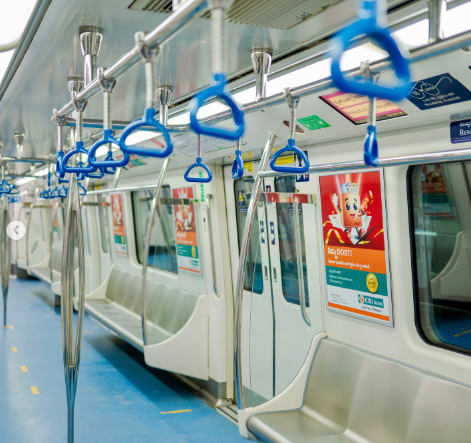
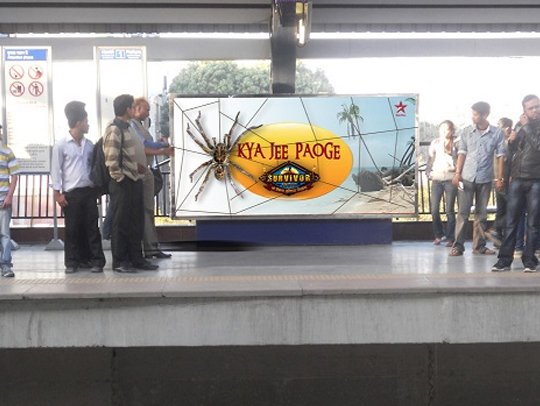
Selecting the right format depends on how commuters interact within the station. Inside panels provide extended viewing time, while platform panels and concourse ads capture attention during waiting periods.
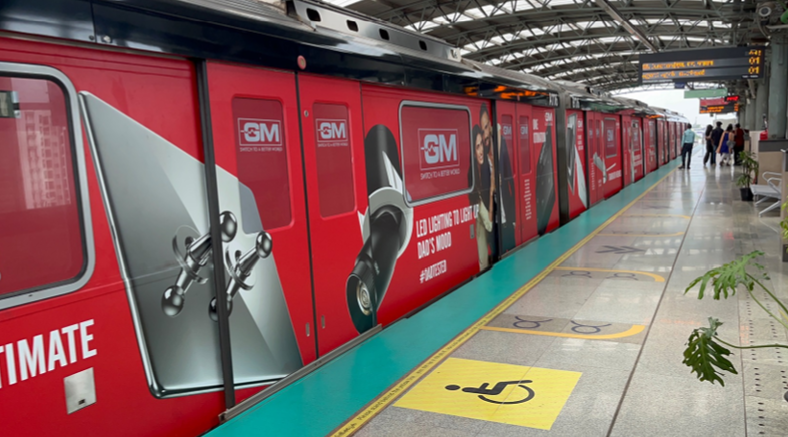
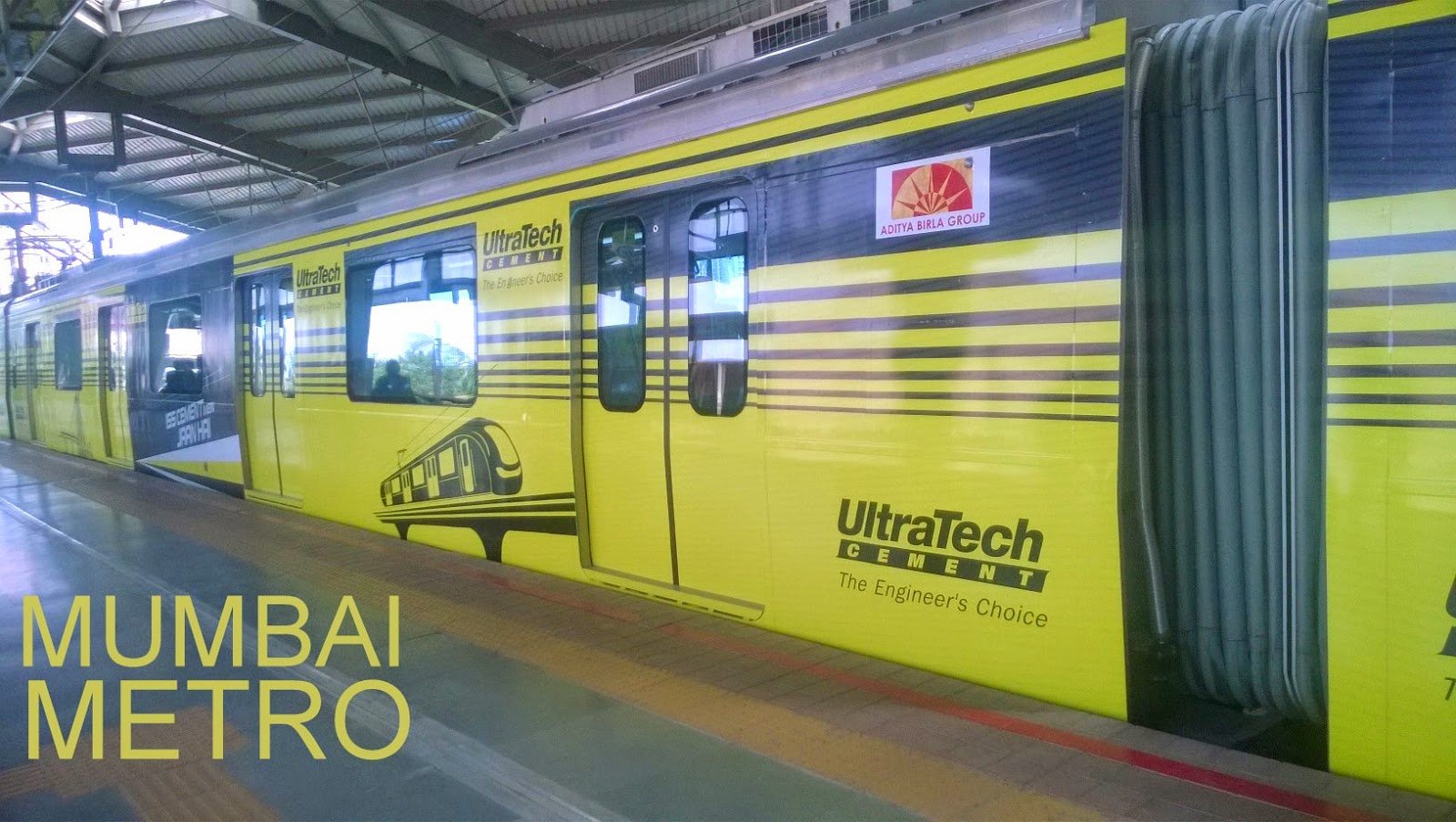
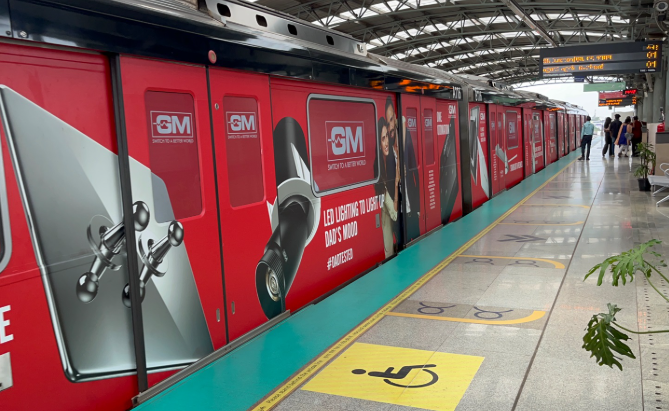
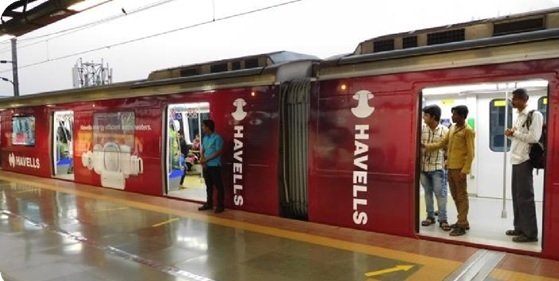
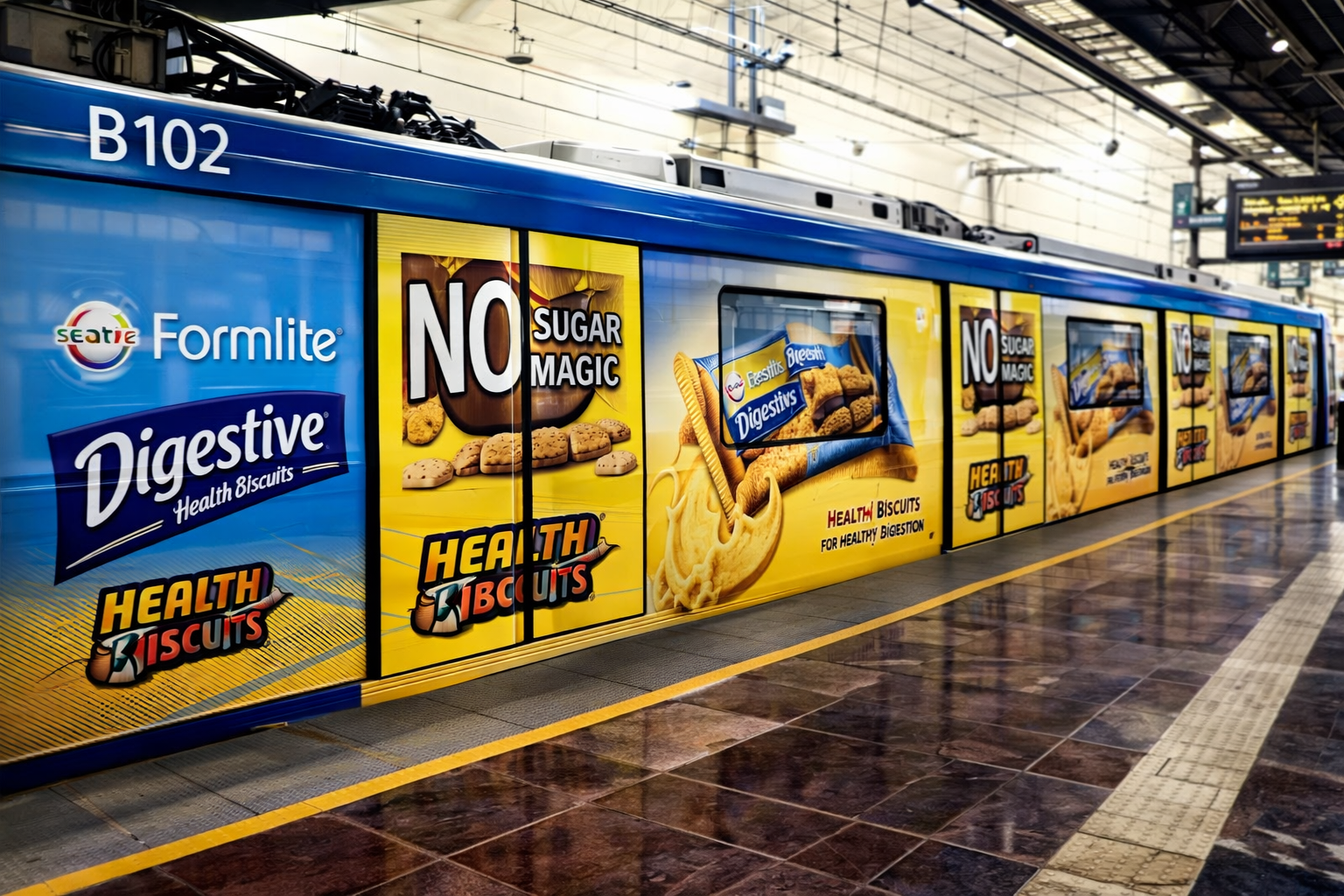
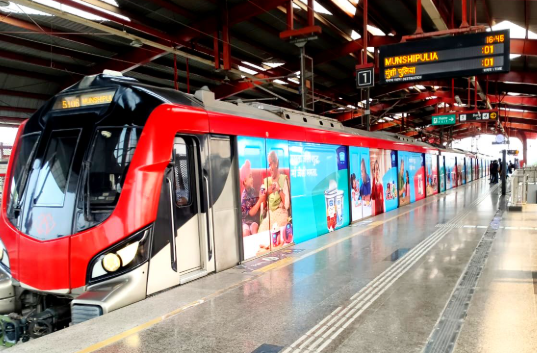
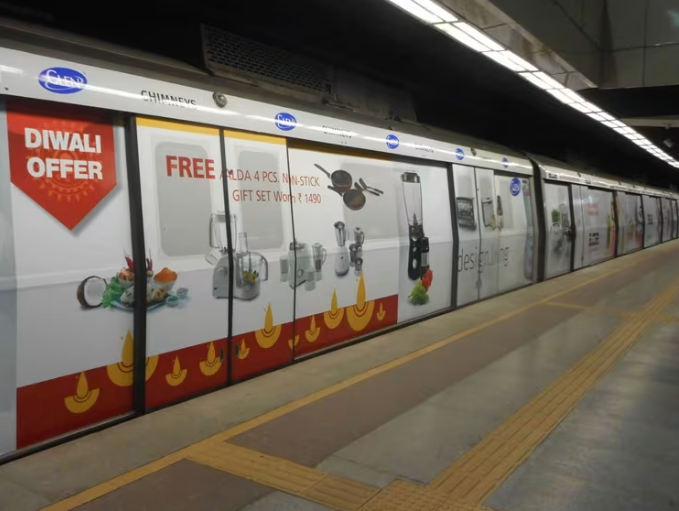
Metro wrap advertising expands campaign visibility beyond the station, transforming trains into moving brand assets across the network.
Metro Advertising Cost Considerations by Agencies and Companies
Costs vary based on format selection, placement zones, and campaign duration. At Guru Ka Taal, the pricing structure allows brands to optimize reach without unnecessary overspending.
Metro advertising agencies and metro advertising companies align investment with campaign objectives to ensure maximum efficiency and measurable impact.
Metro Campaign Planning Approach
Effective metro campaigns focus on consistency and placement strategy rather than just format selection. Messaging is designed to align with commuter movement patterns, ensuring natural visibility.
This structured planning approach helps brands achieve strong recall, better engagement, and sustained presence within transit media ecosystems.
FAQs
1. Does metro advertising at Guru Ka Taal deliver strong ROI?
Yes, consistent daily footfall and repeated exposure help build brand recall, which contributes to long-term ROI and campaign effectiveness.
2. Which ad placements perform best at this station?
Platform panels and concourse ads are highly effective due to commuter dwell time and natural visibility zones.
3. Is metro wrap advertising effective in Agra?
Metro wrap advertising extends visibility beyond a single station, increasing reach across multiple routes and improving campaign impact.
4. Does campaign duration influence performance significantly?
Yes, longer campaign durations allow repeated exposure, which strengthens recall and improves overall effectiveness.
5. How do metro advertising agencies optimize visibility vs investment?
They strategically select formats and placement zones based on commuter flow to maximize visibility within the allocated budget.
6. Are multiple formats necessary for better results?
Using a mix of formats ensures broader coverage and consistent engagement across different commuter touchpoints.
Website: https://acmeadvertiser.com/
LinkedIn: https://www.linkedin.com/company/acme-advertising-co/