Metro advertising in Lower Oshiwara Mumbai
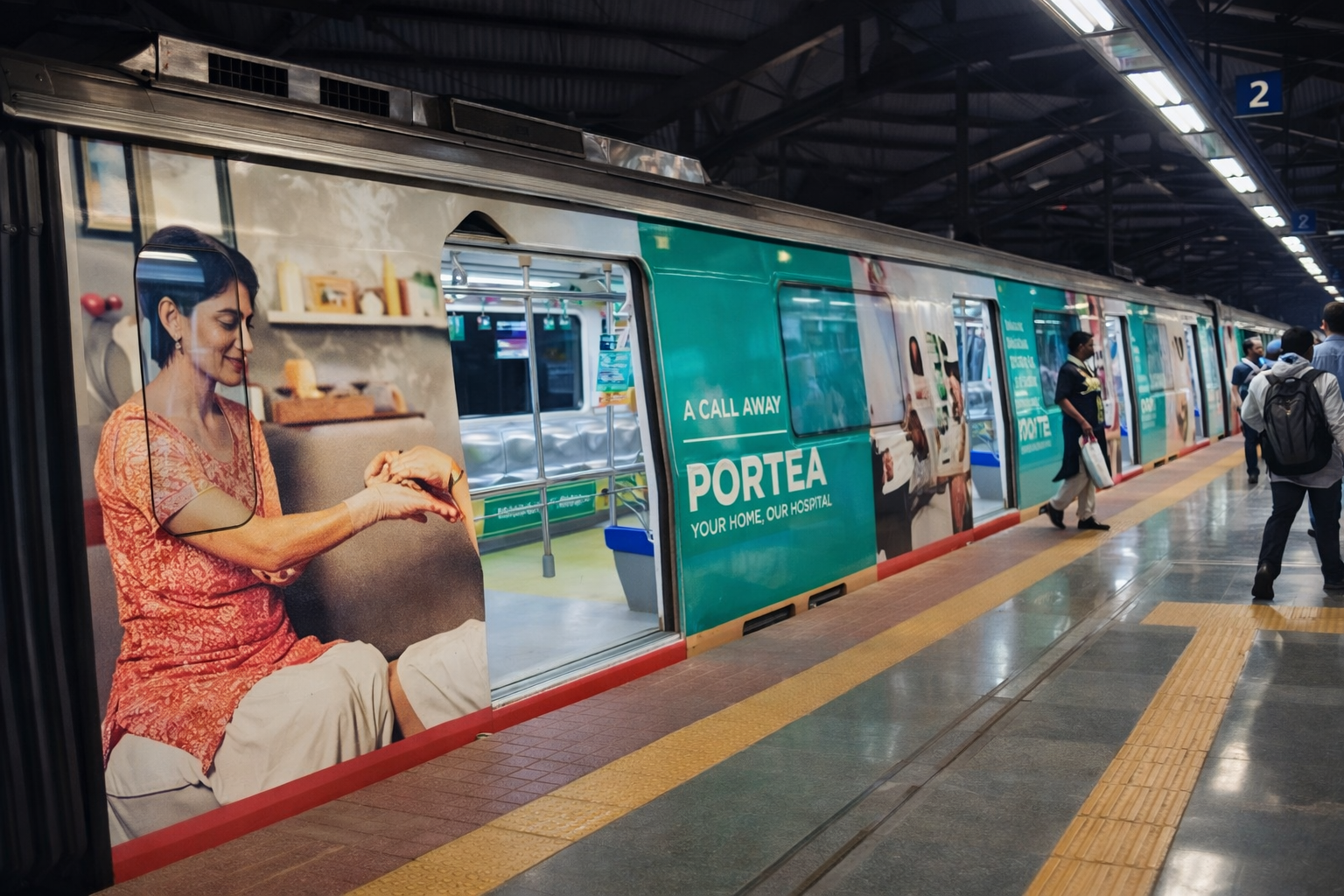
In a city like Mumbai where daily movement defines consumer behavior, brands need visibility that is not only wide but also consistent. Metro advertising in Mumbai offers a powerful way to achieve this by embedding brand presence into everyday commuter journeys. Lower Oshiwara Metro Station, located in a vibrant mix of residential, corporate, and lifestyle zones, gives brands access to a highly engaged audience. Businesses often collaborate with a professional metro advertising agency to ensure campaigns are strategically placed for maximum recall and sustained impact.
The real advantage lies in repeated exposure within a controlled transit environment, allowing brands to stay top-of-mind without relying on one-time interactions.
Lower Oshiwara Metro Advertising Companies Deliver Strong Visibility
Lower Oshiwara is a well-connected urban node that links commercial hubs, media zones, and residential clusters. This creates a high-value audience mix, including professionals, creatives, and urban consumers.
The station benefits from steady commuter flow across the day, ensuring continuous visibility and consistent impressions. Leading metro advertising companies use this advantage to design campaigns that build recall through repetition rather than short-term bursts.


Audience Footfall & Reach Potential
Daily Footfall: [50k–70k Per Day]
This level of daily movement ensures that commuters encounter the same messaging multiple times, strengthening recall naturally. It also provides access to a diverse and relevant audience, making transit media highly effective for sustained brand visibility.
Neighbourhood Coverage
Lower Oshiwara connects directly to Andheri West, which brings a strong mix of corporate offices and entertainment hubs, making it ideal for premium and service-based campaigns. Lokhandwala adds a high-spending residential and lifestyle-driven audience, increasing brand engagement. Oshiwara contributes a blend of commercial activity and urban living, offering balanced exposure.
Jogeshwari West enhances reach among dense residential clusters, ensuring frequent impressions among daily commuters. Versova introduces a creative and media-focused demographic, making it suitable for entertainment and digital brands. Goregaon West adds a mix of residential and commercial activity, strengthening campaign reach across multiple audience segments.
Metro Advertising Panels & Sizes
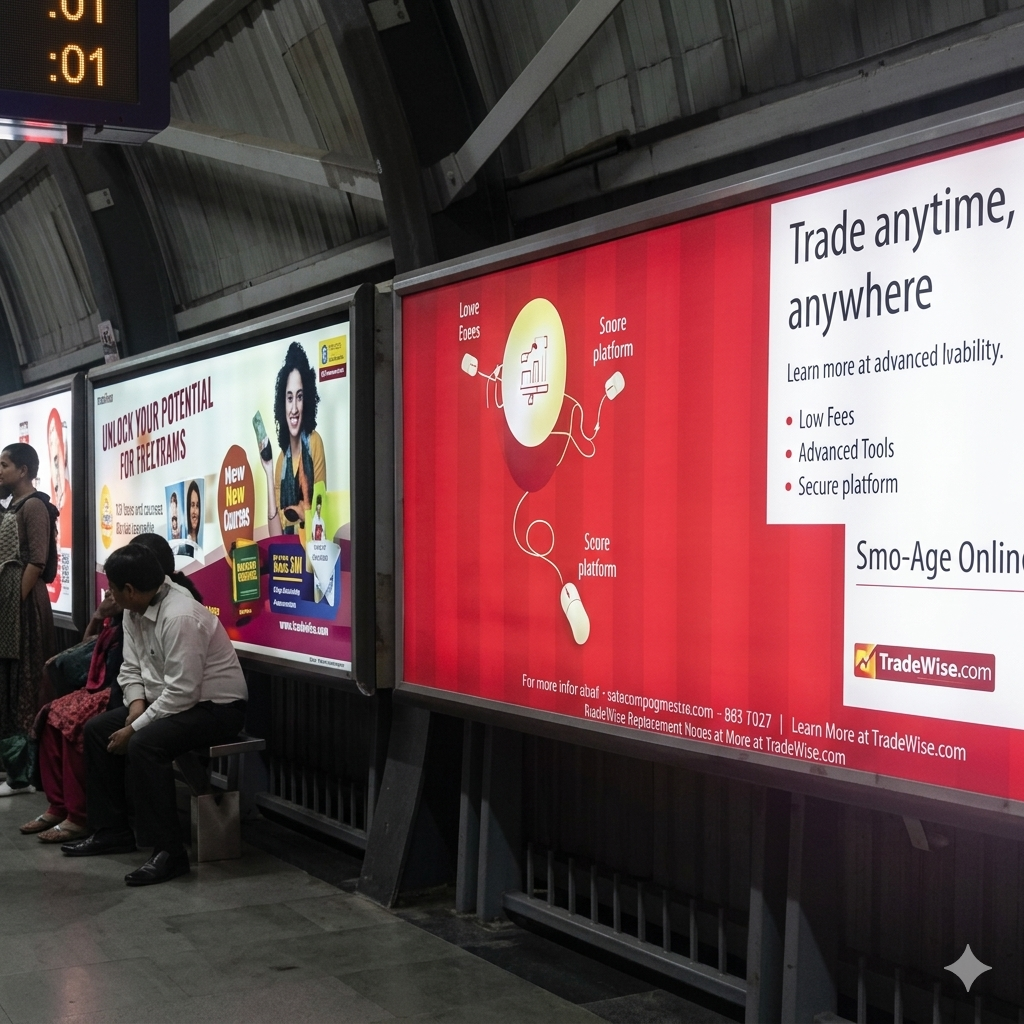
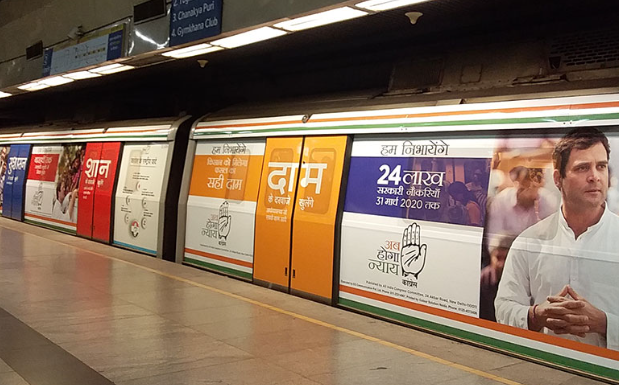
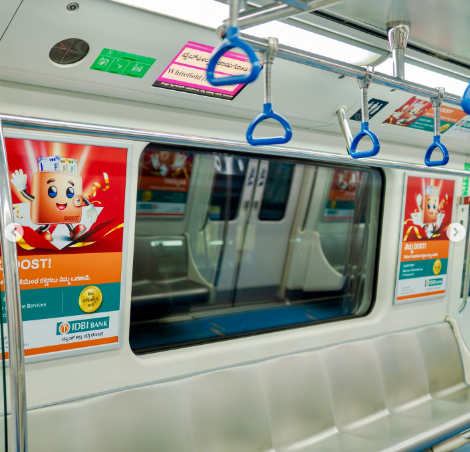
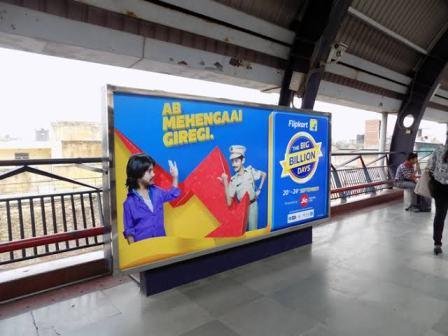
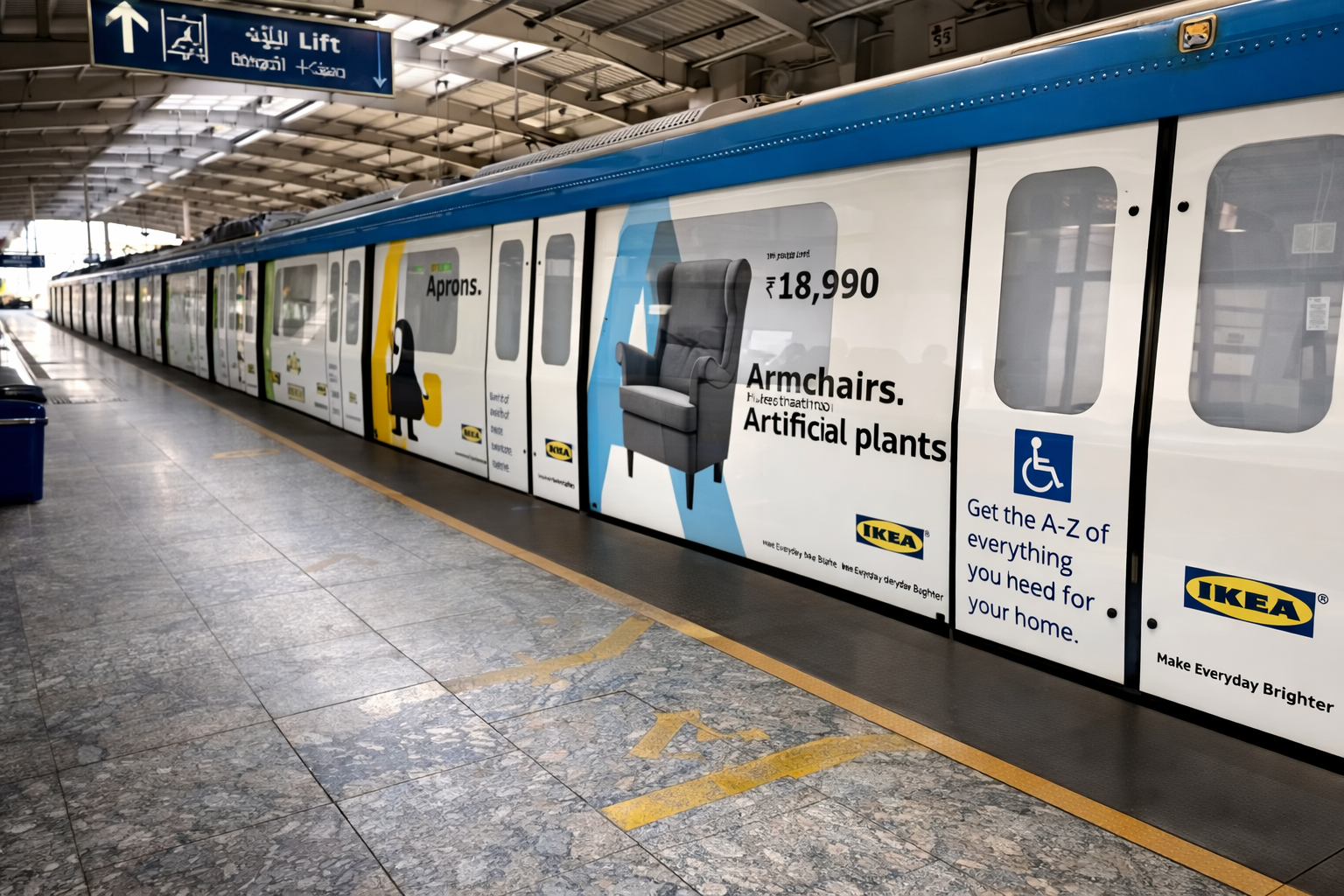
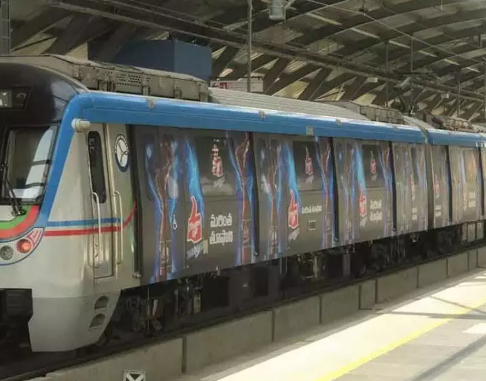
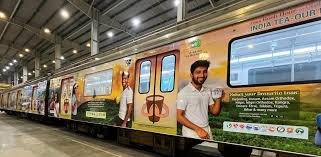
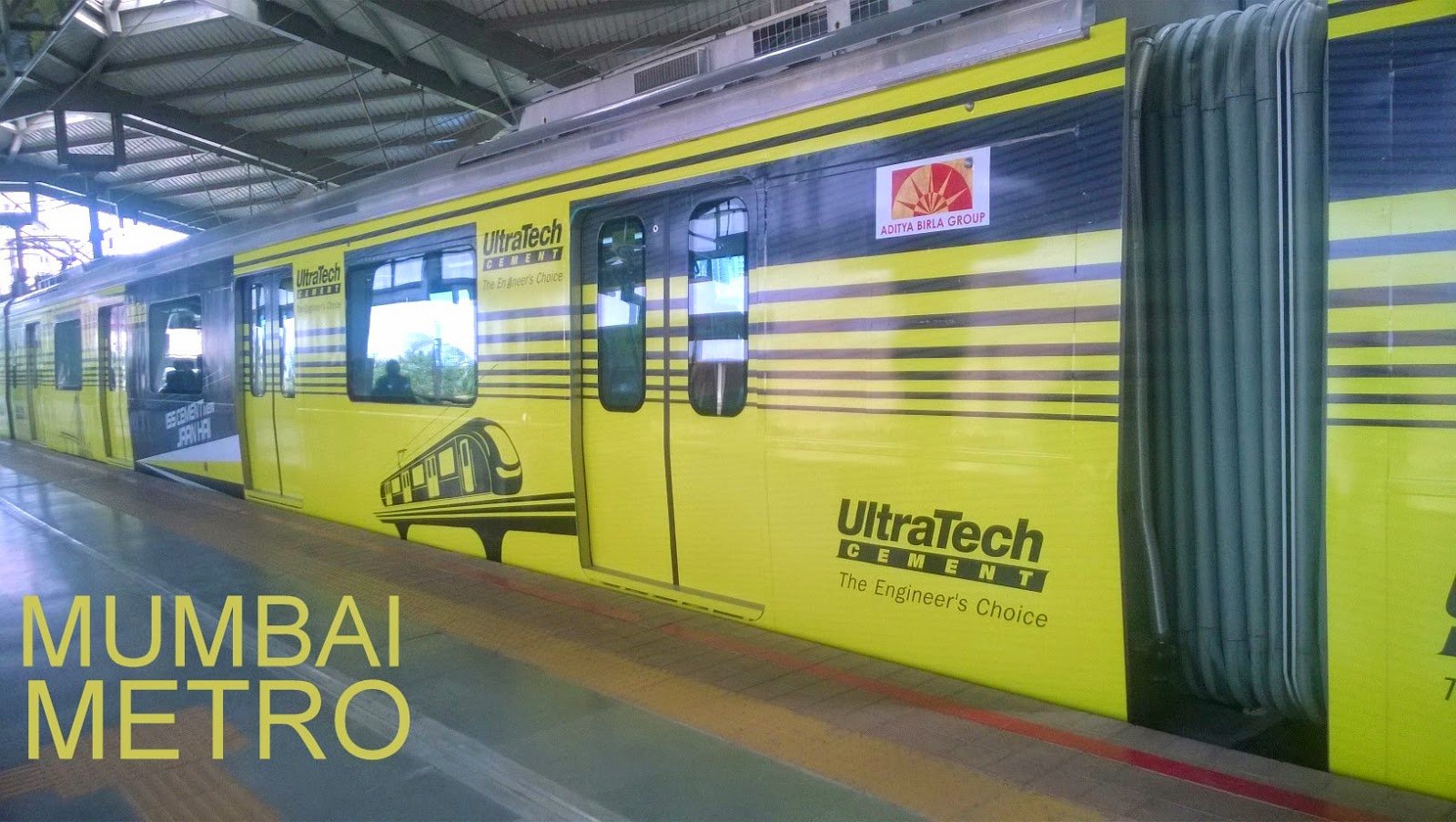
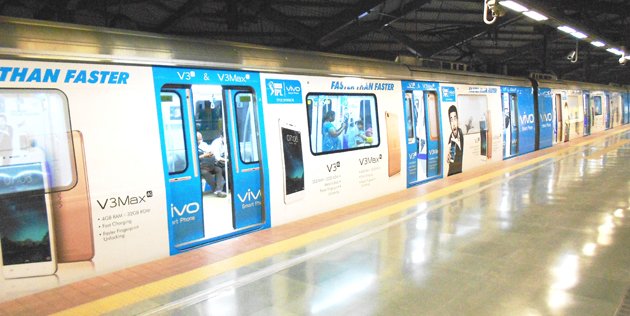
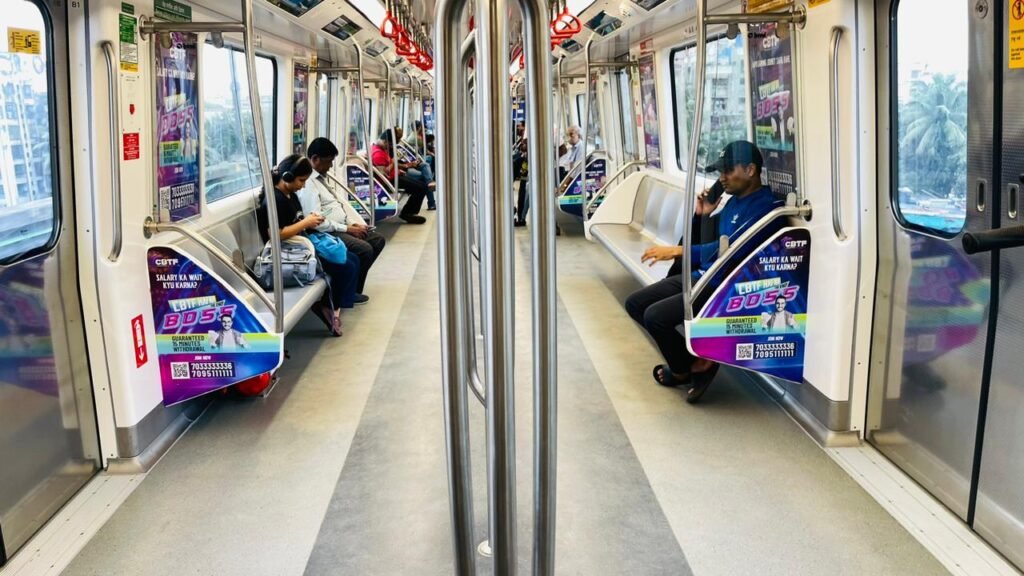
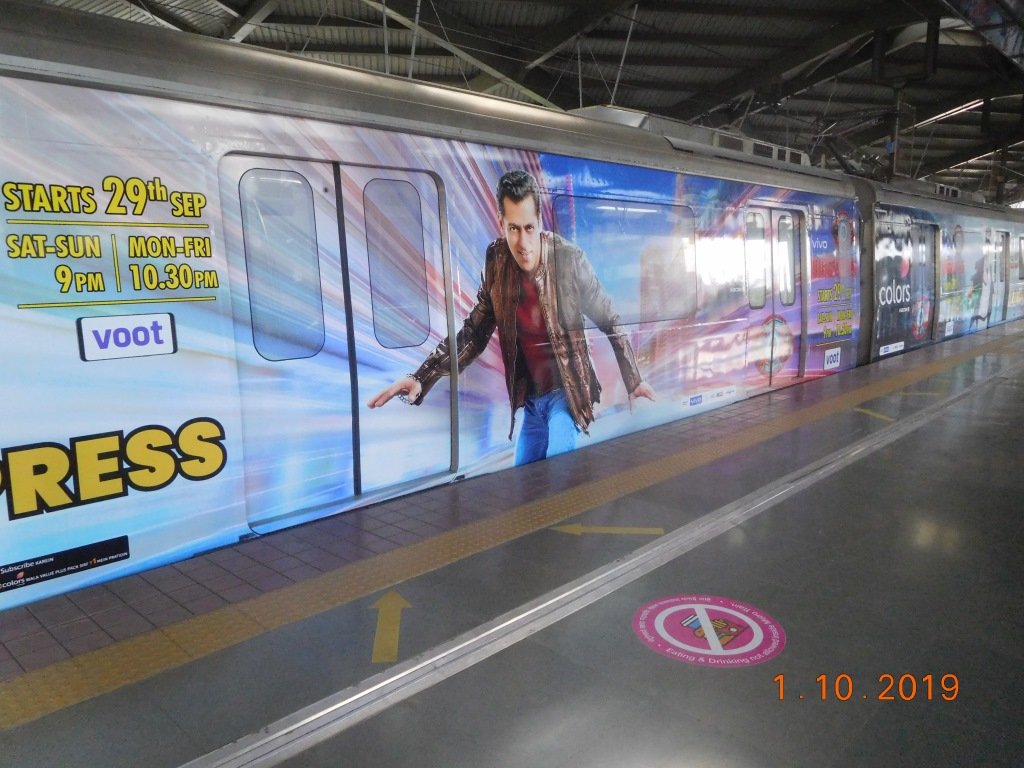
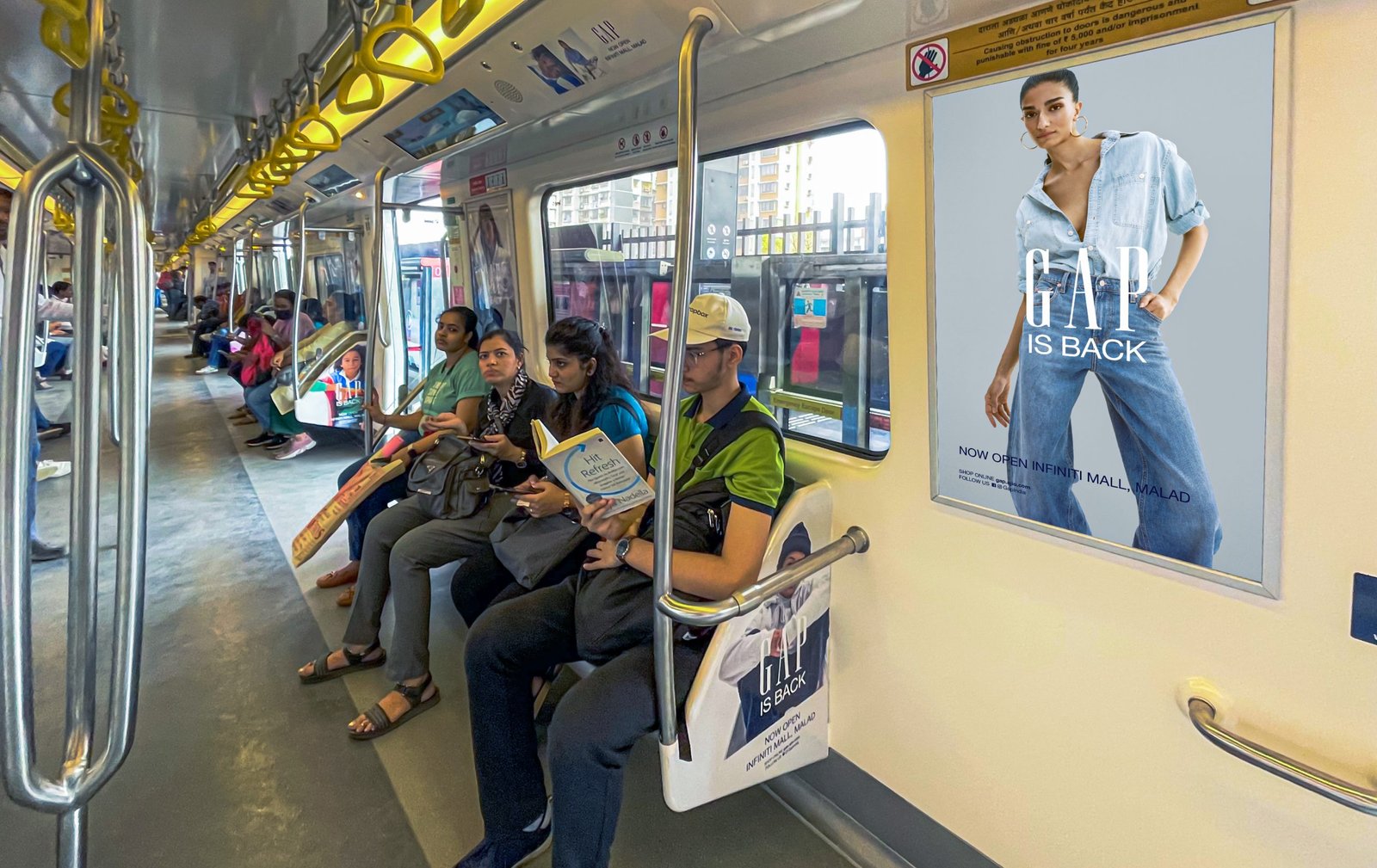
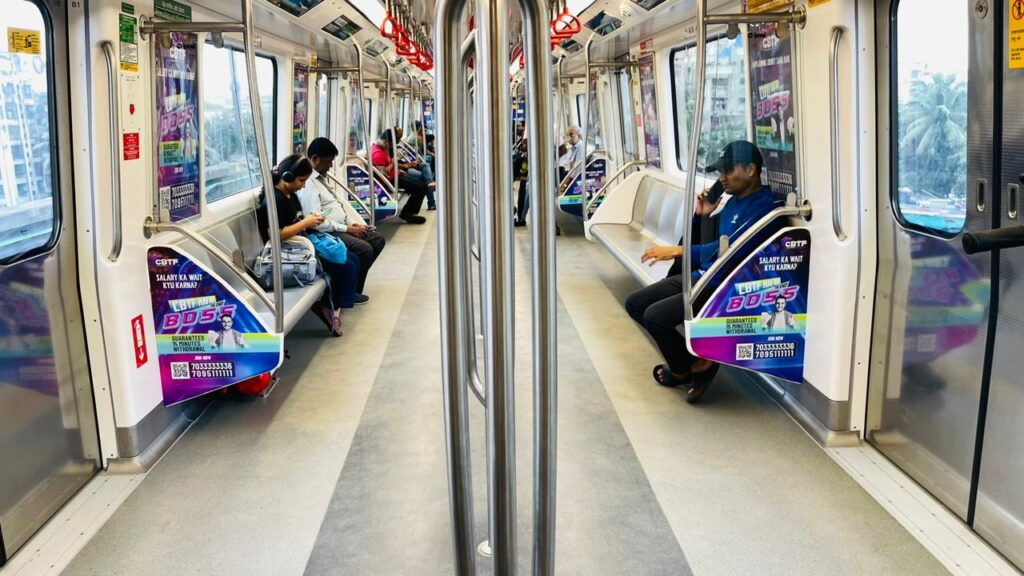
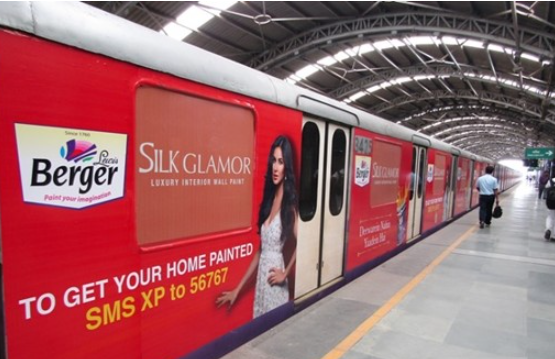
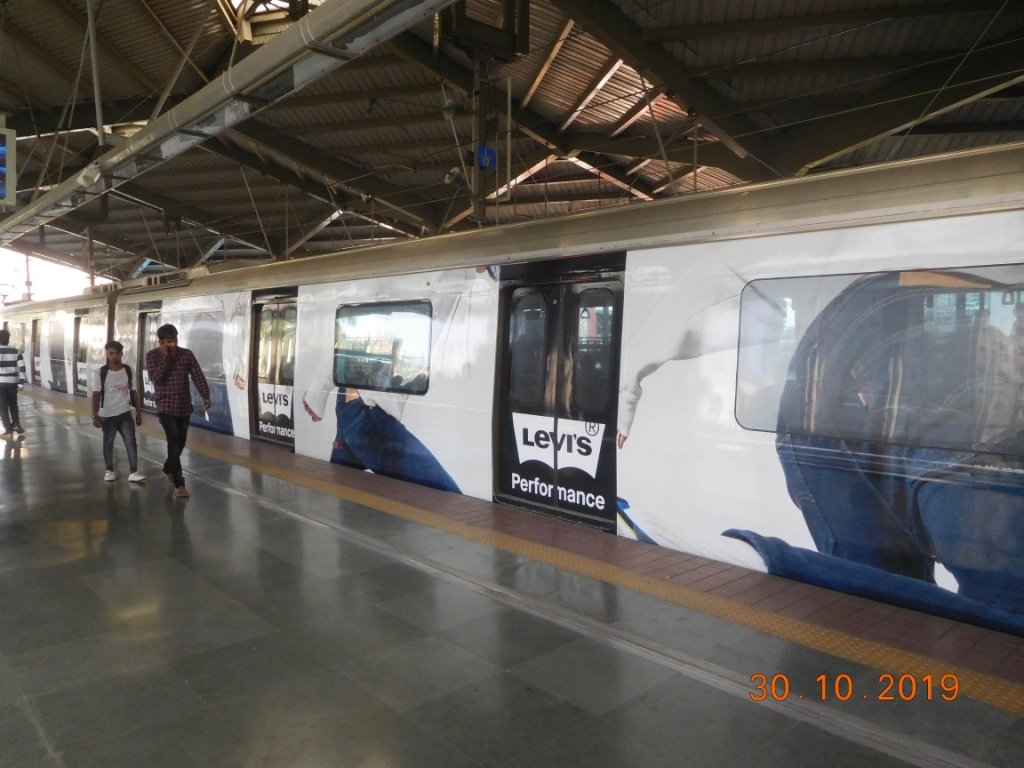
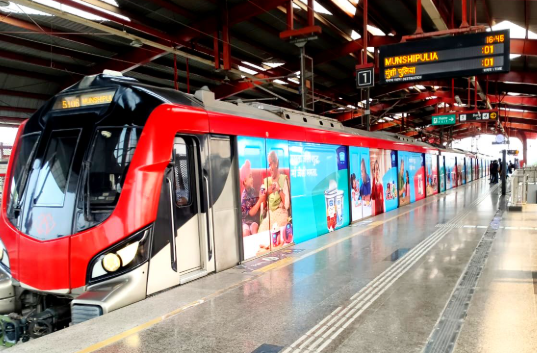
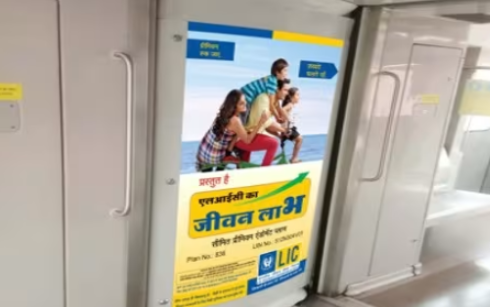
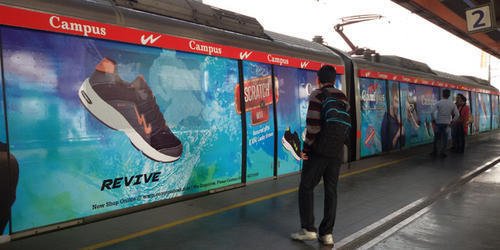
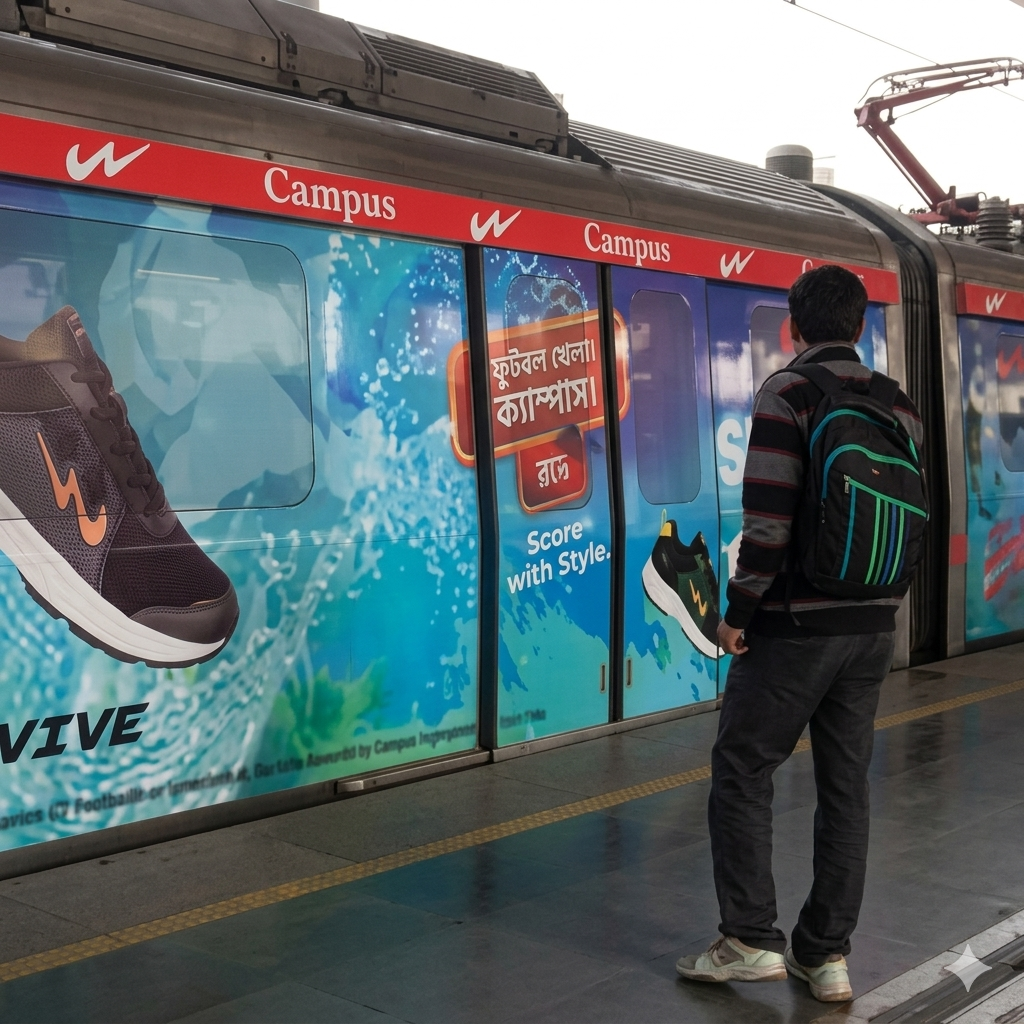
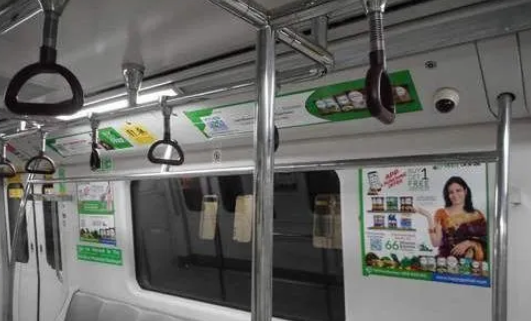
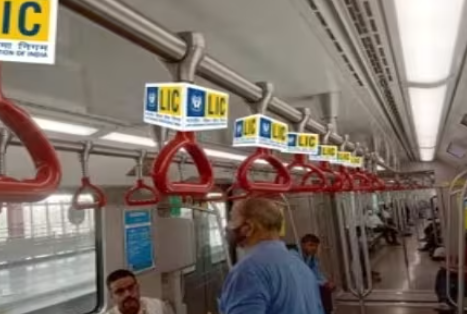
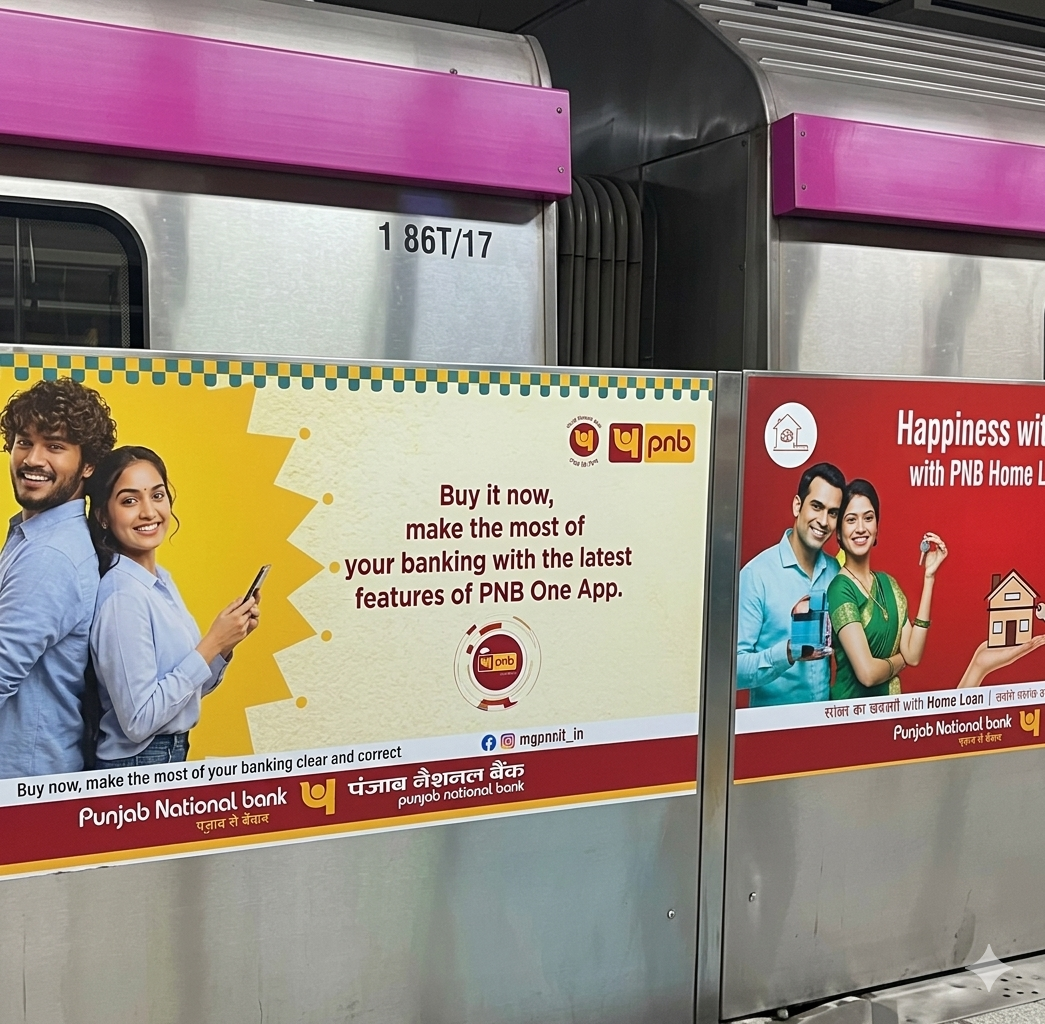
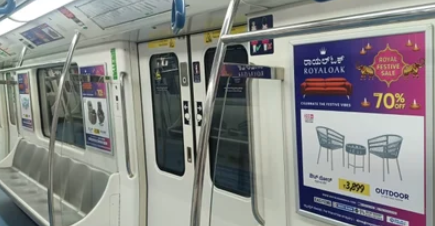
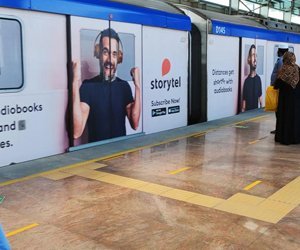
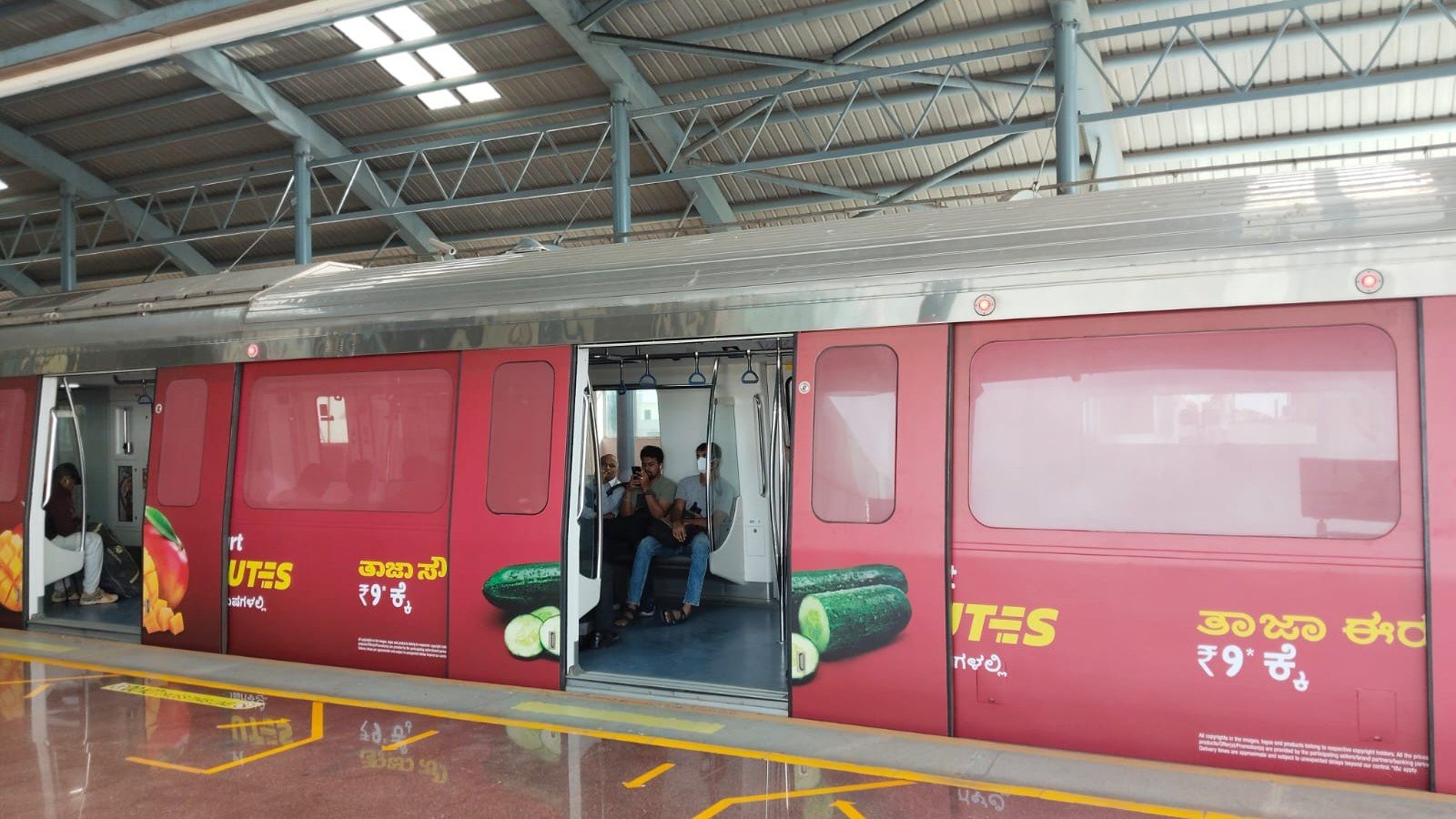
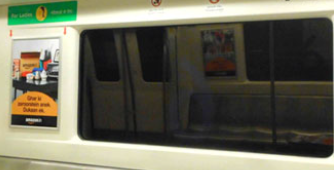
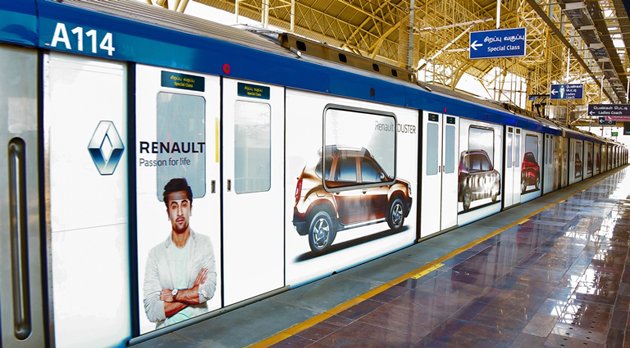
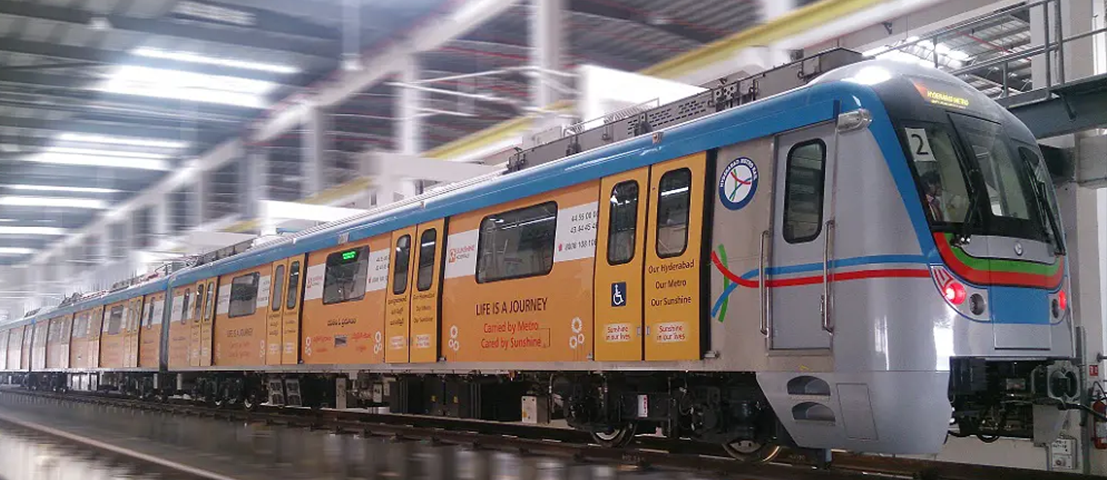
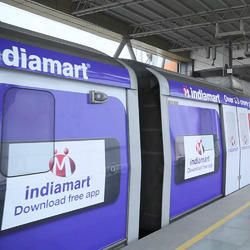
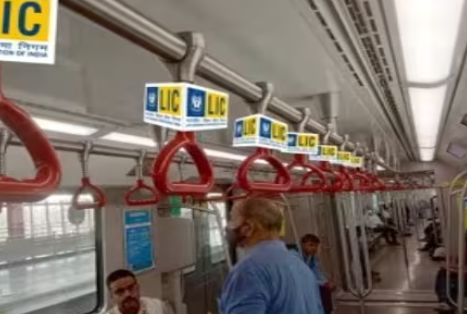
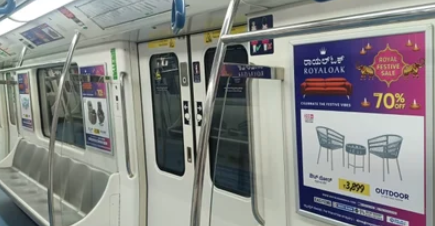
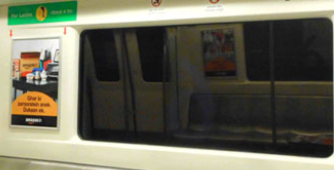
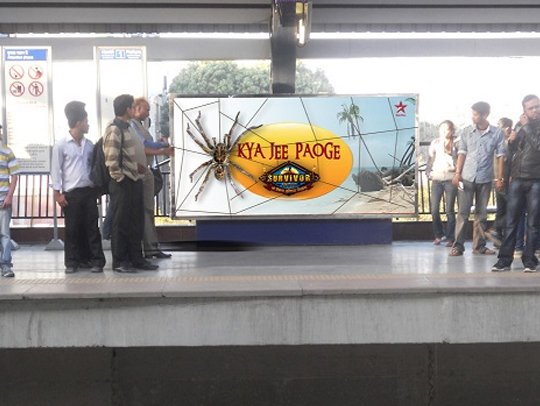
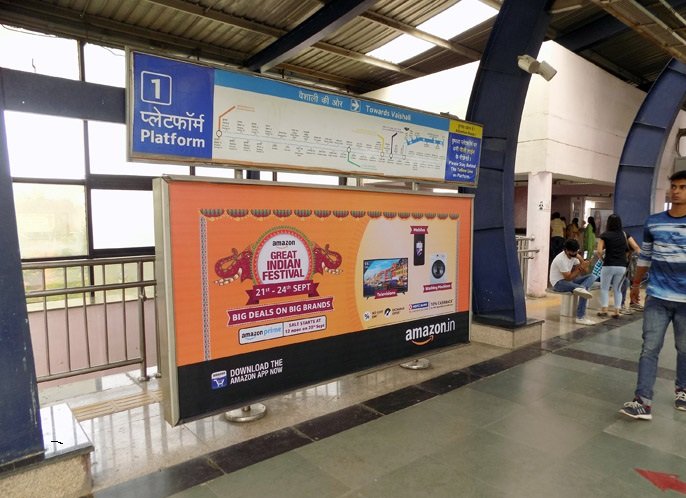
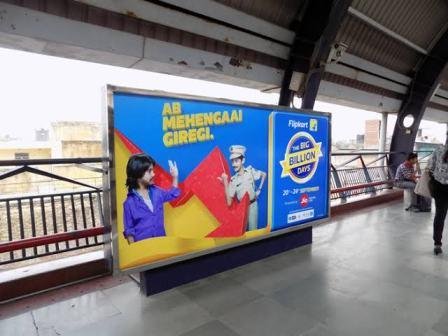
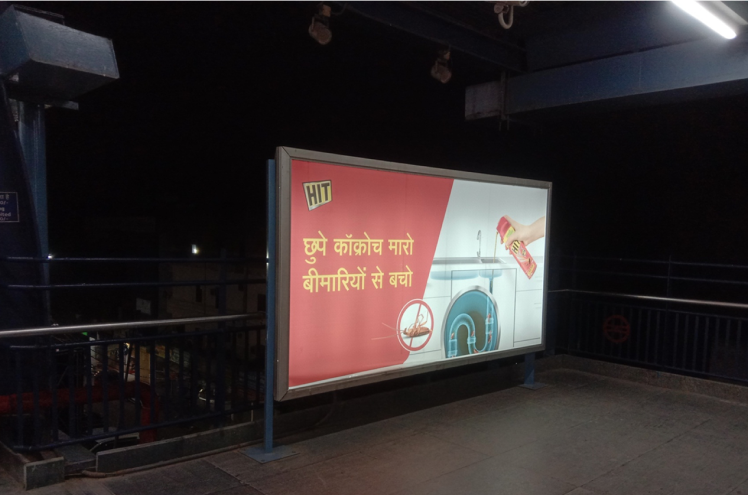
Inside Panels (24” x 6” approx, full coach) Installed inside metro coaches where commuters repeatedly engage with ads during travel time Train Wrap (200–240 sq.m full, 80–120 partial) Large exterior branding transforming trains into moving advertisements across the city Platform Panels (6×4 ft, 12×4 ft) Positioned in waiting areas capturing attention during dwell time Concourse Ads (20×10 ft, 10×4 ft) Located in high-traffic transition zones ensuring strong visibility during movement Entry/Exit Branding (3×6 ft) Placed at station entry and exit points guaranteeing unavoidable impressions Digital DOOH (32”–75”+) Dynamic digital screens delivering flexible and high-impact messaging
Top metro advertising companies combine these formats to create a complete commuter journey presence.


Metro Advertising Pricing & Entry Investment
Starting Price: [7,00,000]
This investment reflects the entry level for metro advertising at Lower Oshiwara. It represents a structured campaign approach where brands focus on consistent exposure and long-term recall, ensuring meaningful engagement rather than short-term visibility.
Lower Oshiwara Metro Advertising Agency Services for Targeted Reach
Metro advertising at Lower Oshiwara allows brands to reach specific audience segments based on commuter behavior and location dynamics. Campaigns can be tailored to align with daily routines, ensuring higher engagement.
Retail brands, digital platforms, and real estate businesses benefit from targeted reach within a defined urban ecosystem, making this station highly effective for transit media advertising.
Lower Oshiwara Metro Advertising Companies Driving Urban Visibility
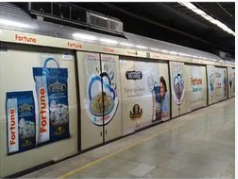
Metro advertising works through multi-touchpoint exposure, where commuters interact with ads at different stages of their journey. From inside panels to metro wrap advertising, each format contributes to a layered presence.
This ensures that brands remain consistently visible, improving recall and strengthening engagement among daily commuters.
Metro Advertising Format Selection Strategy
Selecting the right format depends on campaign goals. Inside panels are ideal for repeated engagement, while platform panels capture attention during waiting periods. Metro wrap advertising delivers broader visibility, and digital screens offer flexibility for dynamic messaging.
A well-balanced format mix ensures wide reach combined with deeper engagement, maximizing campaign effectiveness.
Metro Advertising Cost Considerations by Agencies and Companies
Metro advertising planning depends on factors such as station importance, commuter density, format selection, campaign duration, and illumination. These elements directly influence campaign outcomes.
Both agencies and companies evaluate these variables carefully to ensure campaigns align with business goals while optimizing visibility and efficiency.
Metro Campaign Planning Approach
Effective metro campaigns begin with understanding commuter patterns, selecting suitable formats, and aligning creatives with audience movement. Timing and duration play a crucial role in ensuring consistent exposure.
Execution involves coordination, creative adaptation, and strategic placement to maximize campaign impact from the start.
FAQs
1. Does metro advertising provide strong ROI for urban brands?
Yes, repeated exposure within daily commuter routines significantly improves recall, contributing to long-term ROI.
2. Which placements deliver the highest visibility?
Train wrap advertising and platform panels provide strong visibility, while inside panels ensure consistent engagement.
3. Does campaign duration affect results?
Longer campaigns allow repetition to build, making them more effective in driving recall and response.
4. Is metro advertising effective for multi-location campaigns?
Yes, especially when multiple formats are combined to create layered exposure across stations.
5. How does visibility compare to investment?
Metro advertising provides consistent and repeated impressions, offering strong value compared to one-time exposure formats.
6. Can brands combine multiple formats in one campaign?
Yes, combining formats enhances both reach and recall, improving overall campaign outcomes.
Website: https://acmeadvertiser.com/
LinkedIn: https://www.linkedin.com/company/acme-advertising-co/