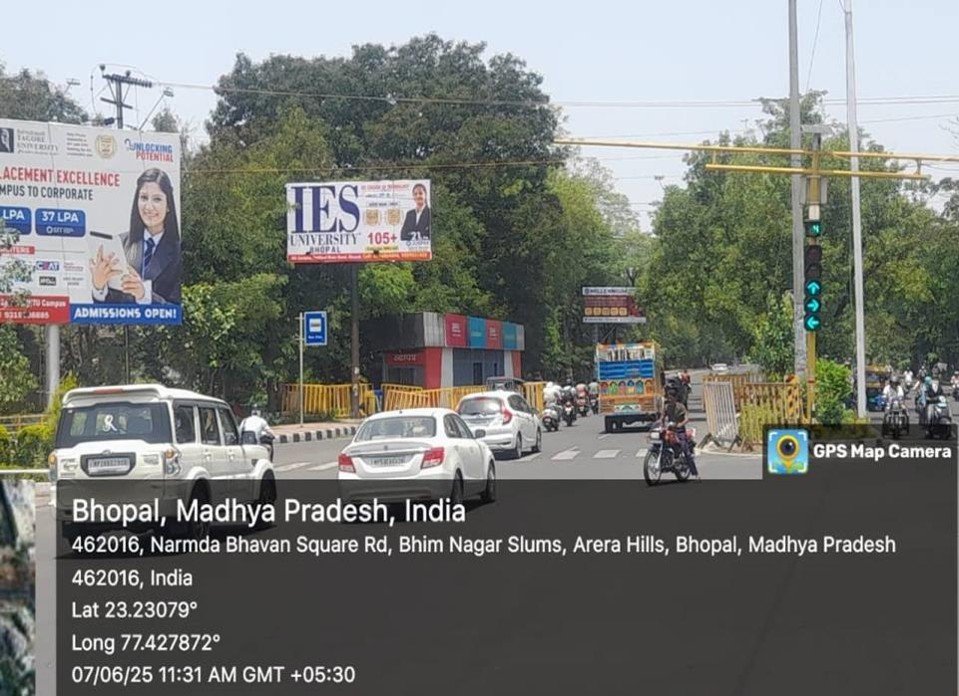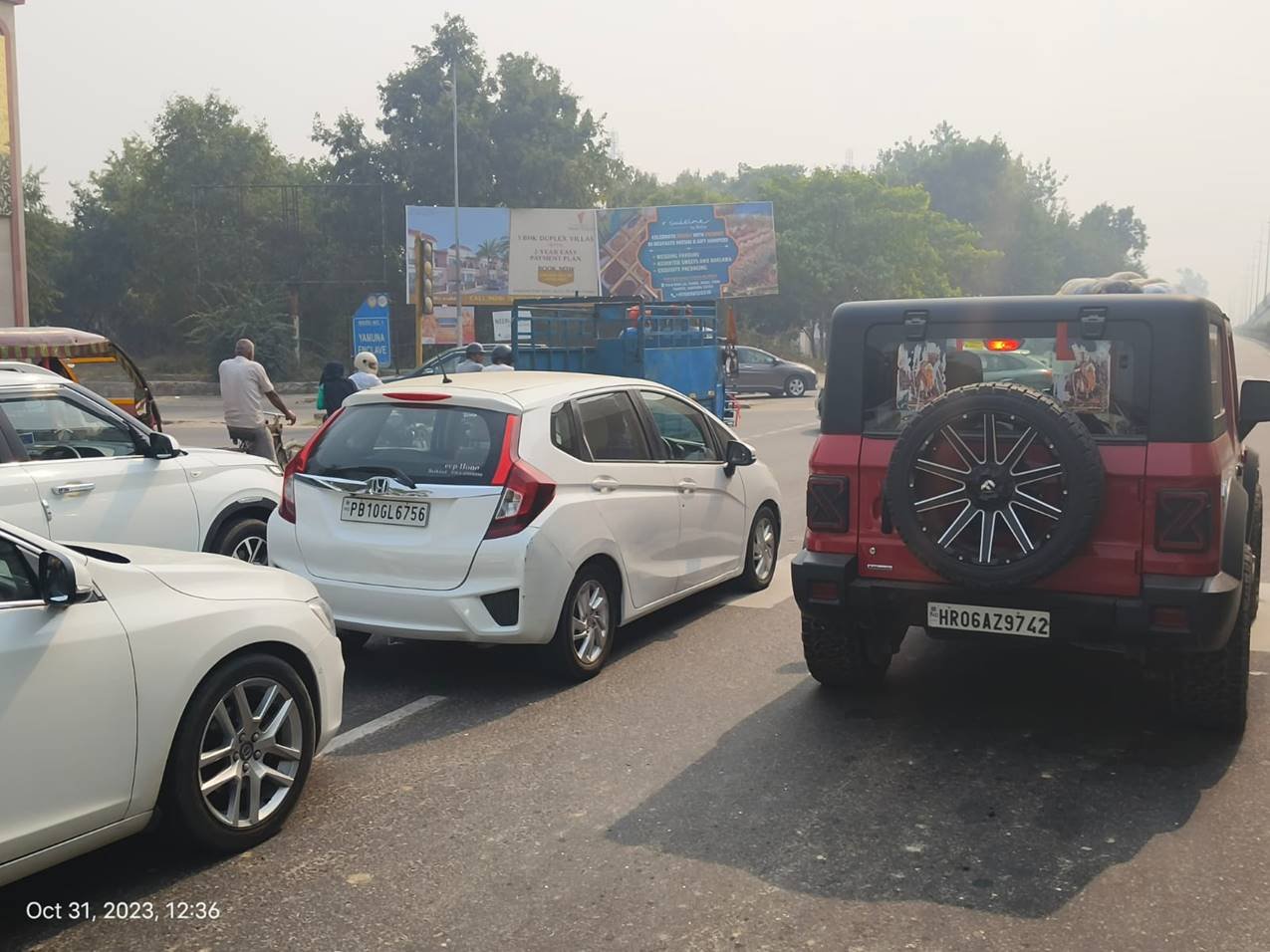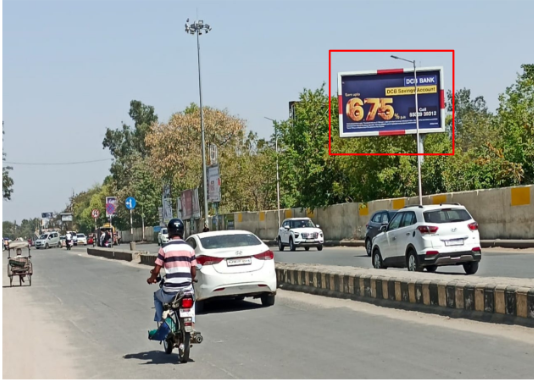
Hoarding Advertising towards Raja Garden
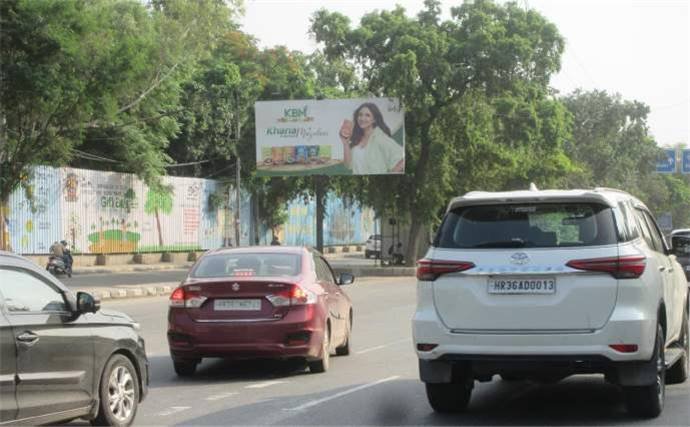
Hoarding Advertising towards Raja Garden, Delhi
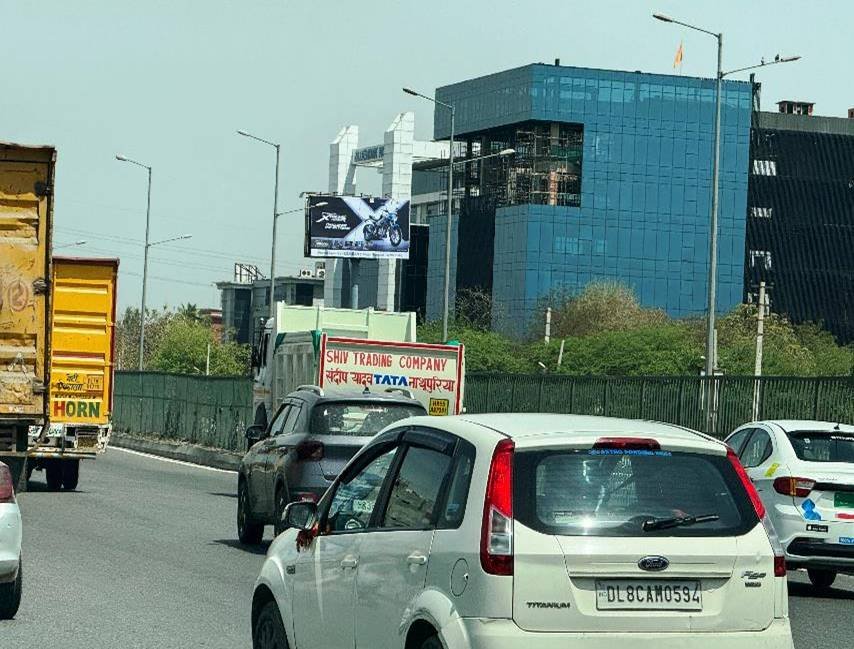
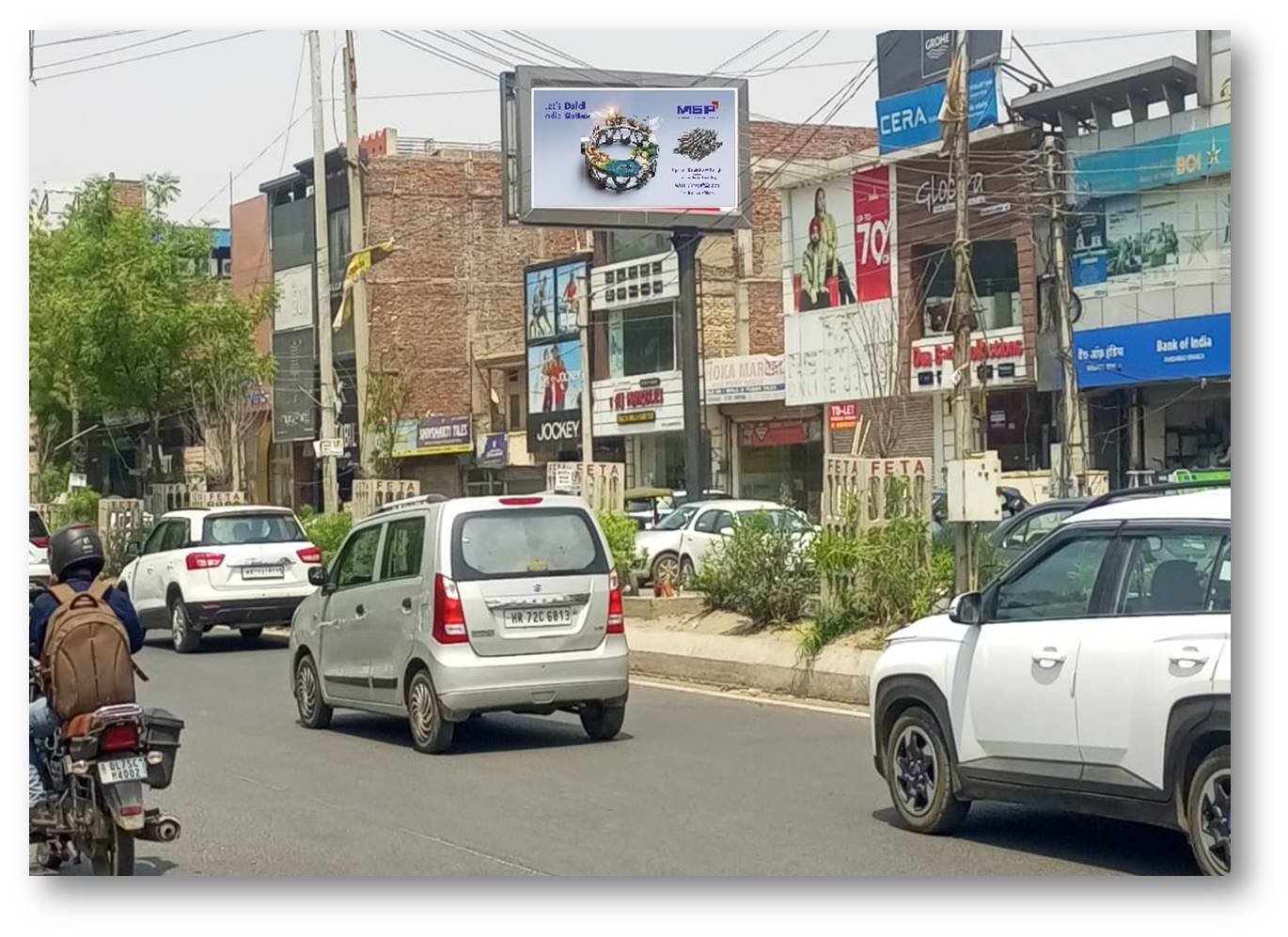
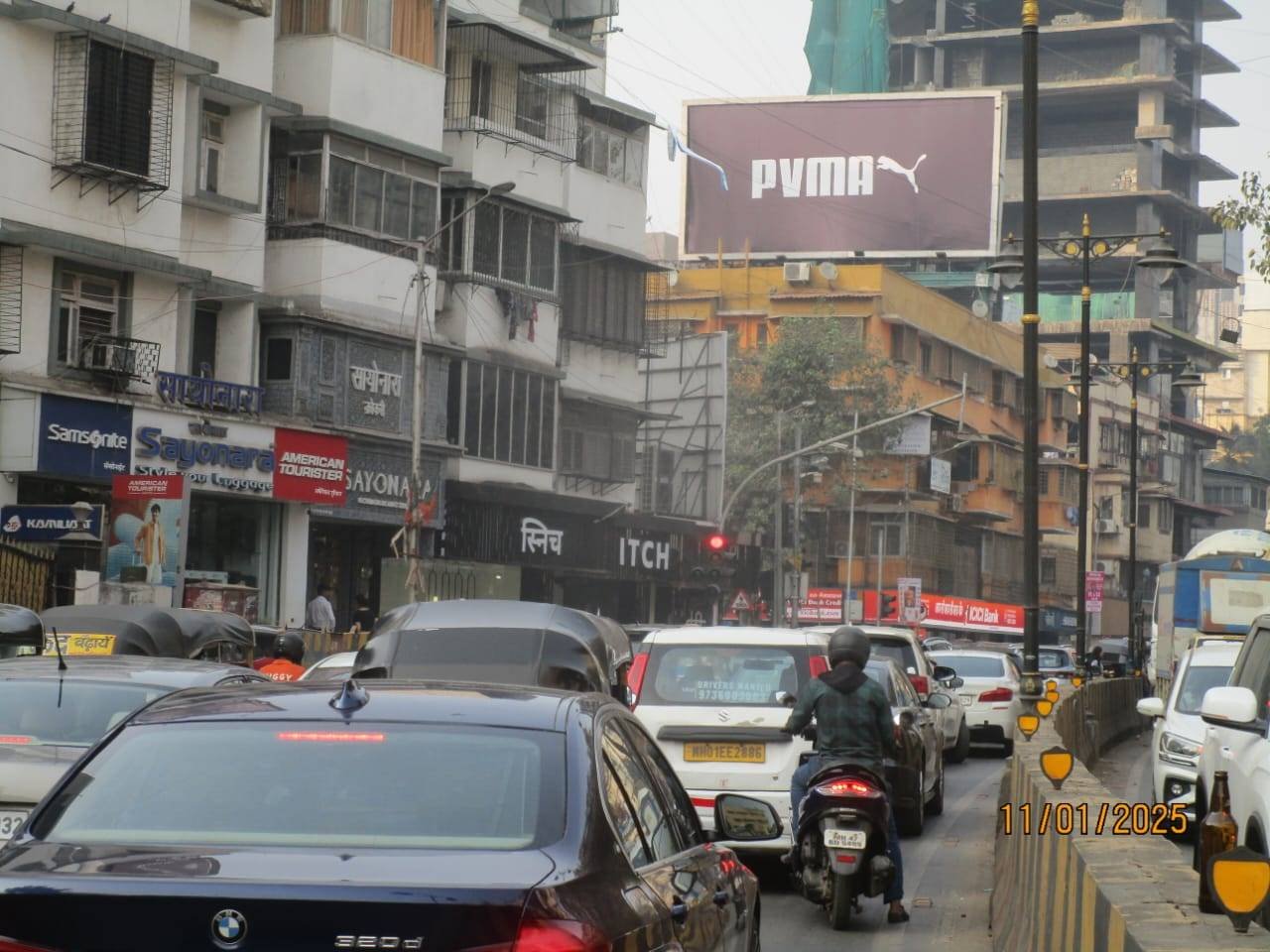
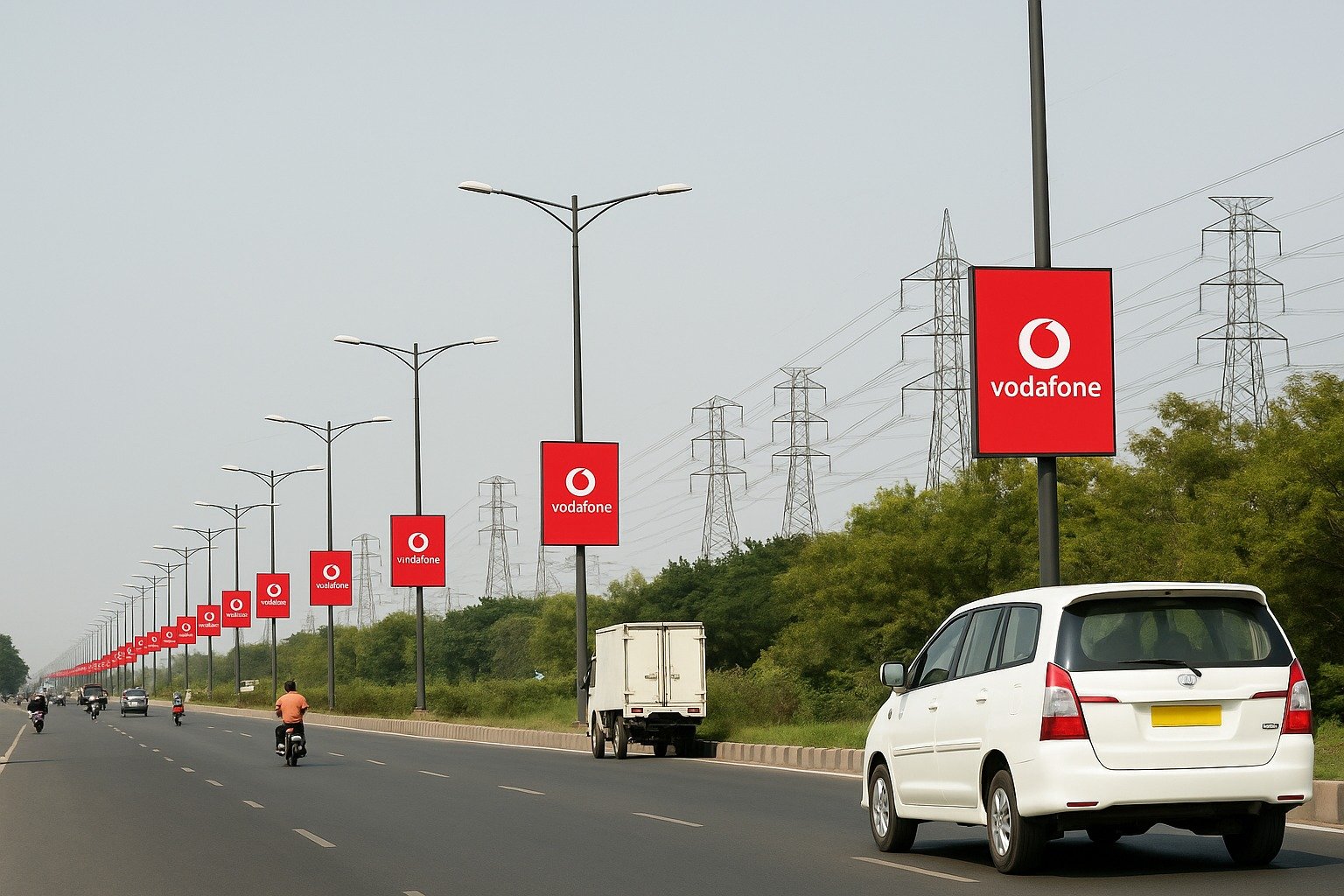
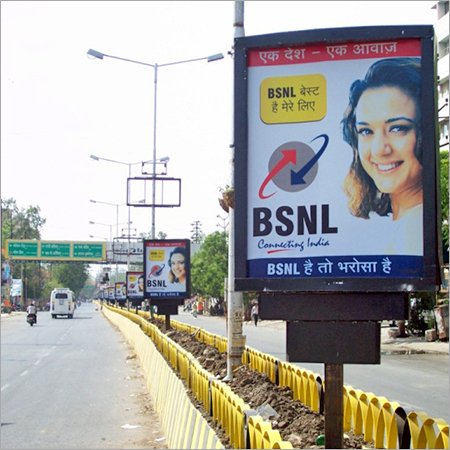
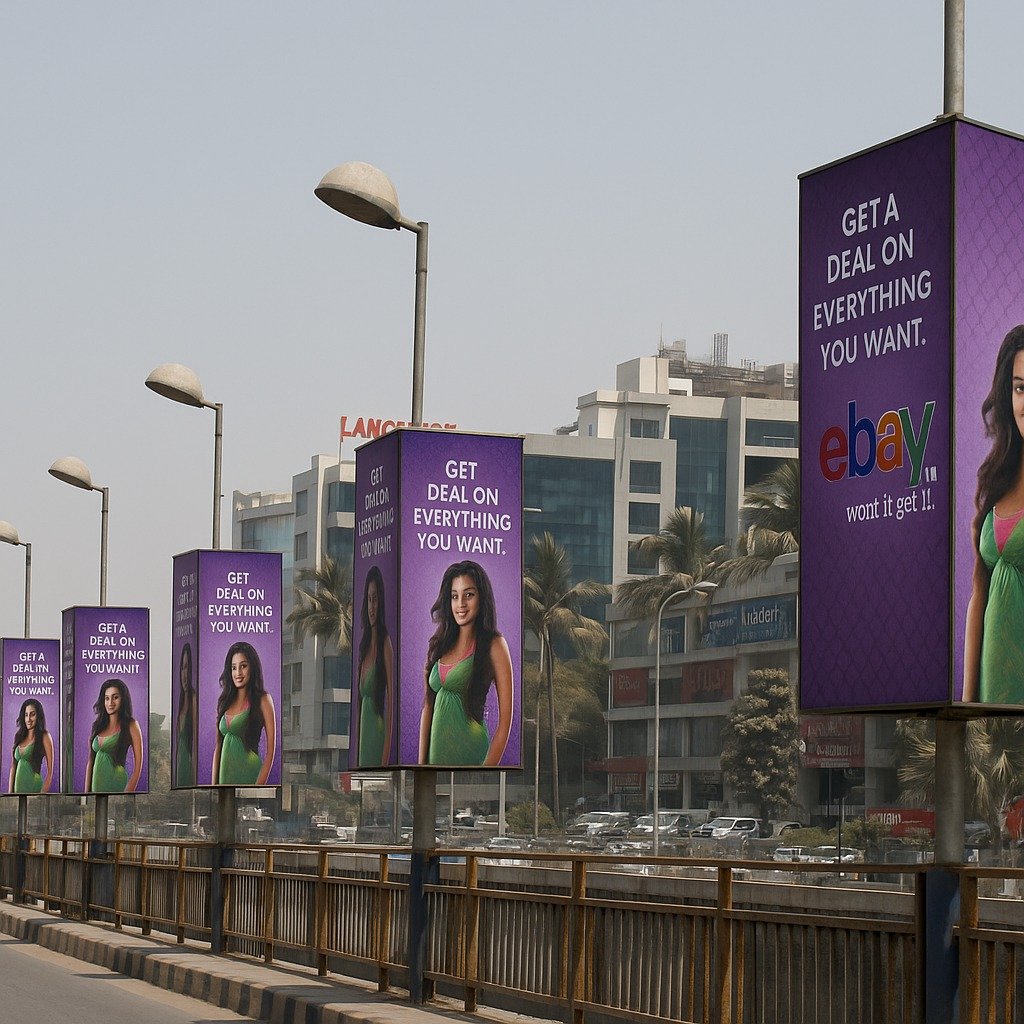
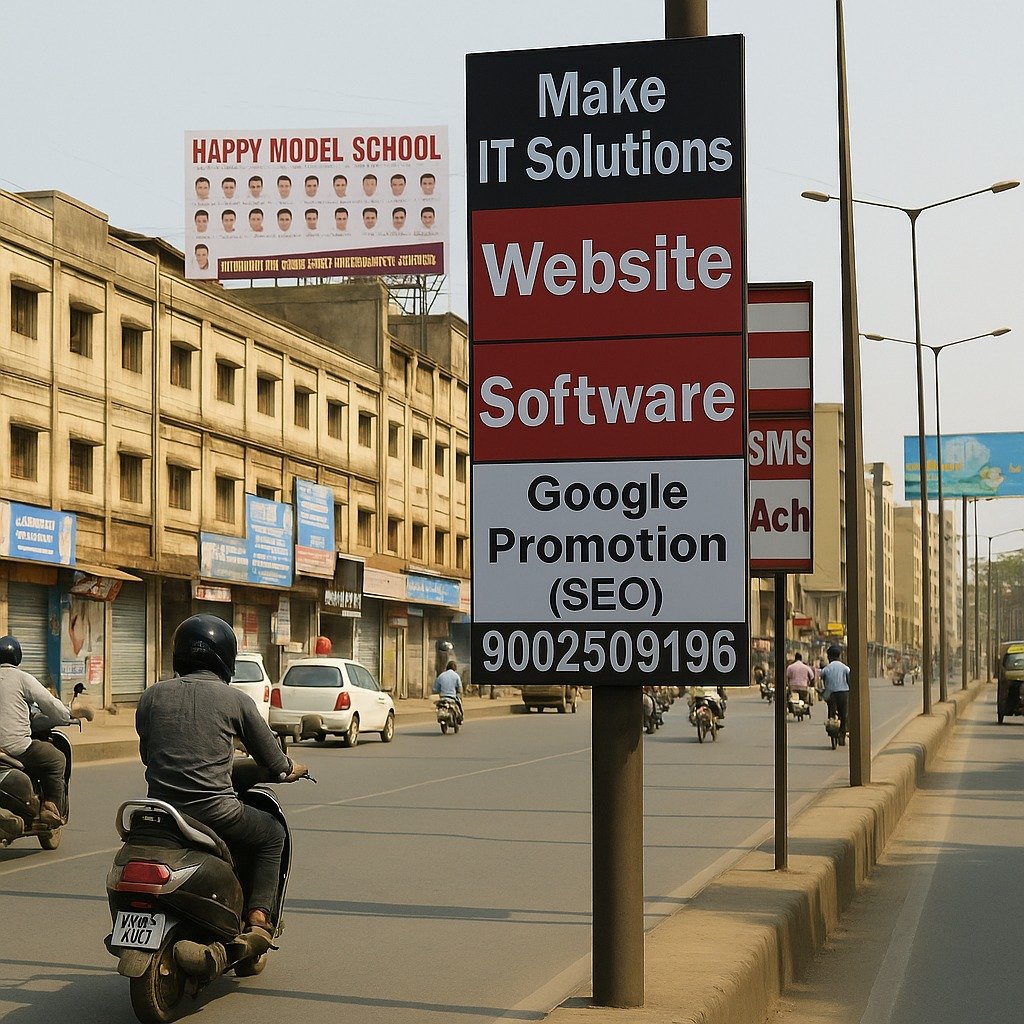
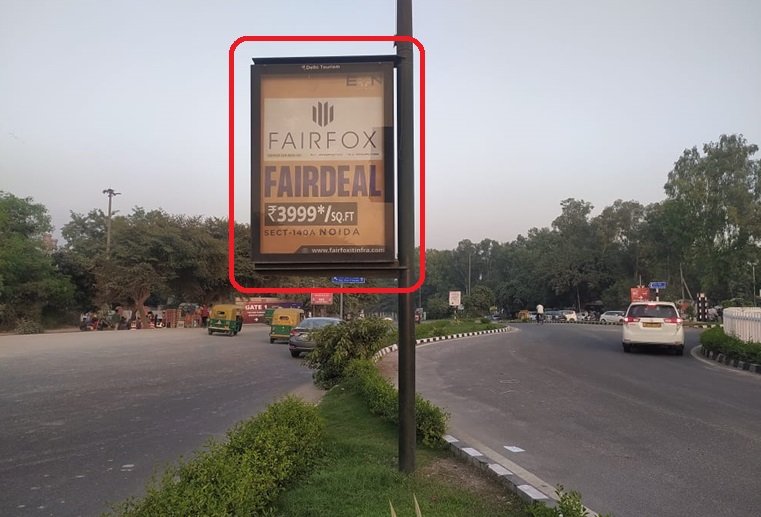
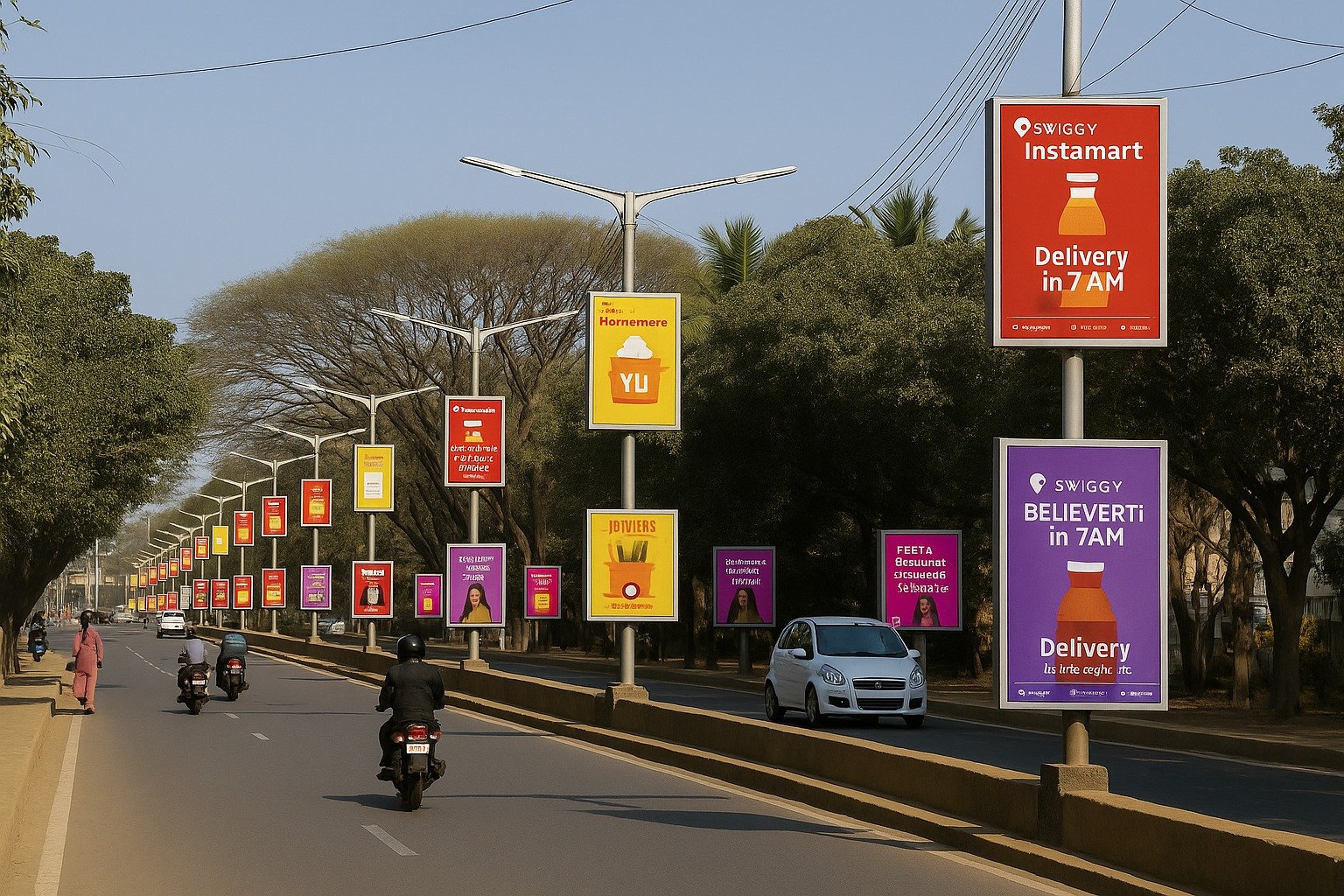
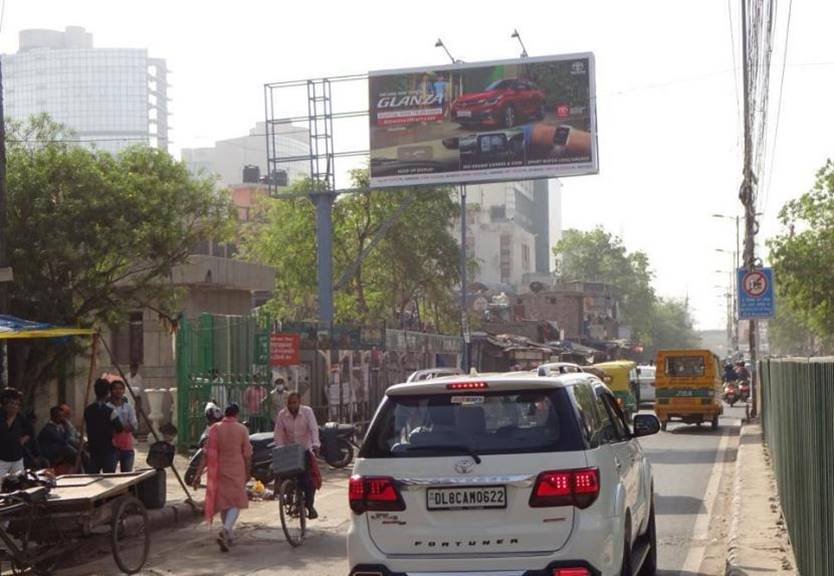
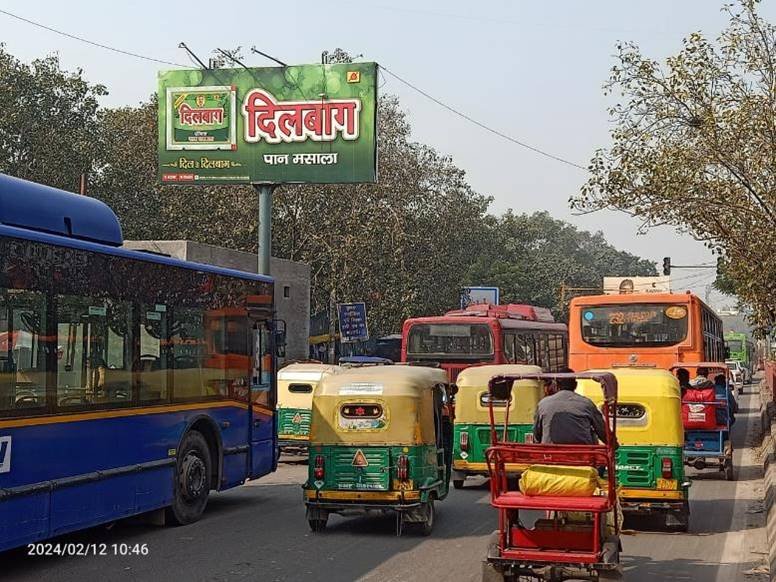
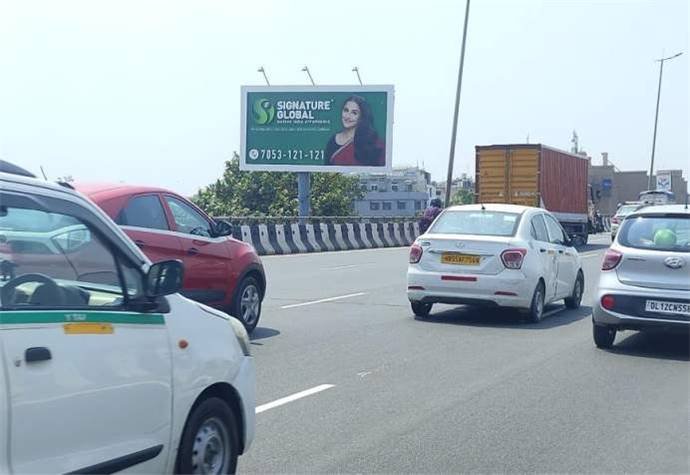
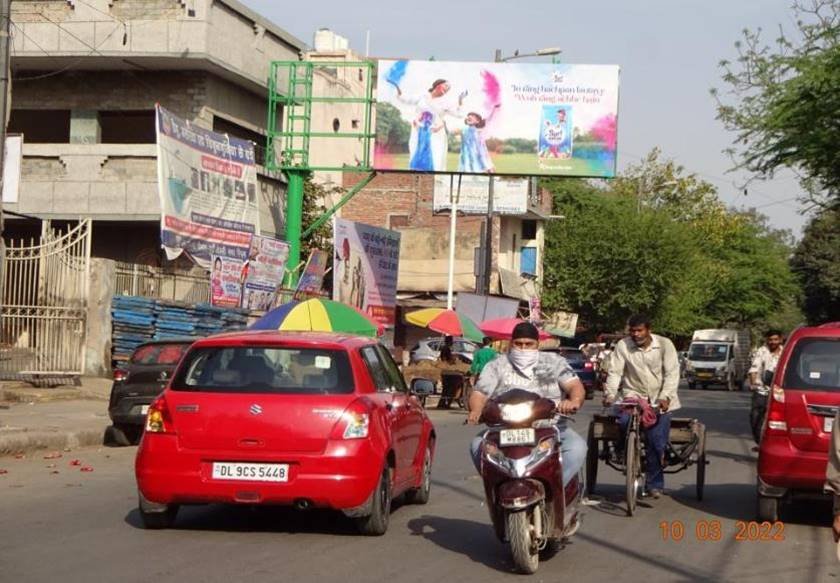
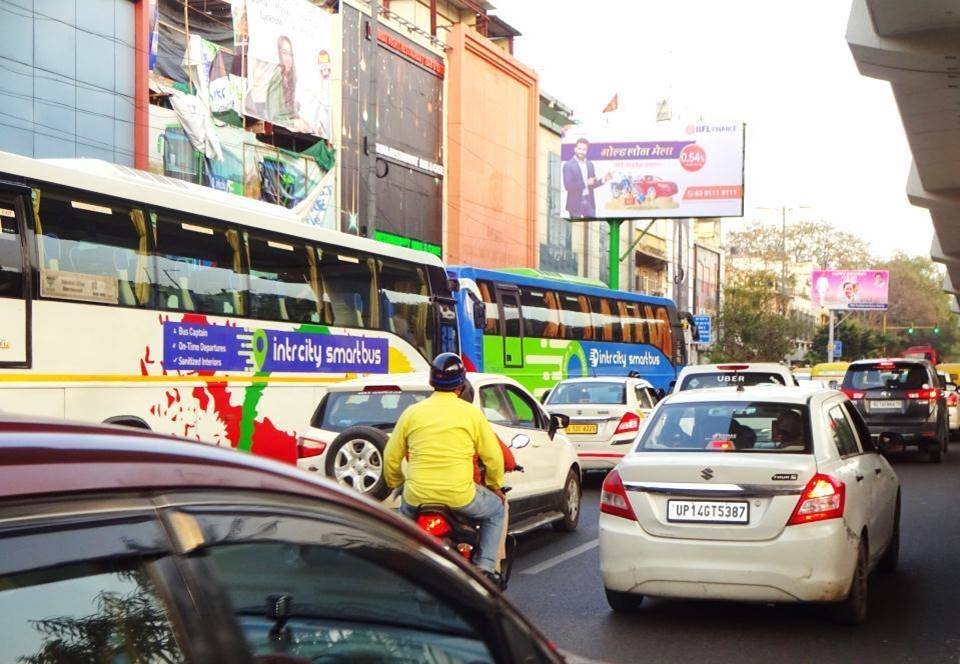
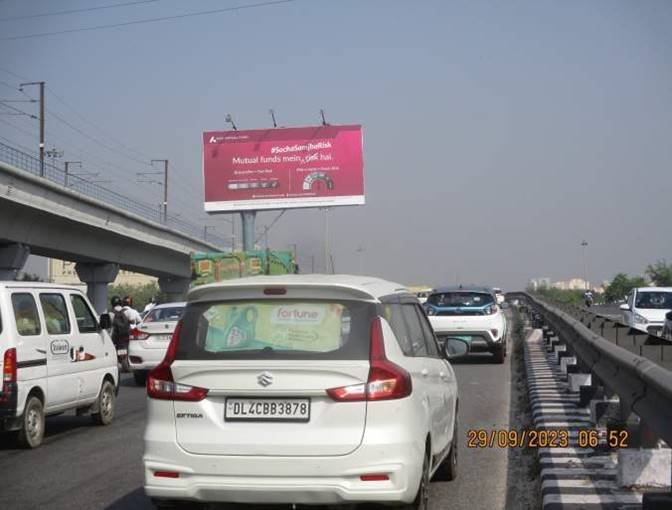
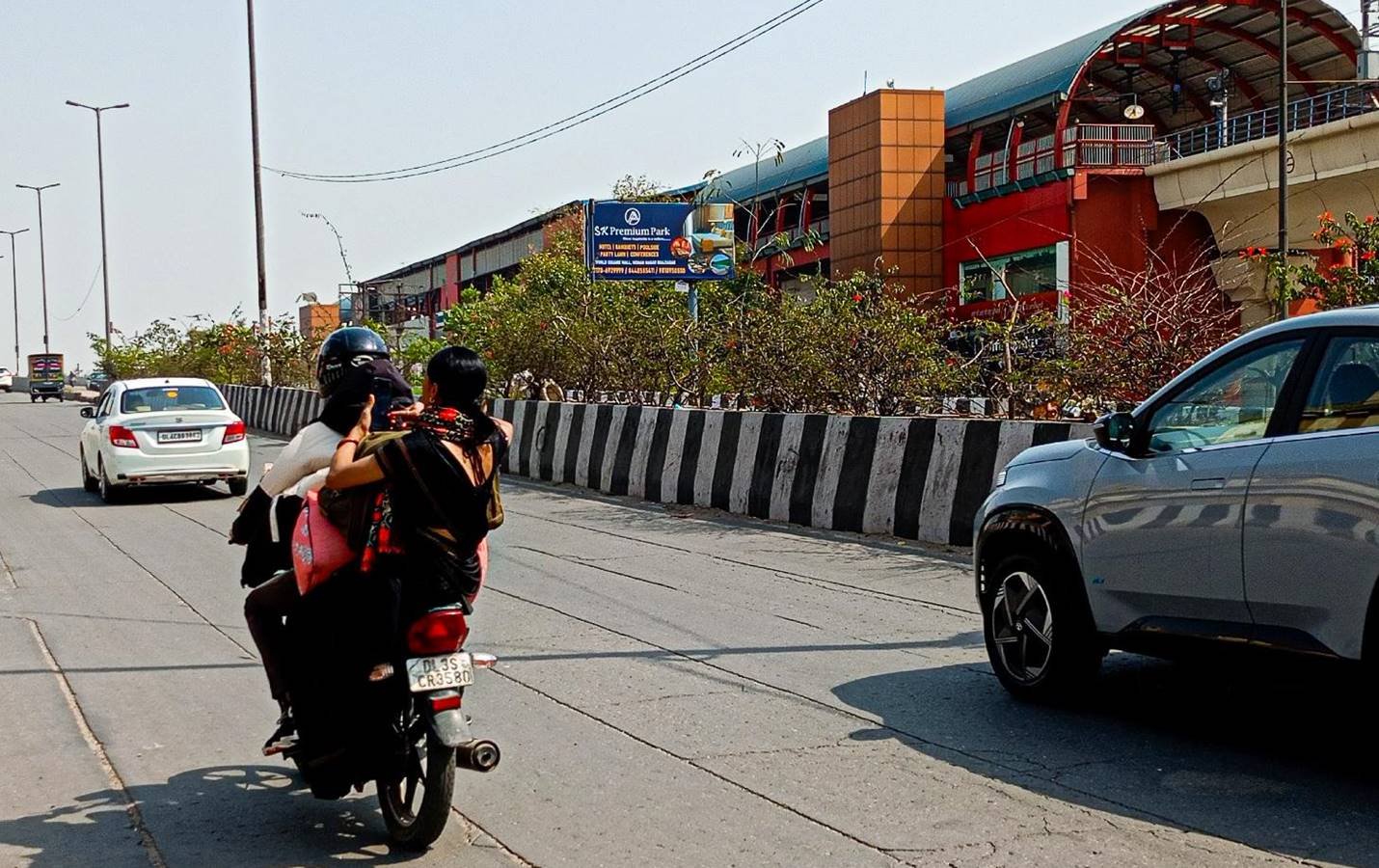
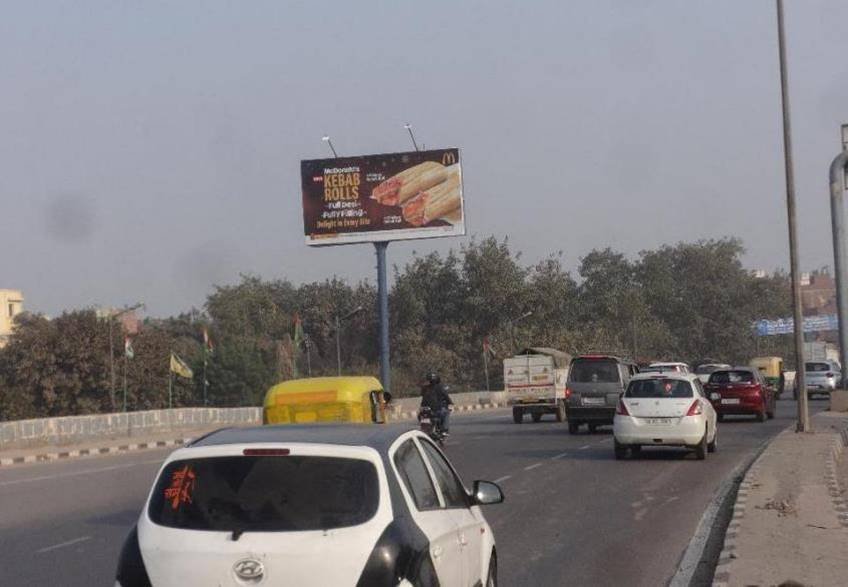
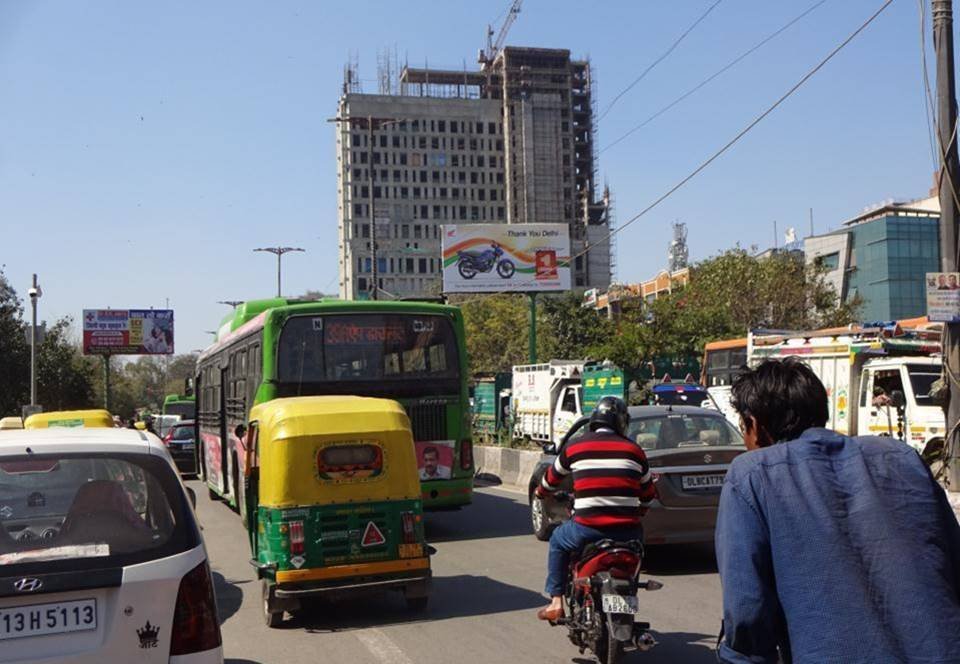
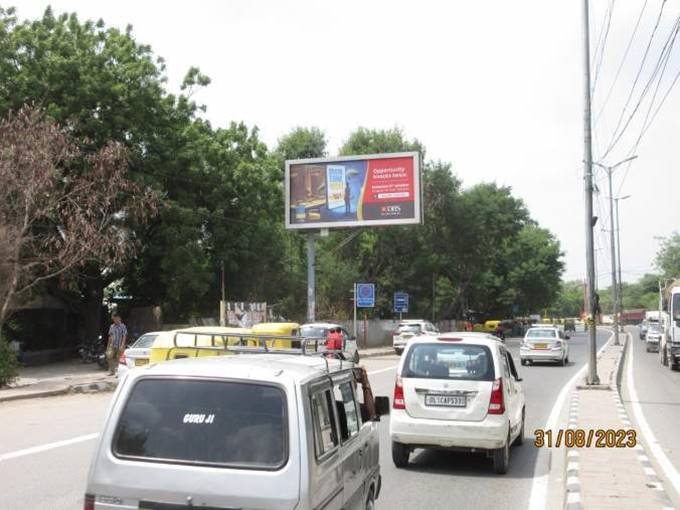
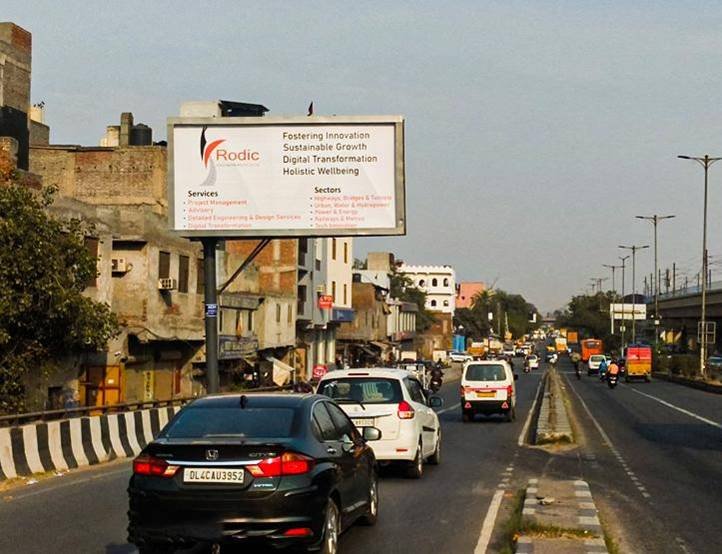
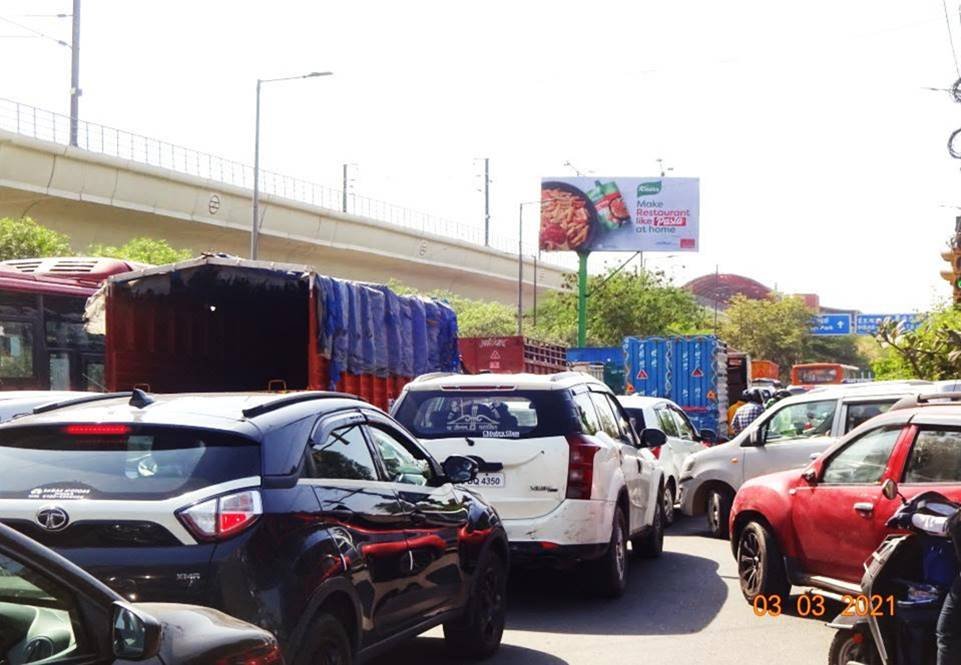
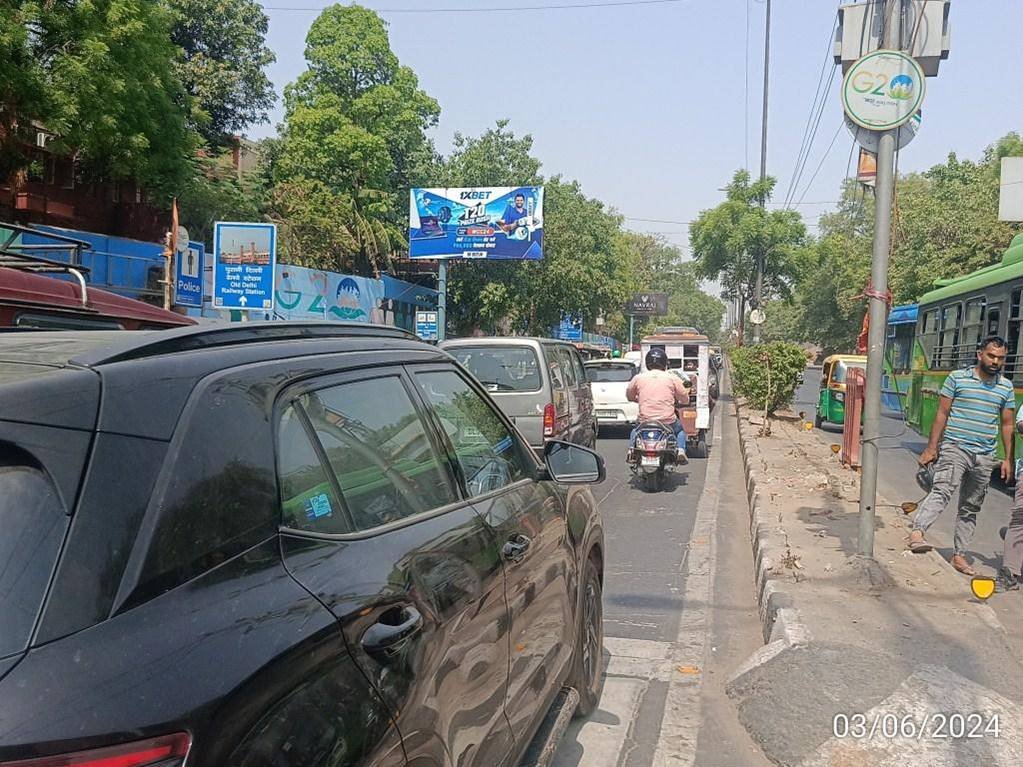
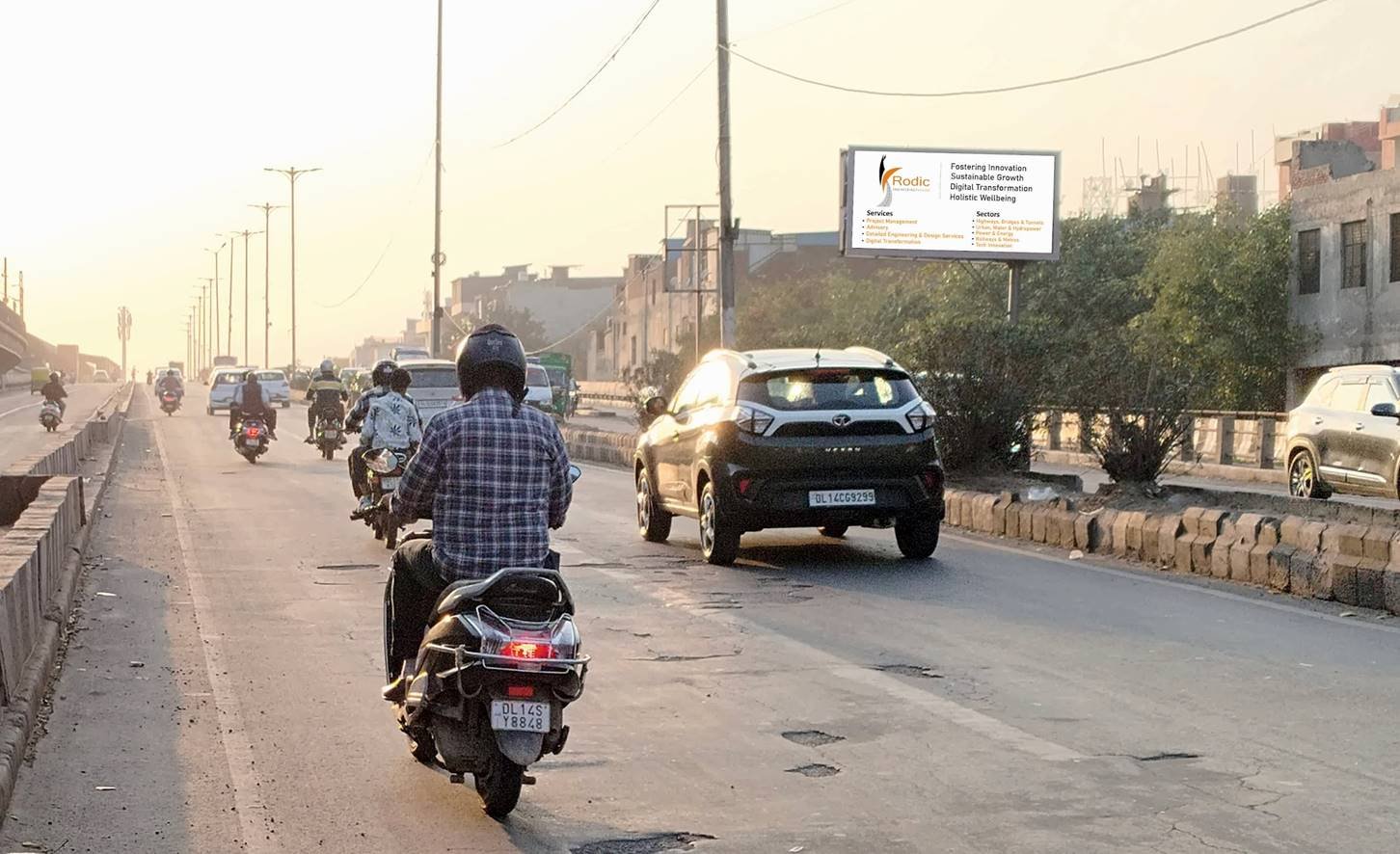
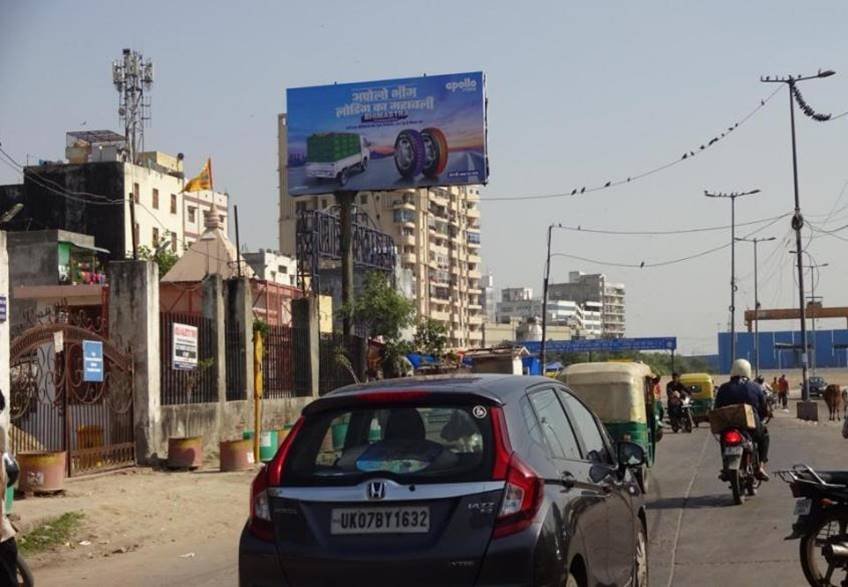
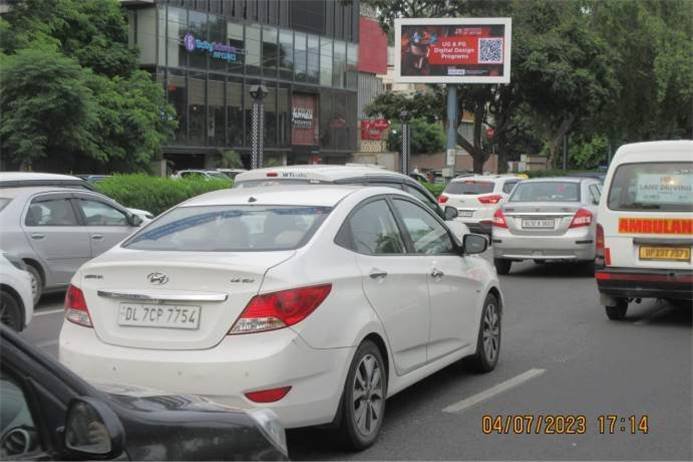
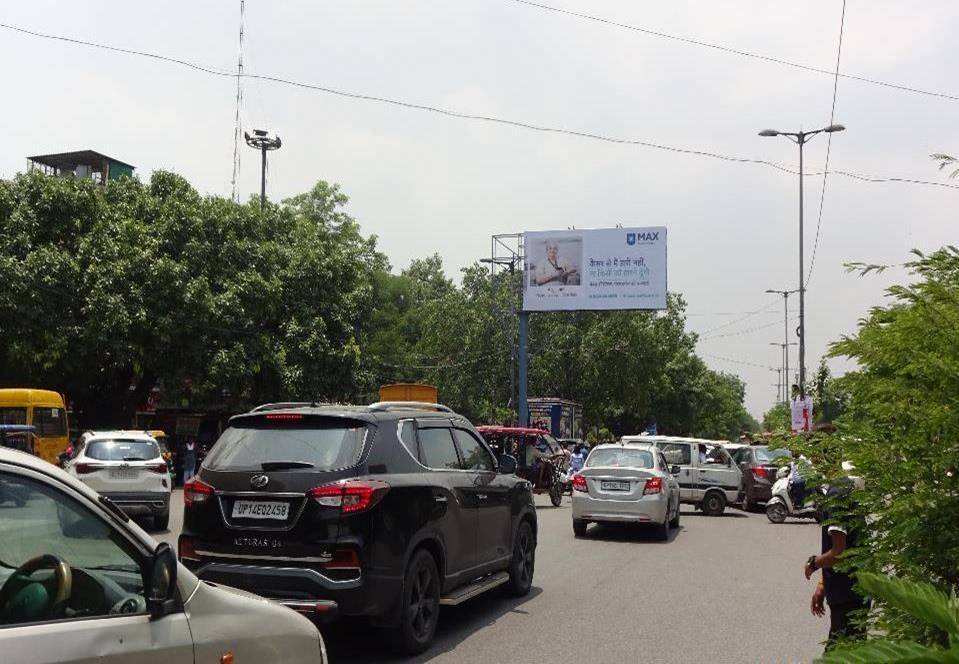
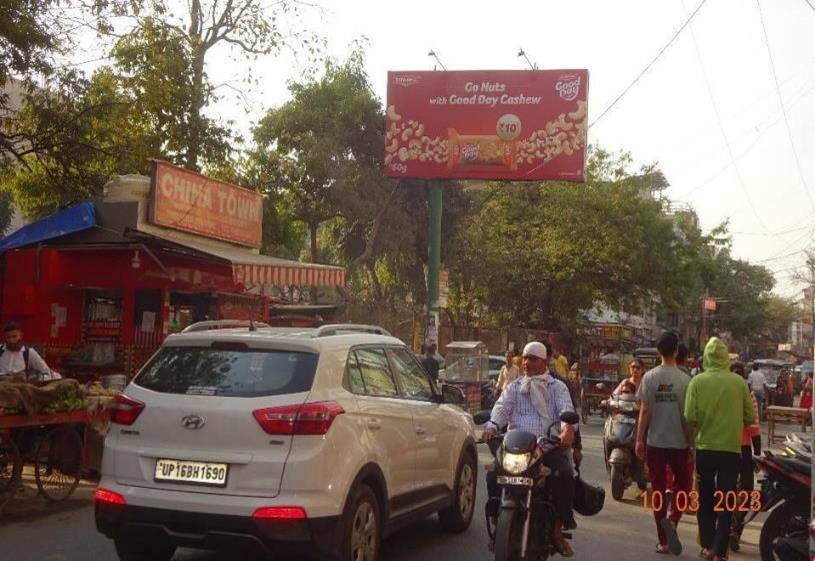
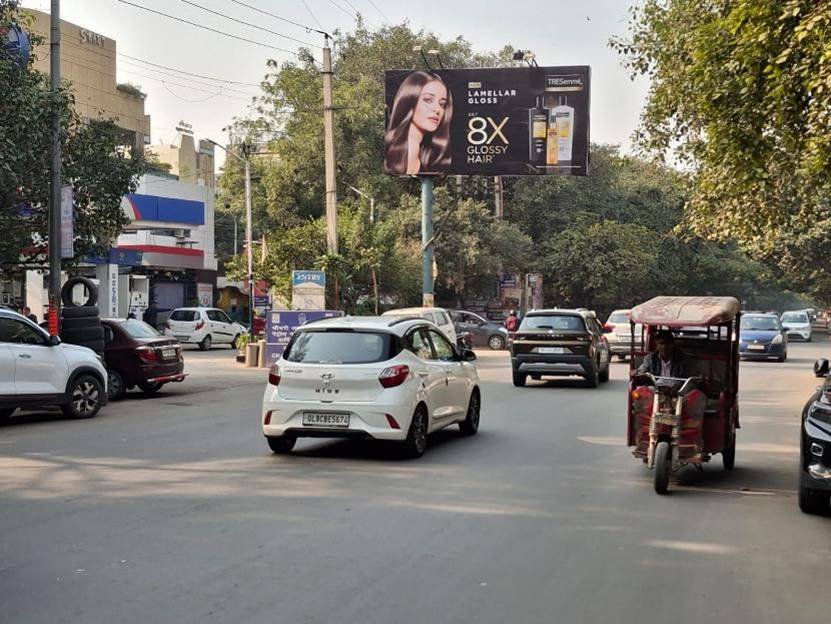
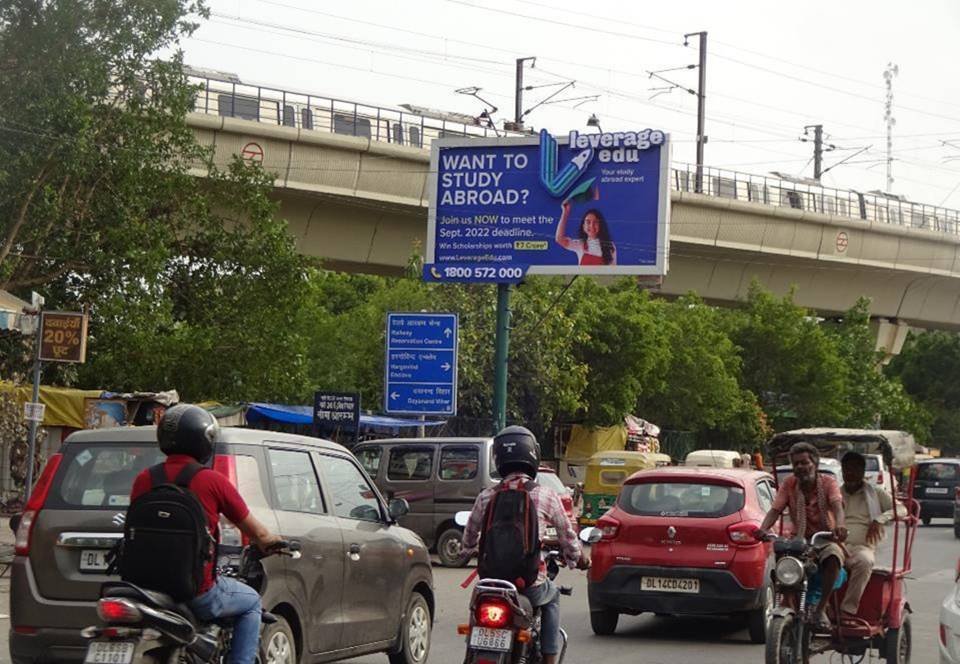
Hoarding Advertising towards Raja Garden, Delhi represents a high-visibility outdoor media opportunity positioned along a critical movement corridor in West Delhi. This stretch carries sustained vehicular flow connecting residential clusters, commercial pockets, and arterial routes feeding into central and outer districts.
The format benefits from elevated positioning, uninterrupted sightlines, and consistent exposure cycles. As part of the broader outdoor ecosystem in Delhi, this site aligns with traffic-dominant planning principles, ensuring repeat visibility among daily commuters and destination-driven audiences.
Why This Location Works
The corridor towards Raja Garden functions as a directional flow route rather than a static neighborhood pocket. Traffic here is intent-based—commuters, shoppers, and business visitors—resulting in measurable dwell time during peak congestion windows.
Key strengths include:
- Strong west-to-central Delhi connectivity
- Dense residential surroundings feeding daily commute cycles
- Retail and market spillover movement
- Signal-controlled intersections increasing exposure duration
- Multi-lane carriageways improving visibility angles
These structural factors make Hoarding Advertising towards Raja Garden, Delhi suitable for sustained awareness campaigns that rely on frequency and route familiarity.

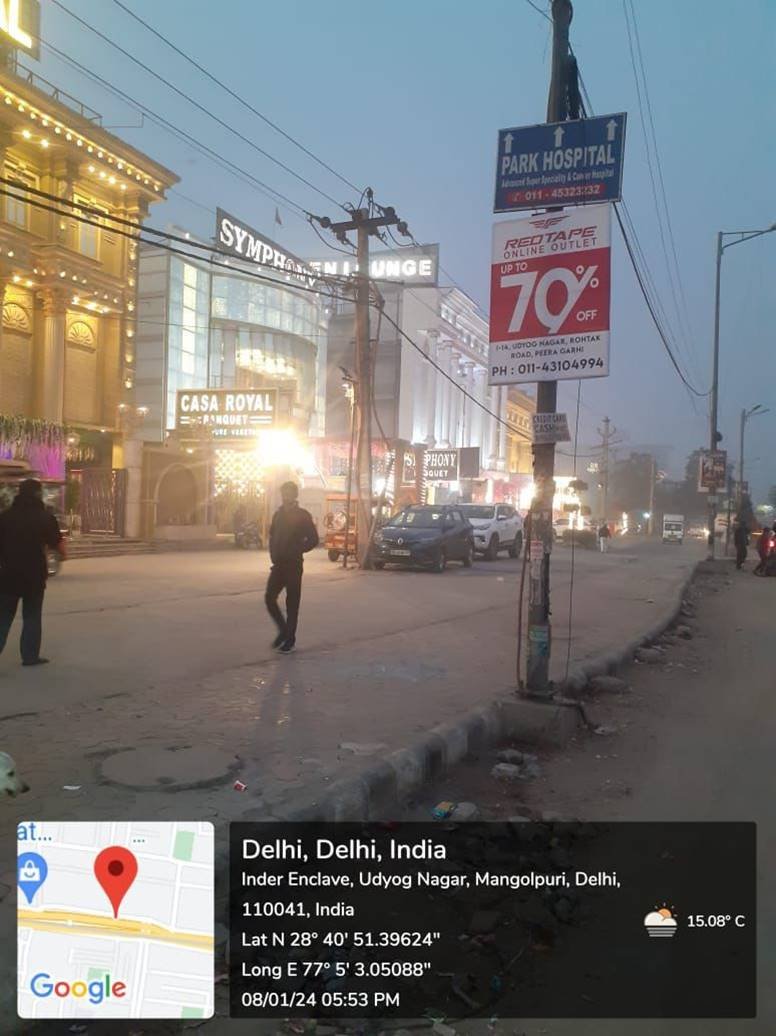
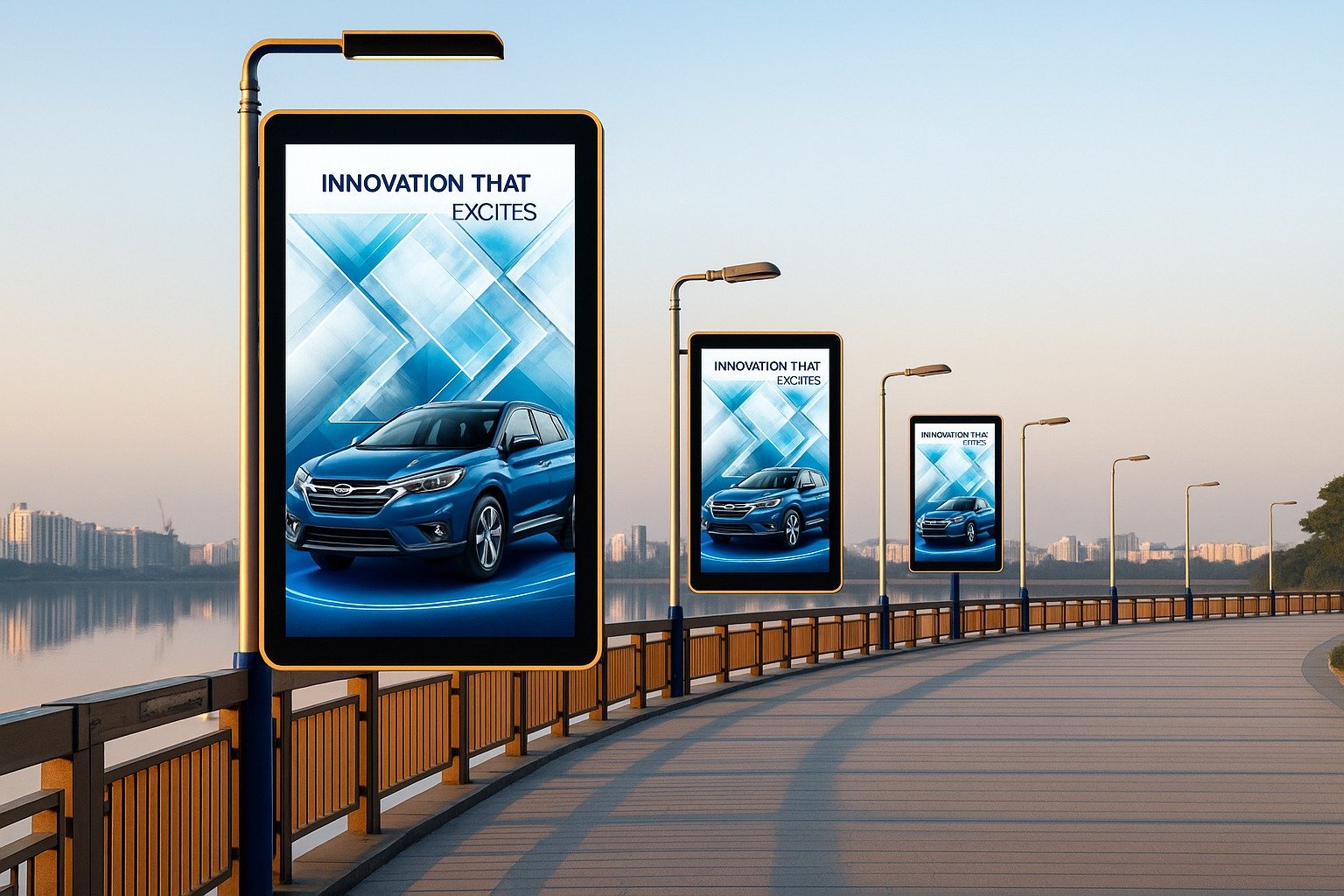
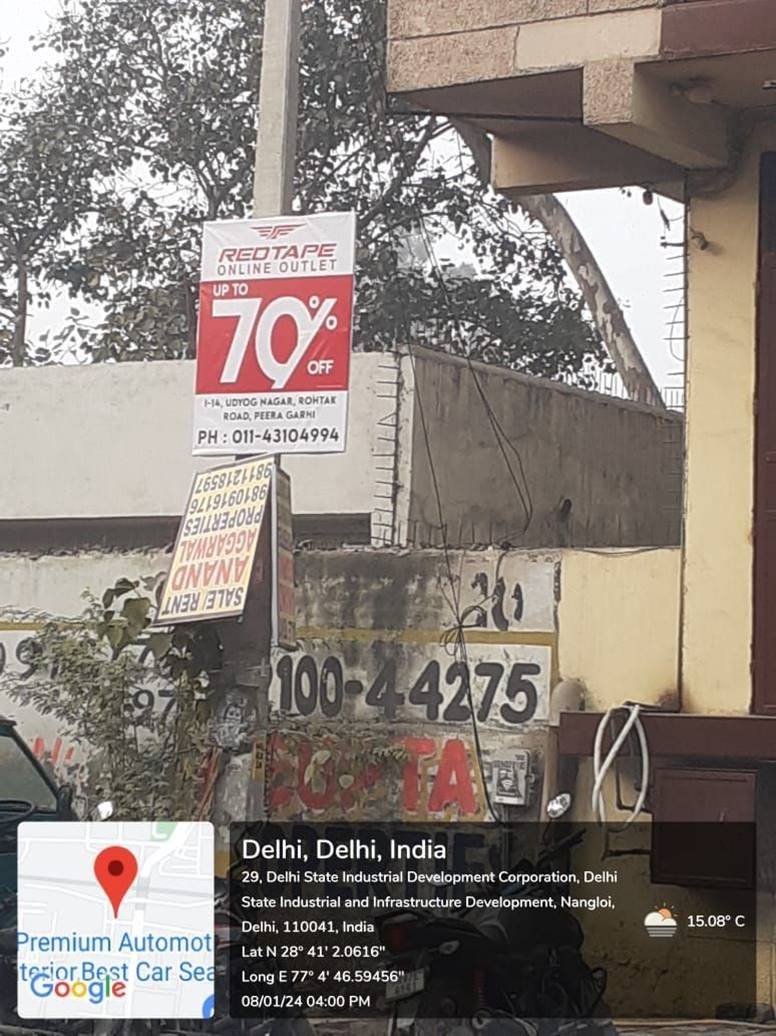
Strategic Value of the Location
From a planning standpoint, directional hoardings positioned towards major junctions serve as intercept media. The Raja Garden axis acts as a funnel point where traffic converges before dispersing into multiple feeder roads.
Strategic benefits include:
- Early brand recall before decision-making nodes
- Reinforcement media for brands active in West Delhi
- Competitive adjacency opportunities
- Strong weekday and weekend parity
Hoarding Advertising towards Raja Garden, Delhi works effectively when brands require structured market dominance within a defined urban cluster.
Brand Visibility & Presence Impact
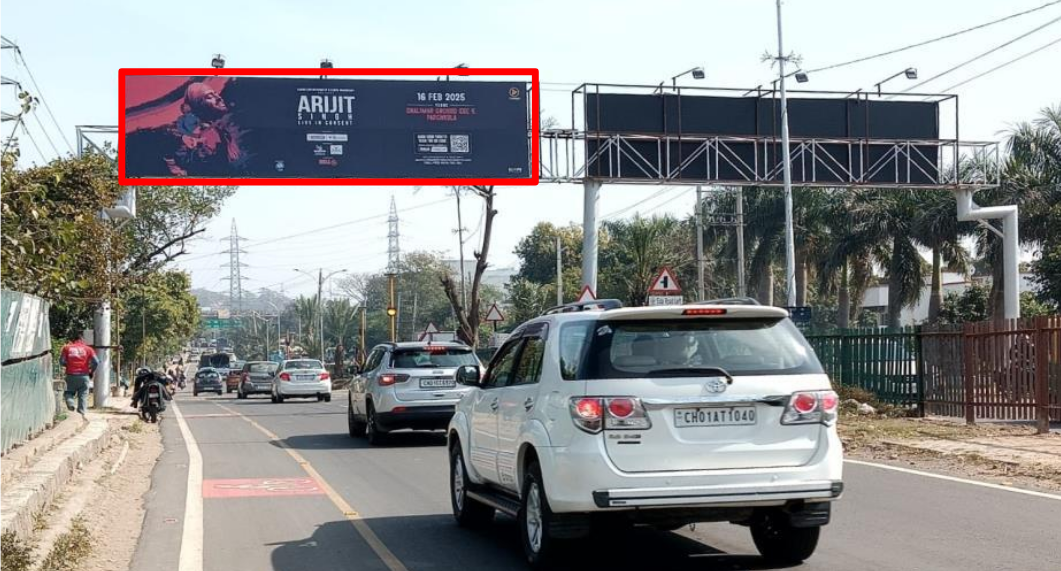
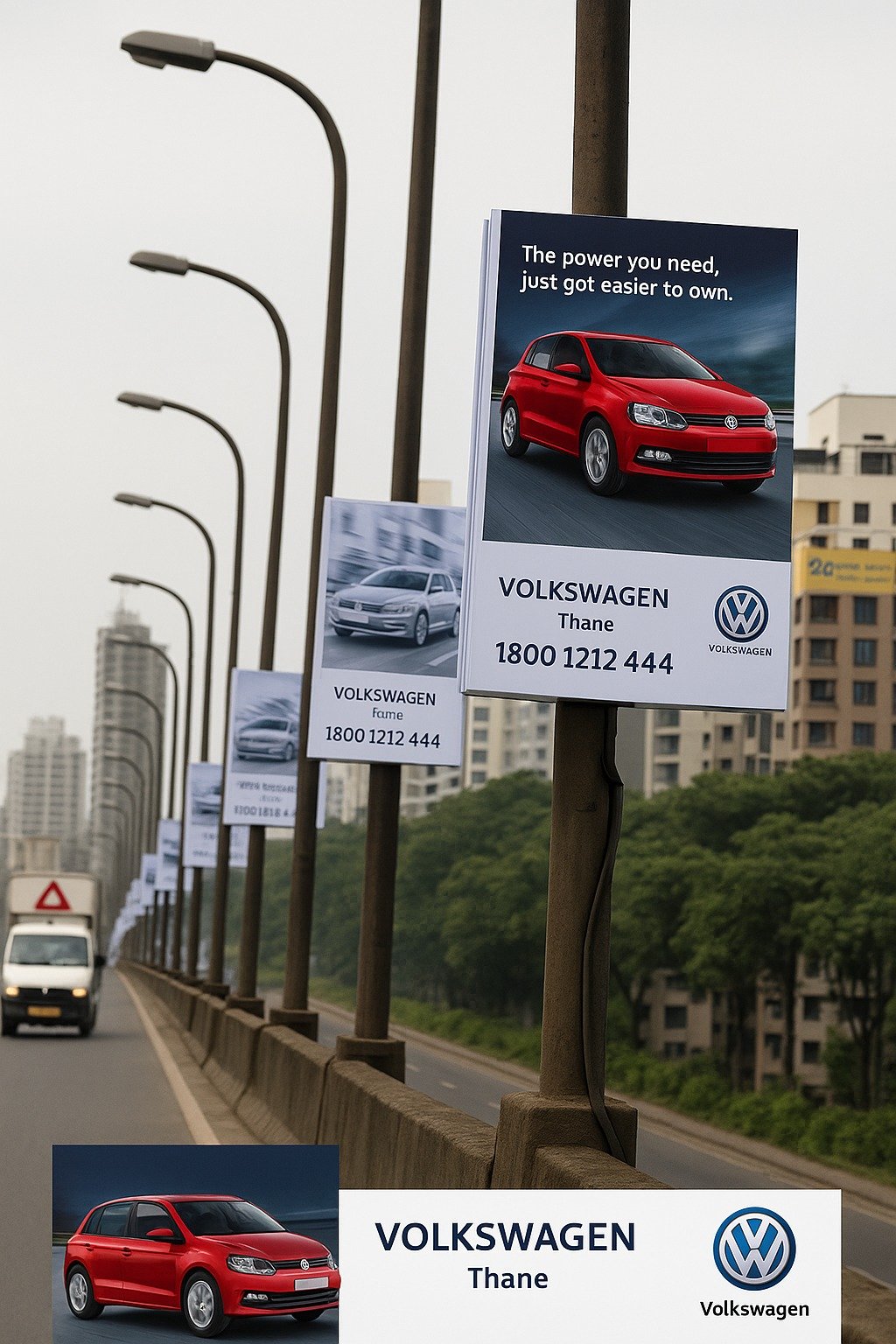
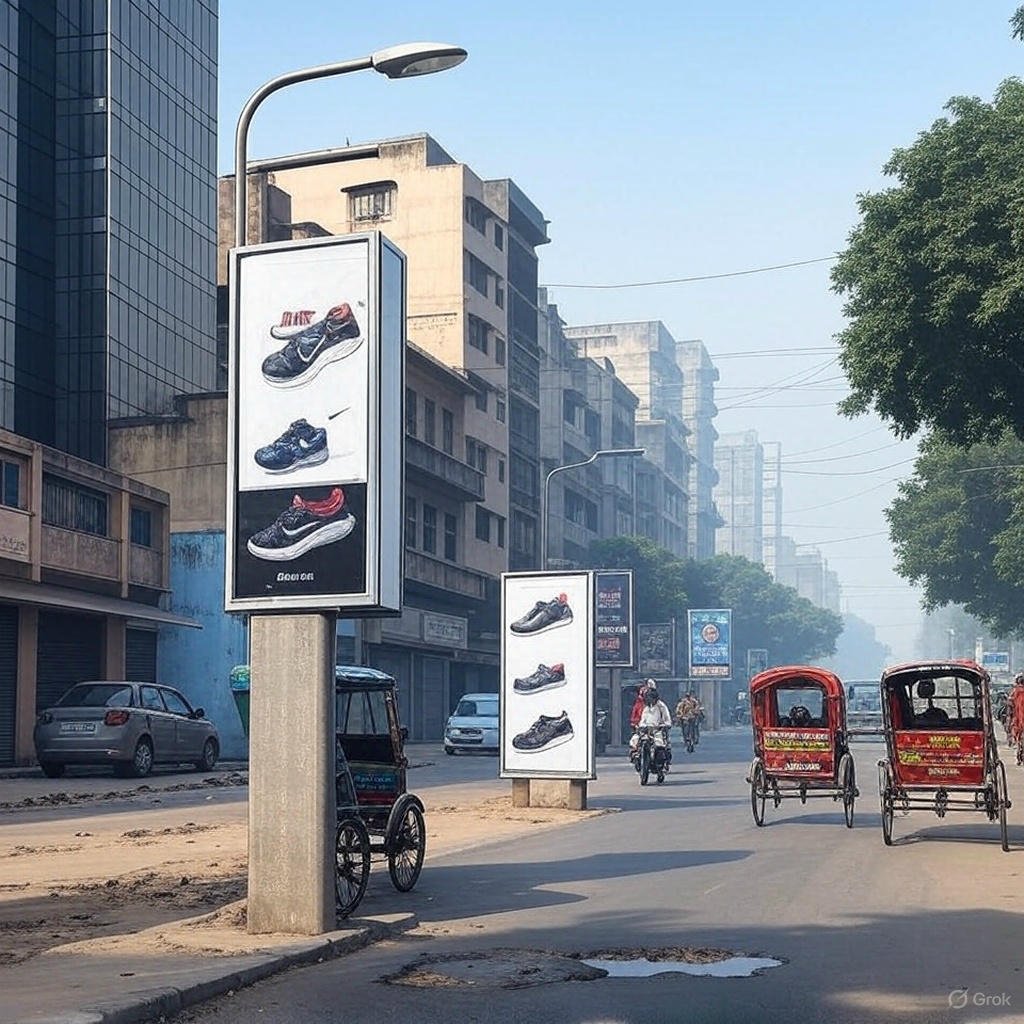
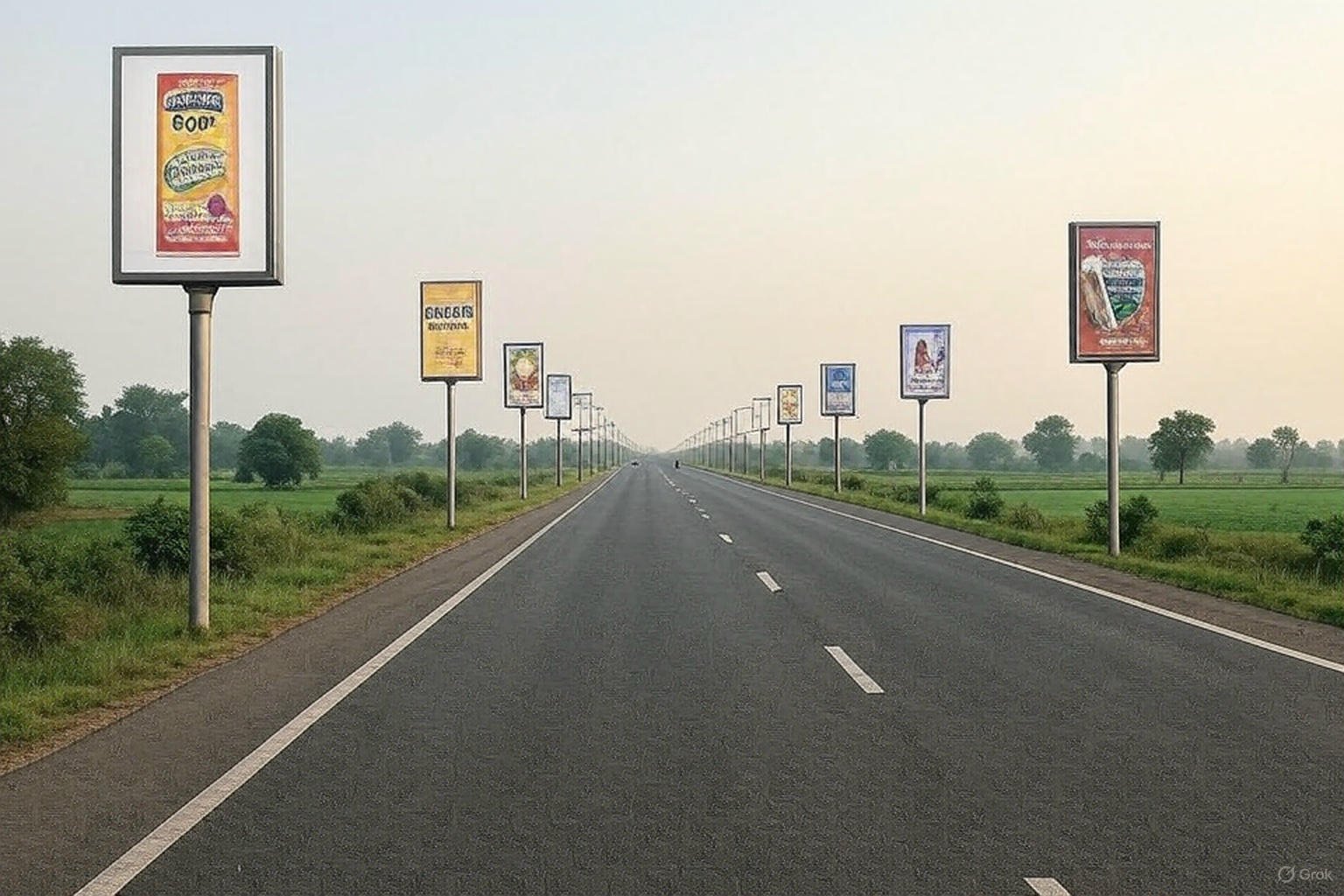
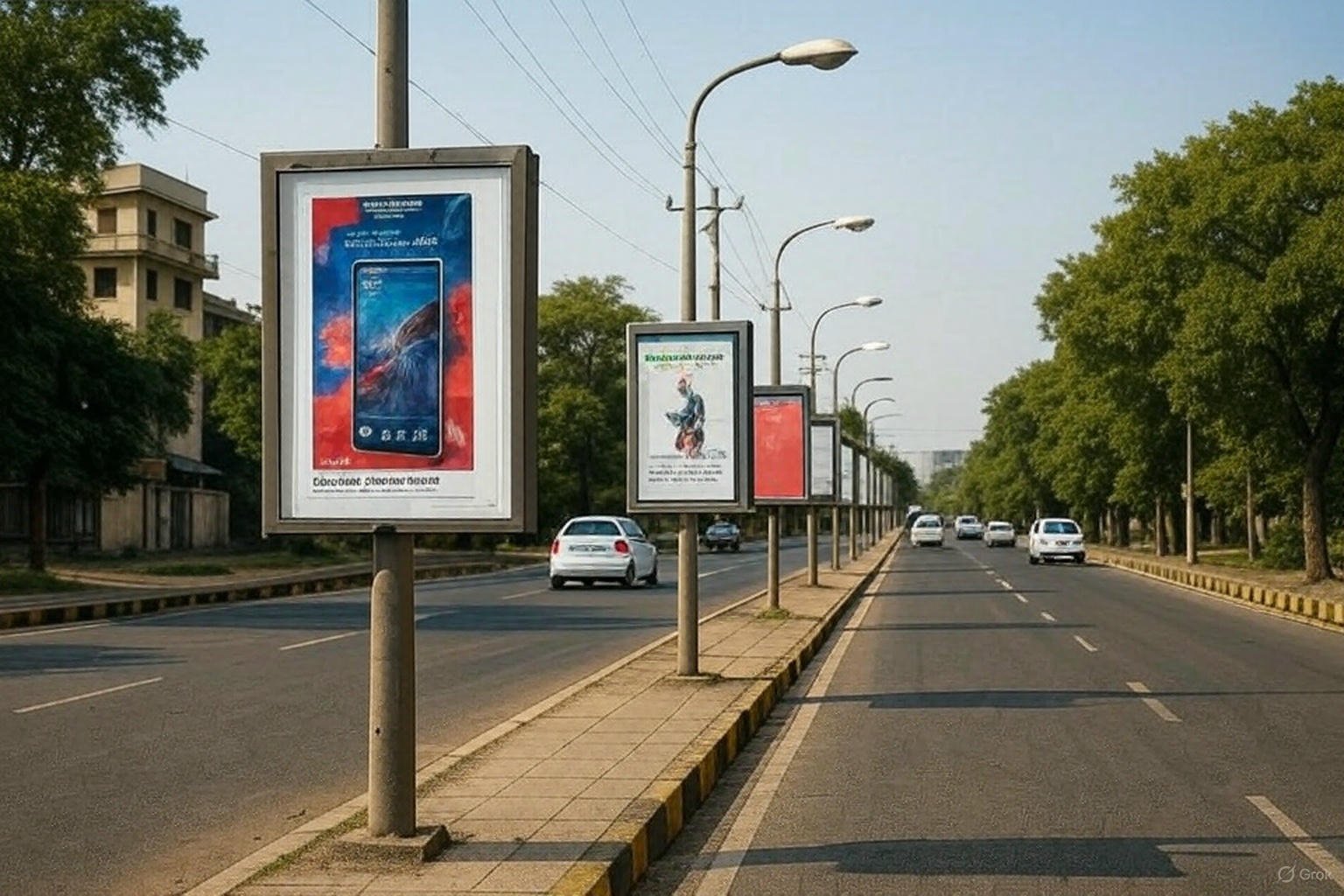
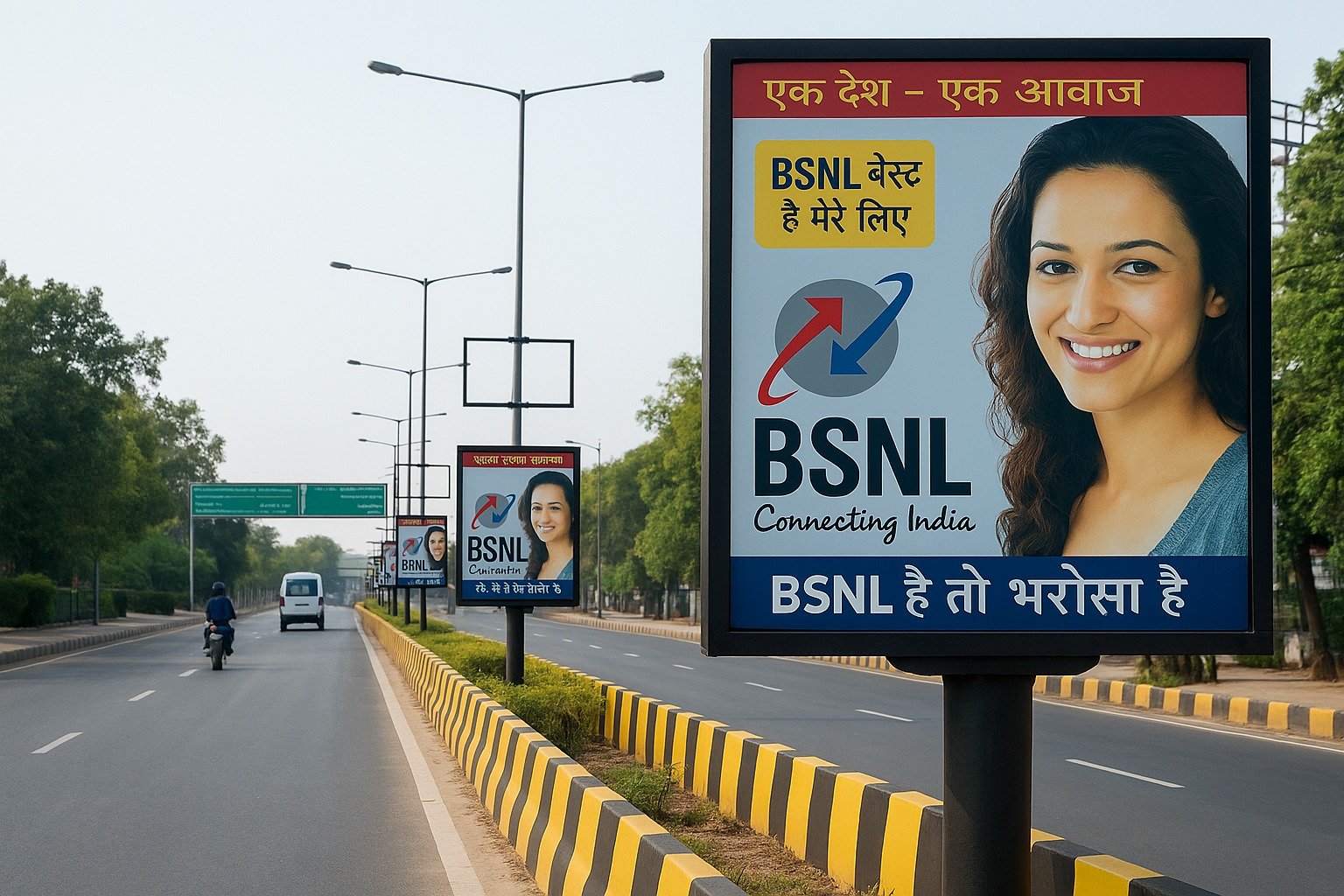
Elevated hoardings along this stretch command long-range visibility. The linear road geometry enables extended viewing distance, supporting large-format messaging and bold typography.
Visibility impact characteristics:
- Clear skyline separation from clutter
- Balanced left/right-hand traffic alignment
- Consistent commuter repeat frequency
- Strong illumination compatibility for evening visibility
For advertisers targeting West Delhi penetration, Hoarding Advertising towards Raja Garden, Delhi provides physical brand imprint in a commuter-heavy environment.
Ideal Industries
This corridor supports industries that benefit from high urban mobility exposure. The demographic mix includes working professionals, families, and retail-focused footfall catchments.
Industries typically aligned with this inventory:
- Real estate launches and residential projects
- Automotive brands and dealerships
- Retail chains and hypermarkets
- Education institutions and coaching networks
- Healthcare facilities and diagnostics
- Consumer electronics and mobile brands
Hoarding Advertising towards Raja Garden, Delhi enables category dominance in sectors dependent on urban awareness and directional recall.
Creative Guidelines
Given traffic speed variability and signal-based halts, creatives must prioritize legibility and brand recall over message density.
Execution best practices:
- Minimal text hierarchy
- High contrast color palette
- Large typography readable at distance
- Strong product silhouette or brand logo dominance
- Limited secondary messaging
Directional placements towards Raja Garden favor bold communication structures that align with three-to-five-second visual capture windows.
Cost / Rates Section
Investment in Hoarding Advertising towards Raja Garden, Delhi is influenced by structural positioning, visibility angle, and traffic density. Media rates reflect exposure strength, illumination status, and campaign duration.
Outdoor media cost evaluation in this corridor considers:
- Location hierarchy within West Delhi
- Approach-side advantage
- Size and elevation
- Duration commitment
- Seasonal demand cycles
While no static rate structure applies universally, advertisers assess media investment based on impact potential and repetition frequency rather than only display duration.
Factors That Influence Cost
Several operational variables determine the cost structure of hoardings towards this location.
Key determinants include:
- Unipole versus building-mounted structure
- Illumination quality and power backup
- Traffic signal proximity
- Competitive brand adjacency
- Installation complexity
Hoarding Advertising towards Raja Garden, Delhi carries cost variables tied directly to structural prominence and traffic intercept value.
Campaign Planning Insights
Media planning for this corridor typically integrates route mapping analysis. Planners evaluate feeder roads connecting Punjabi Bagh, Rajouri Garden, and adjoining residential belts to determine message sequencing.
Campaign considerations include:
- Peak hour exposure mapping
- Multi-site reinforcement strategy
- Duration aligned with product cycle
- Creative rotation feasibility
Hoarding Advertising towards Raja Garden, Delhi performs best when positioned within a cluster strategy rather than isolated deployment.
Measurable Brand Advantages
Though outdoor media operates in a non-click environment, measurable performance indicators are observable through market response patterns.
Advantages include:
- Increased store inquiries within radius proximity
- Enhanced local recall in assisted awareness surveys
- Search uplift following sustained exposure
- Improved competitive parity
Hoarding Advertising towards Raja Garden, Delhi contributes to long-term brand salience, especially for brands targeting geographic dominance.
Outdoor Advertising Network Presence
Delhi’s outdoor network relies on arterial connectivity. The Raja Garden approach route integrates into a larger west-zone advertising grid.
Network value characteristics:
- Linkage with Ring Road corridors
- Access to high-density residential pockets
- Retail-dominant traffic composition
- Signal-regulated exposure intervals
Hoarding Advertising towards Raja Garden, Delhi acts as a reinforcing node within this broader metropolitan outdoor framework.
Site Execution & Monitoring
Execution quality directly influences visibility integrity. Structural compliance, vinyl tensioning, and lighting calibration are monitored throughout campaign duration.
Operational oversight includes:
- Pre-installation inspection
- Material quality checks
- Illumination verification
- Routine site monitoring
- Post-campaign dismantling compliance
Hoarding Advertising towards Raja Garden, Delhi requires systematic supervision to maintain uninterrupted brand display quality.
Booking & Deployment Workflow
Deployment follows a structured workflow designed for documentation accuracy and compliance alignment.
Standard process includes:
- Site availability confirmation
- Artwork submission and approval
- Structural audit verification
- Printing and fabrication
- Installation scheduling
- Live image documentation
Hoarding Advertising towards Raja Garden, Delhi typically operates within defined municipal guidelines governing format size and placement.
Long-Term Media Value
Outdoor media along directional corridors accumulates compounding visibility over time. Repeat exposure across weeks strengthens subconscious recall and brand familiarity.
Long-term value attributes:
- Continuous commuter repetition
- Geographic ownership perception
- Reinforced category positioning
- Sustained market memory imprint
Hoarding Advertising towards Raja Garden, Delhi serves brands seeking durable presence in West Delhi’s competitive commercial landscape.
FAQs
1. What determines the cost of Hoarding Advertising towards Raja Garden, Delhi?
Cost depends on structure type, visibility angle, traffic density, illumination, and campaign duration rather than a fixed rate model.
2. How can brands book Hoarding Advertising towards Raja Garden, Delhi?
Booking involves site confirmation, artwork approval, compliance verification, and scheduled installation through authorized media channels.
3. Is this location effective for long-term awareness campaigns?
Yes. The directional traffic flow and repeated commuter exposure support sustained recall and reinforcement.
4. What hoarding sizes are typically available towards Raja Garden?
Sizes vary based on municipal permissions and structural format, including large-format unipoles and building-mounted displays.
5. Which industries benefit most from advertising at this stretch?
Real estate, automotive, retail, healthcare, and education sectors commonly leverage this corridor for geographic dominance.
6. What is the recommended campaign duration for this area?
Duration depends on marketing objectives, but longer visibility cycles generally enhance recall consistency.
ACME Advertising Co.
LinkedIn – https://www.linkedin.com/company/acme-advertising-co/