
Table of Contents
When a Small Store in Spain Rewrote Global Fashion Rules
In 1975, on a modest street in A Coruña, Spain, a single clothing store opened with no ambition of becoming loud, flashy, or famous. It didn’t launch with celebrity endorsements. It didn’t flood newspapers with ads. It didn’t chase trends—it listened to them.
That store was Zara.
Founded by Amancio Ortega and Rosalía Mera, Zara began as an experiment in responsiveness. The idea was deceptively simple: shorten the distance between what people want and what they can buy. That philosophy would quietly evolve into what the world later called fast fashion, though internally, Zara always treated it as fast listening.
Today, as the flagship brand of Inditex, Zara operates across continents while remaining anchored to the same belief: relevance beats reach, and speed beats noise.
This article explores how Zara case study biography and marketing philosophy shaped one of the most influential retail models in history—and how brands today can apply the same principles with the support of a strategic.
The Origin Story That Still Shapes the Brand
Zara’s early years were defined by constraint. Limited capital meant limited excess. Every decision had to serve demand. When the original store name “Zorba” conflicted with a nearby business, the founders renamed it Zara —short, sharp, and easy to remember. That simplicity became part of the brand’s DNA.
During the 1980s, Amancio Ortega re-engineered the entire fashion supply chain. Design, manufacturing, distribution, and retail were no longer separate silos. They became a single, vertically integrated system. This allowed Zara to move designs from concept to store shelves in as little as two to three weeks.
The result was not just faster production, but smarter production.
Speed as a Strategy, Not a Gimmick
Zara’s speed is often misunderstood as volume. In reality, it is precision.
Instead of predicting trends months in advance, Zara case study observes real consumer behavior in real time. Store managers relay feedback directly to design teams in Spain. Data from sales, returns, and in-store reactions informs what gets produced next.
This operational rhythm allows Zara to release new collections multiple times a week. Customers don’t just shop at Zara—they check in. On average, Zara customers visit stores far more frequently than traditional apparel retailers, driven by the promise of something new every time.
This model creates natural urgency without artificial pressure. Scarcity becomes organic. Demand feels earned.
Stores That Function Like Living Media
Zara doesn’t treat stores as distribution points. Stores are communication channels.
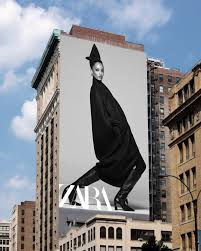
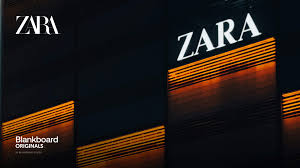
Every Zara case study location sits in a premium, high-traffic urban environment. From Oxford Street to Fifth Avenue, the brand invests in physical visibility rather than paid media. The storefront, the window display, the interior layout—all serve as the brand’s primary marketing language.
Inventory is deliberately limited. When a product sells out, it rarely returns. This reinforces decisiveness in purchasing behavior and keeps inventory risk low. It also turns customers into brand participants rather than passive buyers.
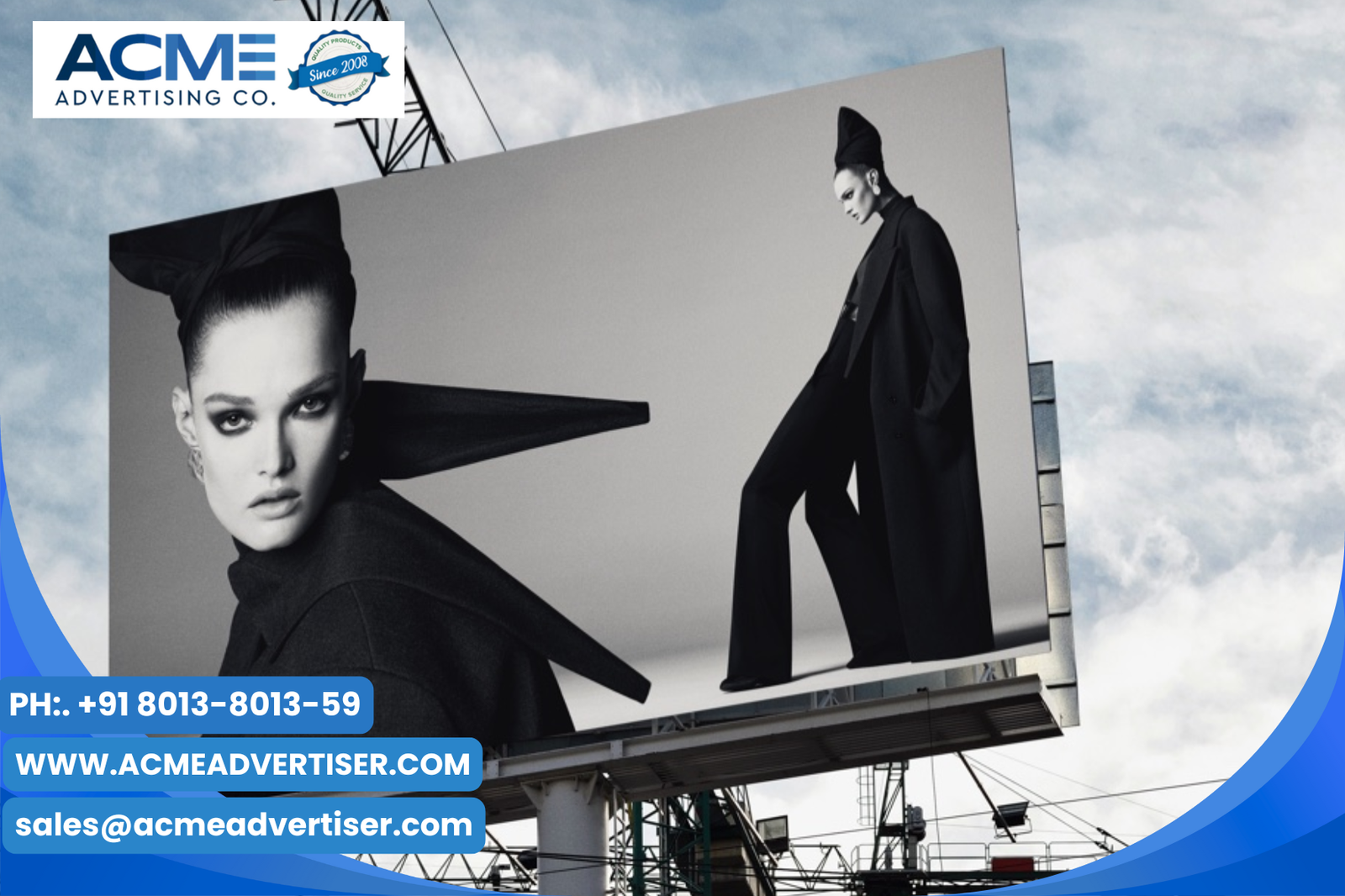
This philosophy mirrors how a modern designs high-impact physical visibility—placing brands where attention already exists, rather than interrupting it.
Marketing by Listening, Not Broadcasting

One of Zara’s most distinctive choices is its minimal spend on traditional advertising. With less than one percent of revenue allocated to ads, Zara redirected investment into infrastructure, logistics, and store experience.
Instead of broadcasting messages, Zara allows customers to discover the brand through:
- Physical presence in aspirational locations
- Consistent visual identity
- Fast adaptation to cultural and regional preferences
The message is subtle but powerful: relevance is more persuasive than repetition.
Digital Without Noise
Zara case study entered e-commerce in 2010 and later integrated RFID technology to track inventory in real time. This wasn’t about chasing trends—it was about maintaining operational clarity at scale.
On social platforms, Zara avoids promotional clutter. Its content feels editorial, art-driven, and fashion-forward. The brand doesn’t sell outfits—it curates moods. Influencer collaborations remain selective, aligned more with aesthetic credibility than follower counts.
This restraint reinforces trust. Customers feel invited, not targeted.

Sustainability as a Long-Term Signal
With the launch of the Join Life initiative, Zara case study embedded sustainability into its supply chain and materials strategy. Rather than using sustainability as a headline, Zara uses it as an operational baseline—gradually shifting toward more responsible fabrics and processes.
This approach reflects a deeper understanding of brand equity: long-term trust compounds faster than short-term applause.
A Snapshot of Zara’s Strategic Framework
| Strategic Area | Core Approach |
| Production | Vertically integrated |
| Inventory | Small, frequent batches |
| Marketing | Store-first visibility |
| Speed | Weeks, not seasons |
| Feedback | Real-time, store-led |
| Digital | Integrated, not isolated |
Zara’s success is not accidental. It is engineered through consistency, restraint, and responsiveness.
Translating Zara’s Philosophy Into Modern Brand Growth
Not every brand is a global fashion retailer. But every brand can adopt Zara’s mindset.
At its core, Zara case study teaches three lessons:
- Be present where decisions are made
- Respond faster than expectations
- Let experience speak louder than claims
This is where Acme Advertising Co. steps in—not to replicate Zara, but to apply its principles across industries using grounded, real-world media execution.
How Acme Advertising Co. Applies Zara-Inspired Thinking
Acme Advertising Co. operates on a simple belief: brands grow when visibility, timing, and context align.
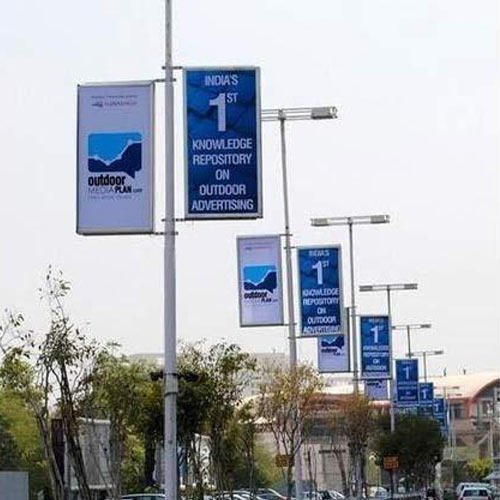
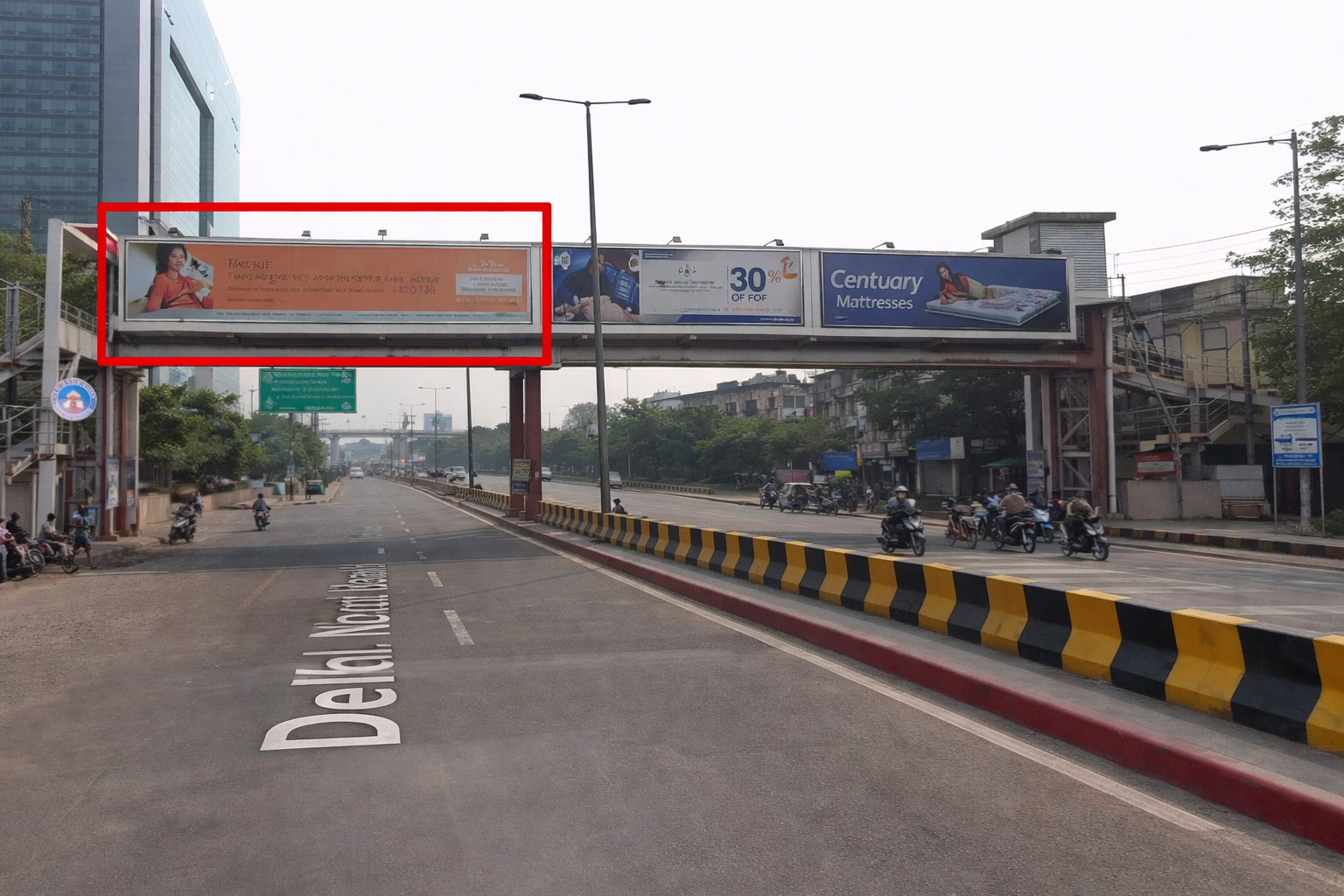
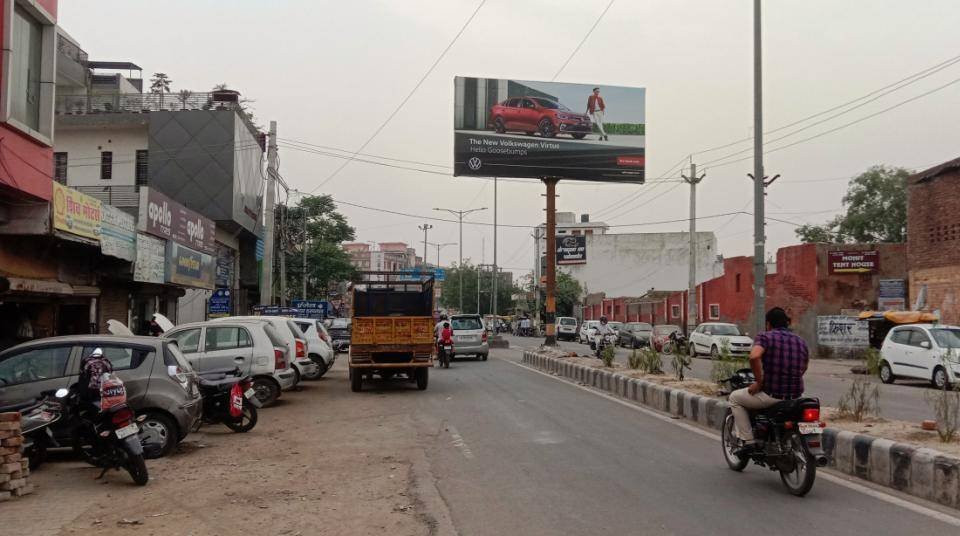
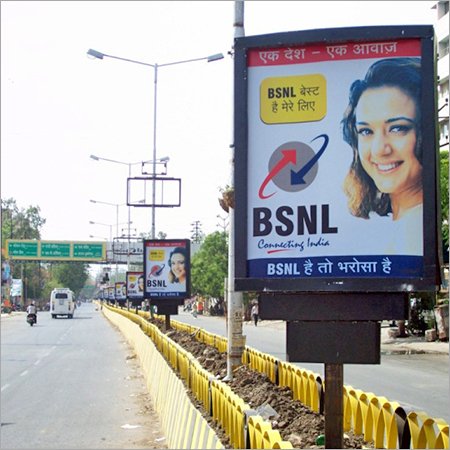
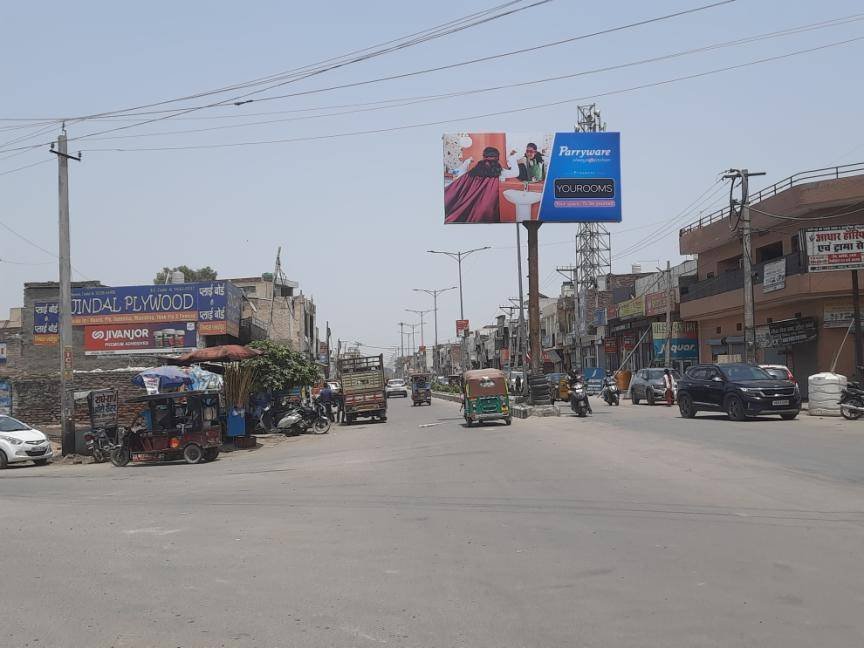
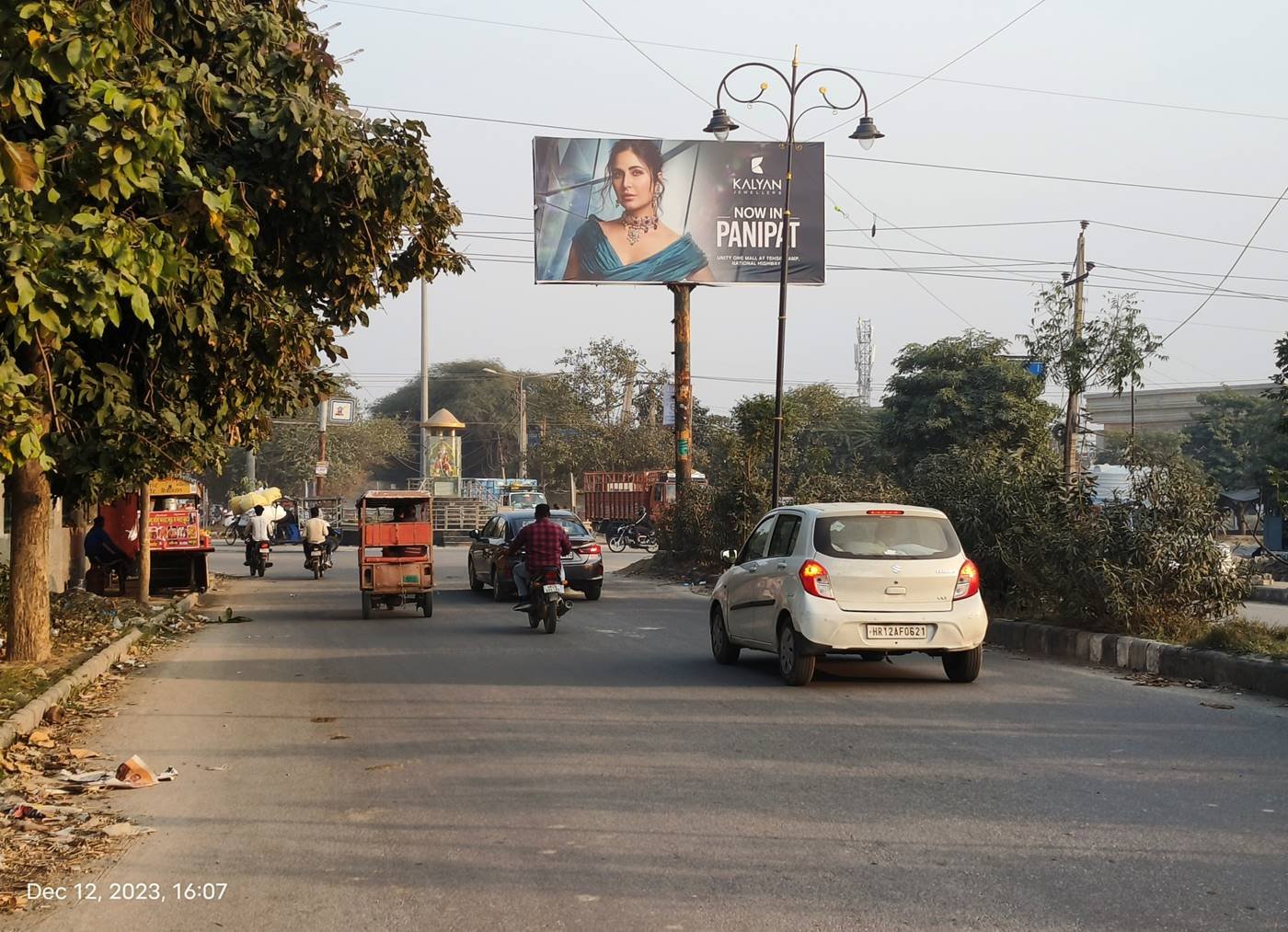
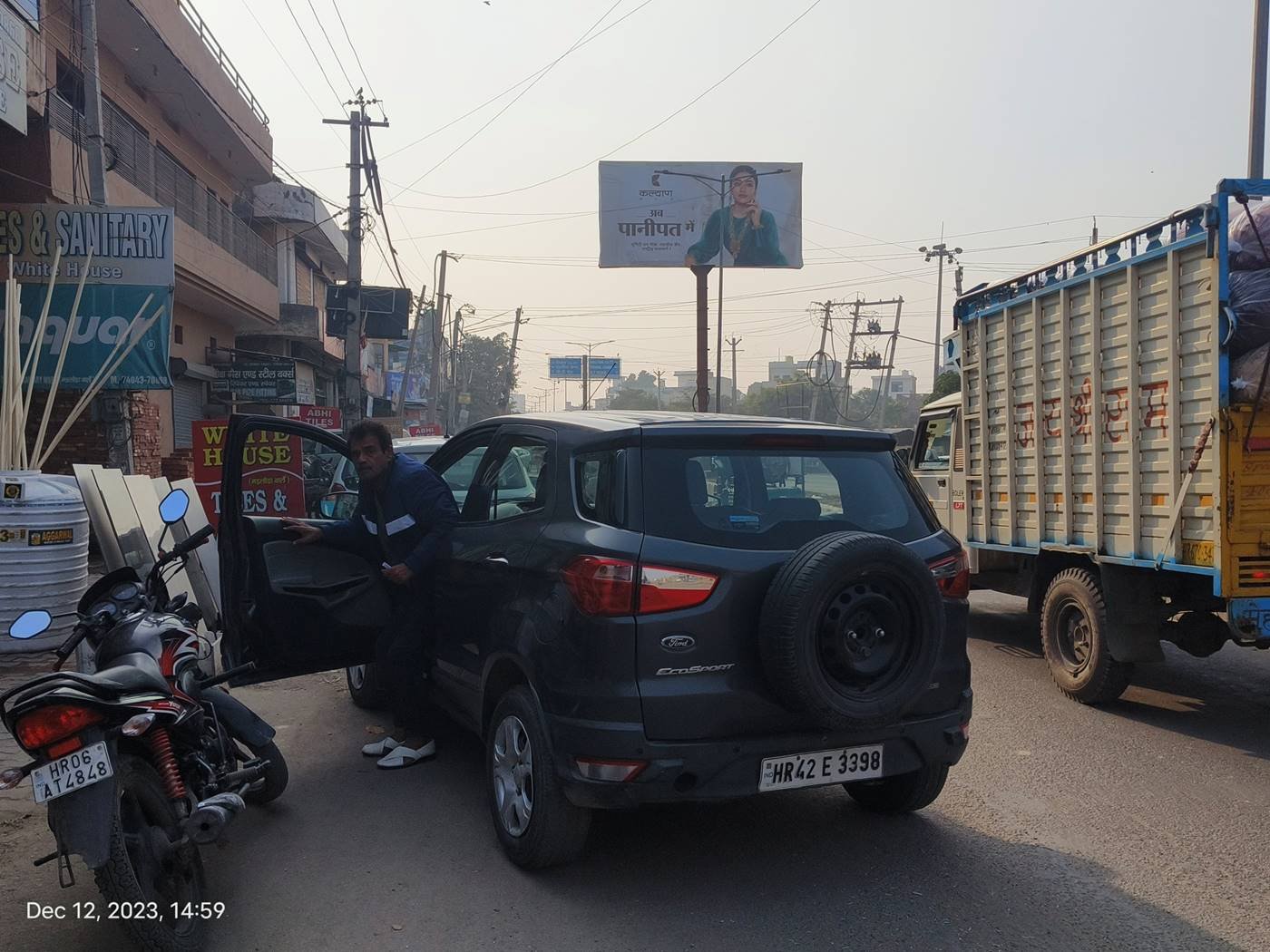
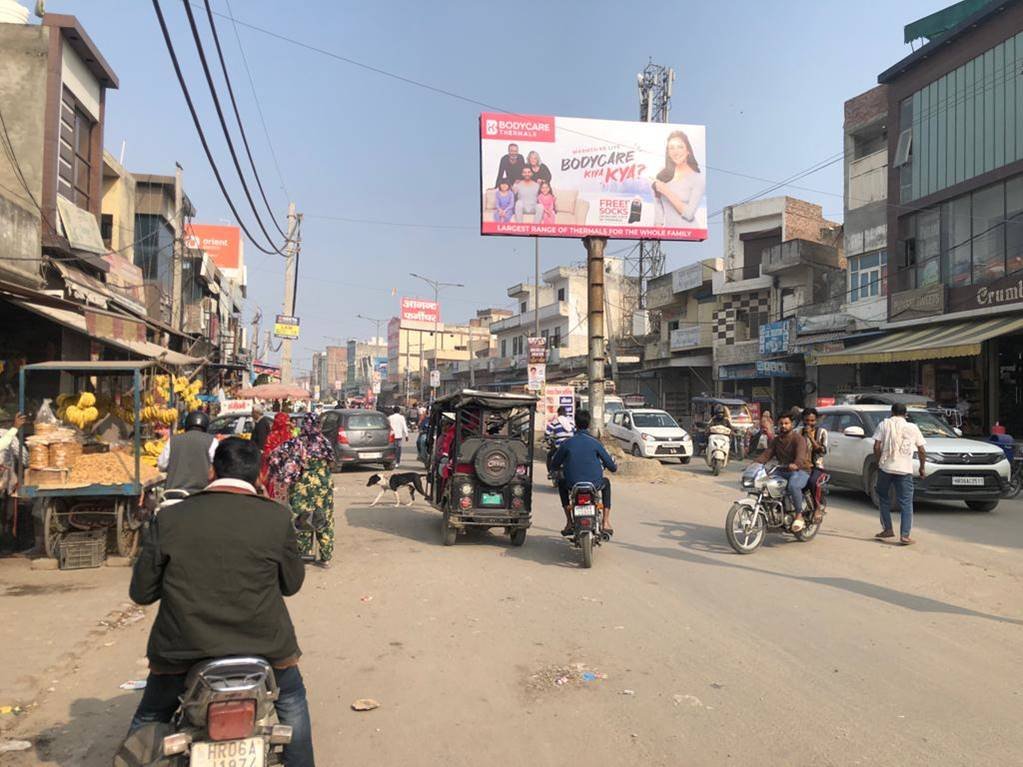
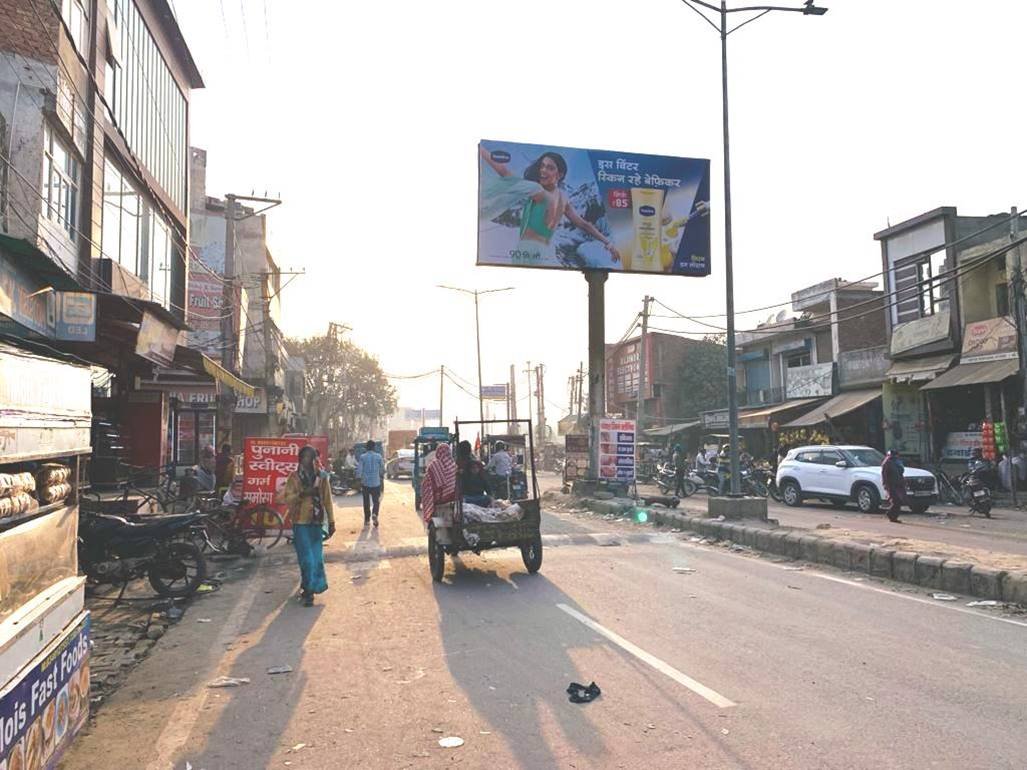
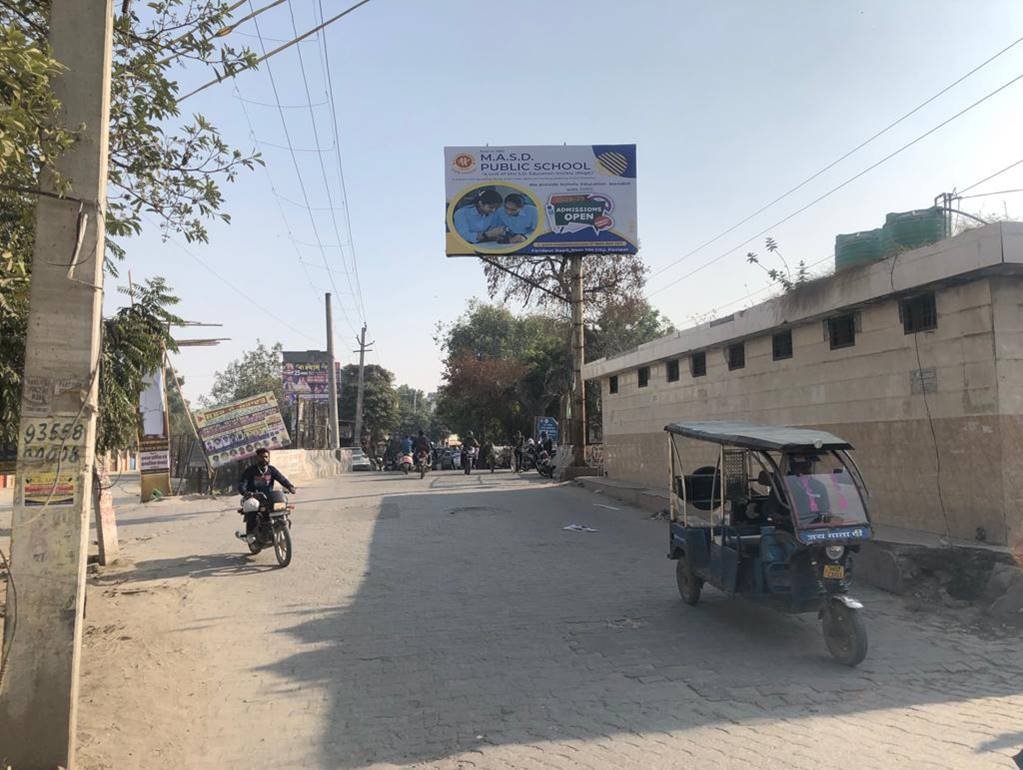
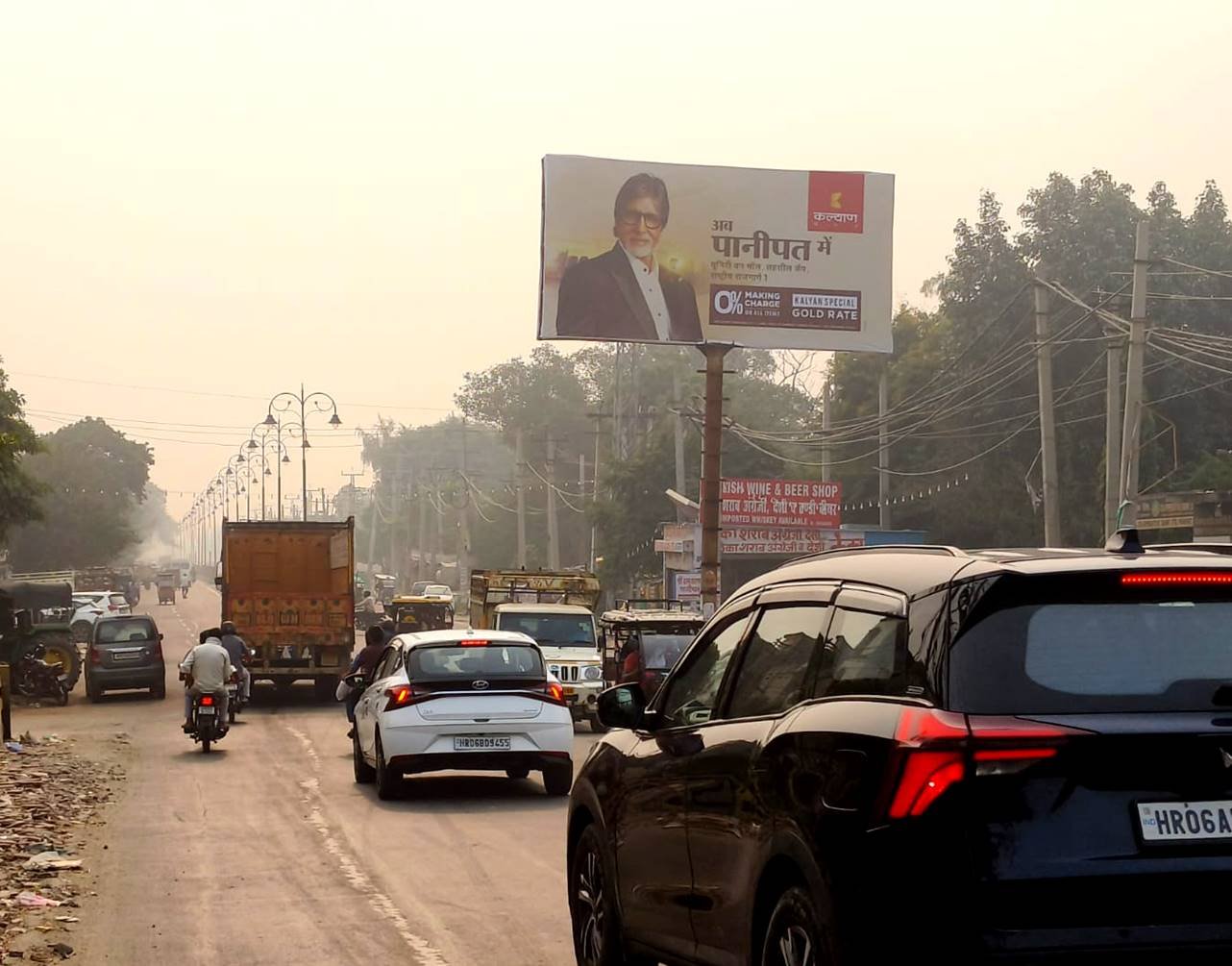
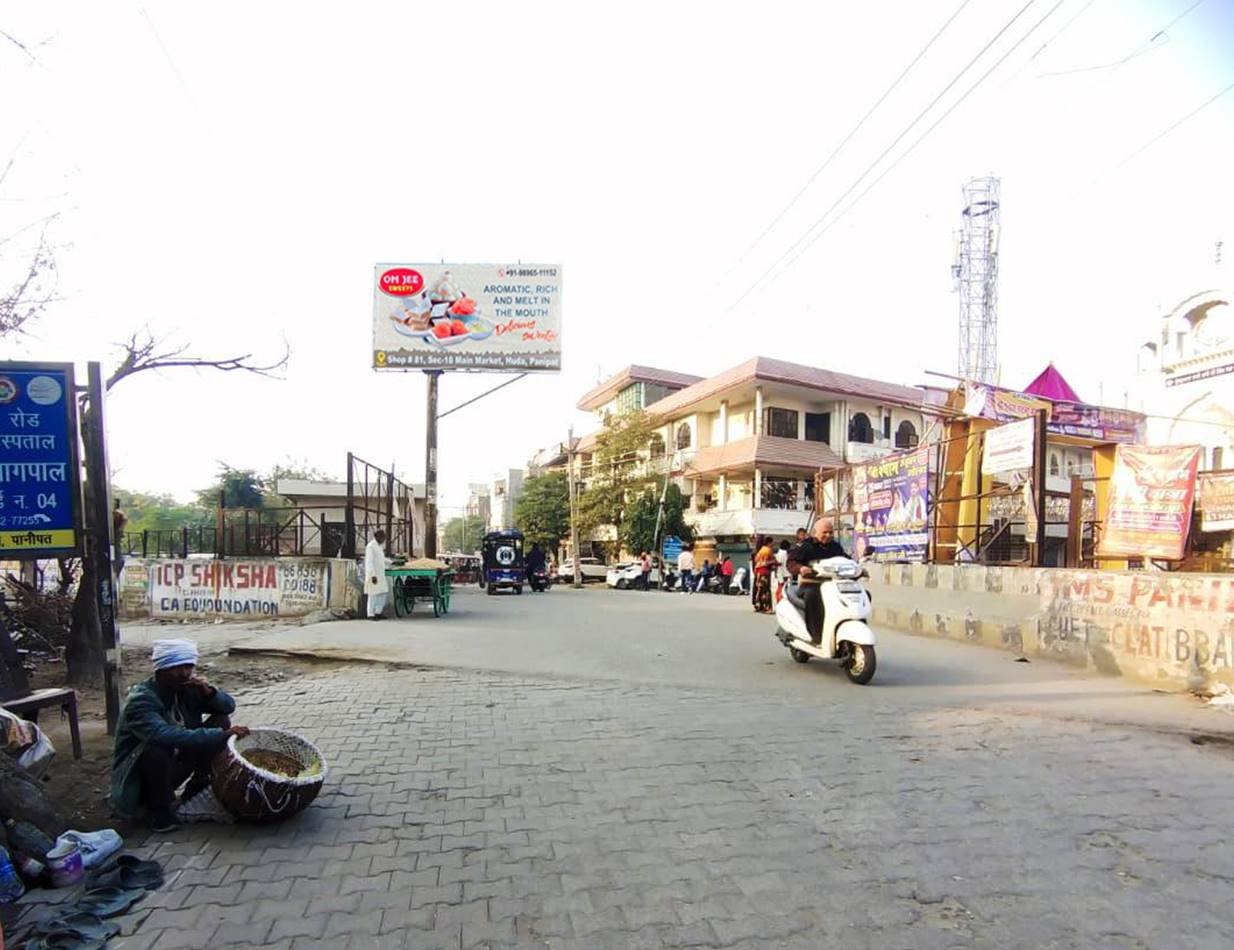
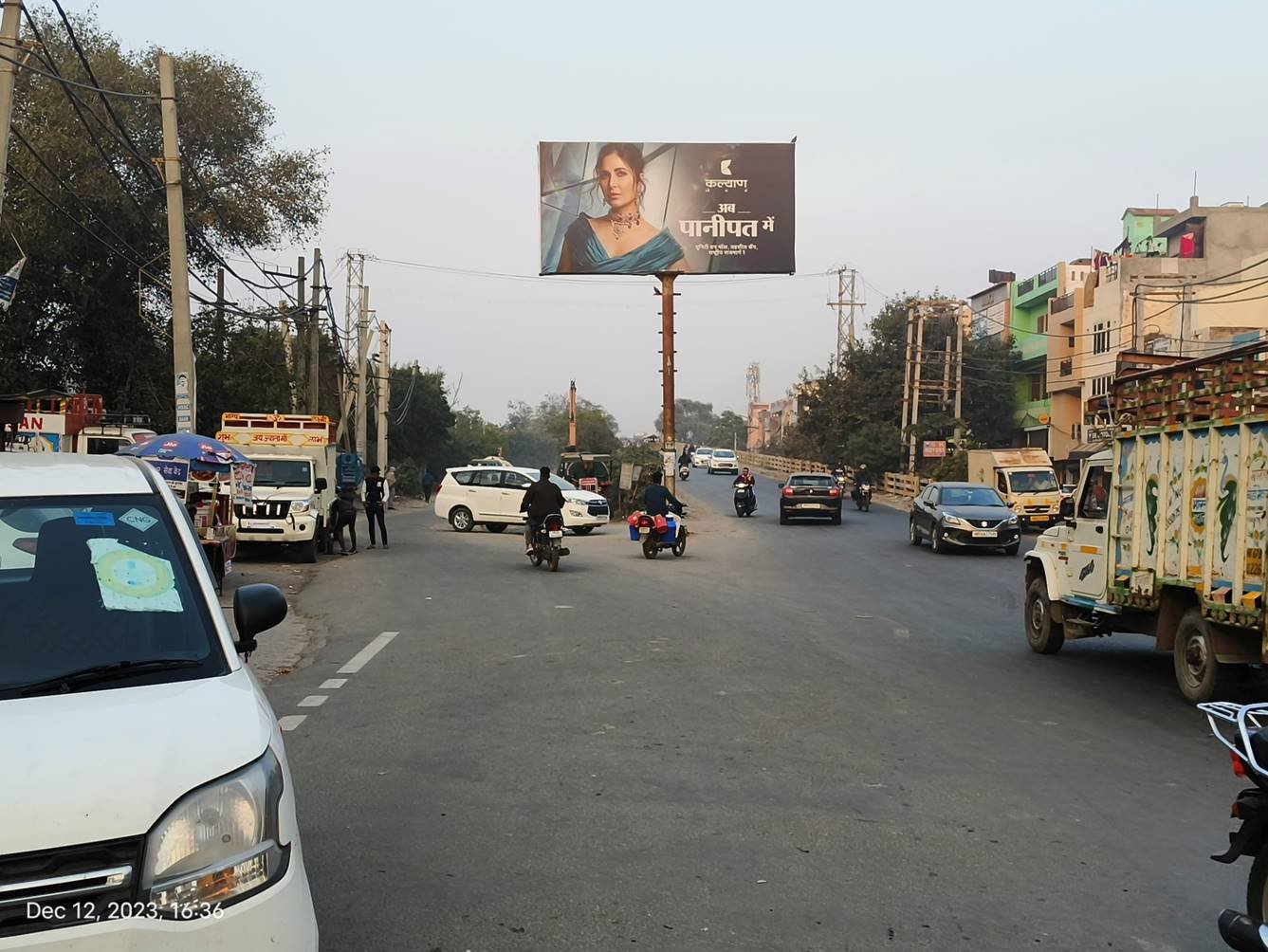
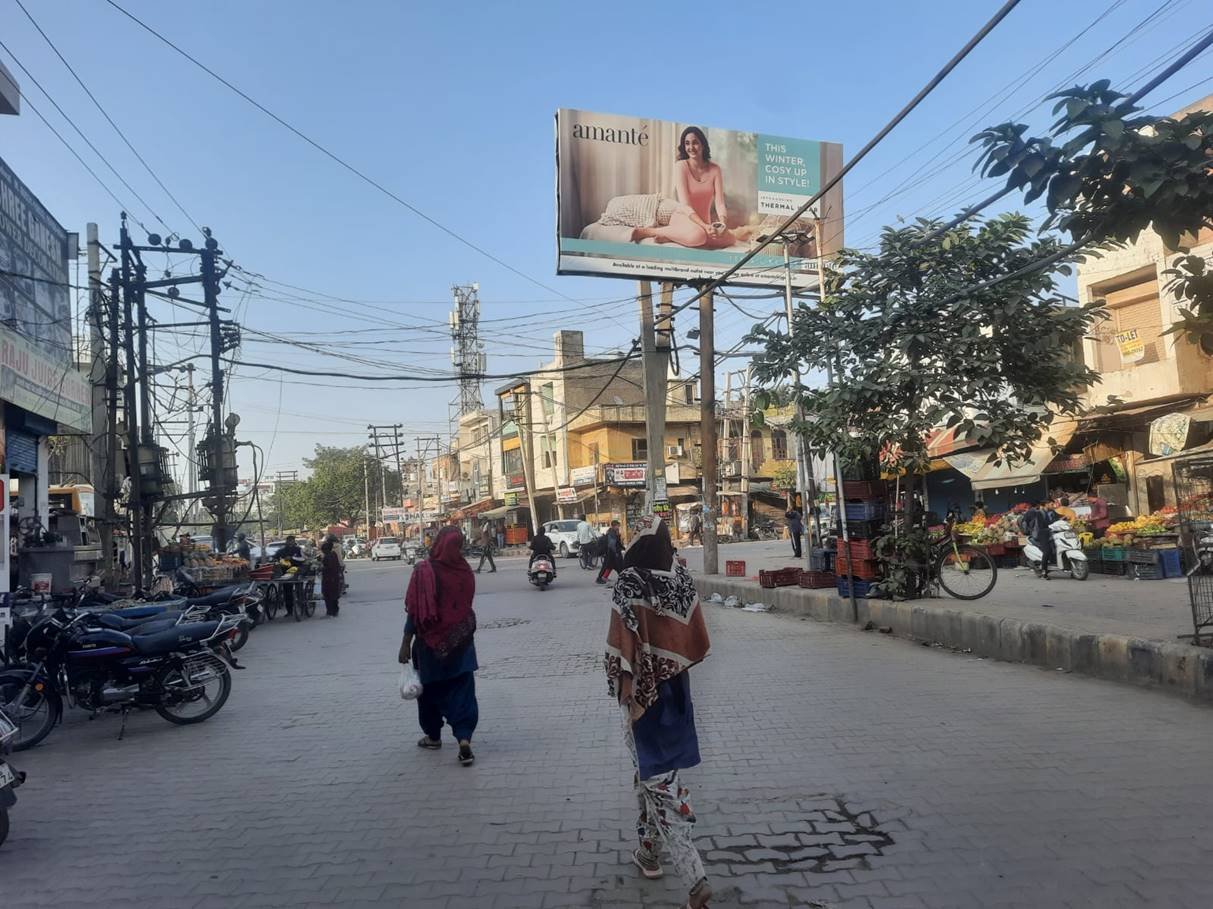
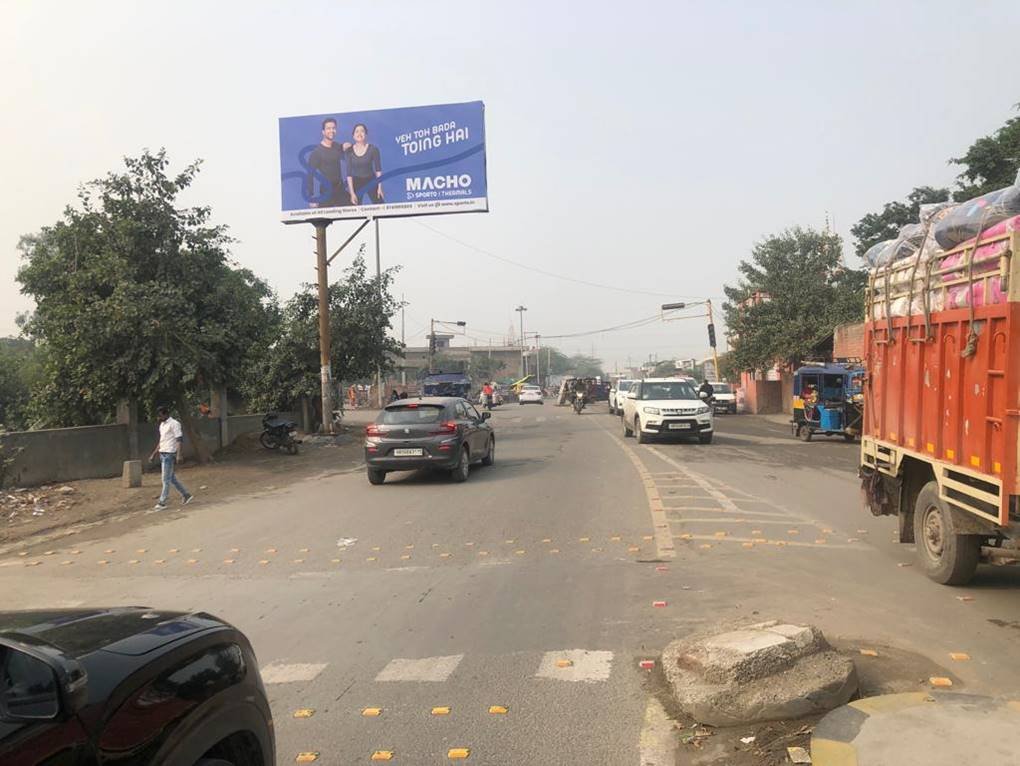
Acme focuses on physical media ecosystems that work together rather than compete for attention. This includes outdoor media, transit visibility, retail environments, and integrated on-ground touchpoints.
The objective isn’t saturation—it’s relevance.




















Physical Presence That Feels Intentional
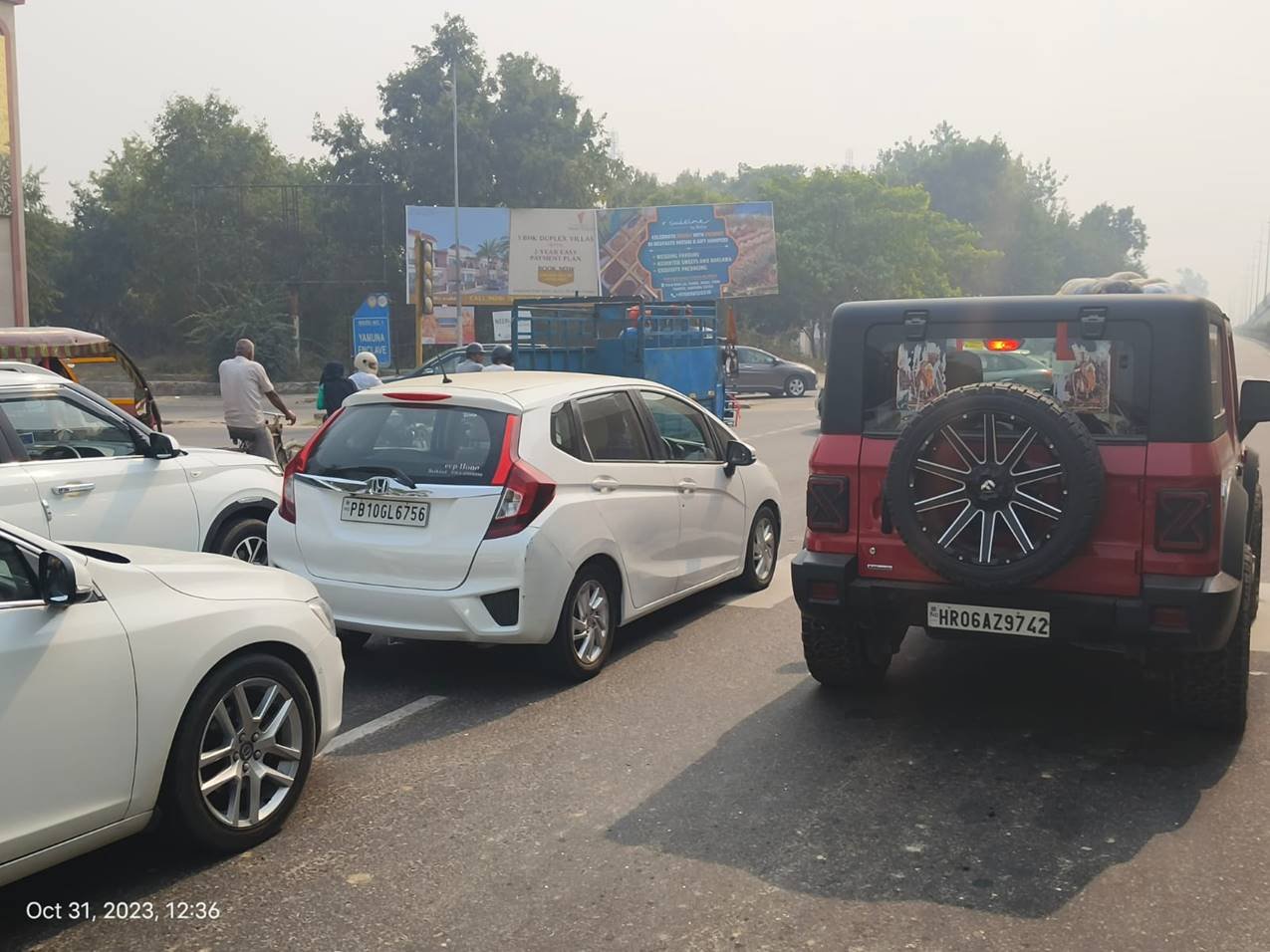
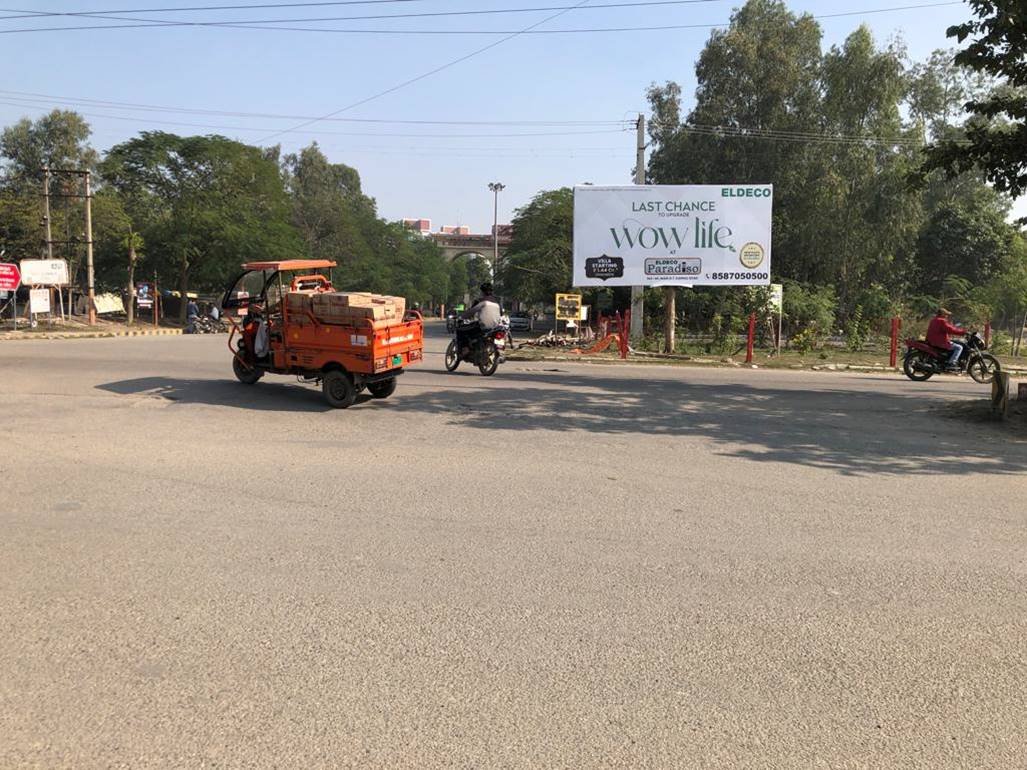
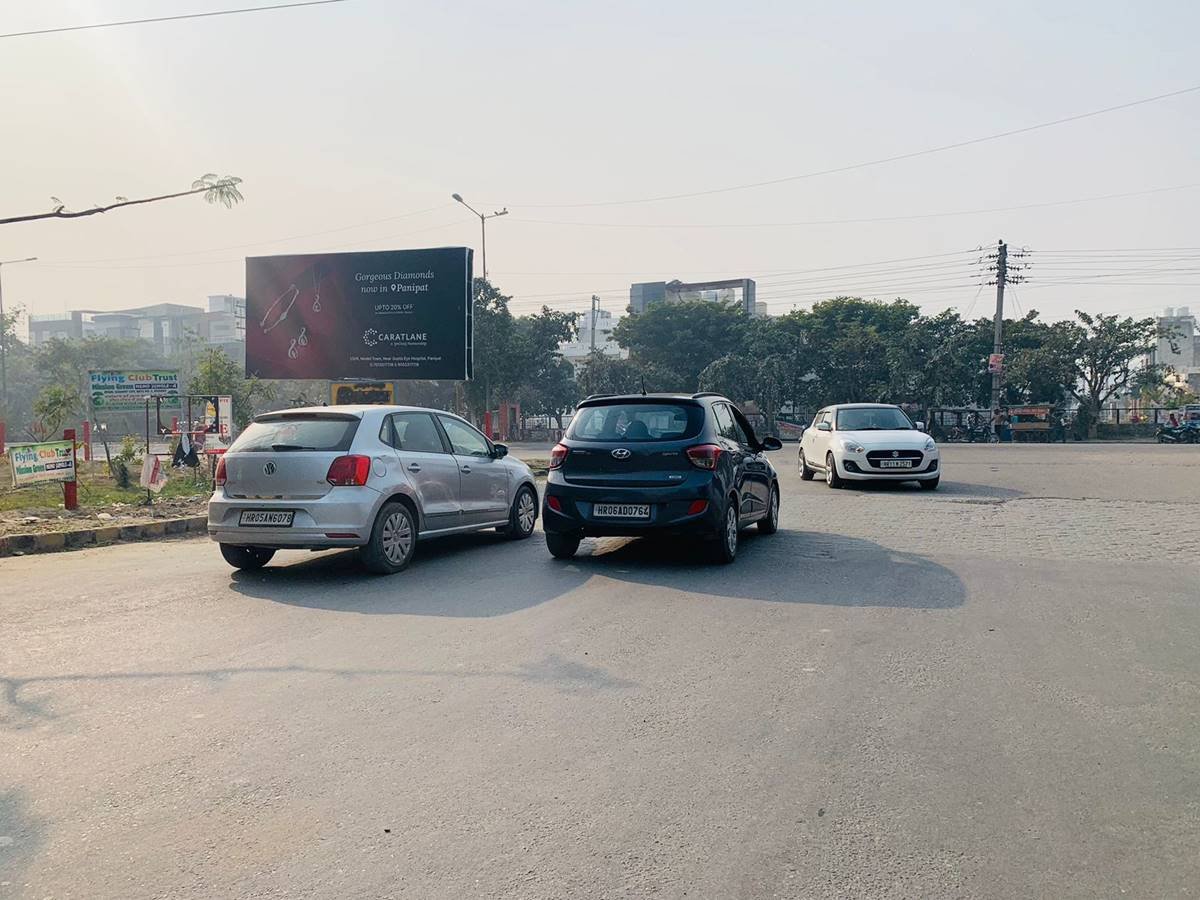
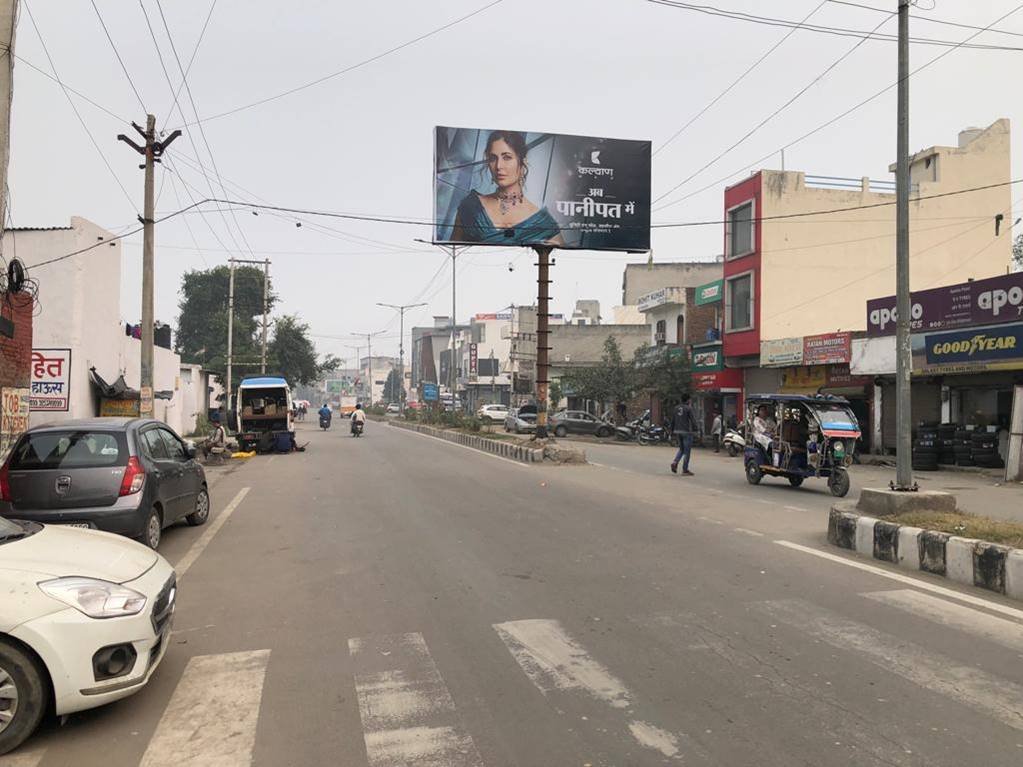
Much like Zara’s store strategy, Acme Advertising Co. prioritizes where a brand appears as much as how often it appears. High-traffic corridors, commuter routes, retail clusters, and urban landmarks are selected based on behavior, not just impressions.
This ensures brands don’t shout into the void. They show up when audiences are already receptive.
A disciplined understands that visibility works best when it feels natural, not forced.
Speed, Adaptability, and Feedback Loops
Zara’s edge lies in rapid feedback. Acme mirrors this by continuously monitoring campaign performance and adapting execution on the ground. Creative formats, placements, and messaging are refined based on response patterns.
This creates campaigns that evolve instead of expiring.
E-E-A-T in Practice, Not Just Theory
Acme Advertising Co. aligns with E-E-A-T principles naturally:
- Experience through executed campaigns
- Expertise through planning and media strategy
- Authoritativeness via consistent delivery
- Trust built through transparency and realism
Growth That Feels Organic, Not Engineered

Zara case study never chased attention. It earned it.
Acme Advertising Co. applies the same philosophy—helping brands grow through presence, consistency, and relevance across physical and digital touchpoints.
When campaigns feel useful instead of intrusive, audiences respond with trust.
Let Acme Advertising Co. help your brand shine across cities, roads, and high-traffic locations.
📍 Our Services:
OOH Media | Transit Media | Retail Media | Electronic Media | POSM
📞 +91 8013-8013-59
🌐www.acmeadvertiser.com📧 sales@acmeadvertiser.com
🔗 LinkedIn: Acme Advertising Co.IFollow Us on Instagram
Your brand deserves visibility that moves people — let’s make it happen.
Frequently Asked Questions
How does physical visibility support long-term brand growth?
Consistent real-world presence builds familiarity, which translates into trust and recall.
Why is speed important in modern marketing execution?
Faster response allows brands to stay relevant as consumer behavior evolves.
Can smaller brands apply strategies inspired by Zara?
Yes, when principles are adapted thoughtfully rather than copied.
How does Acme Advertising Co. ensure relevance in campaigns?
Through data-backed planning and continuous performance feedback.
What role does creativity play in outdoor advertising?
Creativity captures attention, but clarity sustains it.
Is physical media still effective in a digital-first world?
Physical media complements digital by anchoring brand credibility.
How does an auto advertising agency in india support diverse industries?
By tailoring visibility strategies to location, audience, and context.
What makes Acme Advertising Co. a strategic partner?
A focus on execution, realism, and long-term brand value.