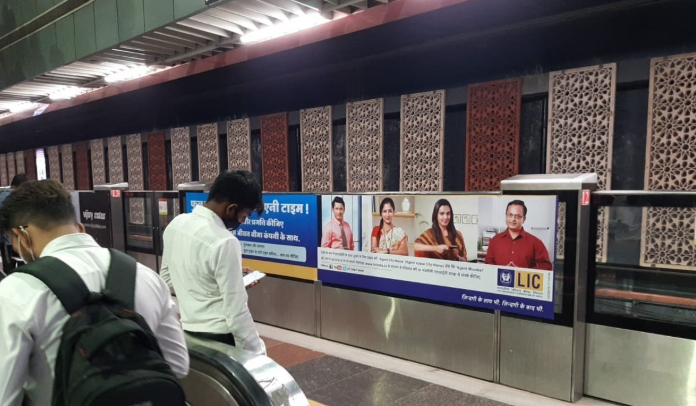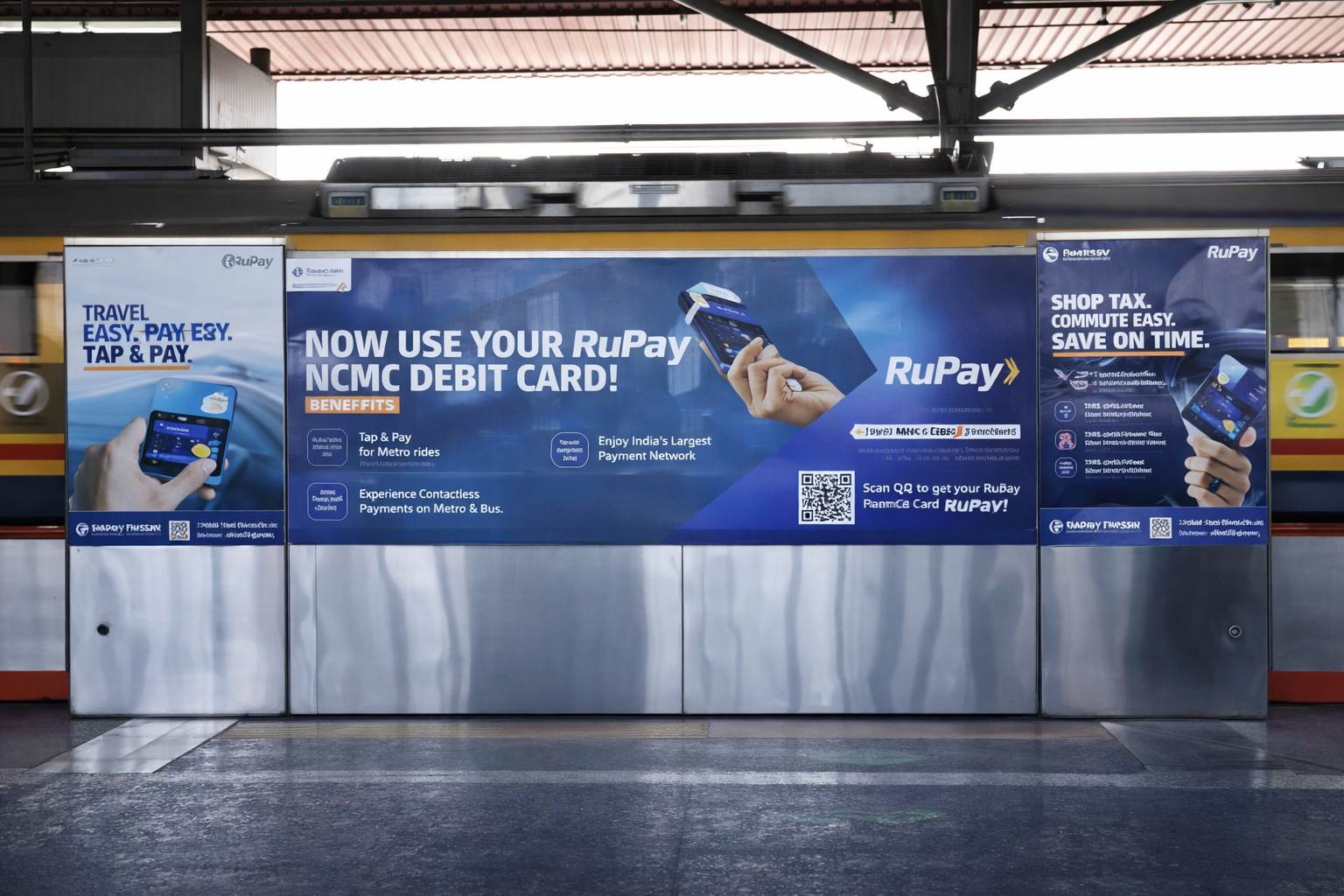
Pole Kiosk Advertising towards Anand Vihar
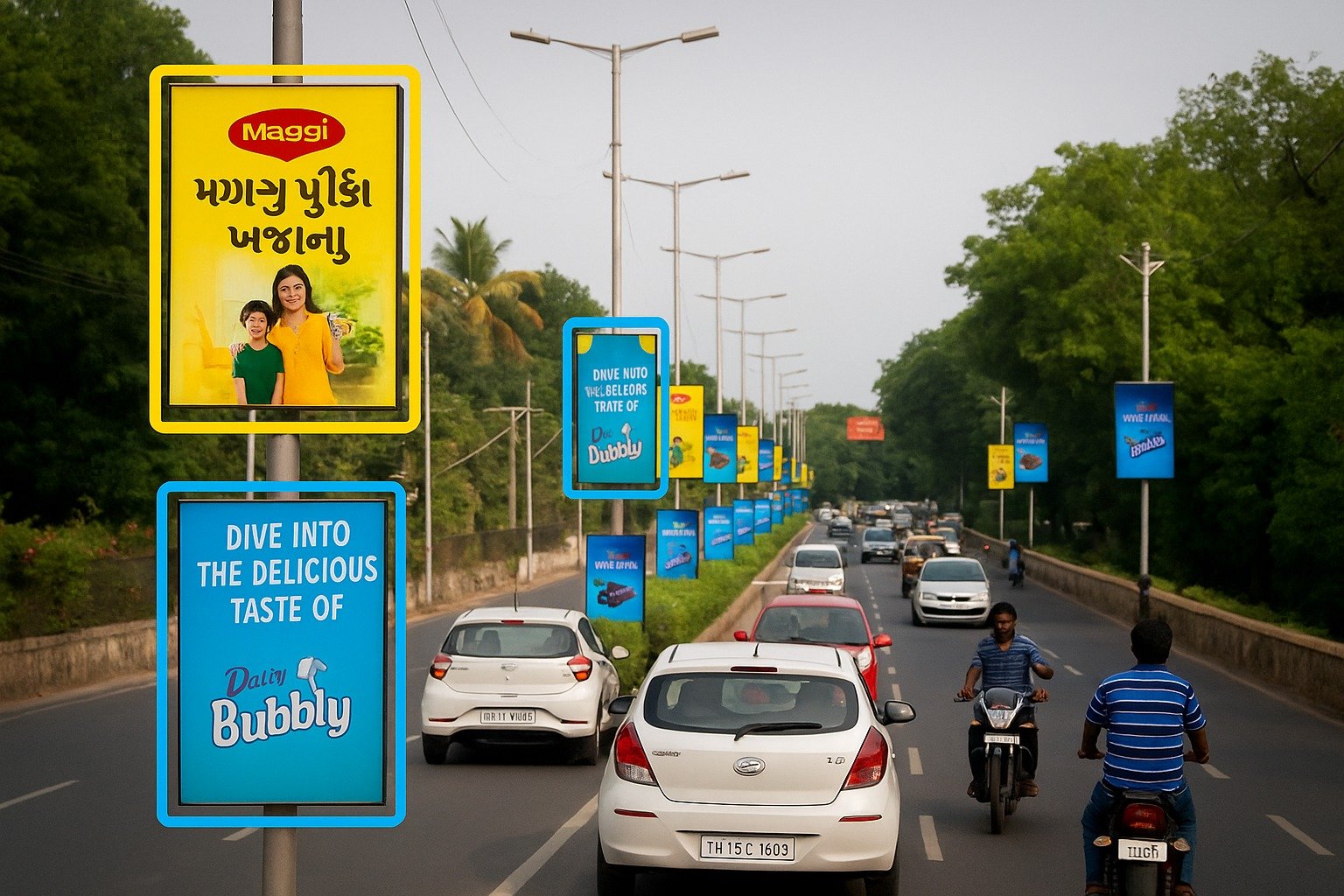
Pole Kiosk Advertising towards Anand Vihar, Delhi
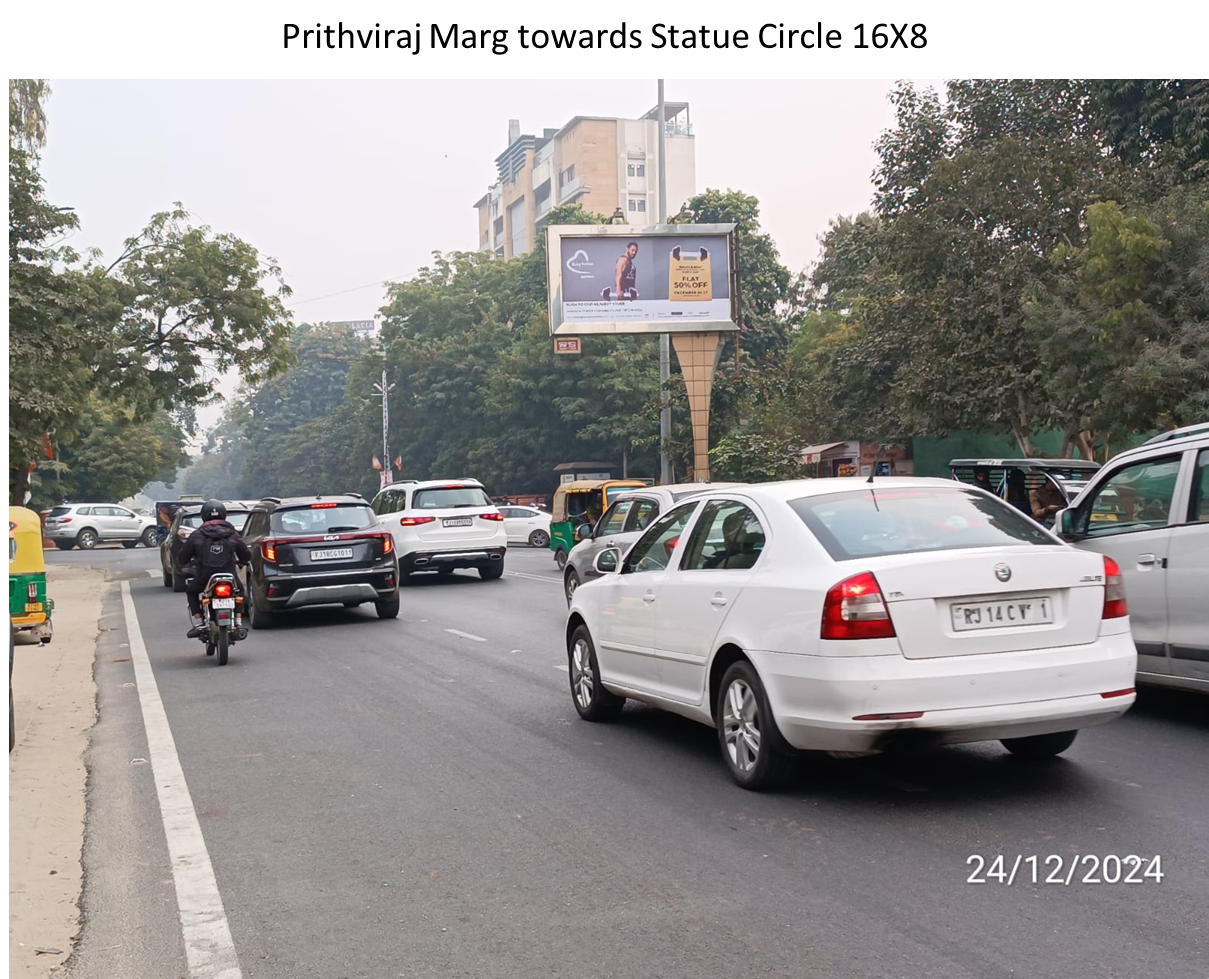
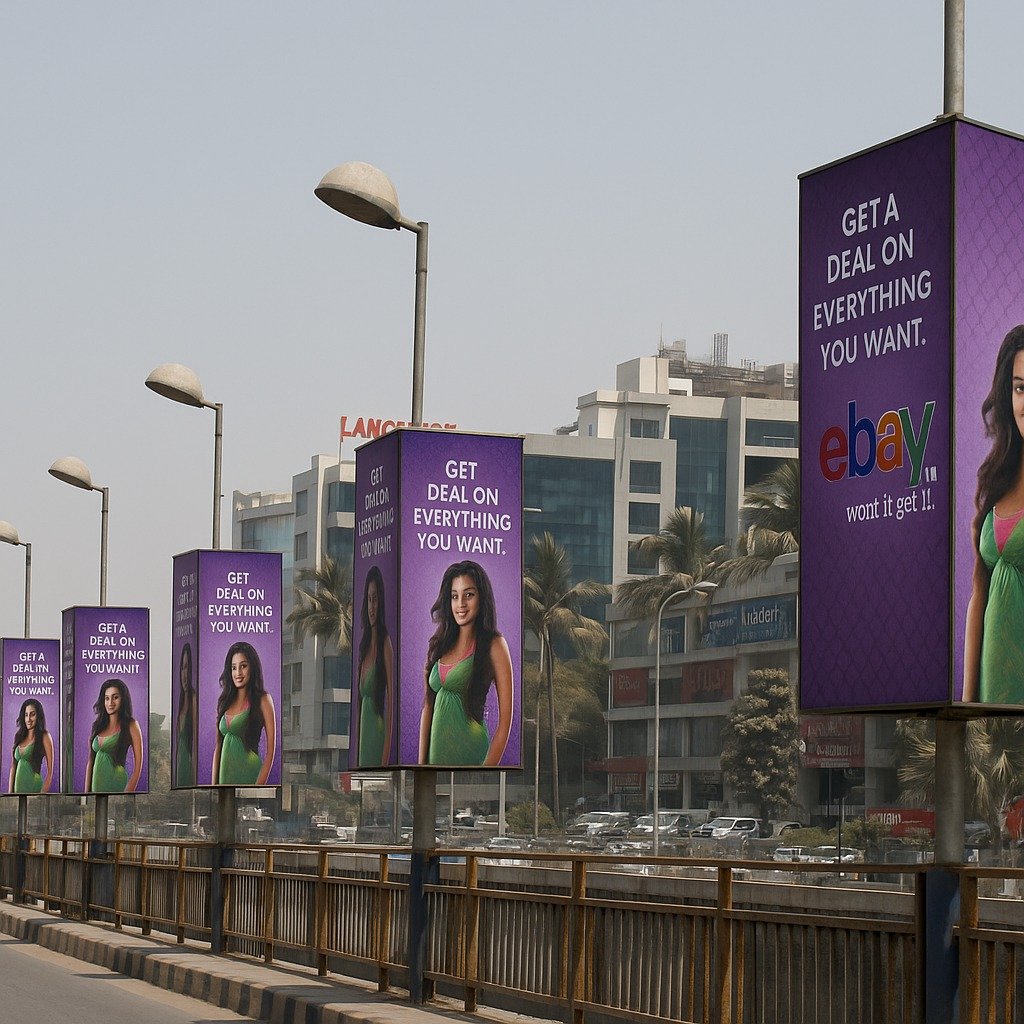
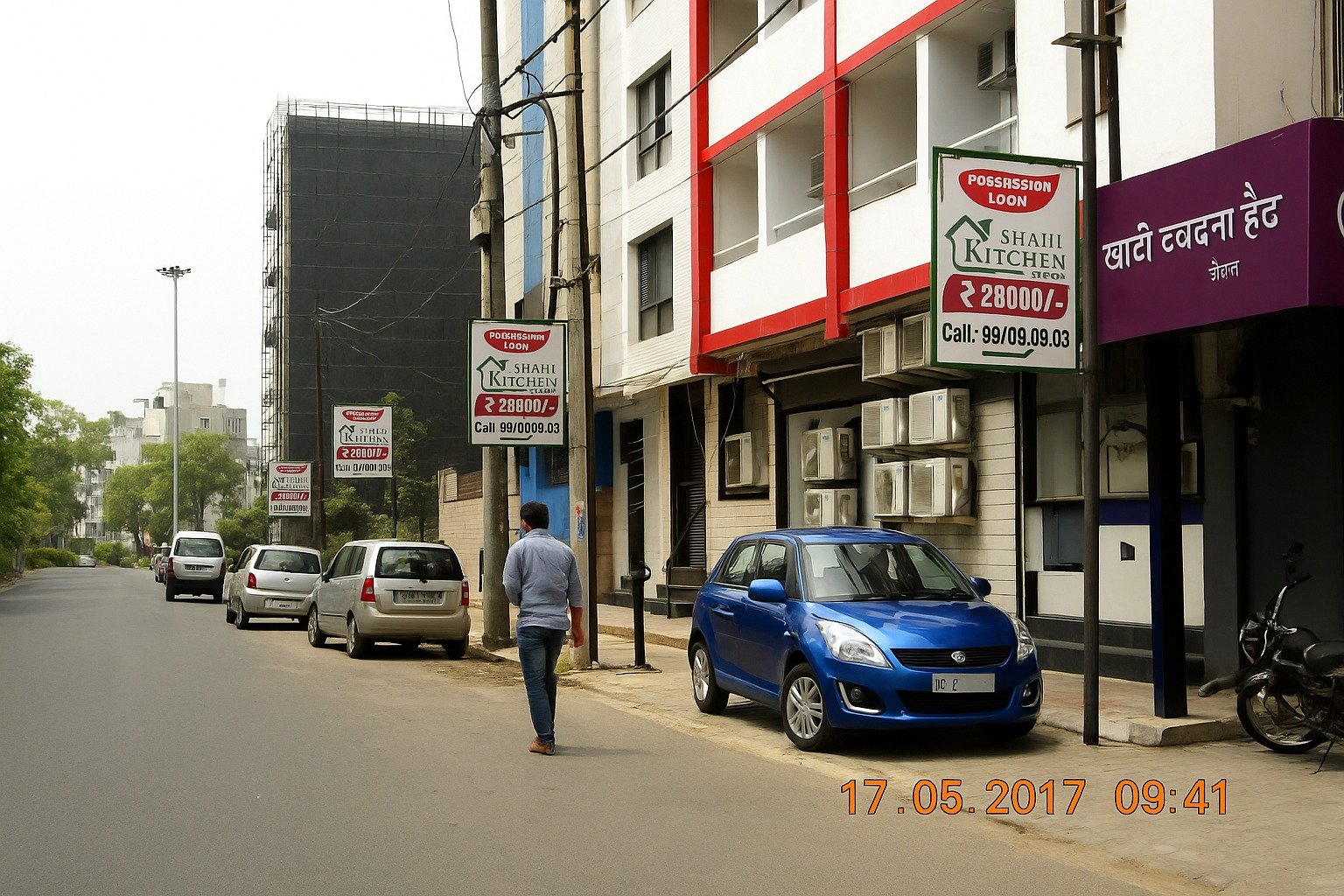
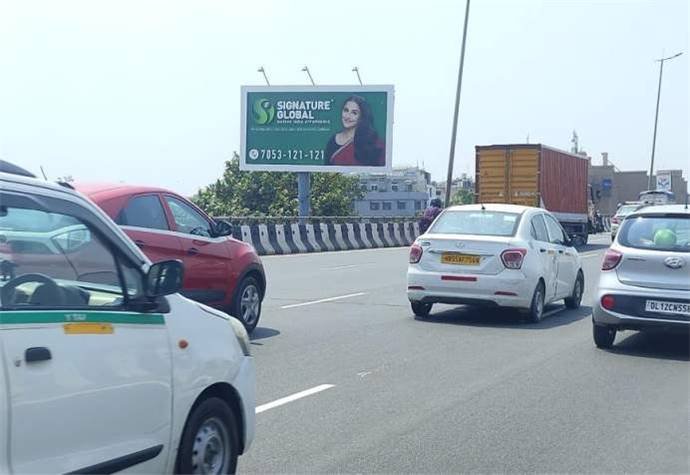
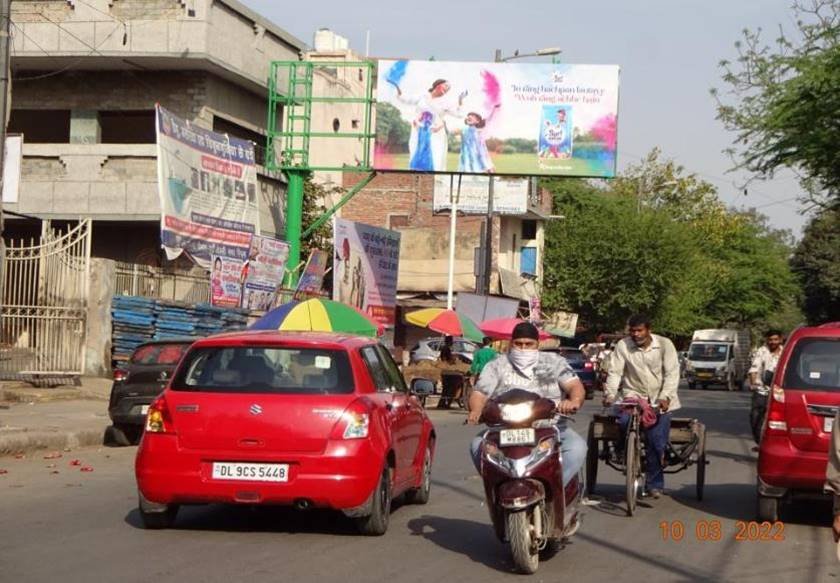
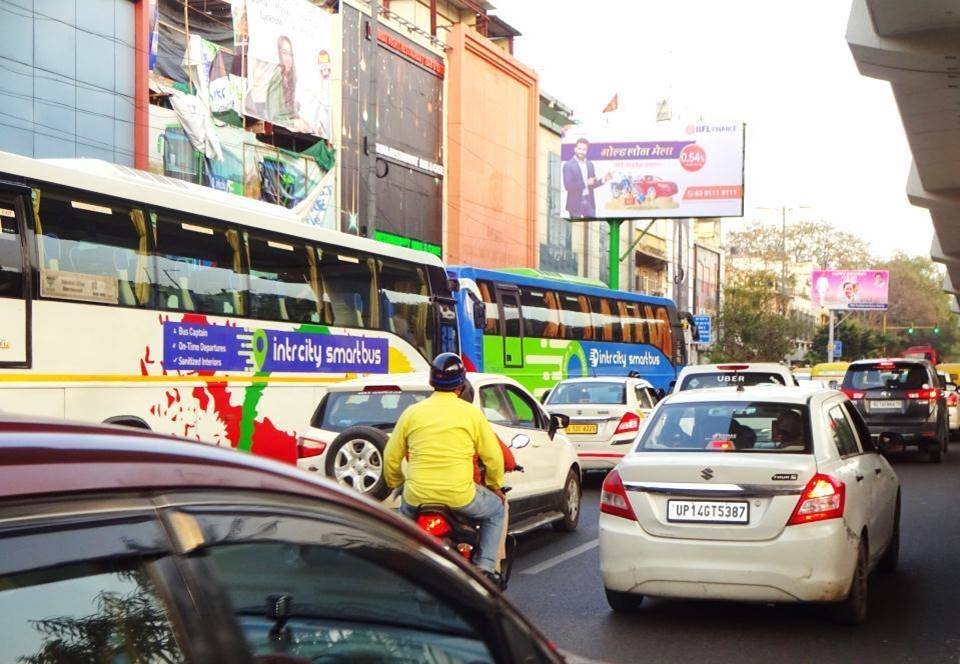
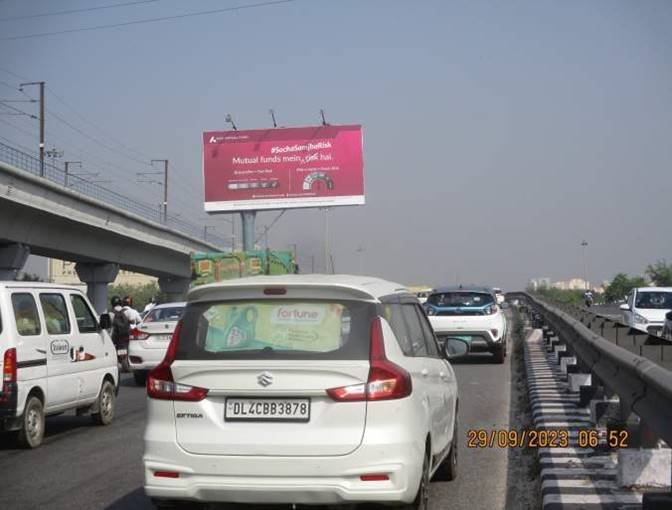
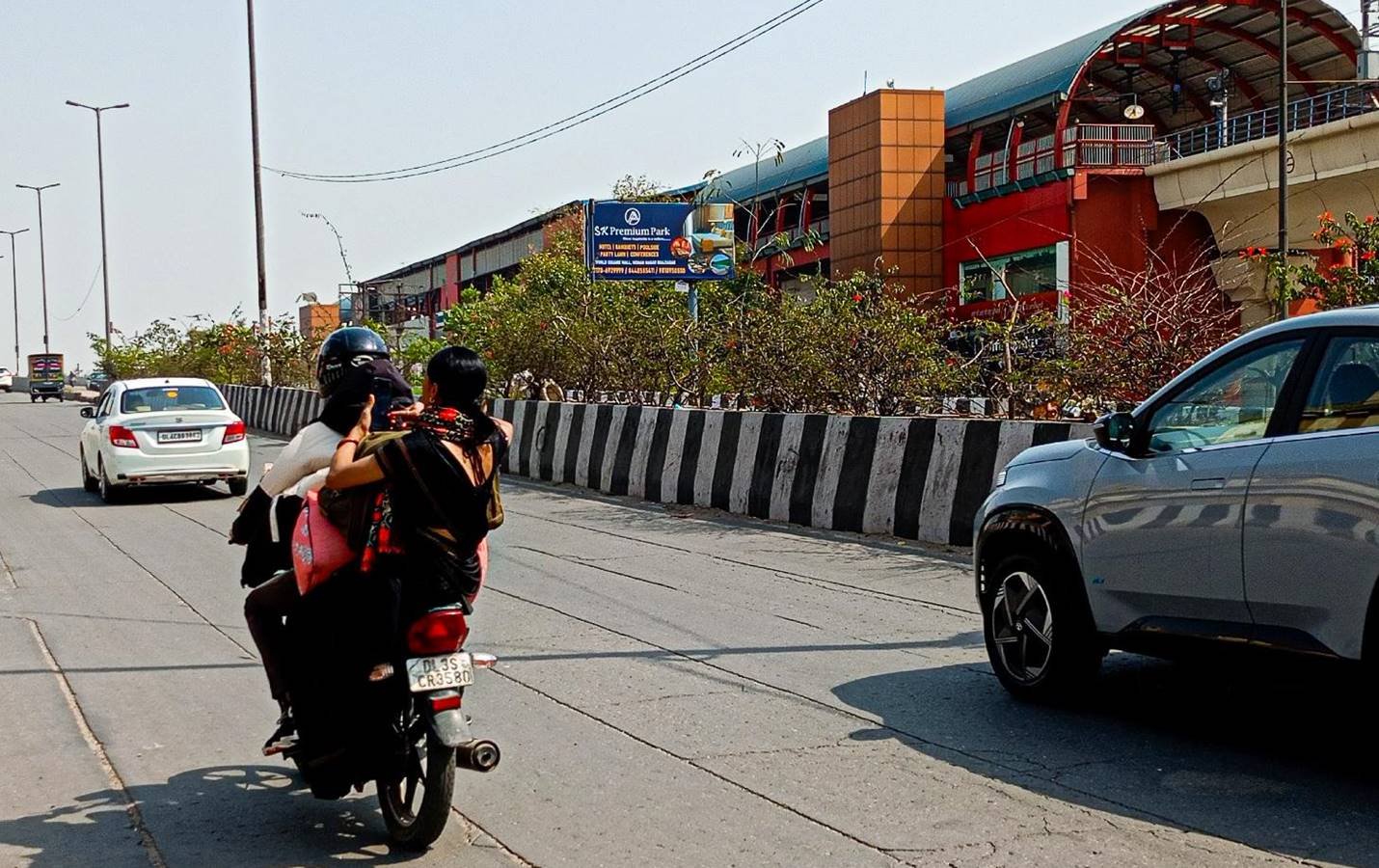
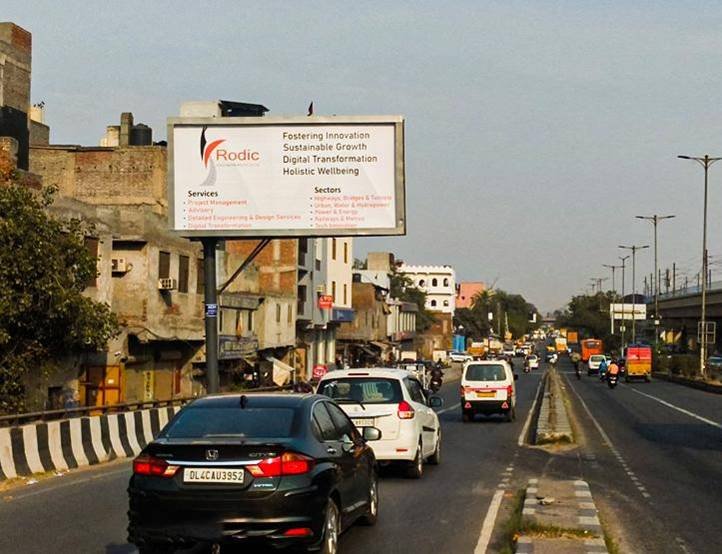
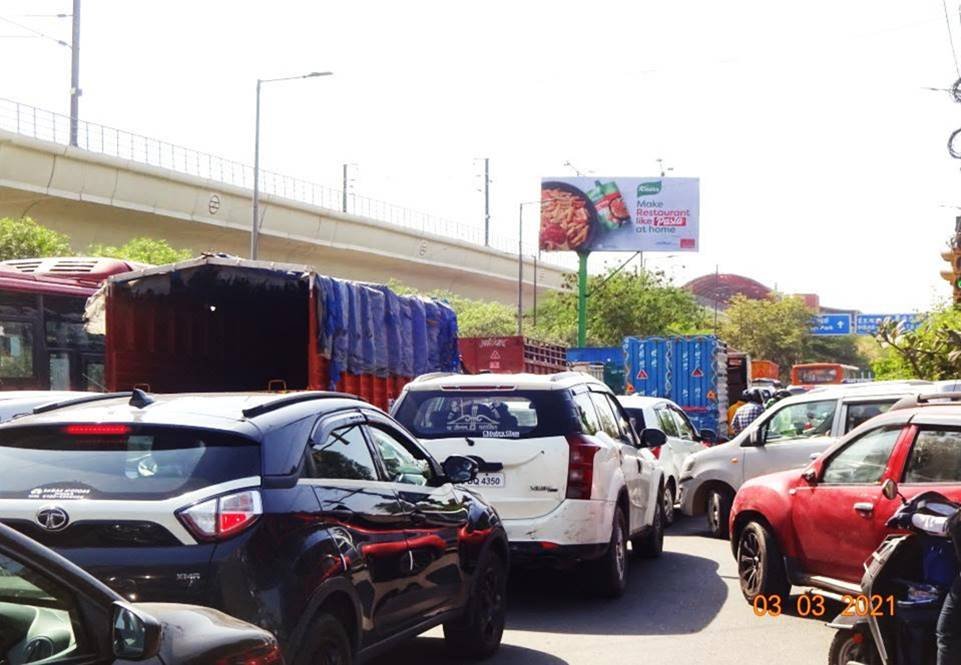
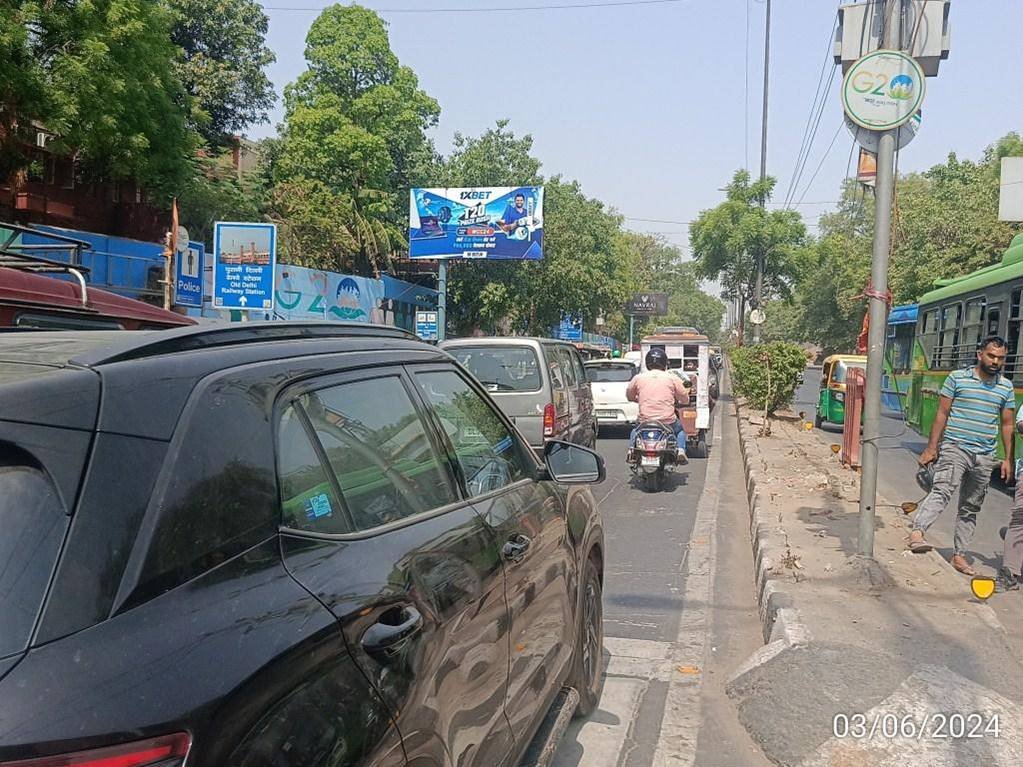
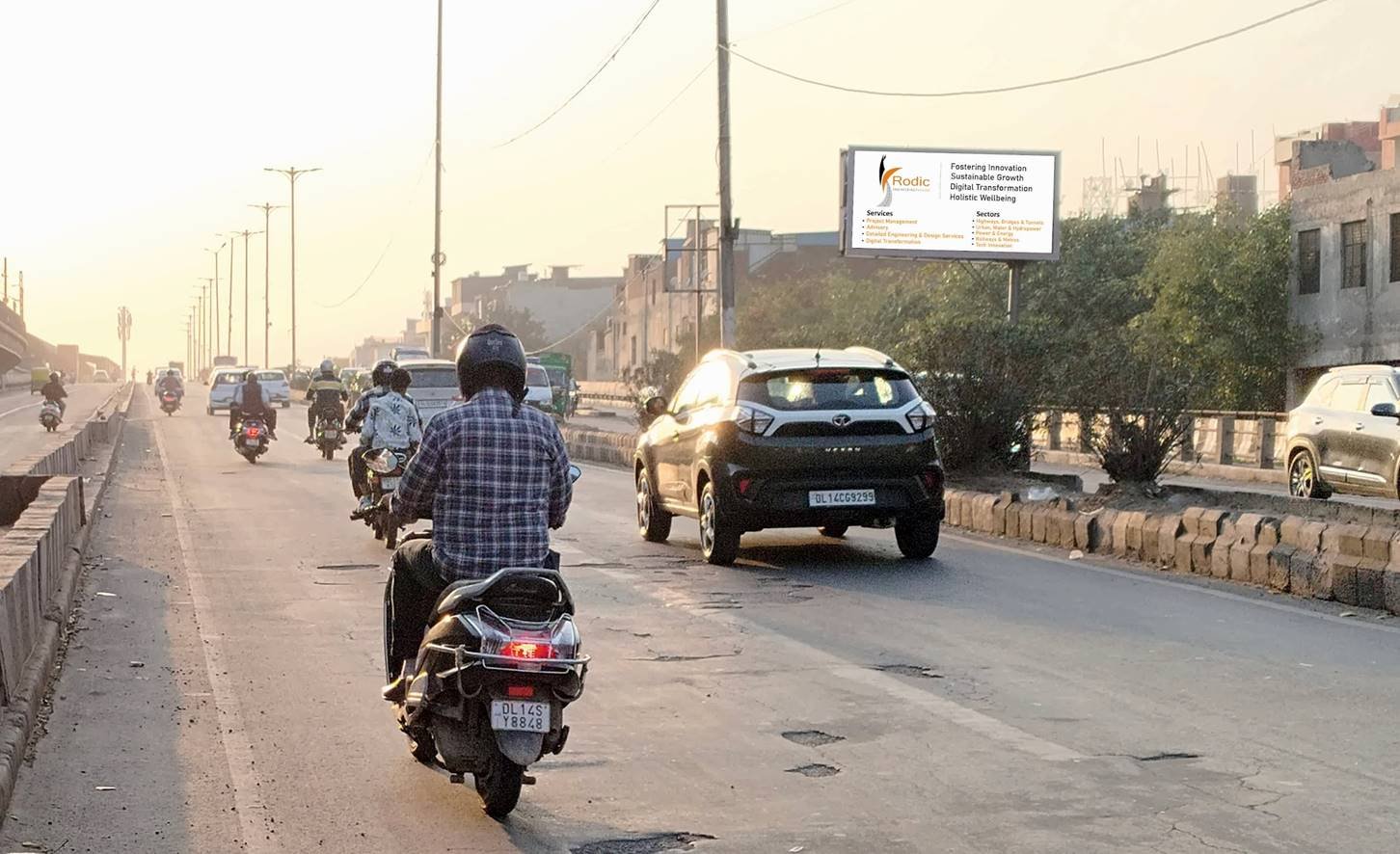
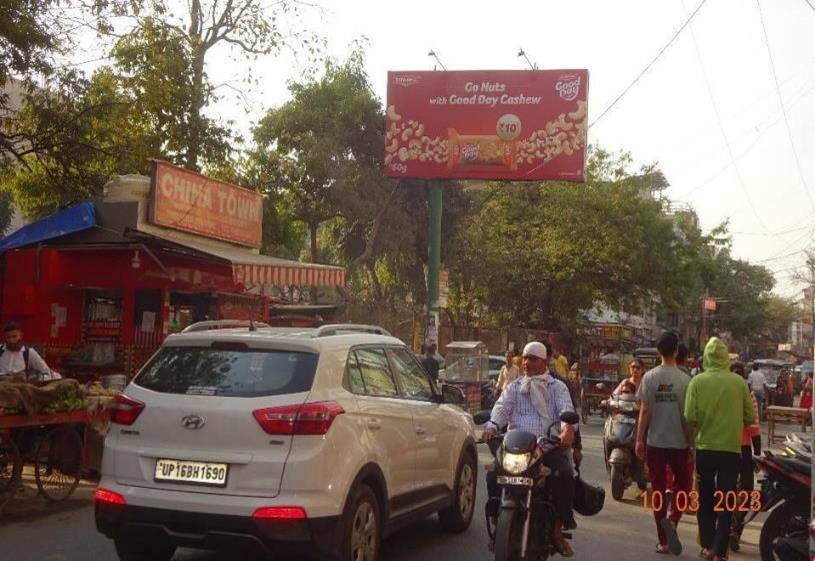
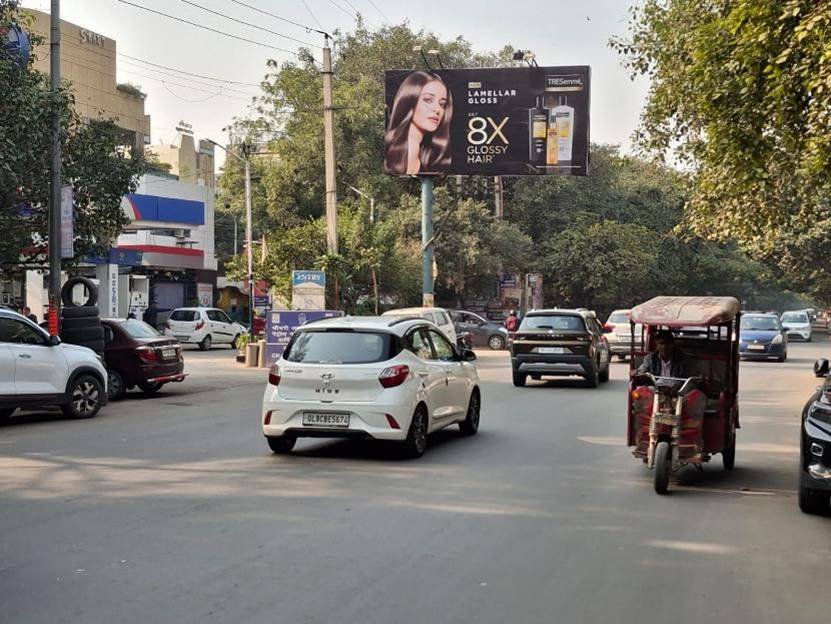
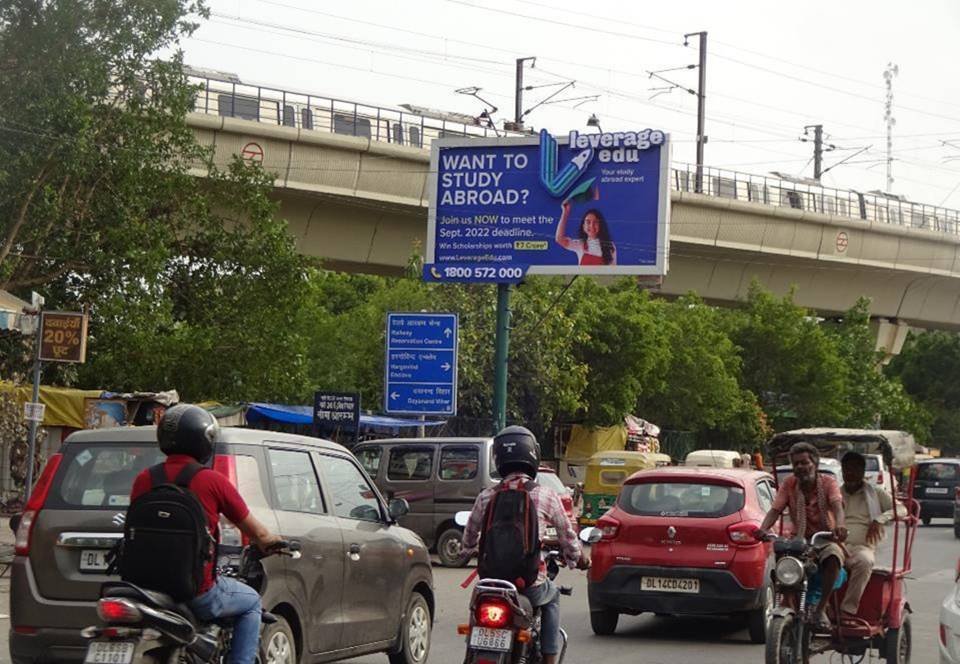
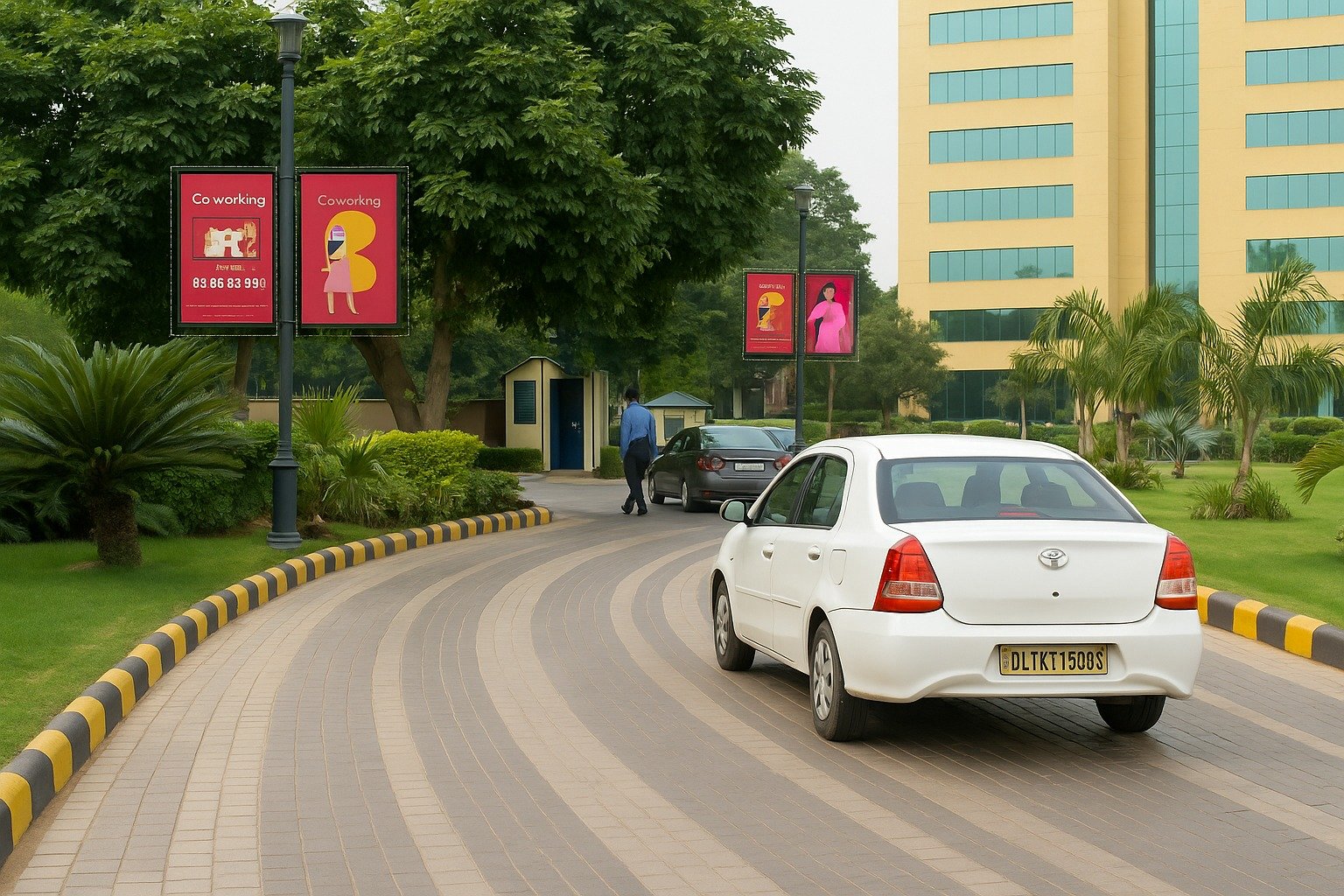
Pole Kiosk Advertising towards Anand Vihar, Delhi represents a structured roadside media format positioned along one of the capital’s most active commuter approaches. This corridor connects intercity bus terminals, railway movement, residential clusters, and arterial roads, generating sustained vehicular and pedestrian circulation throughout the day.
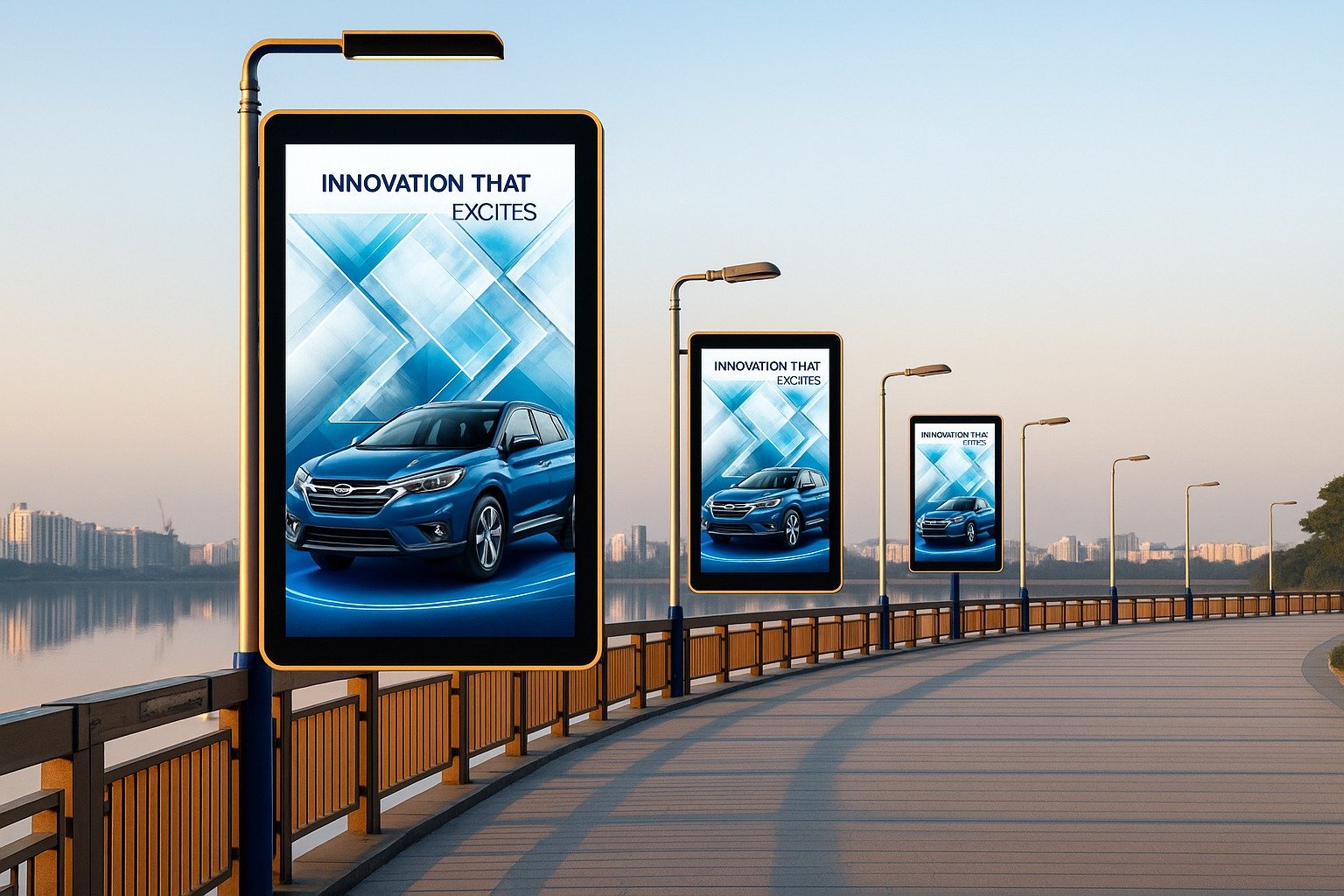
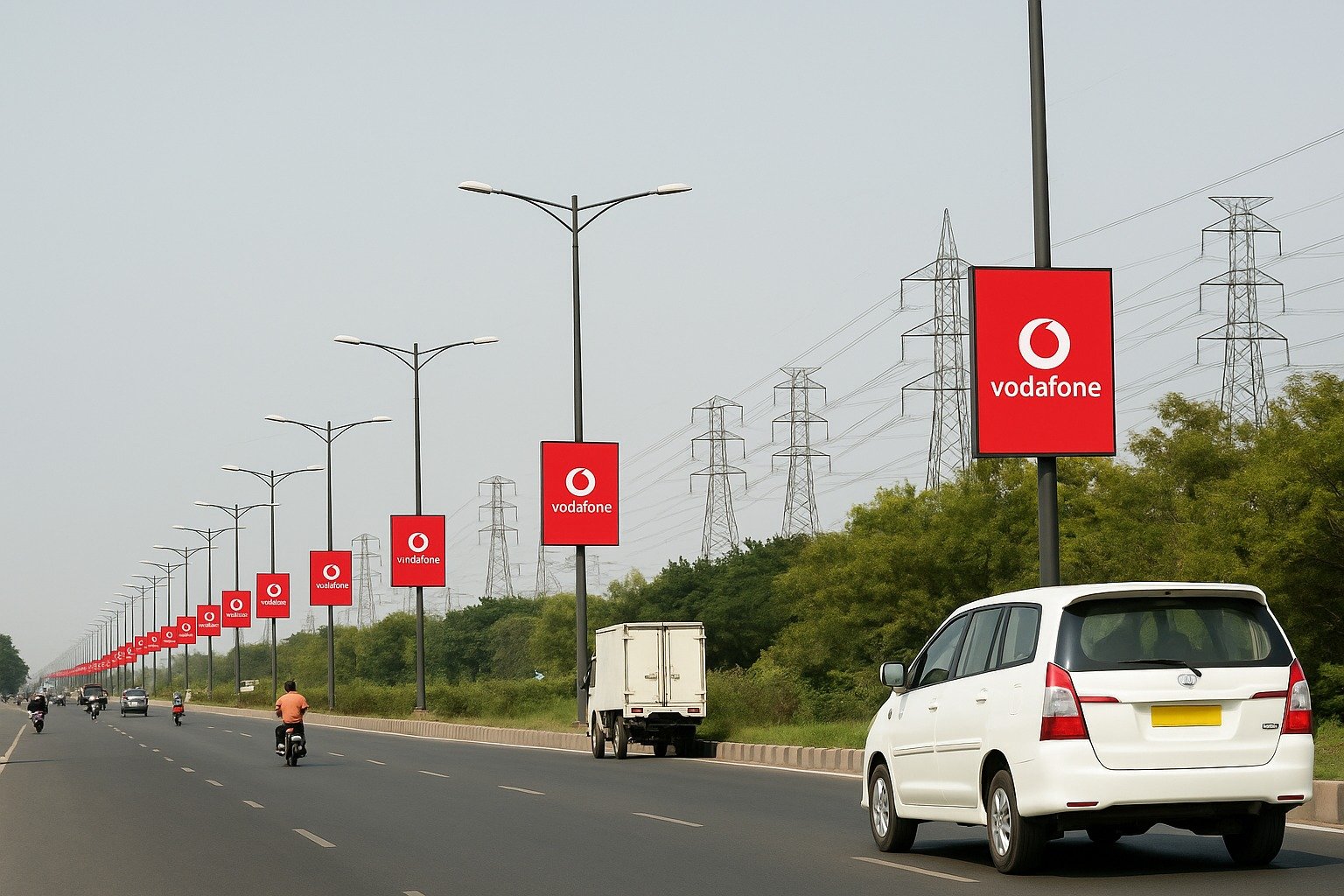
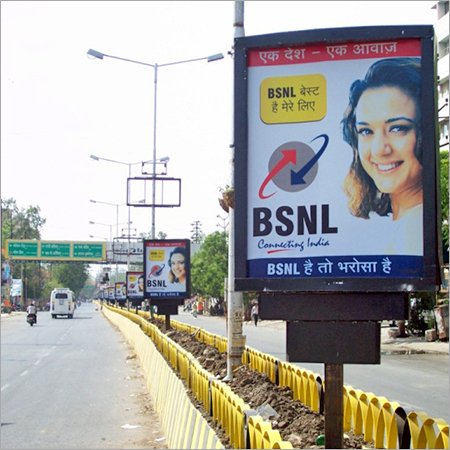
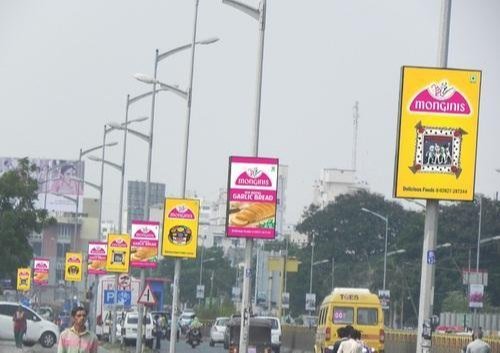
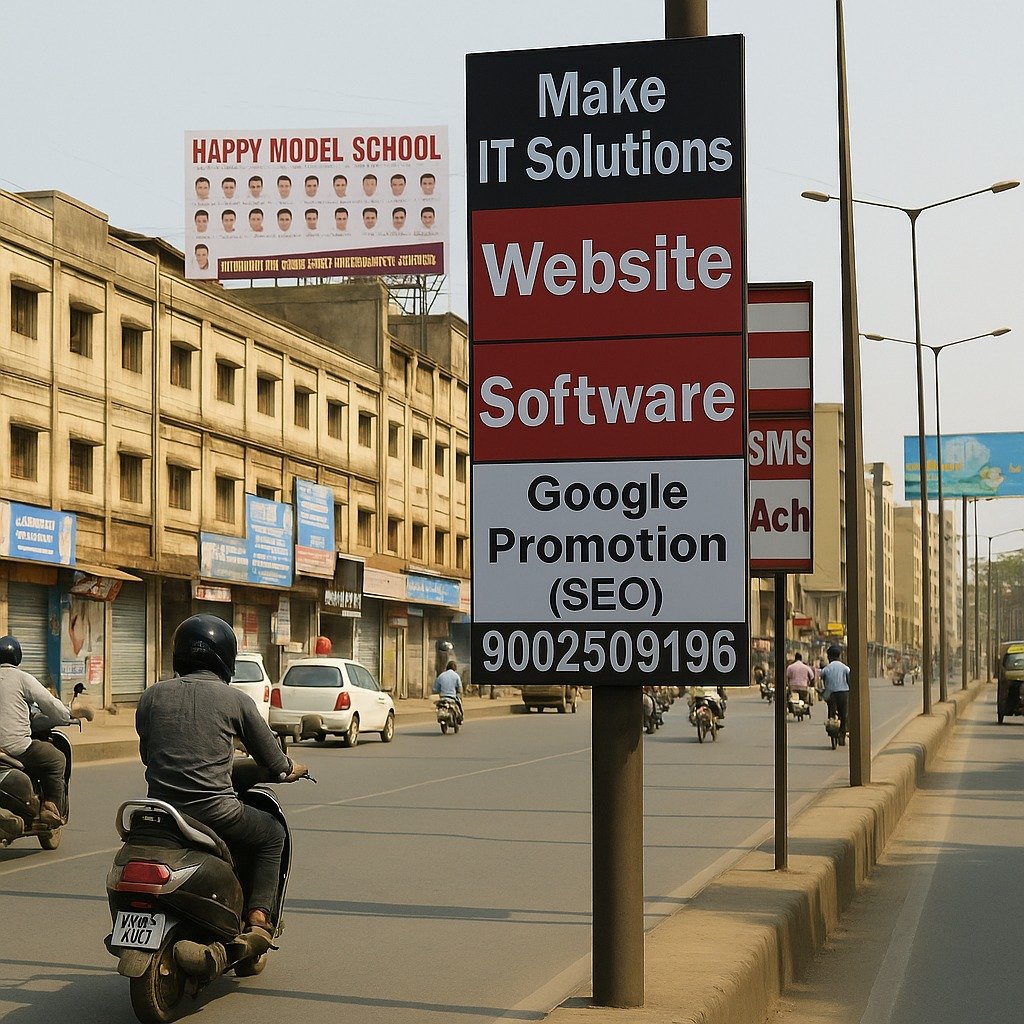
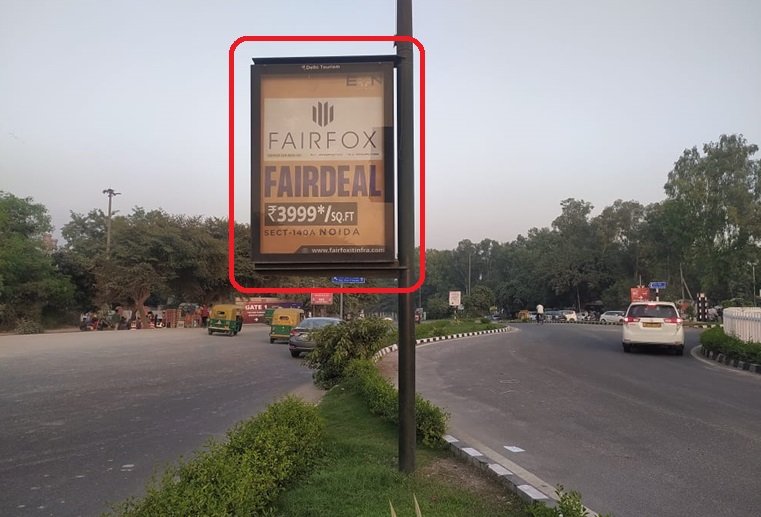
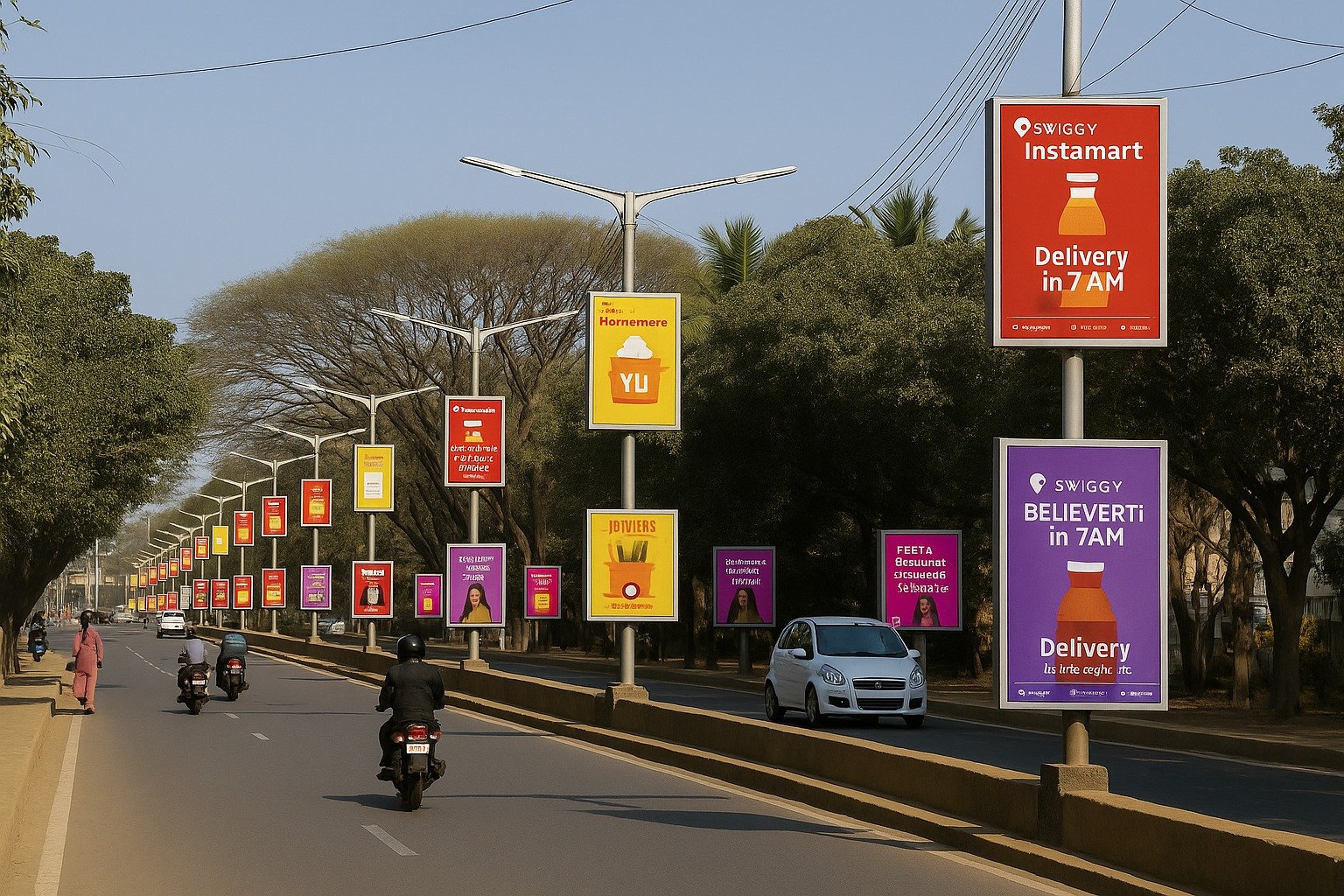
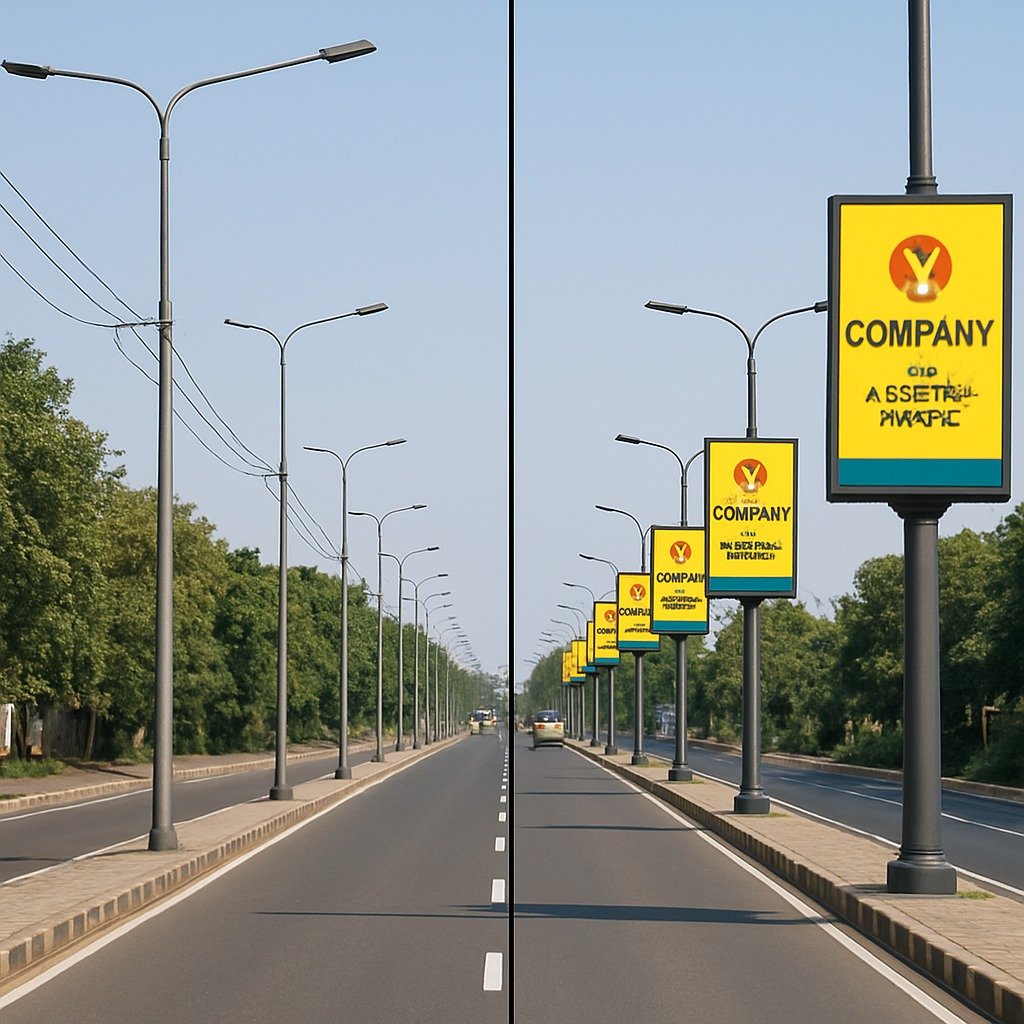
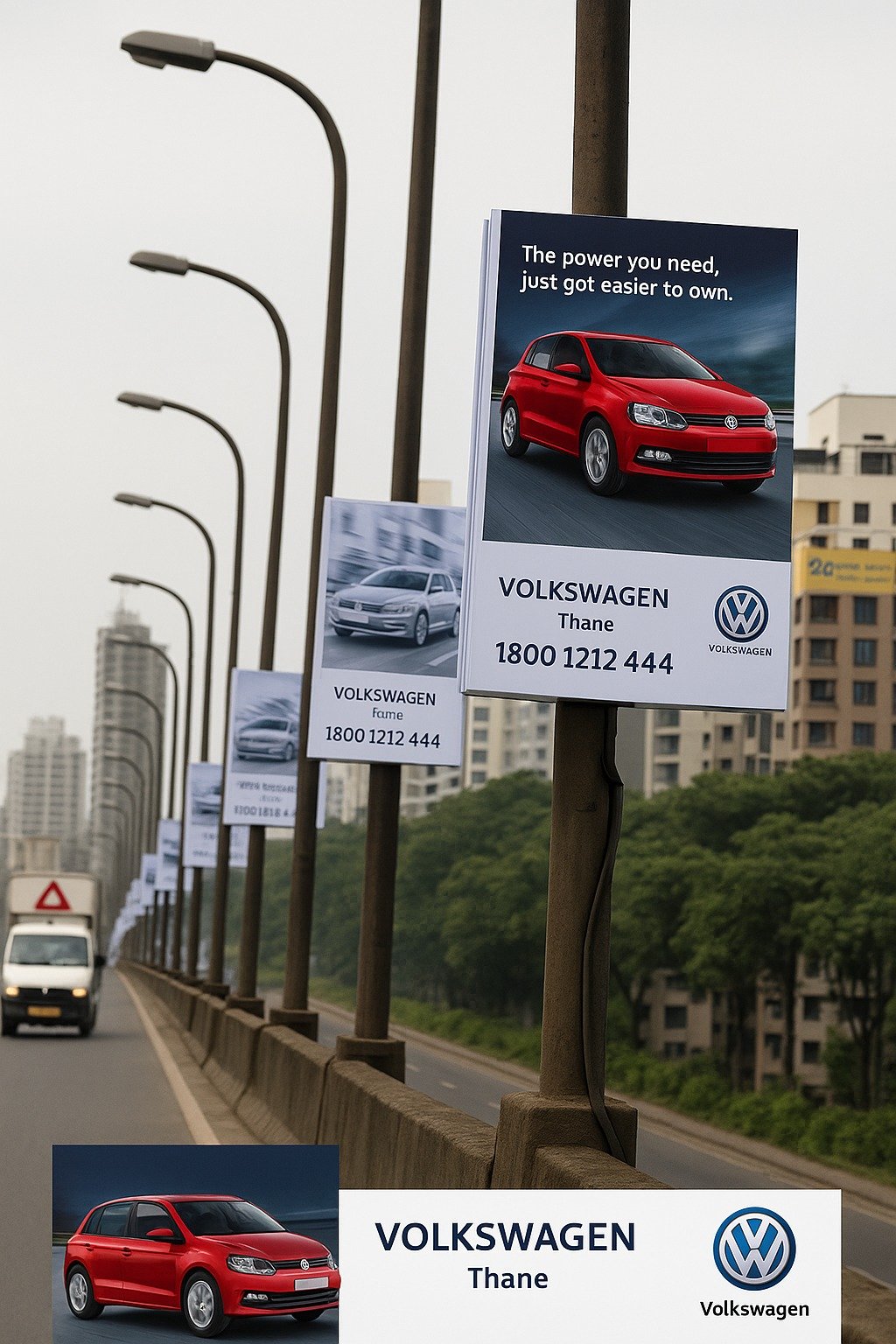
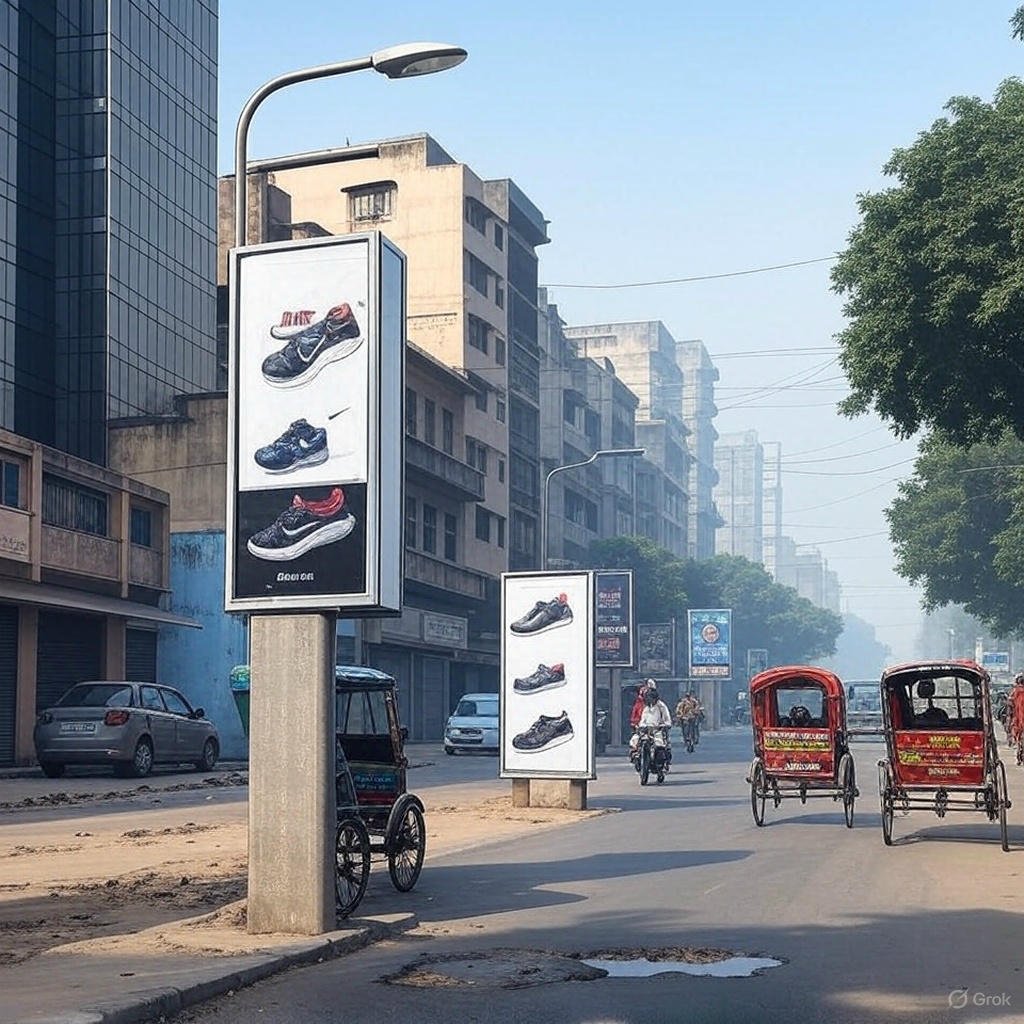
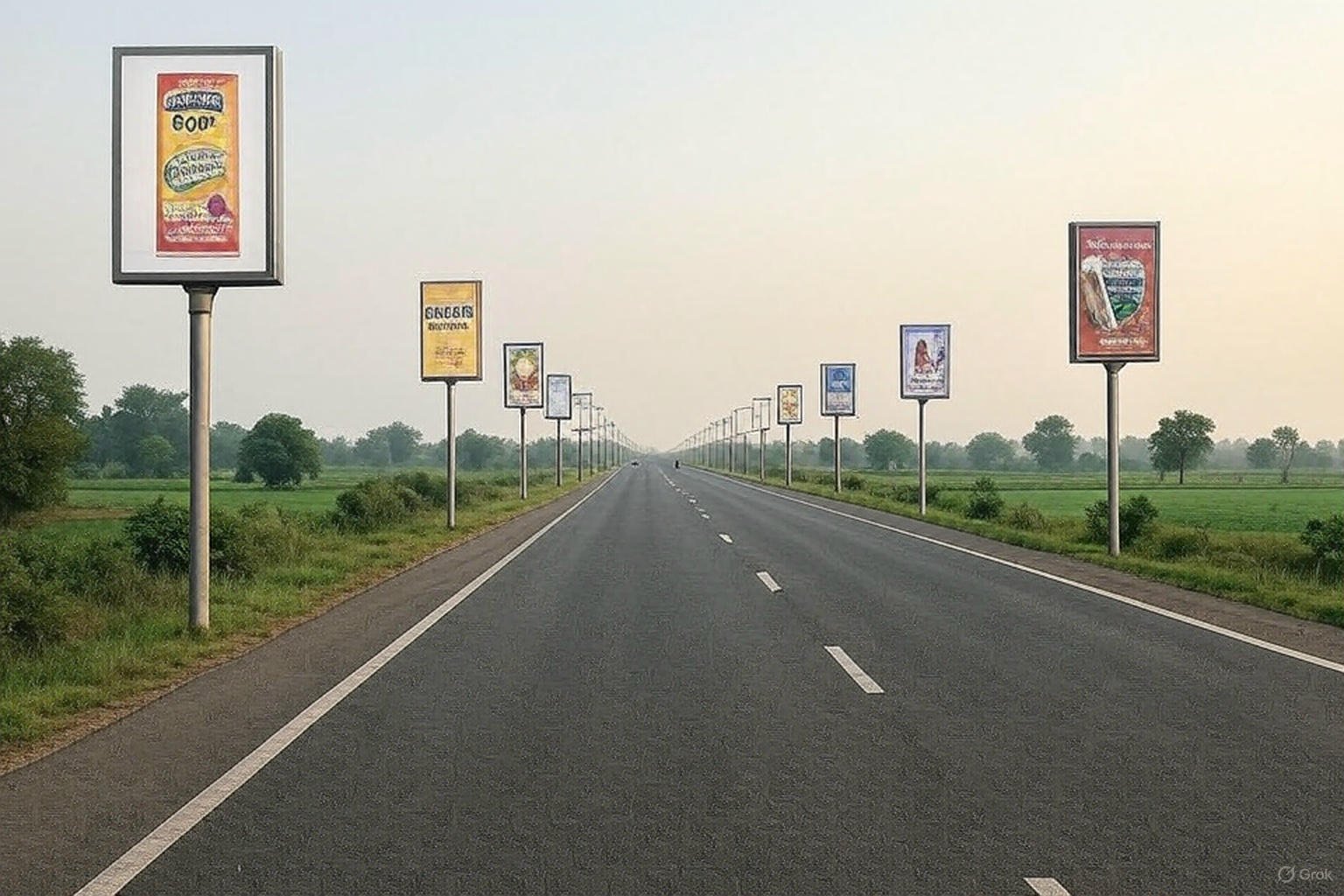
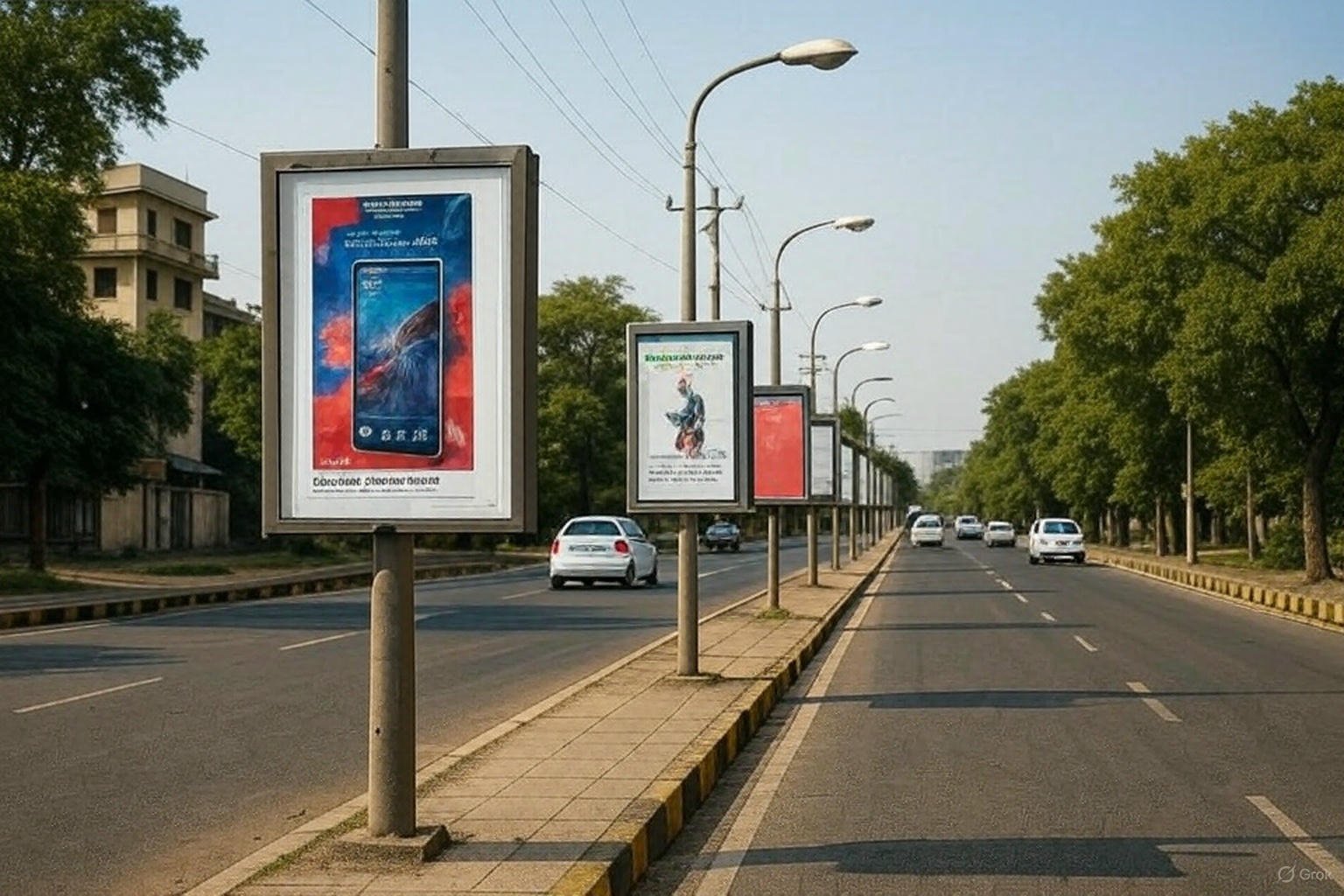
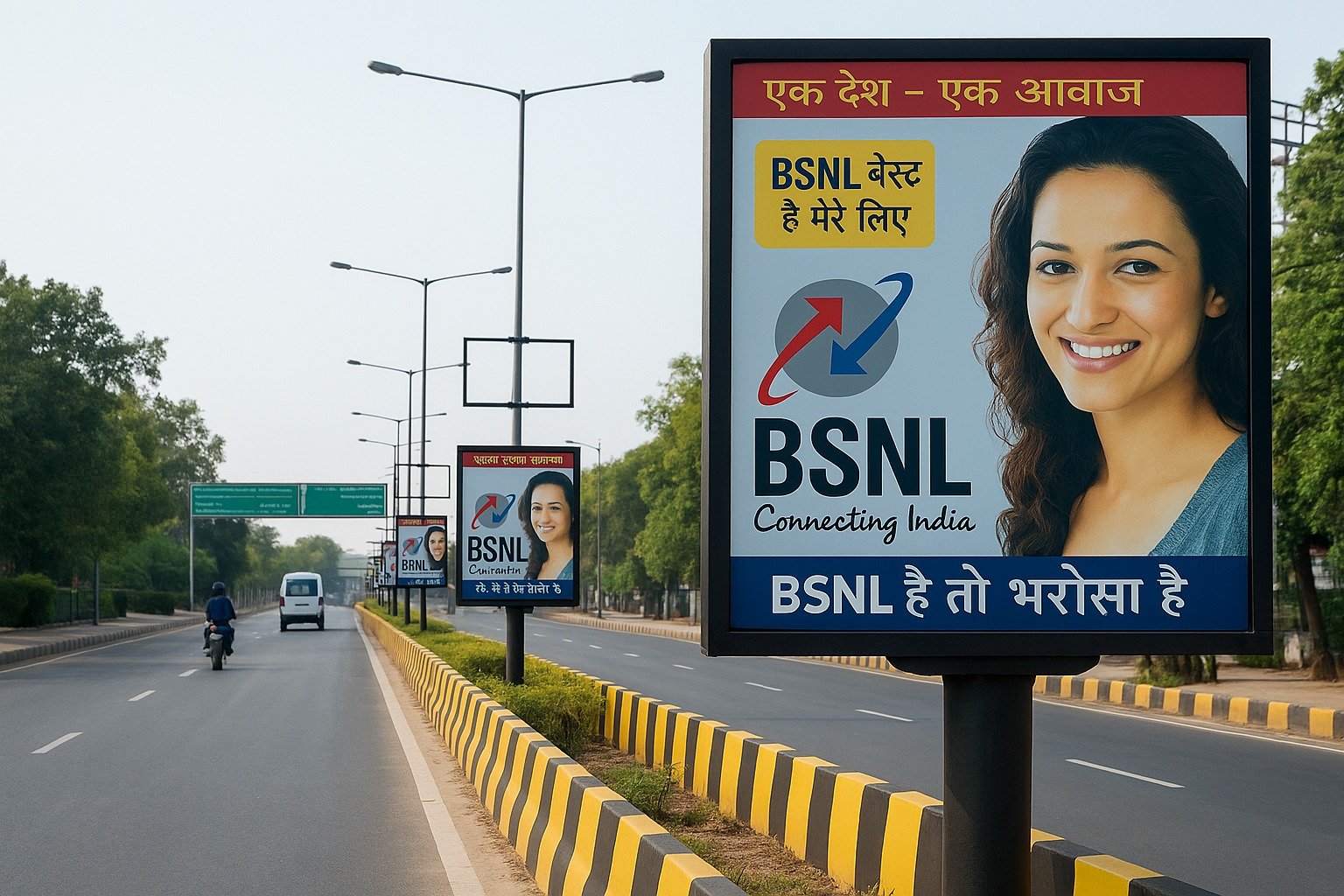
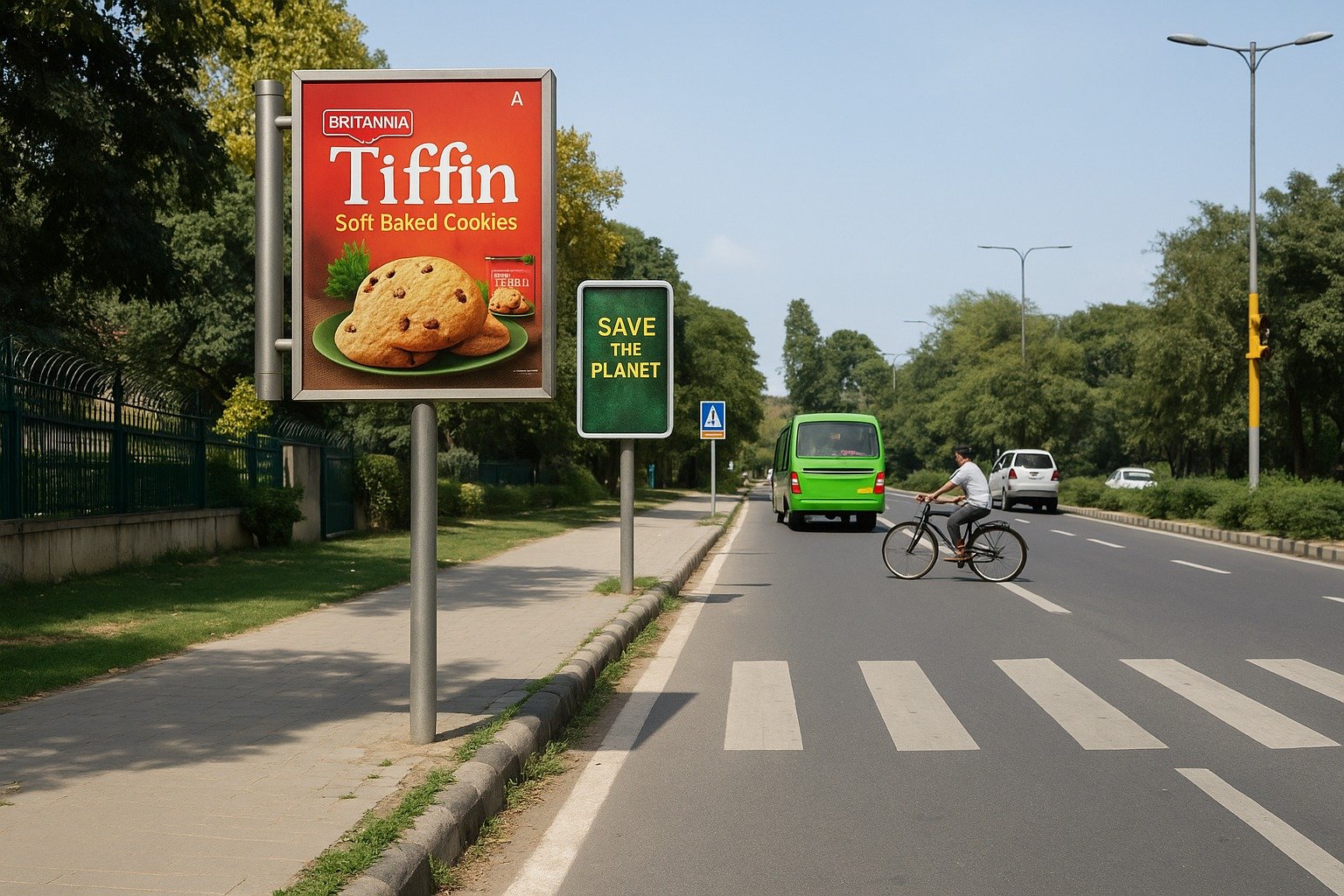
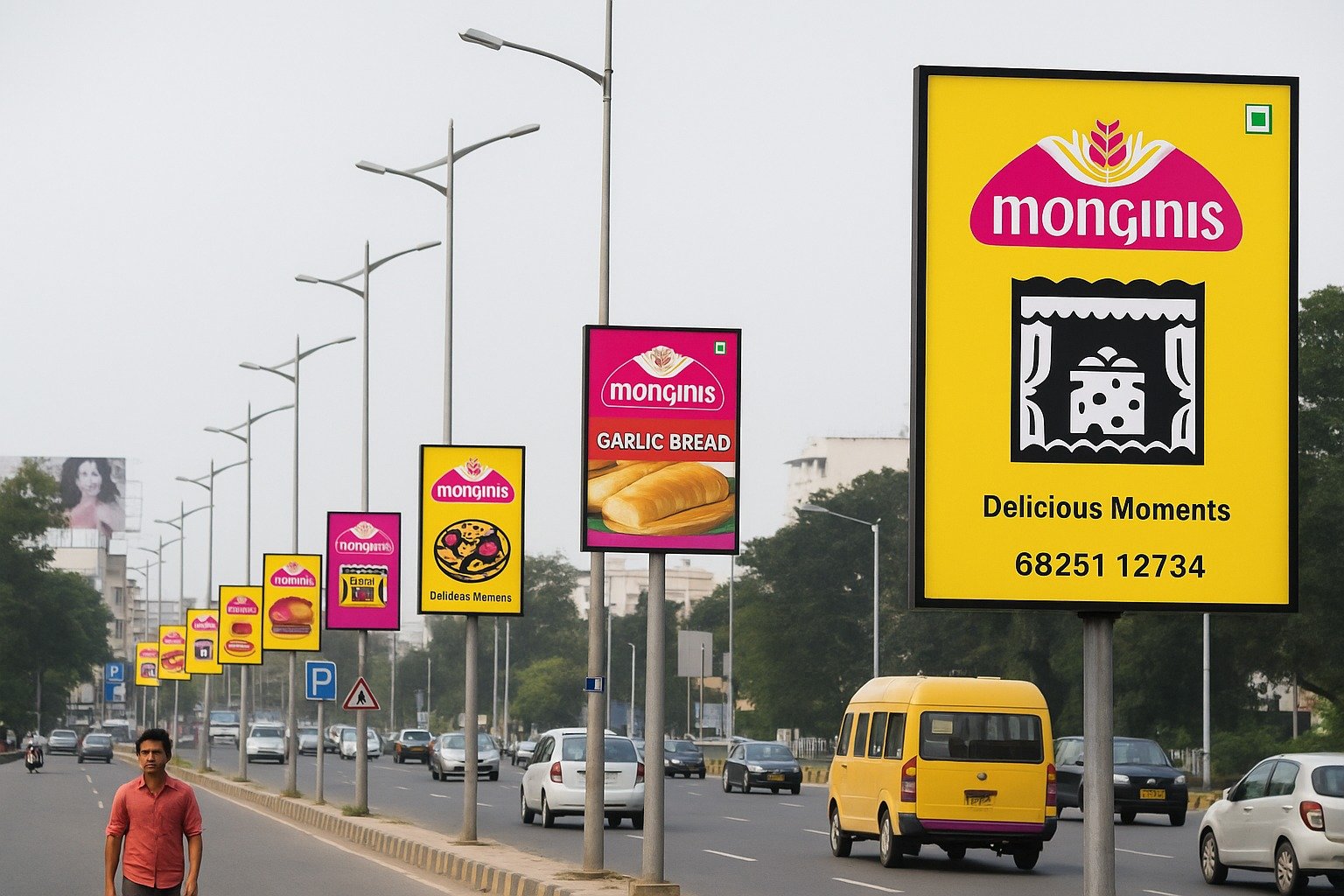
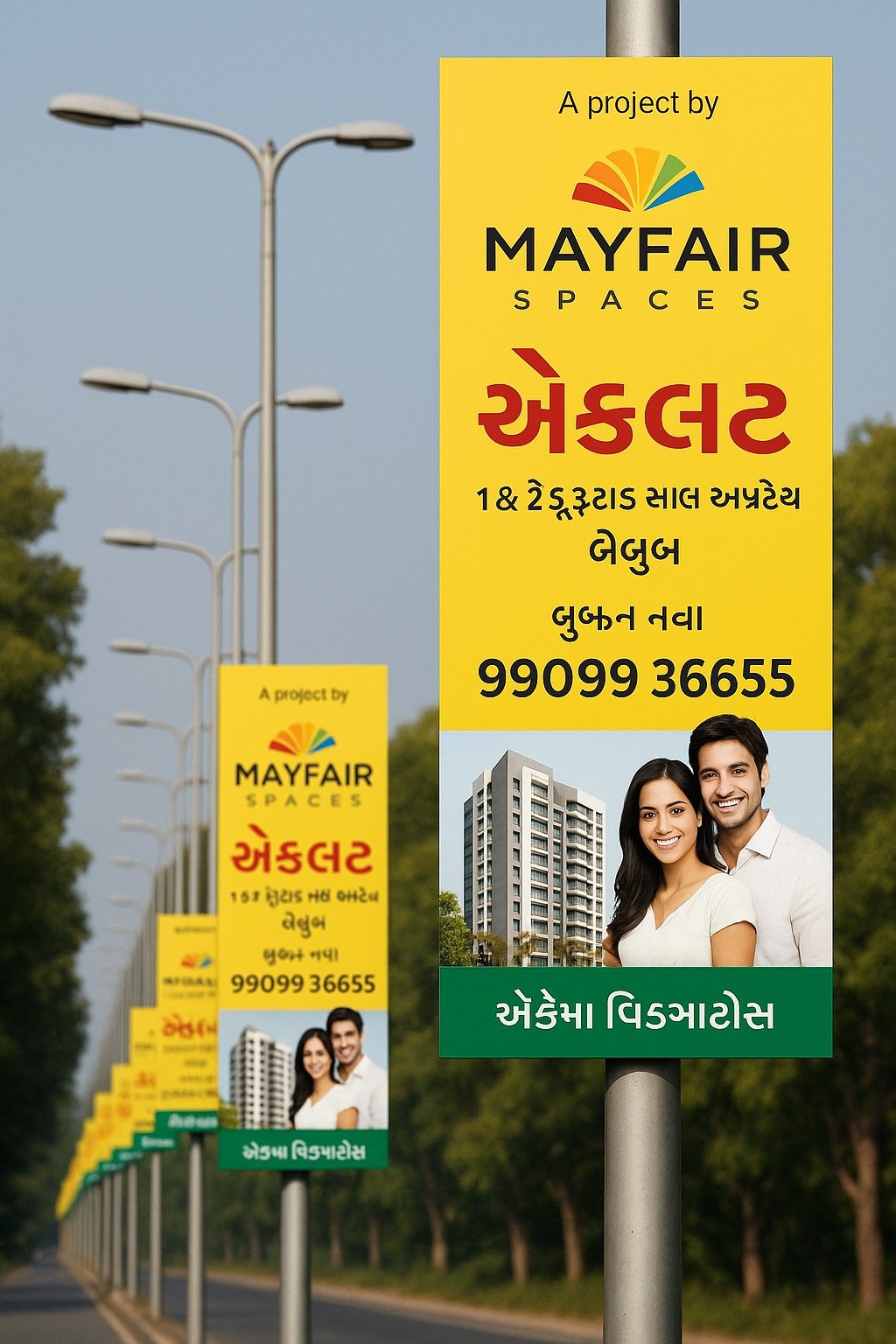
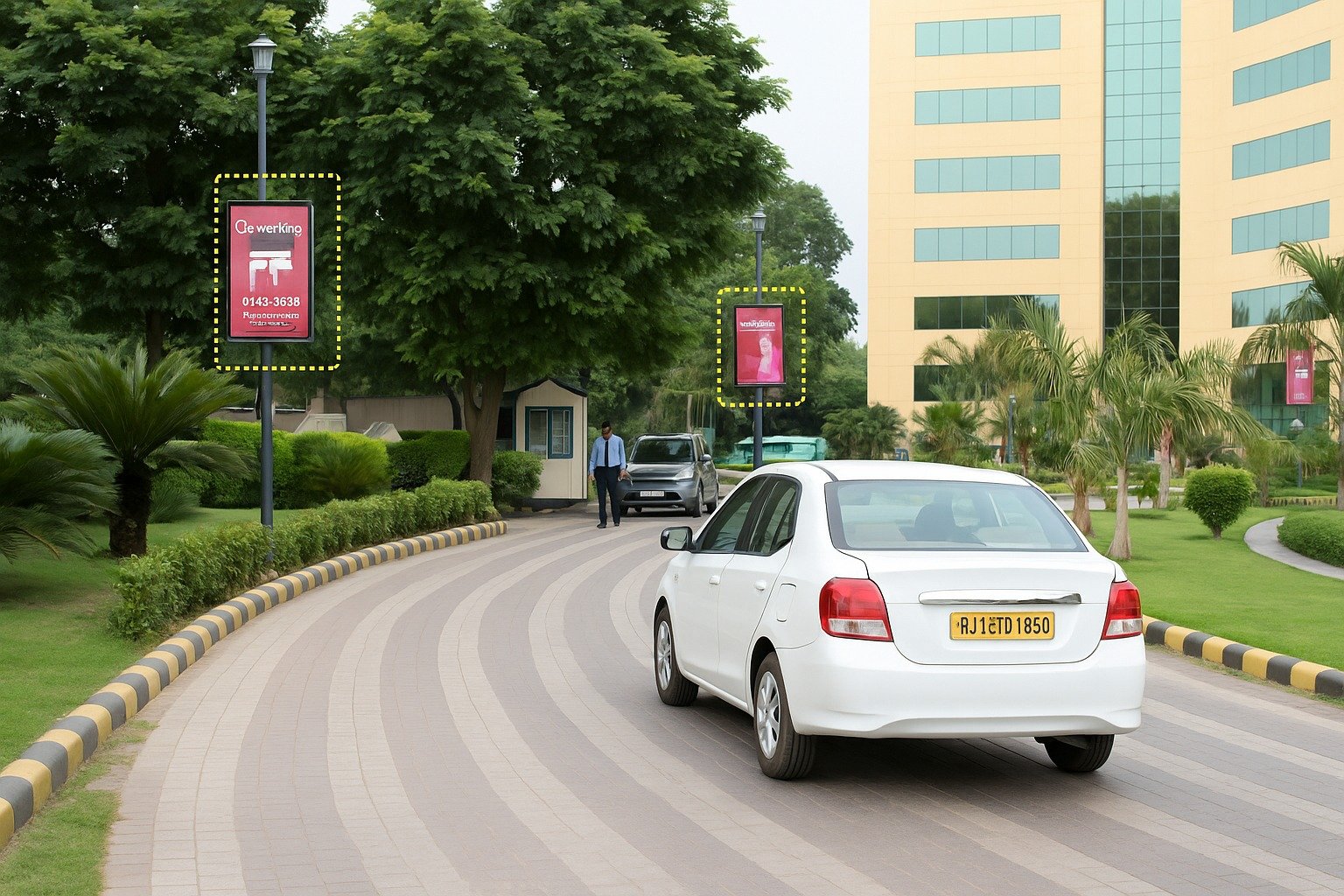
The format is typically installed along central verges or sidewalks, offering repetitive brand exposure within short intervals. As a linear visibility medium, it supports both directional messaging and high-frequency recall among daily commuters. Its strength lies in controlled sequencing across a defined stretch rather than reliance on a single dominant structure.
Why This Location Works
The approach towards Anand Vihar functions as a transit-heavy movement spine. Traffic here includes long-distance bus passengers, railway users, office commuters, delivery vehicles, and neighborhood residents. Such layered mobility creates repeated exposure opportunities.
The corridor’s road geometry allows pole kiosks to be installed in consistent spacing patterns, enabling message reinforcement. Peak-hour congestion further increases dwell time, enhancing visual retention. For brands seeking cumulative recall through repetition, this environment provides reliable audience contact cycles.

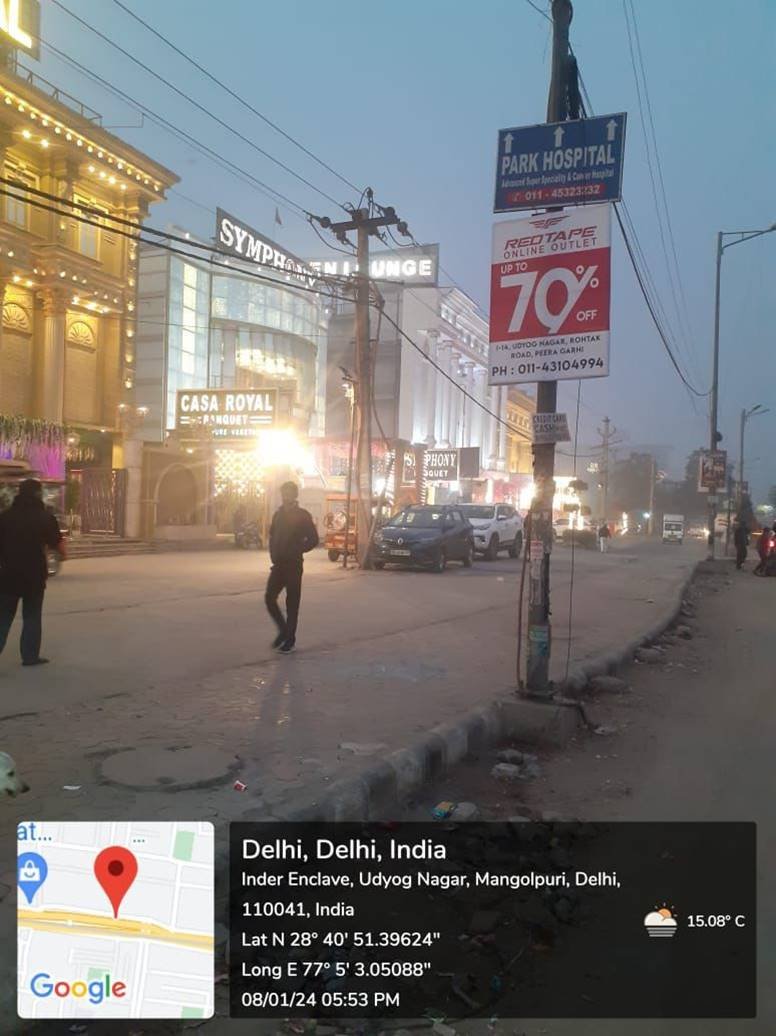
Strategic Value of the Location
From a media planning standpoint, this stretch towards Anand Vihar holds regional importance. It serves as an entry and exit gateway for eastern Delhi and adjoining states. Advertising placed here benefits from both local and intercity impressions.
Pole kiosks along this route operate as directional branding assets. They support product launches, retail announcements, educational campaigns, and service awareness programs by guiding consumers toward nearby destinations. The format’s linear continuity strengthens sequential message reinforcement, which is critical in high-traffic corridors.
Brand Visibility & Presence Impact
Pole Kiosk Advertising towards Anand Vihar, Delhi enhances brand presence through proximity repetition. Instead of a single large-format impact, the format creates multiple touchpoints within a short travel span.
This repetition ensures:
- Reinforced logo recall
- Improved tagline retention
- Stronger directional messaging
- Increased familiarity among daily commuters
Because commuters often use this route repeatedly, visibility compounds over time. For brands targeting sustained urban recall, this structure performs as a dependable reinforcement medium.
Ideal Industries
The traffic profile towards Anand Vihar supports a broad mix of industries. The surrounding catchment includes residential communities, commercial establishments, transit hubs, and institutional facilities.
Industries that typically leverage this format include:
- Educational institutions
- Healthcare providers
- Real estate developers
- Retail chains
- Financial services
- Consumer electronics
- Hospitality brands
Pole Kiosk Advertising towards Anand Vihar, Delhi is particularly effective for businesses seeking directional awareness within a defined urban corridor.
Creative Guidelines
Creative execution for pole kiosk formats must prioritize clarity and immediate readability. Given the short glance time, designs should emphasize bold typography, high-contrast colors, and minimal copy.
Key creative considerations include:
- Dominant brand logo placement
- Single, strong call-to-action
- Limited word count
- High-visibility color combinations
- Clear directional arrows where required
Because the format relies on repetition, consistency across multiple units strengthens memory encoding. Visual uniformity across the stretch enhances cumulative brand impact.
Cost / Rates Section
Cost considerations for Pole Kiosk Advertising towards Anand Vihar, Delhi depend on structural specifications, campaign duration, and number of units deployed. Investment decisions are generally influenced by stretch length and density of installations.
Rates for this format are typically structured based on:
- Per-unit booking
- Cluster deployment
- Full-stretch domination
- Duration of display
- Illumination requirements
While individual pricing varies, the investment model supports scalable exposure. Advertisers may opt for partial presence or continuous corridor coverage depending on strategic objectives.
Factors That Influence Cost
Several operational and environmental elements affect pricing and rate structures for pole kiosk deployments towards Anand Vihar.
These include:
- Traffic intensity along the selected stretch
- Visibility angle and obstruction levels
- Municipal permissions
- Illumination type
- Installation specifications
- Campaign tenure
Longer durations generally offer stability in visibility, while cluster bookings improve impact density. Media planners evaluate these variables before finalizing cost structures.
Campaign Planning Insights
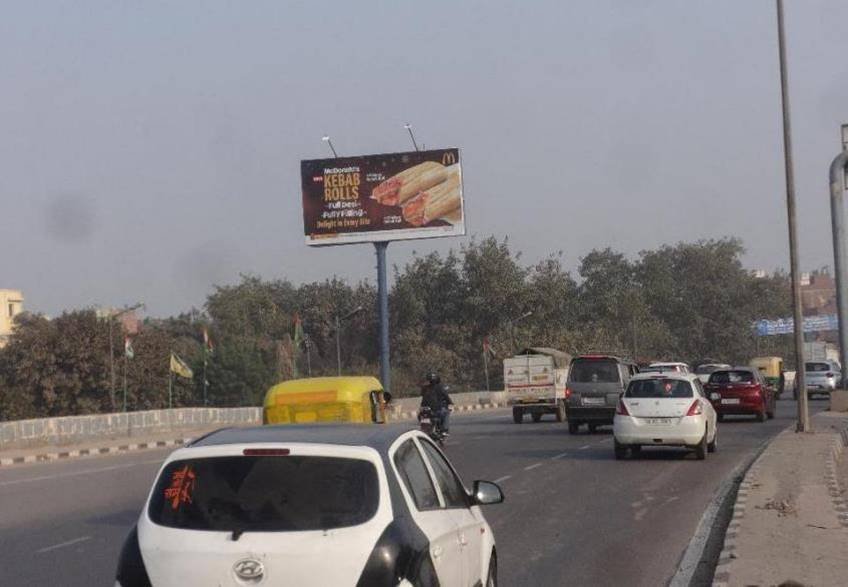
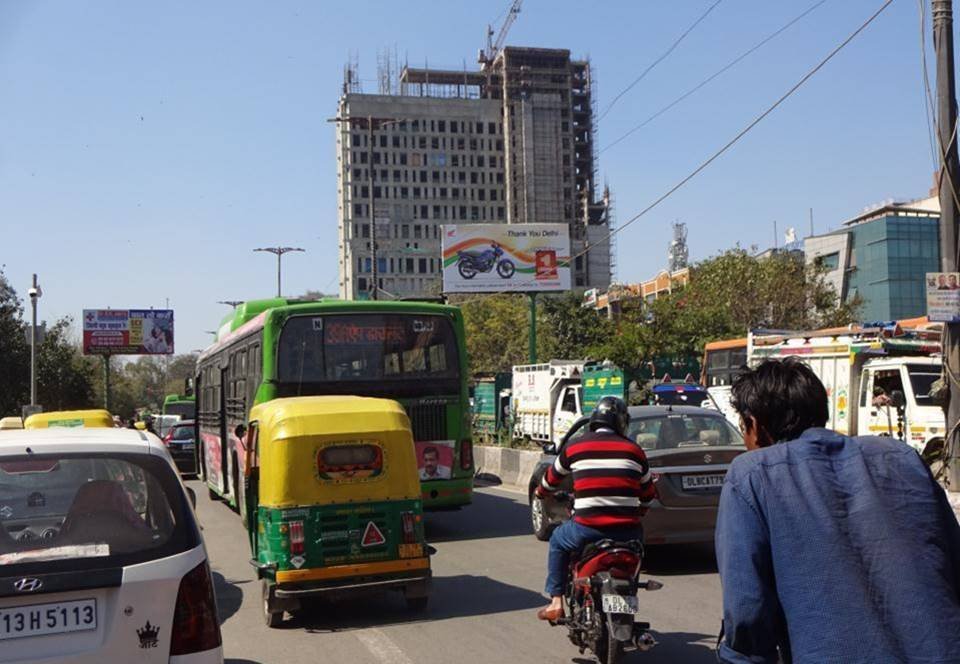
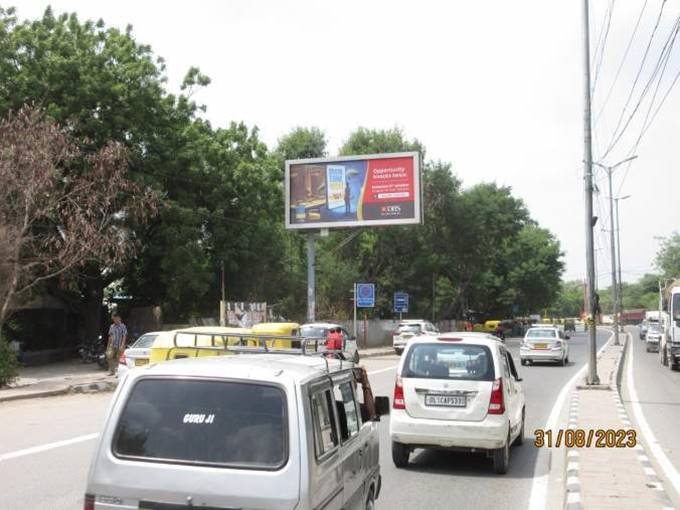
Effective planning for this corridor begins with traffic flow analysis. Peak-hour congestion, bus terminal proximity, and railway connectivity create distinct impression cycles throughout the day.
Campaign strategies typically consider:
- Target commuter profile
- Time-of-day exposure patterns
- Direction of travel relevance
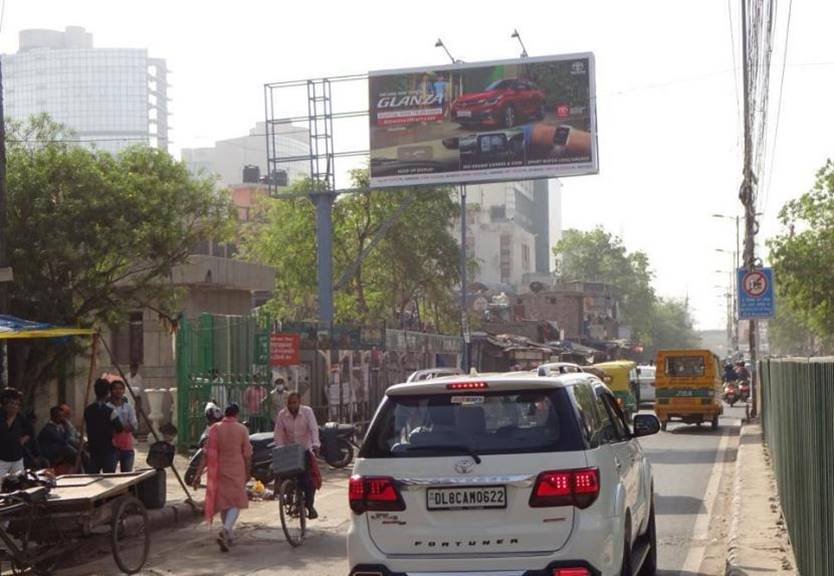
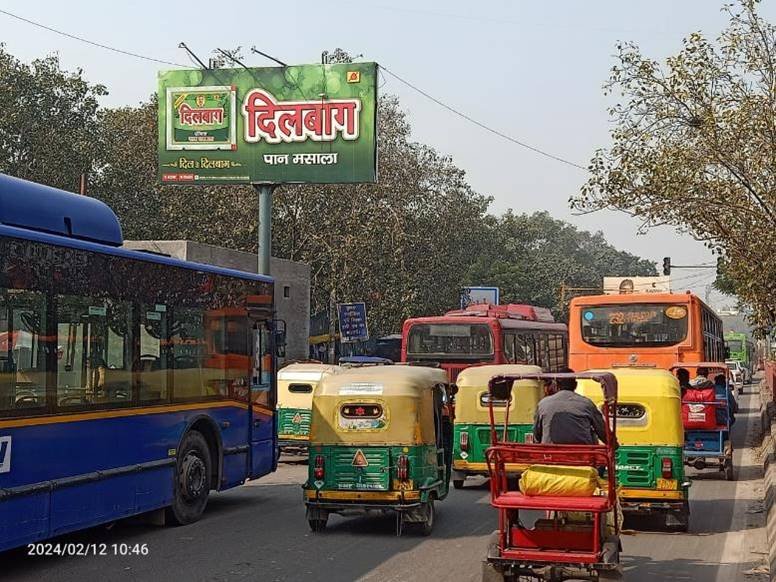
- Integration with nearby large-format assets
Pole Kiosk Advertising towards Anand Vihar, Delhi performs optimally when integrated within a broader outdoor network. Synchronizing with hoardings, bus shelters, or gantry formats strengthens campaign cohesion.
Measurable Brand Advantages
Pole kiosk formats offer measurable advantages rooted in frequency and proximity. Unlike singular impact formats, they function through cumulative reinforcement.
Key measurable outcomes include:
- Increased aided brand recall
- Improved directional awareness
- Stronger top-of-mind positioning
- Repetitive commuter engagement
Given the daily commuting patterns towards Anand Vihar, consistent presence ensures that brand impressions accumulate over repeated travel cycles.
Outdoor Advertising Network Presence
Within Delhi’s broader outdoor ecosystem, this corridor forms part of a larger connected network. Pole kiosks towards Anand Vihar can act as feeder media to nearby arterial roads and commercial clusters.
Network alignment allows brands to:
- Extend geographic coverage
- Maintain uniform messaging
- Reinforce recall across travel routes
- Connect gateway traffic to retail zones
This corridor’s strategic placement enhances its value within multi-location city campaigns.
Site Execution & Monitoring
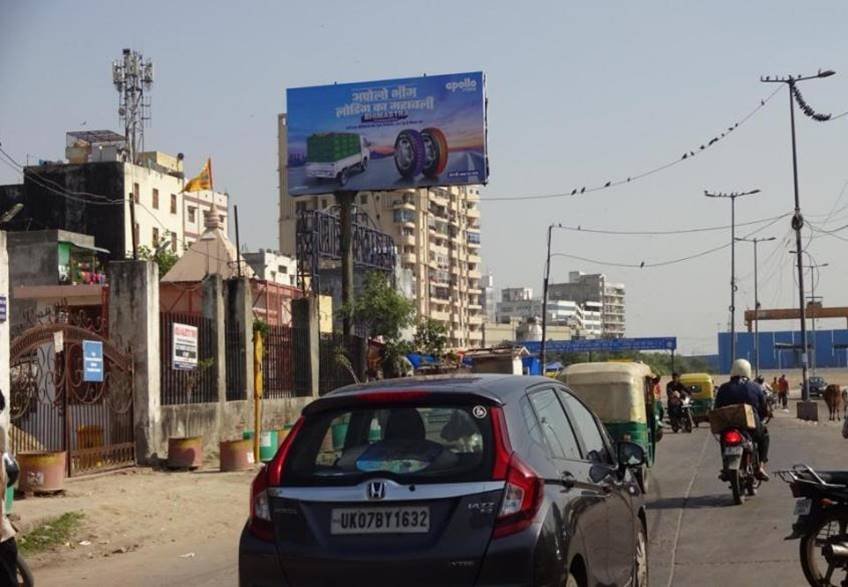
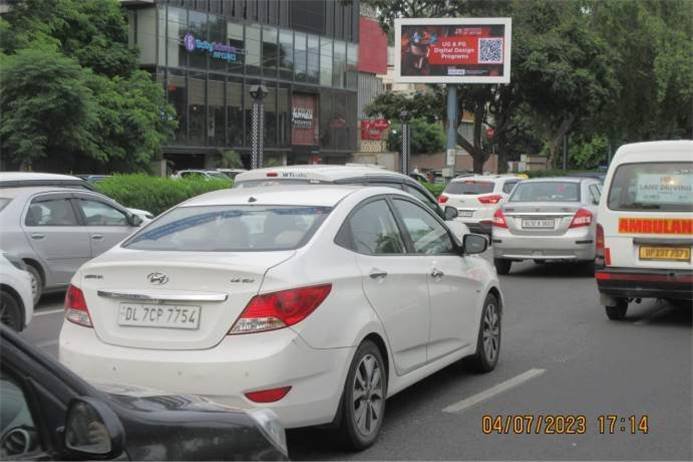
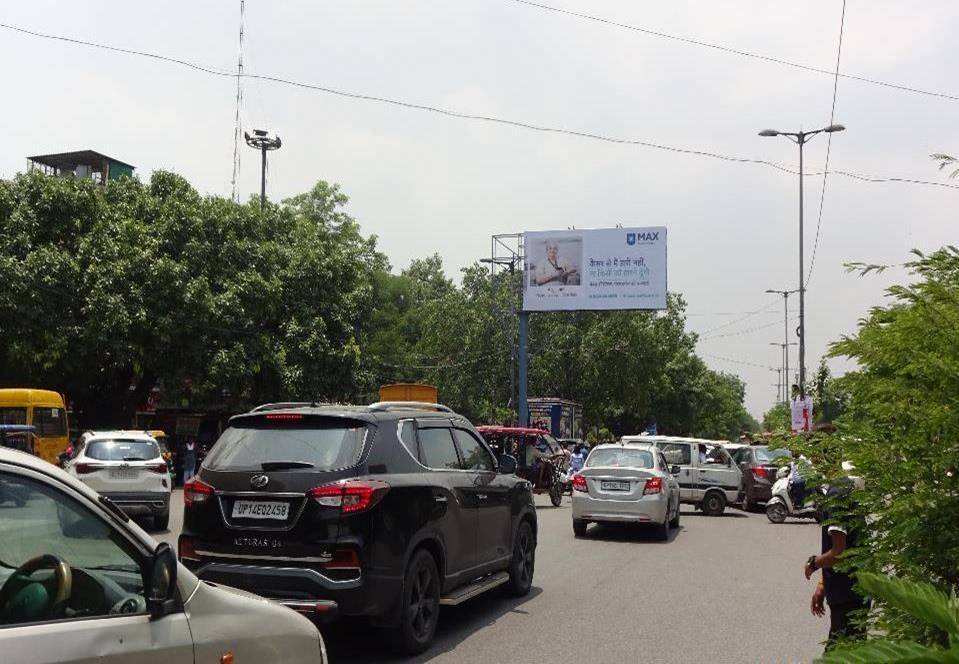
Execution involves site inspection, structural verification, printing quality checks, and installation supervision. Monitoring ensures that each pole kiosk remains visible, clean, and properly illuminated.
Standard operational processes include:
- Pre-installation audits
- Photo documentation
- Periodic maintenance checks
- Replacement protocols when required
Consistent monitoring safeguards brand presentation and ensures uninterrupted display across the campaign duration.
Booking & Deployment Workflow
The booking process typically follows structured steps to ensure regulatory compliance and media accuracy.
Workflow stages include:
- Site selection confirmation
- Availability validation
- Documentation and approvals
- Artwork submission
- Printing and fabrication
- Installation scheduling
- Live reporting
Pole Kiosk Advertising towards Anand Vihar, Delhi requires coordination between media owners, municipal authorities, and operational teams to maintain deployment timelines.
Long-Term Media Value
From a long-term perspective, corridor-based advertising builds sustained brand familiarity. Continuous or recurring campaigns along this route create embedded recall among habitual commuters.
Pole kiosk formats are particularly valuable for:
- Ongoing service awareness
- Retail store direction
- Institutional branding
- Public information messaging
Given the steady commuter density towards Anand Vihar, maintaining presence over time strengthens urban brand imprint and reinforces positioning within Delhi’s competitive advertising landscape.
FAQs
1. What determines the cost of Pole Kiosk Advertising towards Anand Vihar, Delhi?
Cost depends on stretch length, unit quantity, campaign duration, illumination type, and traffic exposure characteristics.
2. How effective is Pole Kiosk Advertising towards Anand Vihar, Delhi for daily commuter recall?
Its strength lies in repetitive exposure along a transit-heavy corridor, improving familiarity and directional awareness.
3. What campaign duration is ideal for corridor-based pole kiosk advertising?
Medium to long-term durations are generally recommended to maximize frequency and commuter repetition benefits.
4. Which industries benefit most from advertising along the Anand Vihar approach?
Education, healthcare, retail, real estate, and financial services frequently utilize this corridor due to its mixed commuter base.
5. What sizes are typically available for pole kiosk formats?
Standardized vertical panels are used, optimized for quick readability and consistent sequential placement.
6. How is booking managed for Pole Kiosk Advertising towards Anand Vihar, Delhi?
Booking involves site confirmation, documentation, creative submission, and coordinated installation under monitored execution protocols.
ACME Advertising Co.
LinkedIn – https://www.linkedin.com/company/acme-advertising-co/