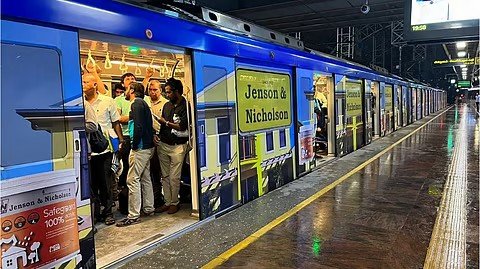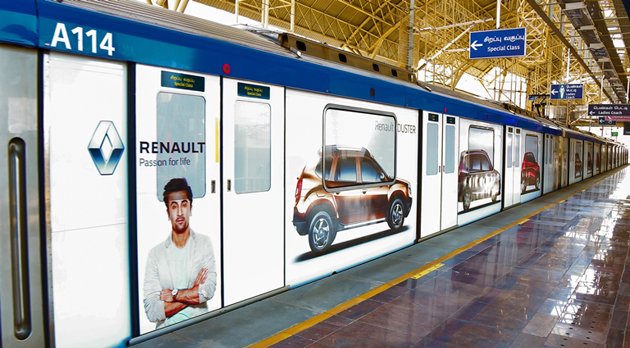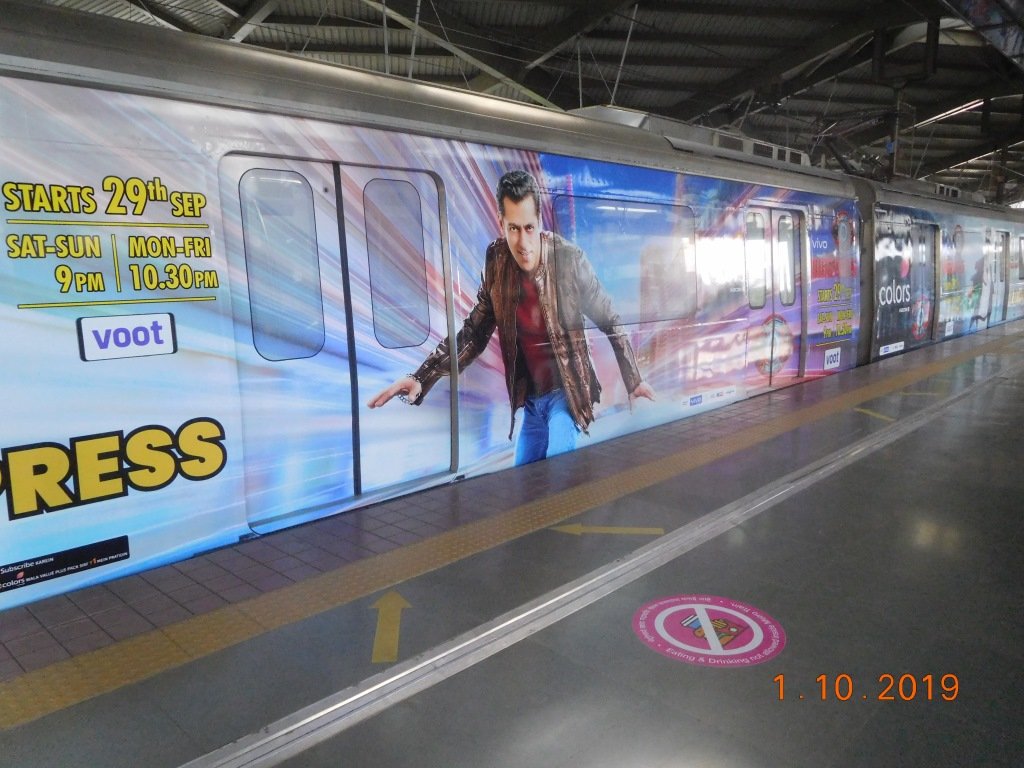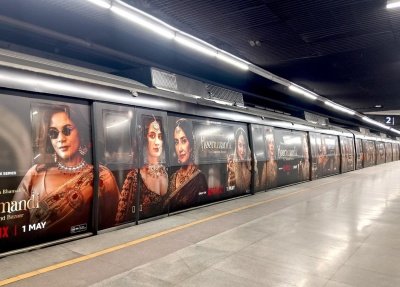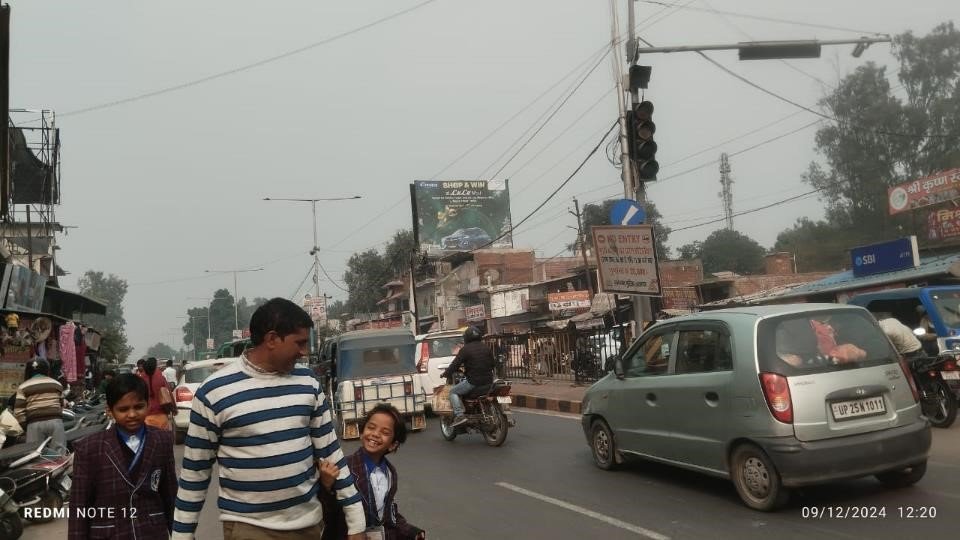
Hoarding Advertising near Paschim Vihar Metro Station
Hoarding Advertising near Paschim Vihar Metro Station, Delhi
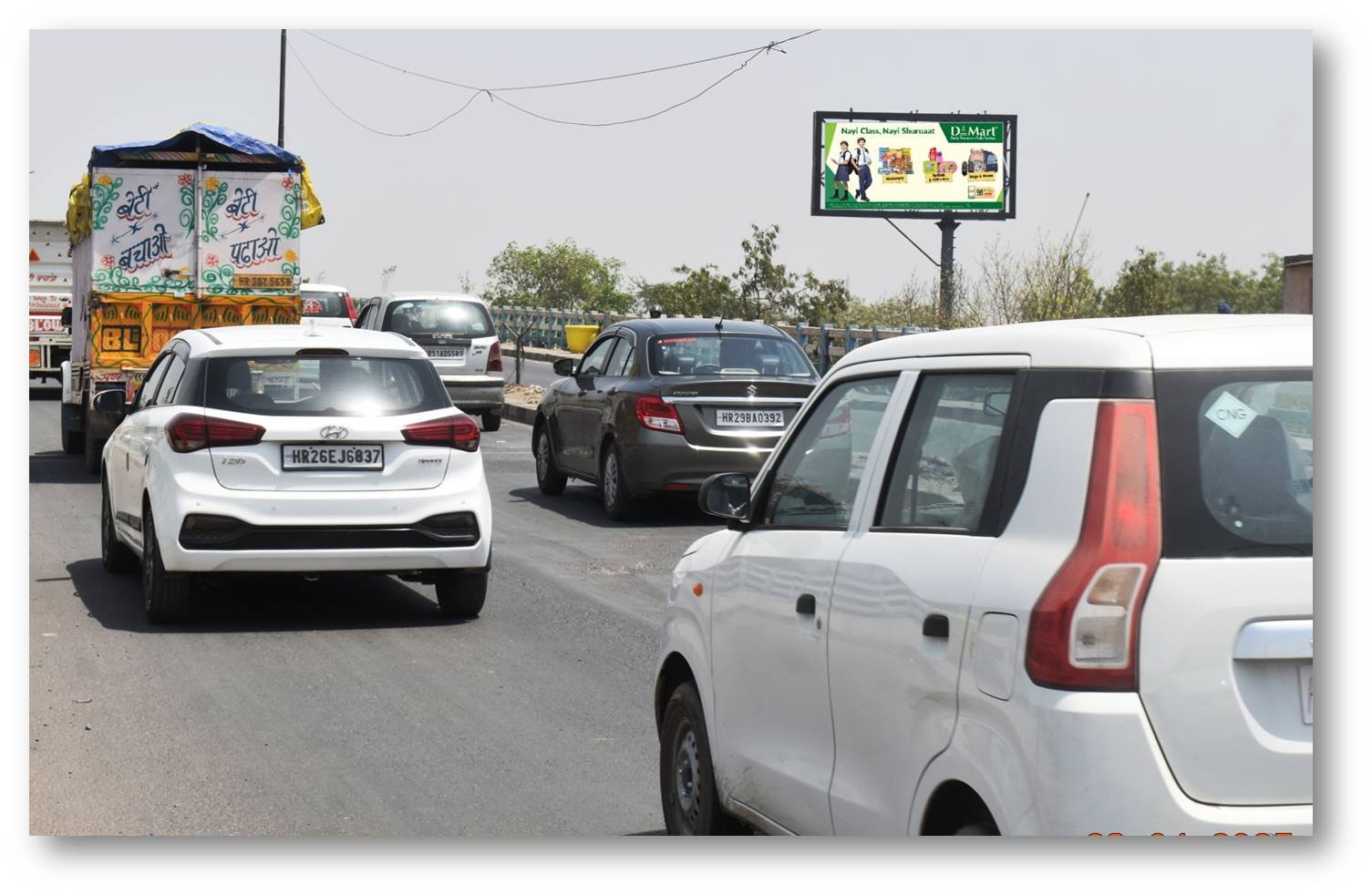
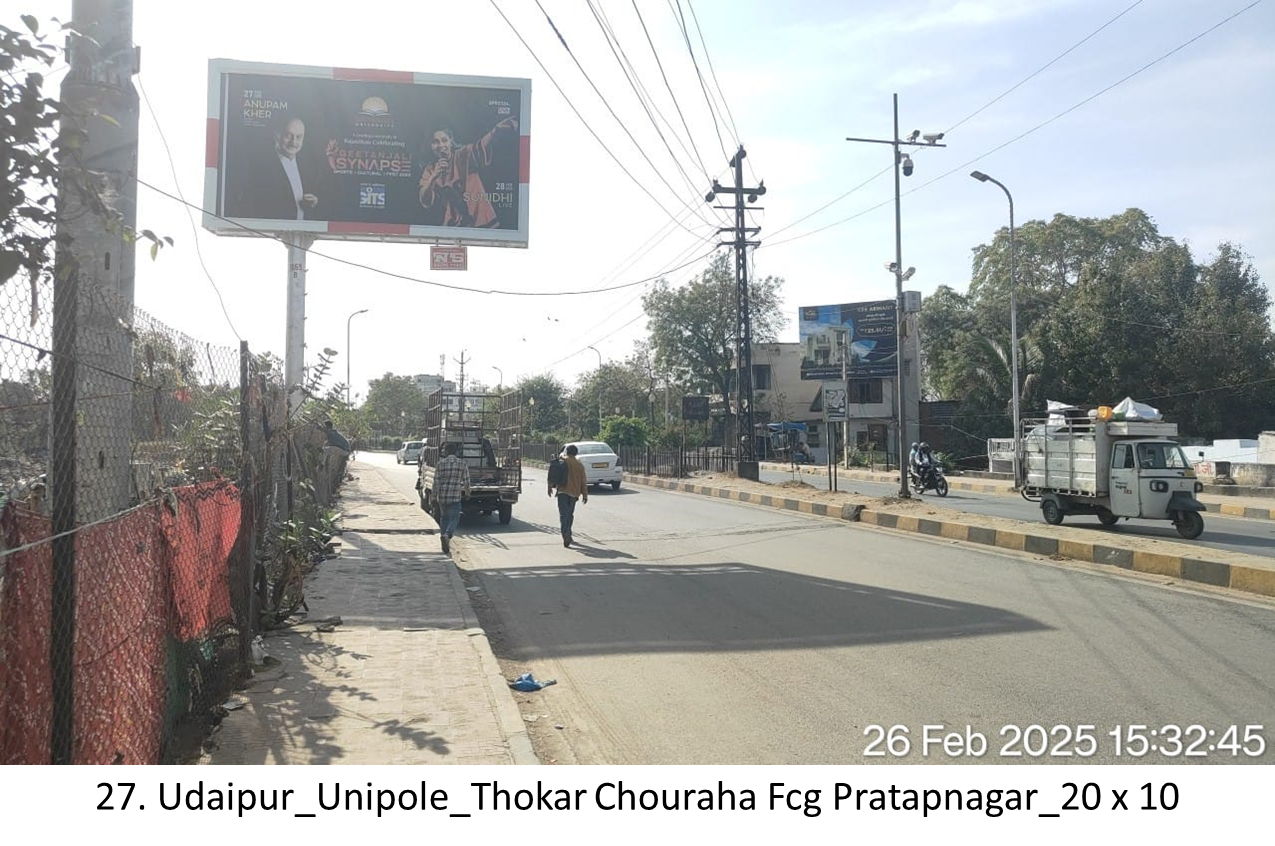
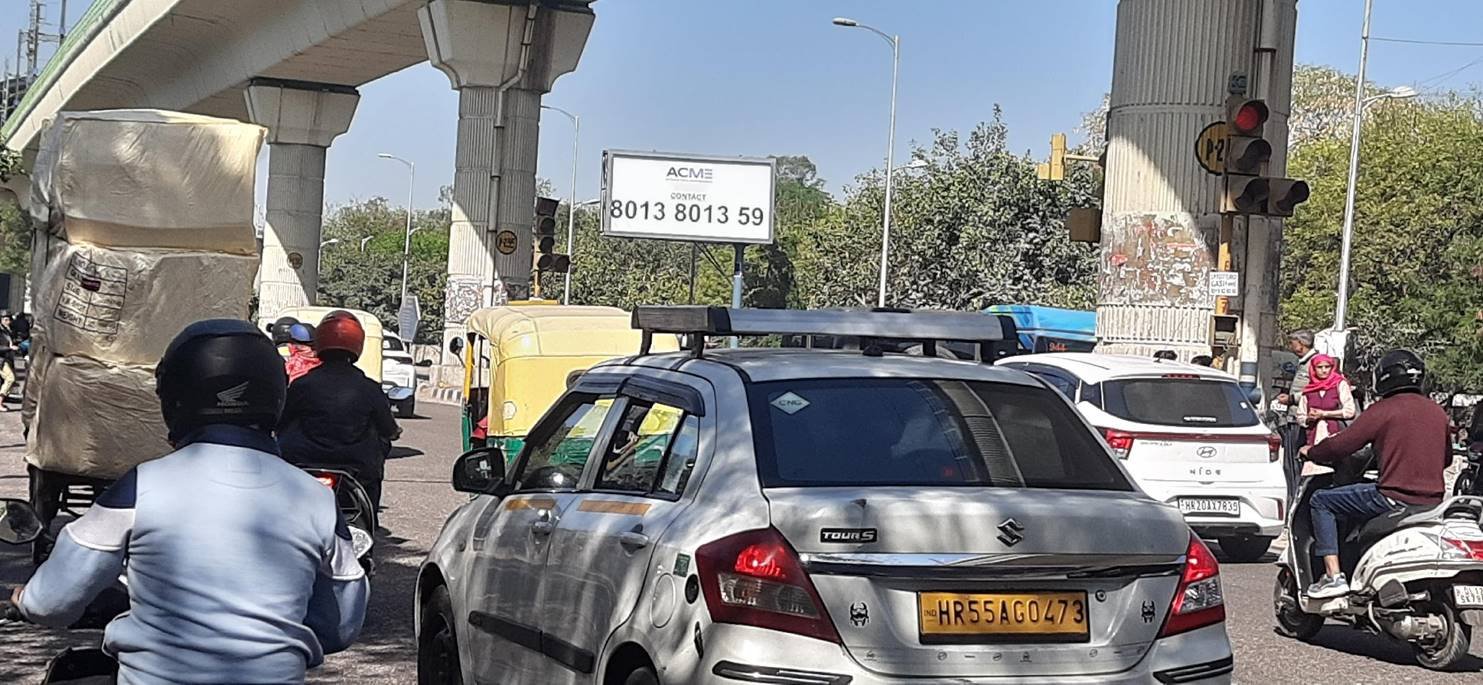
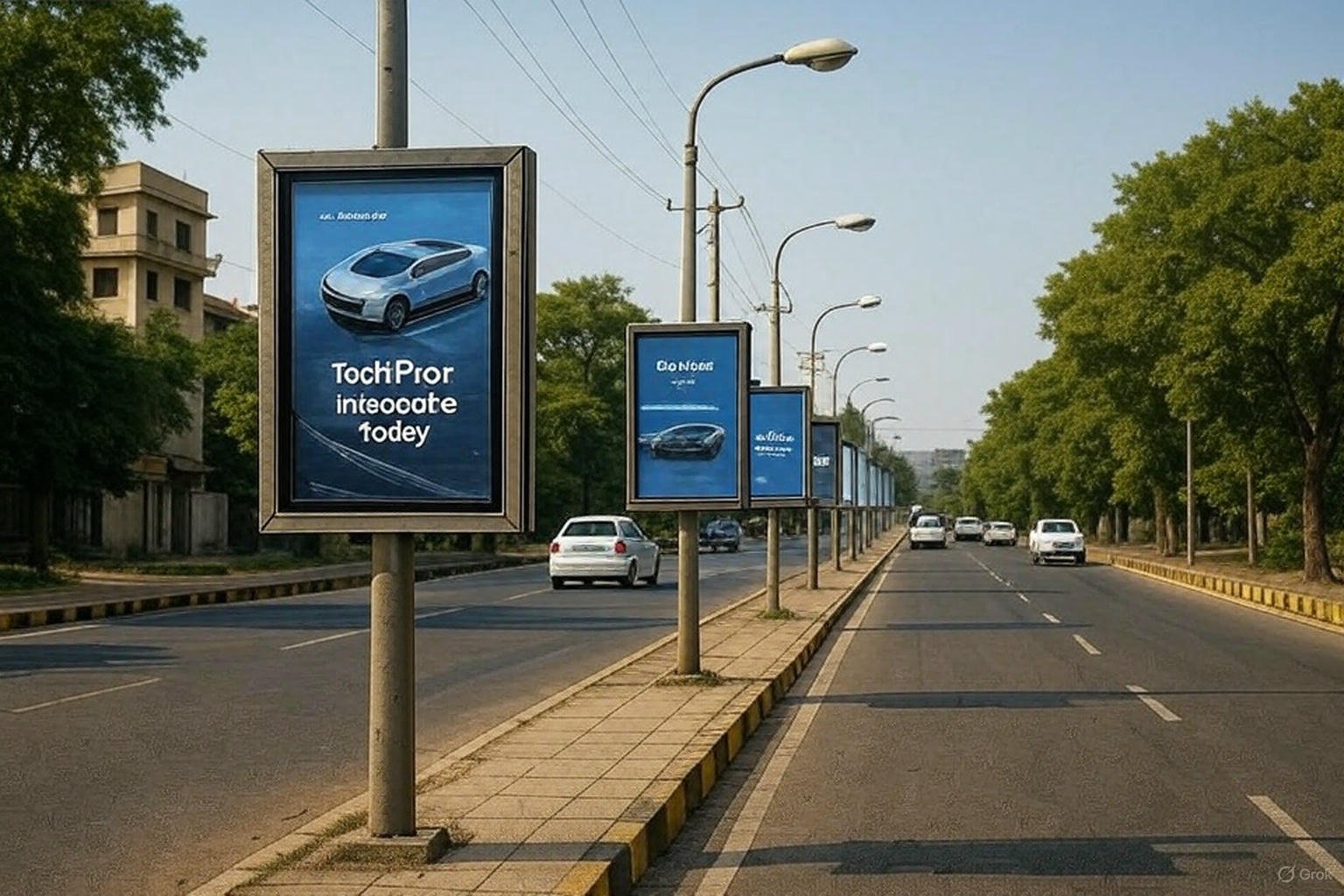
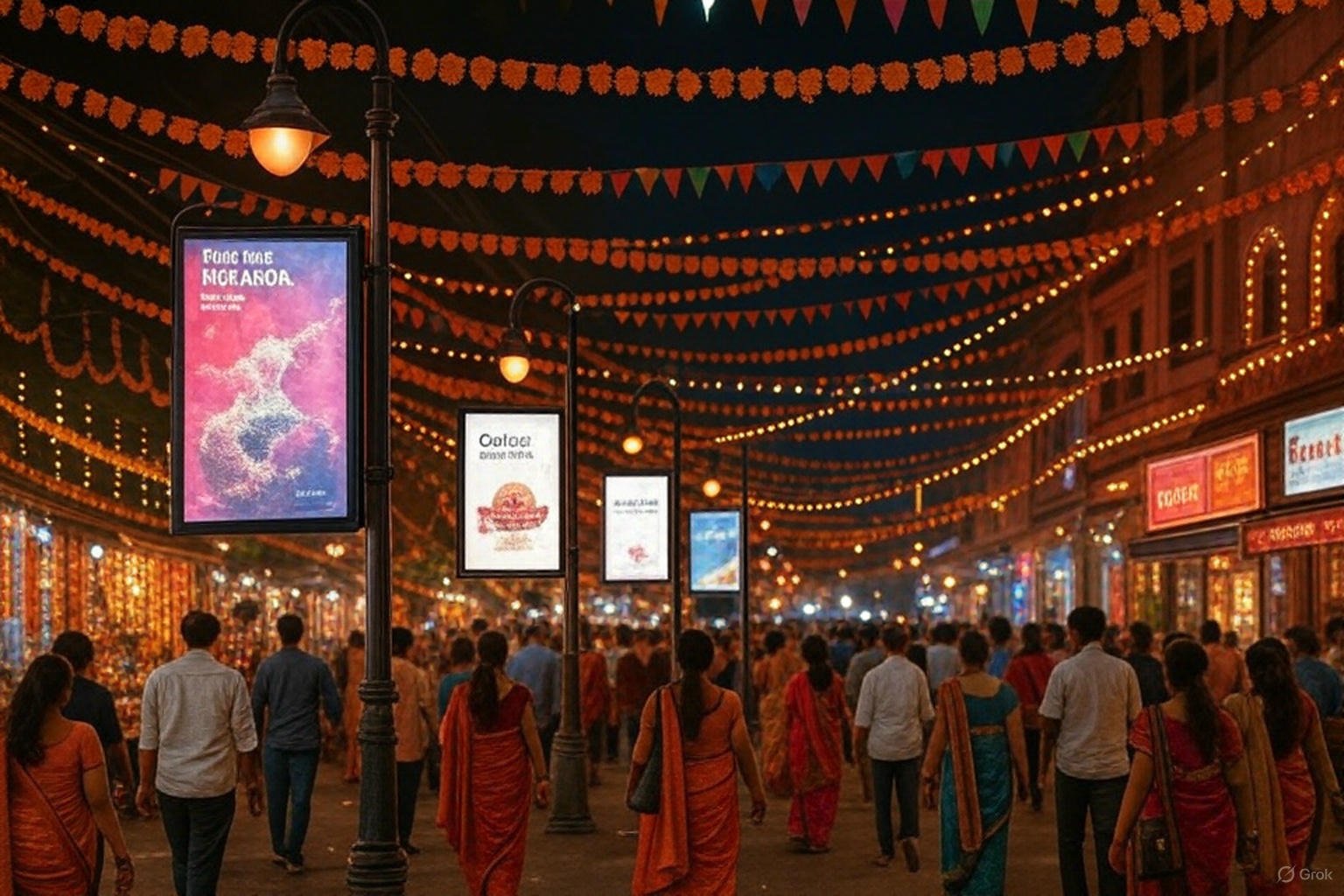
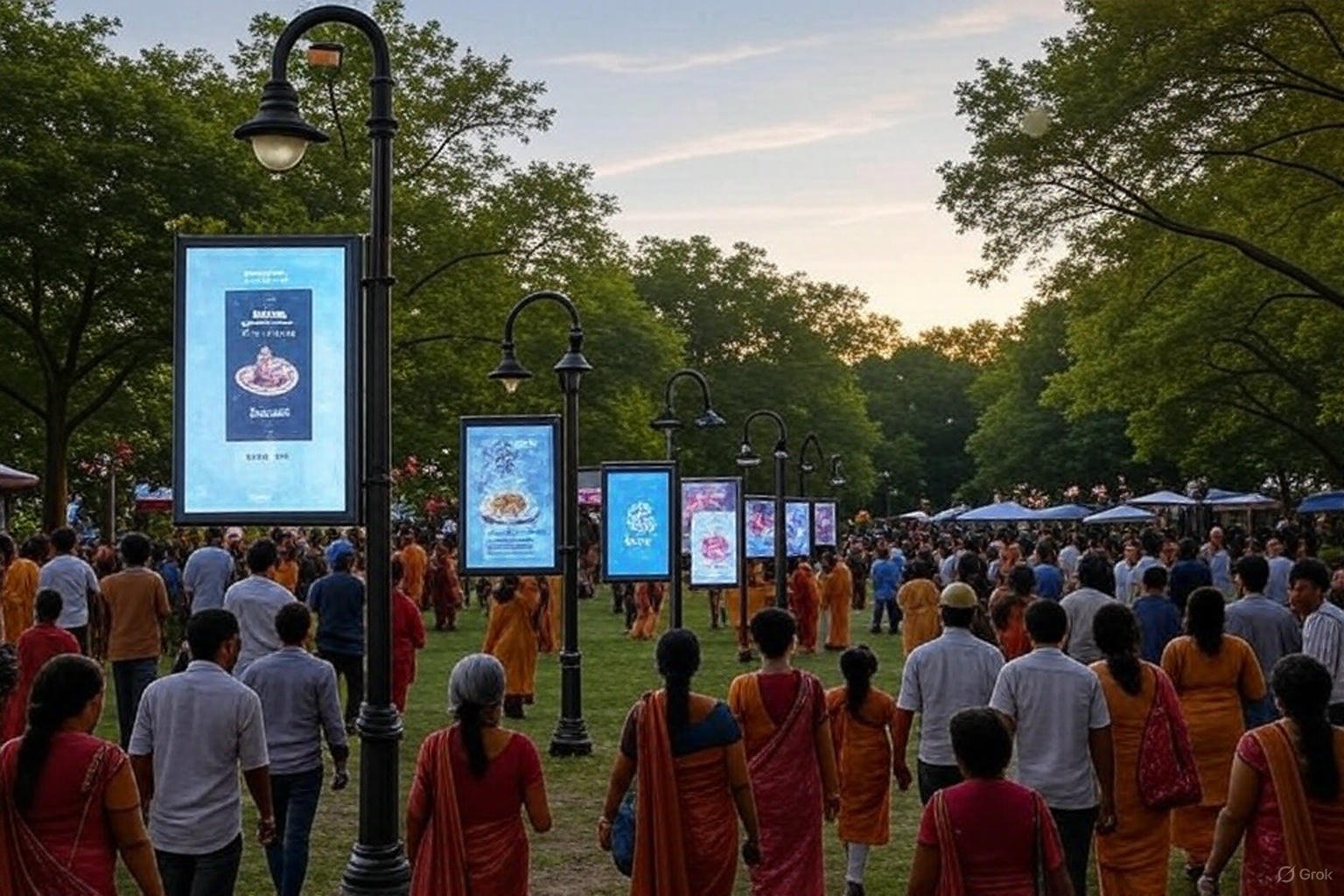
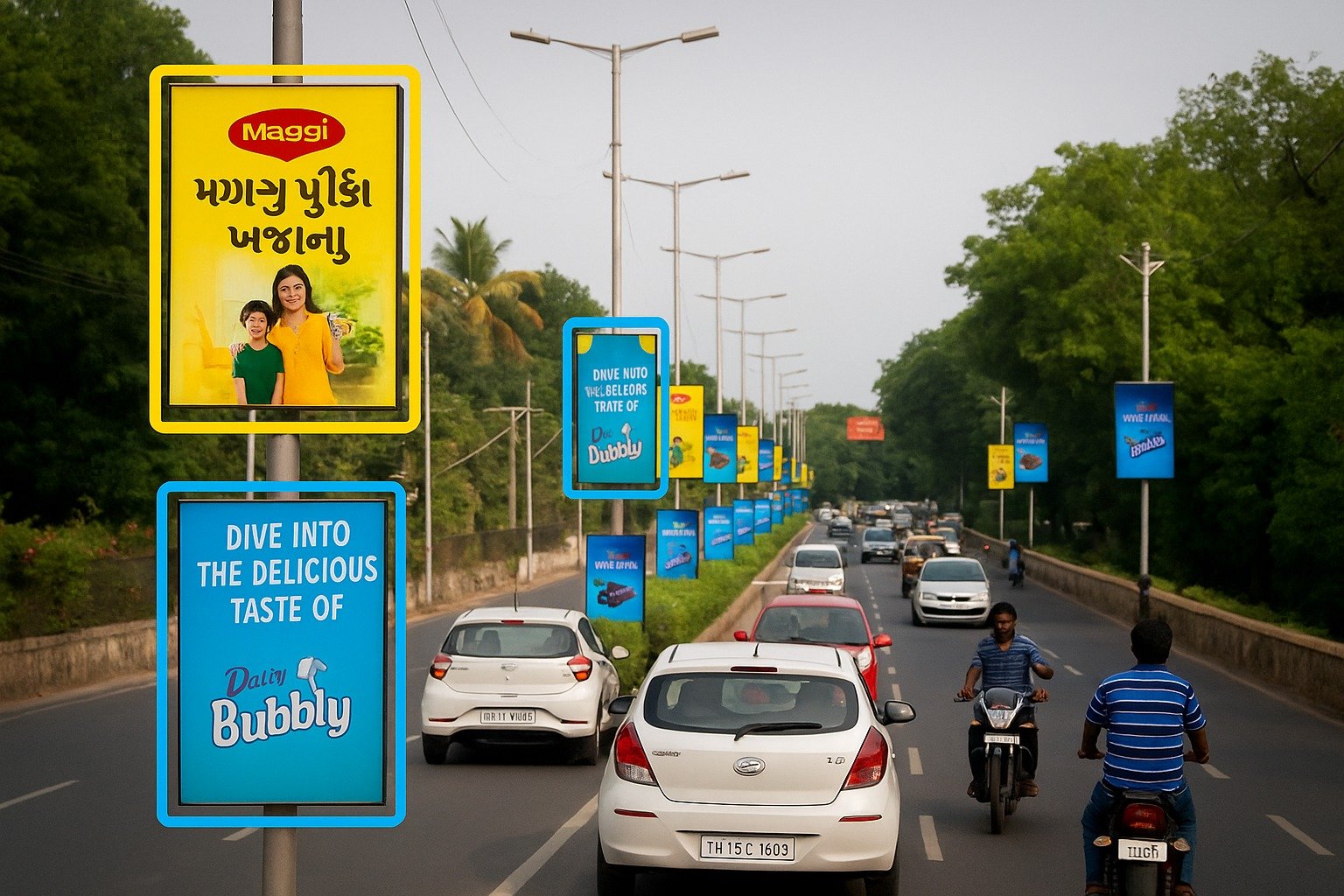
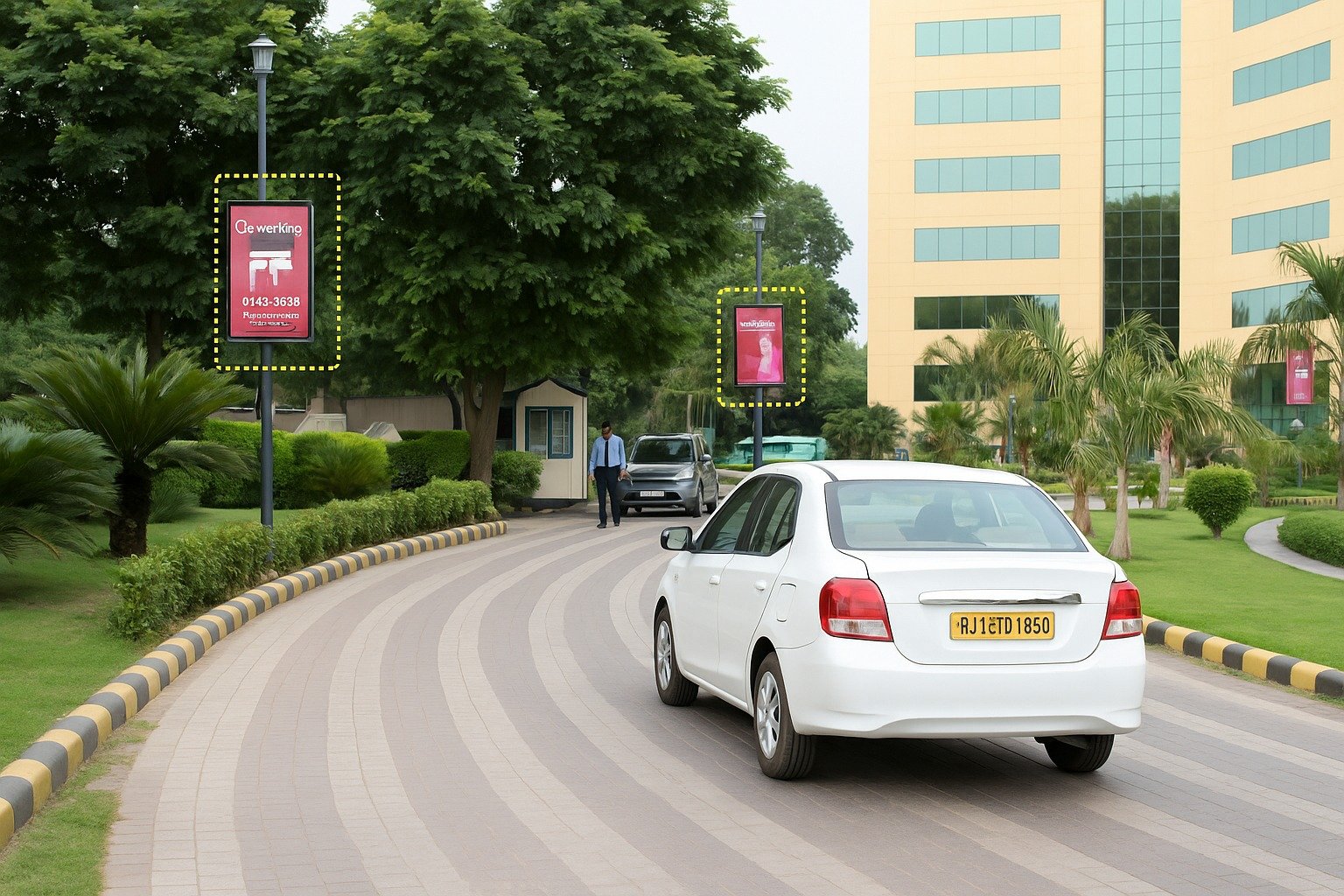
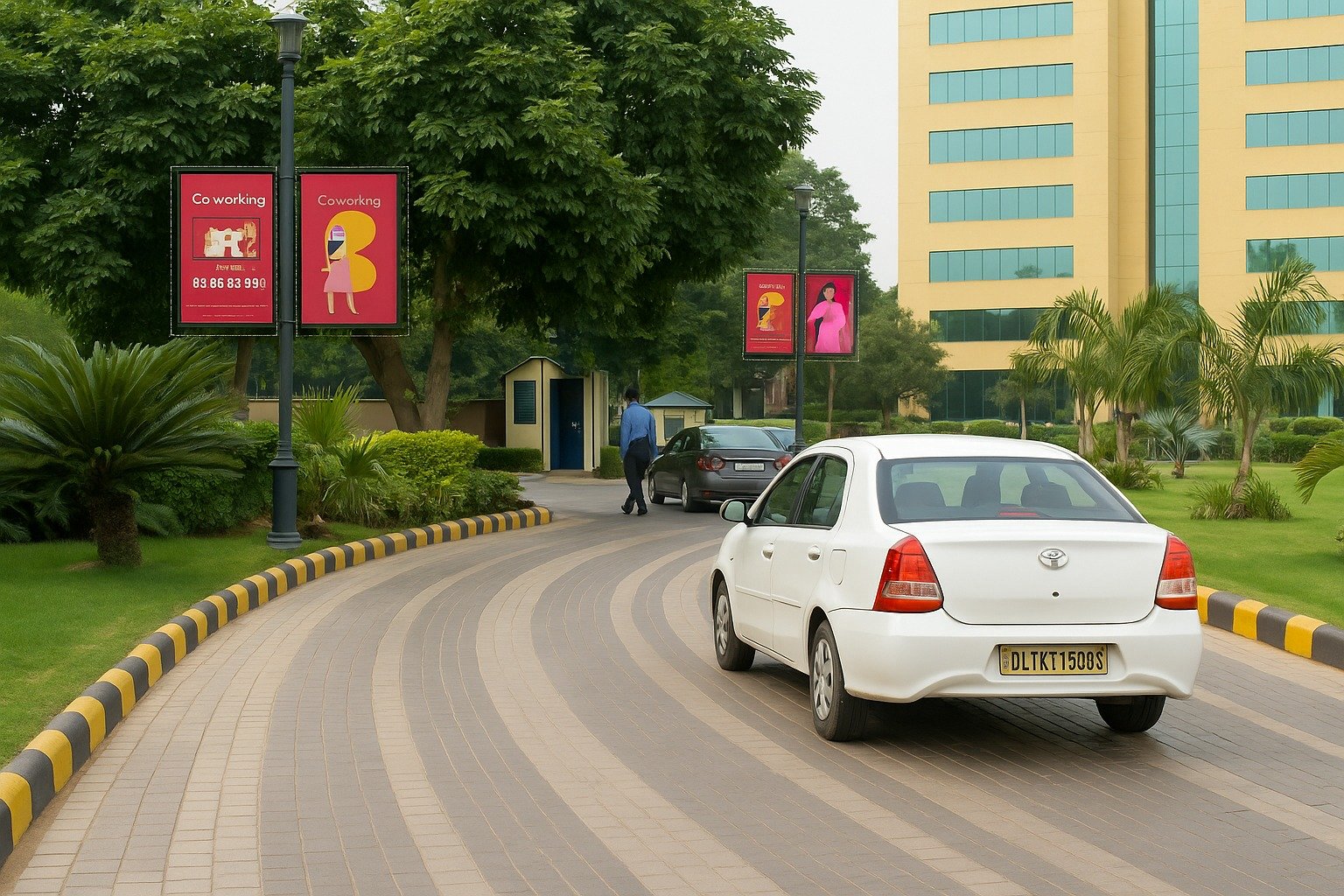
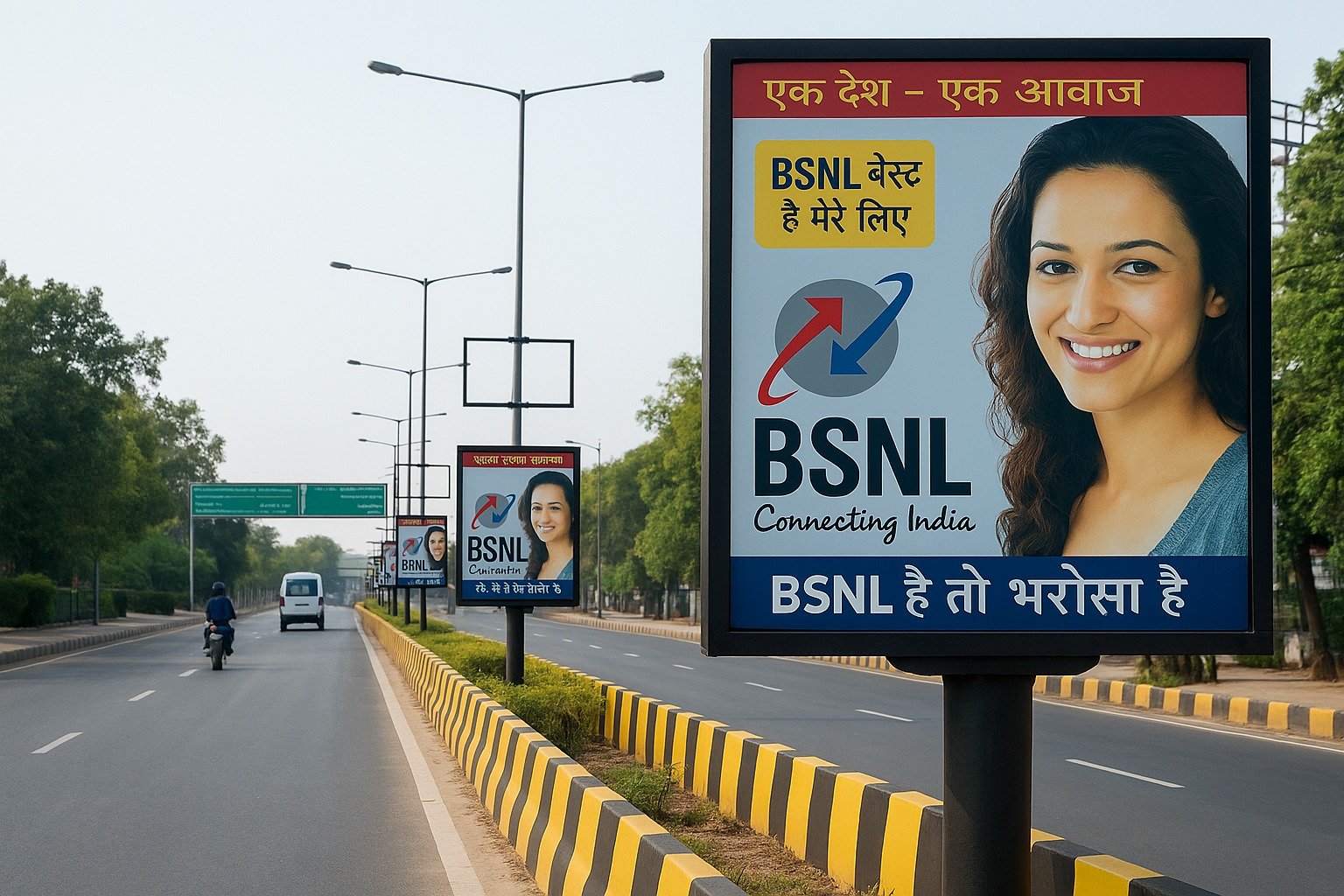
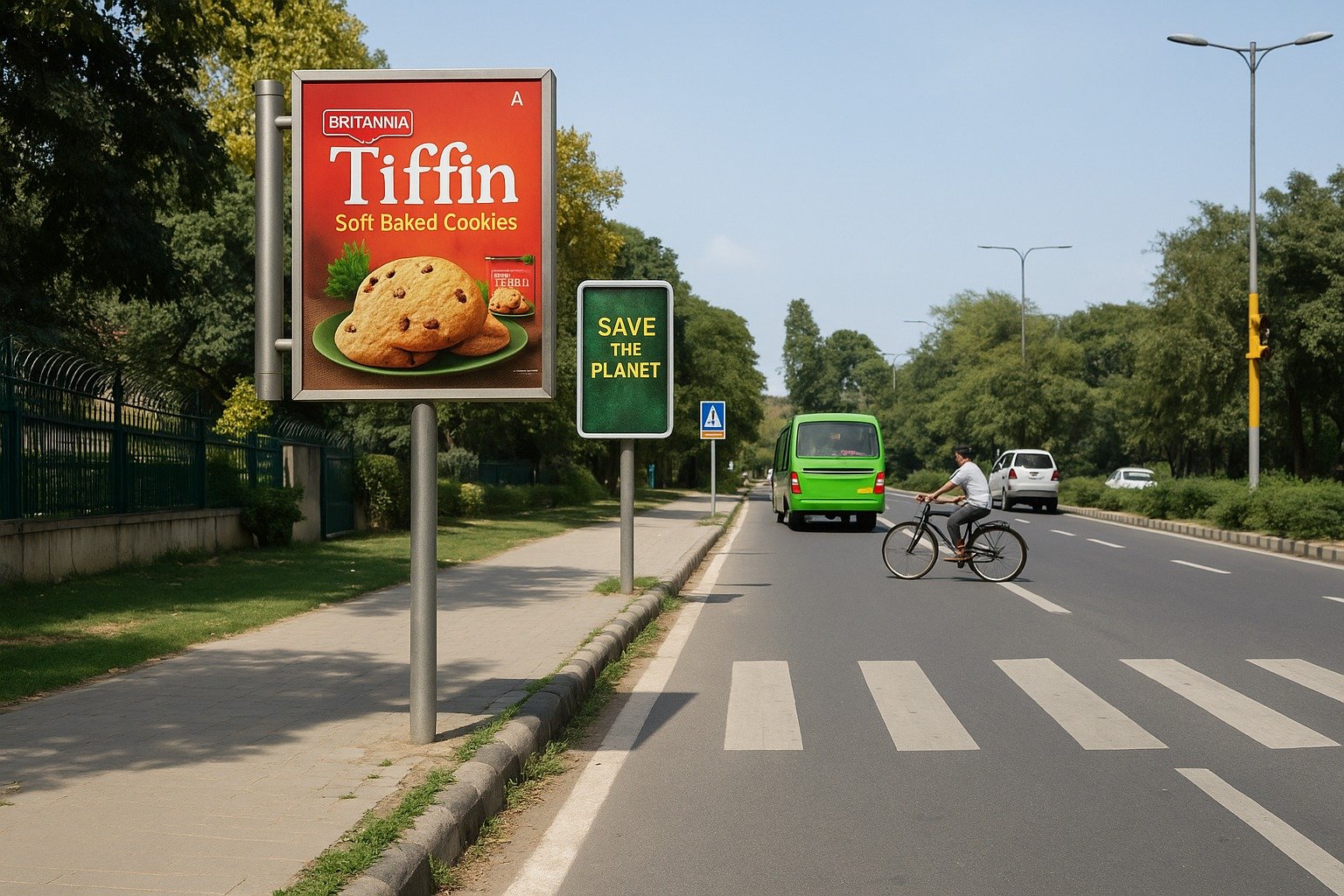
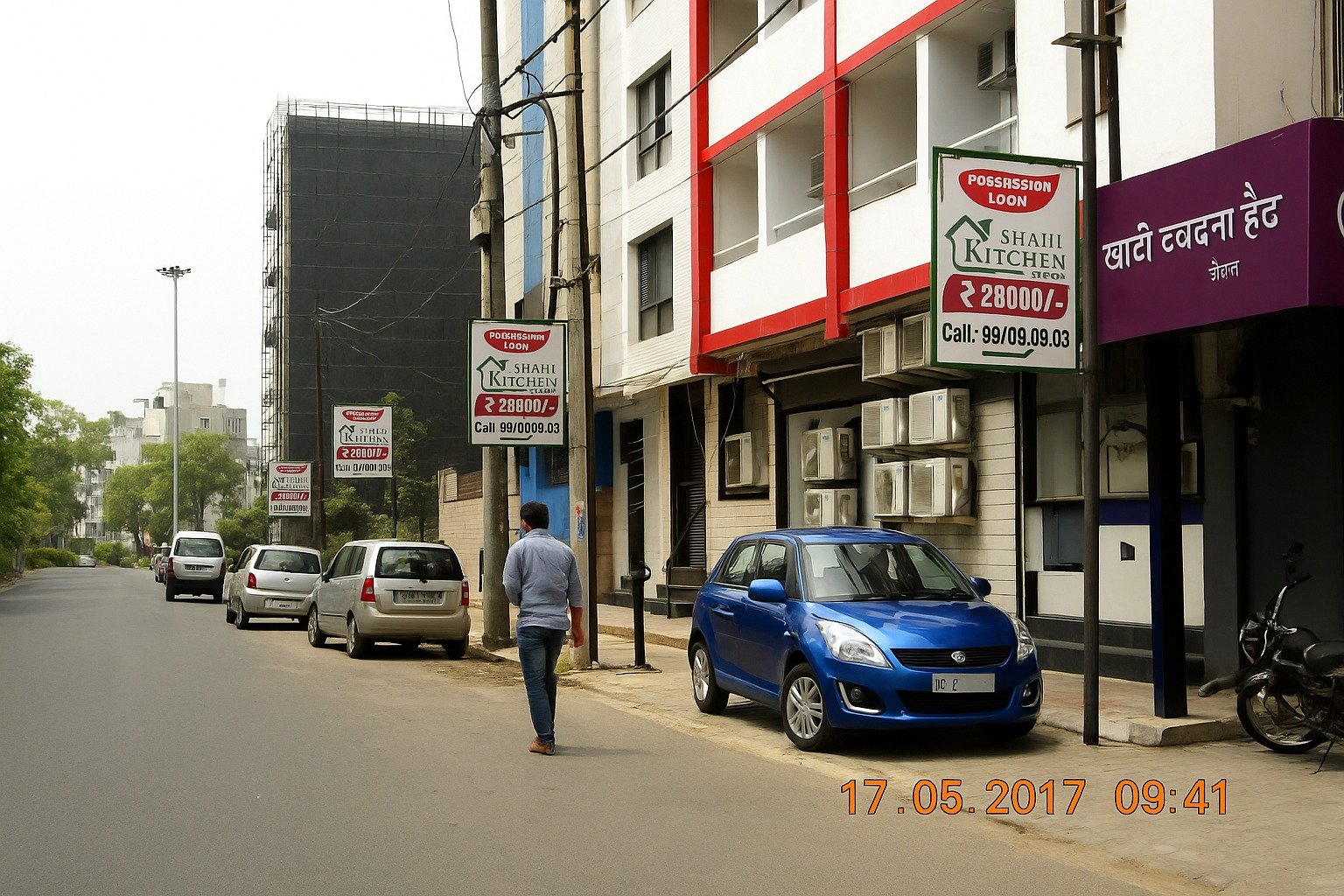
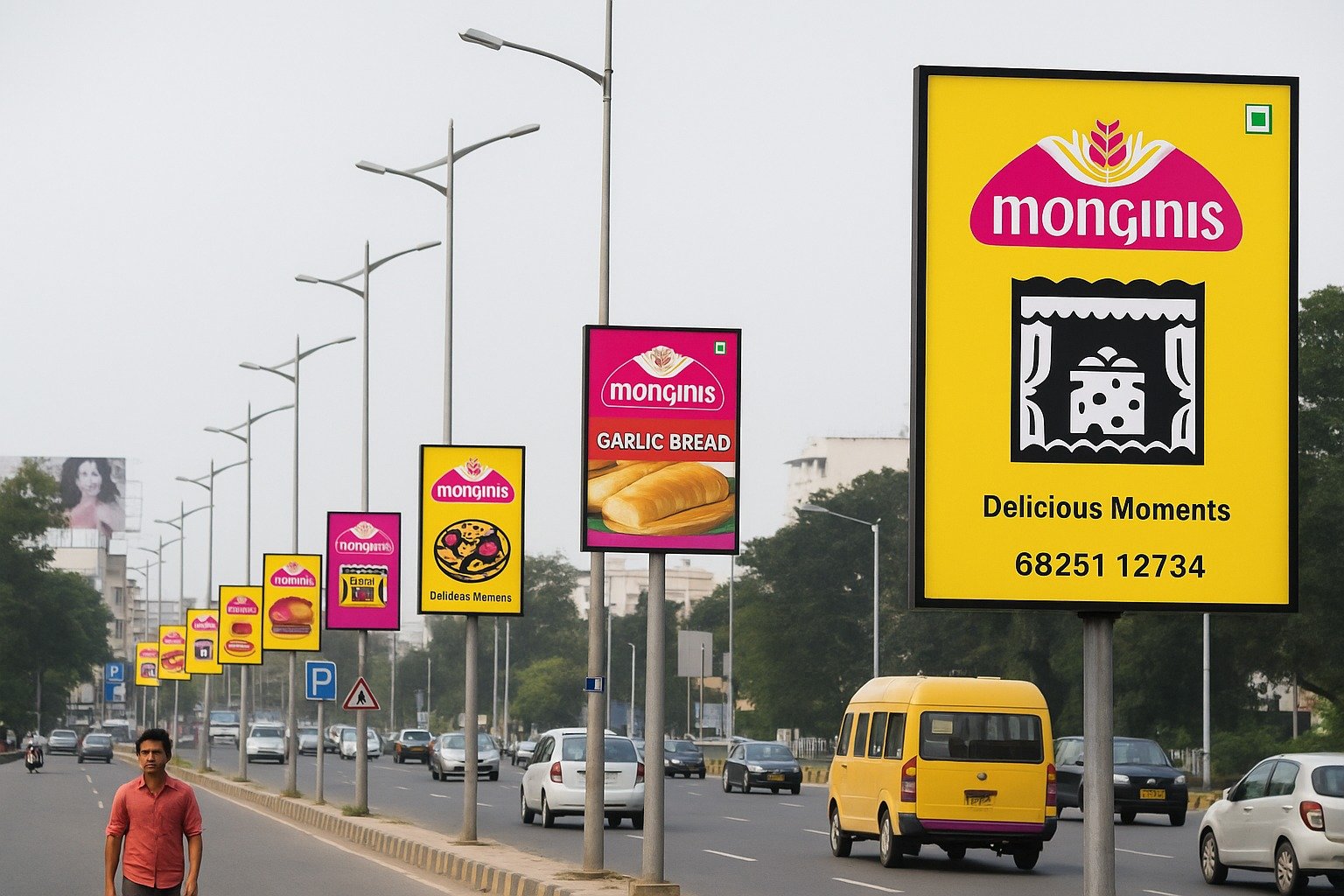
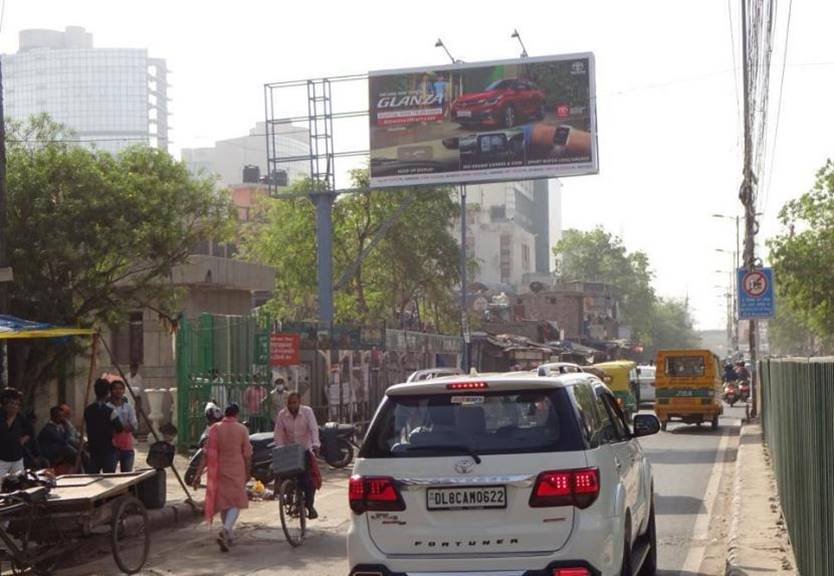
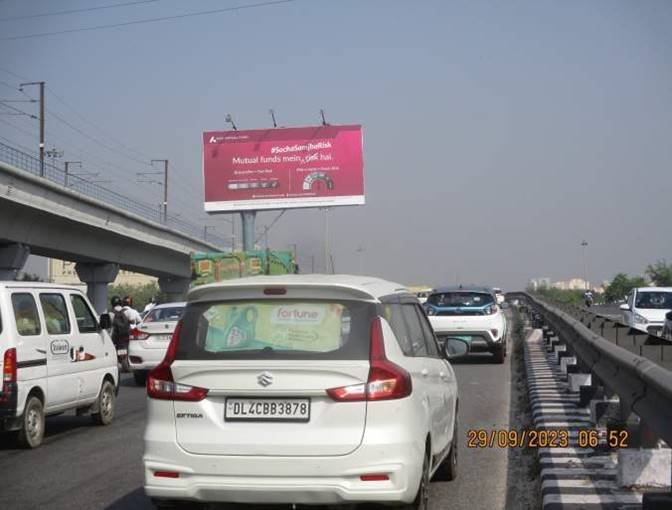
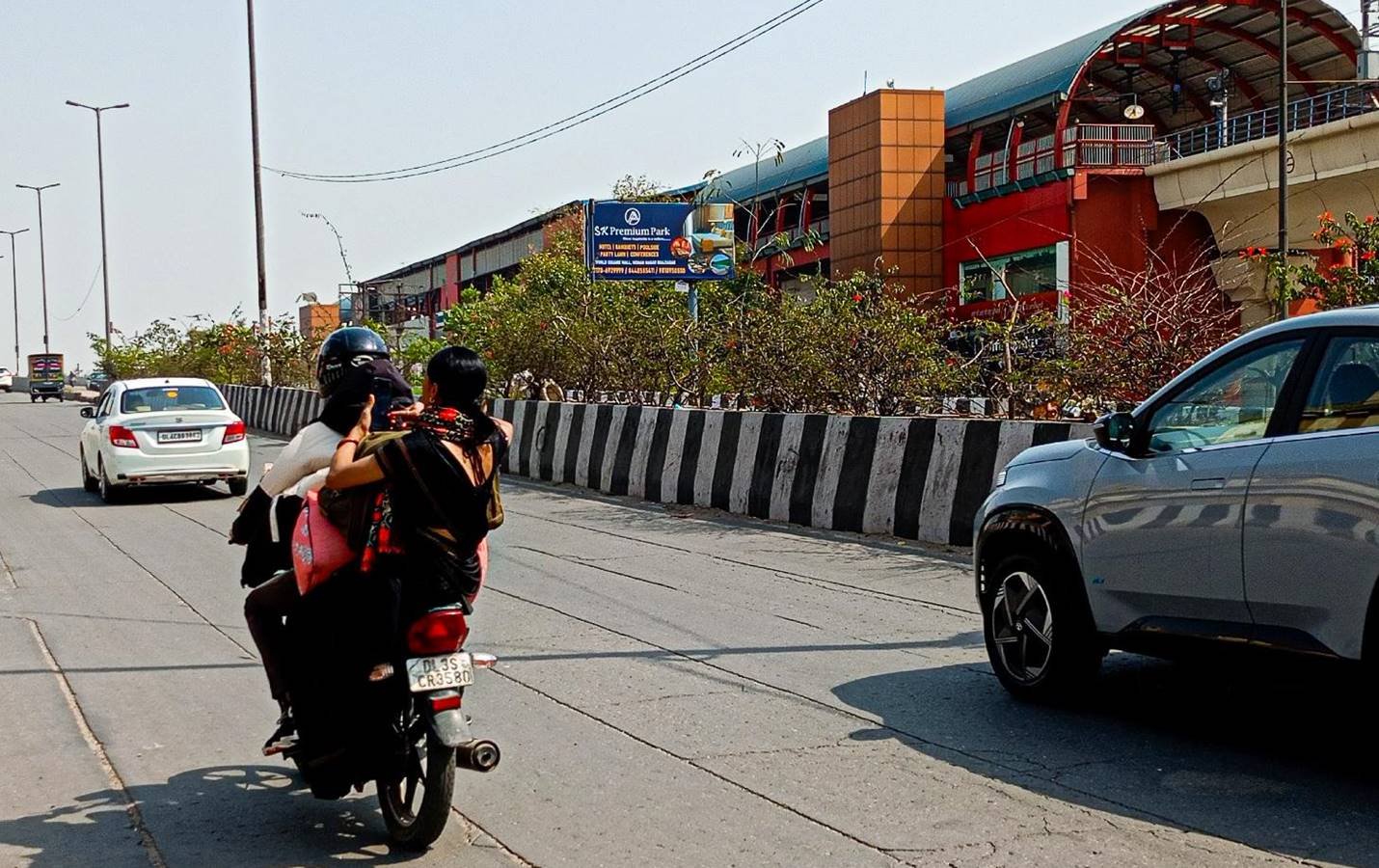
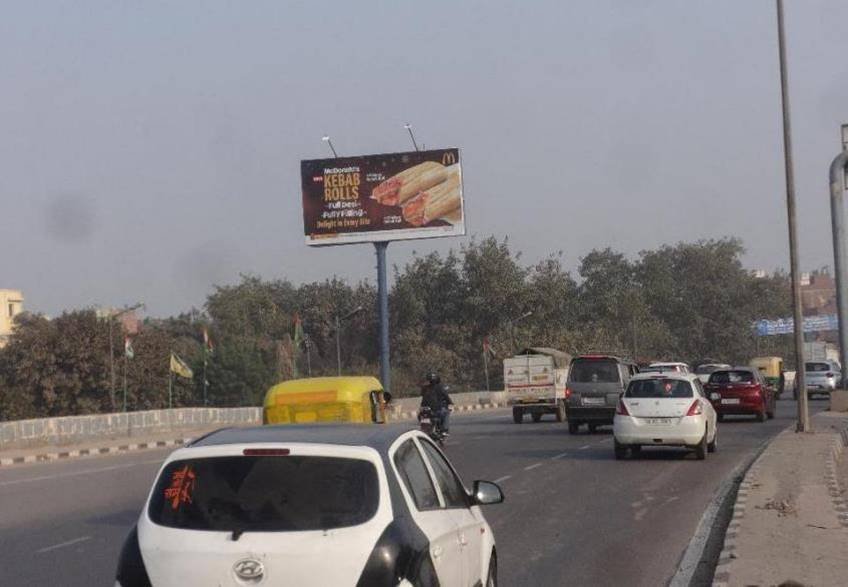
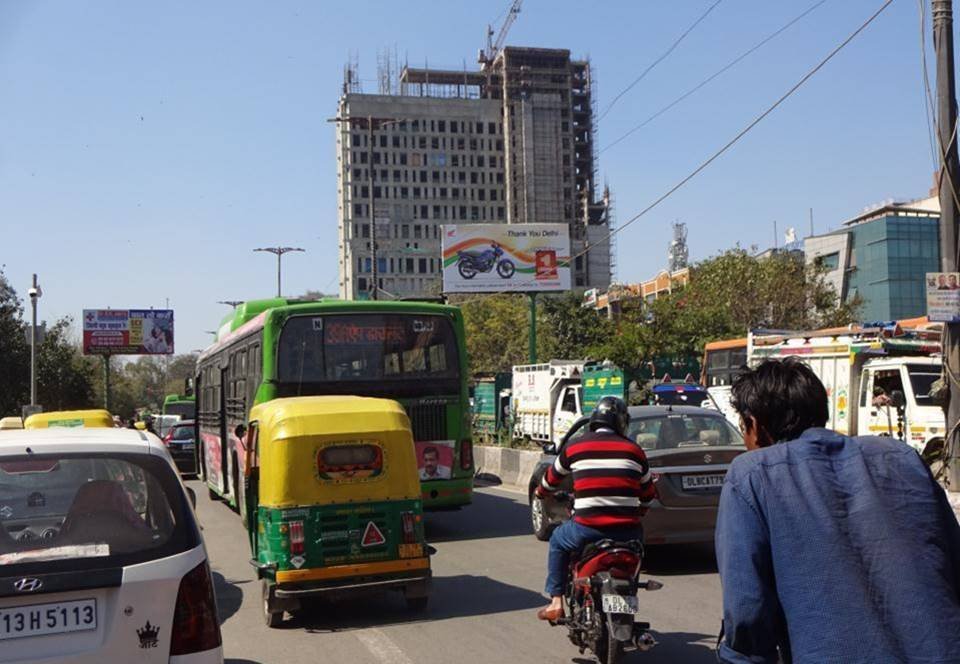
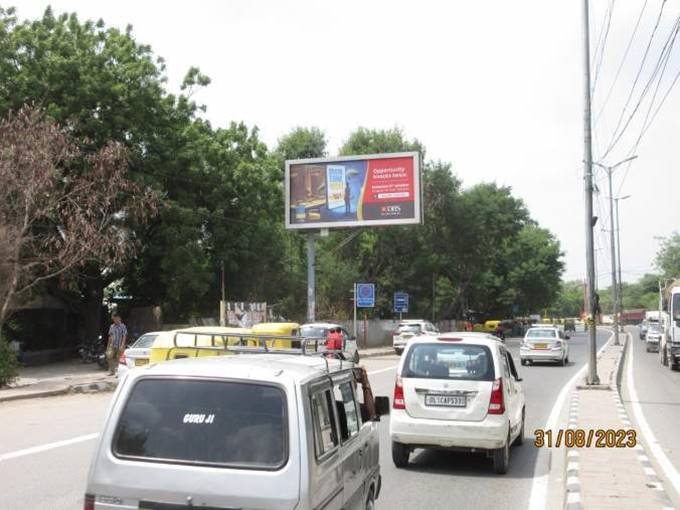
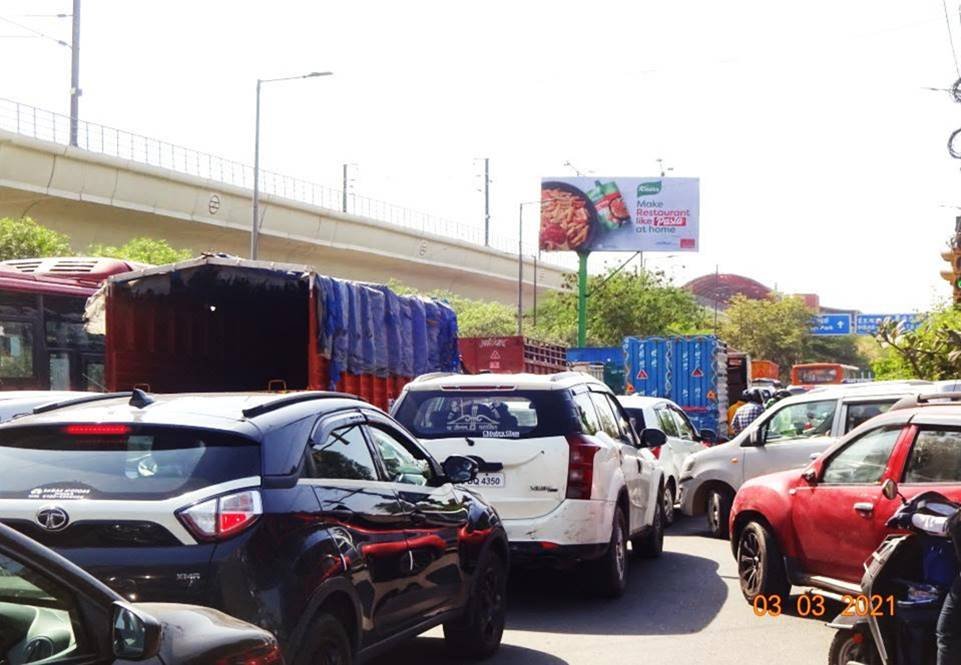
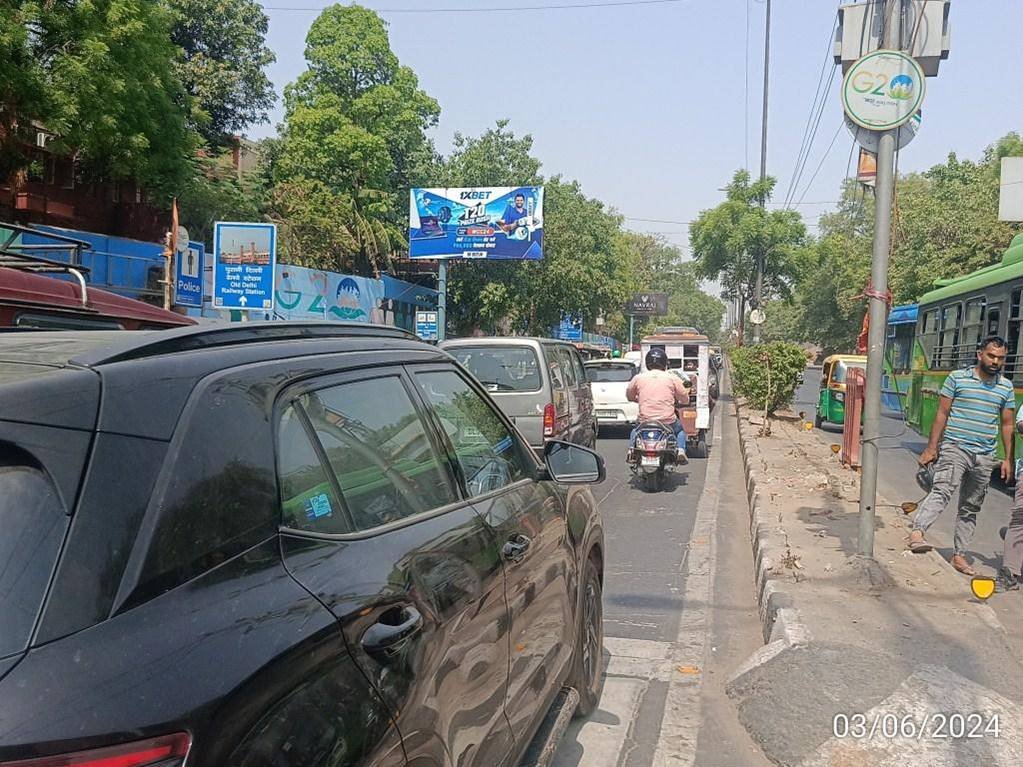
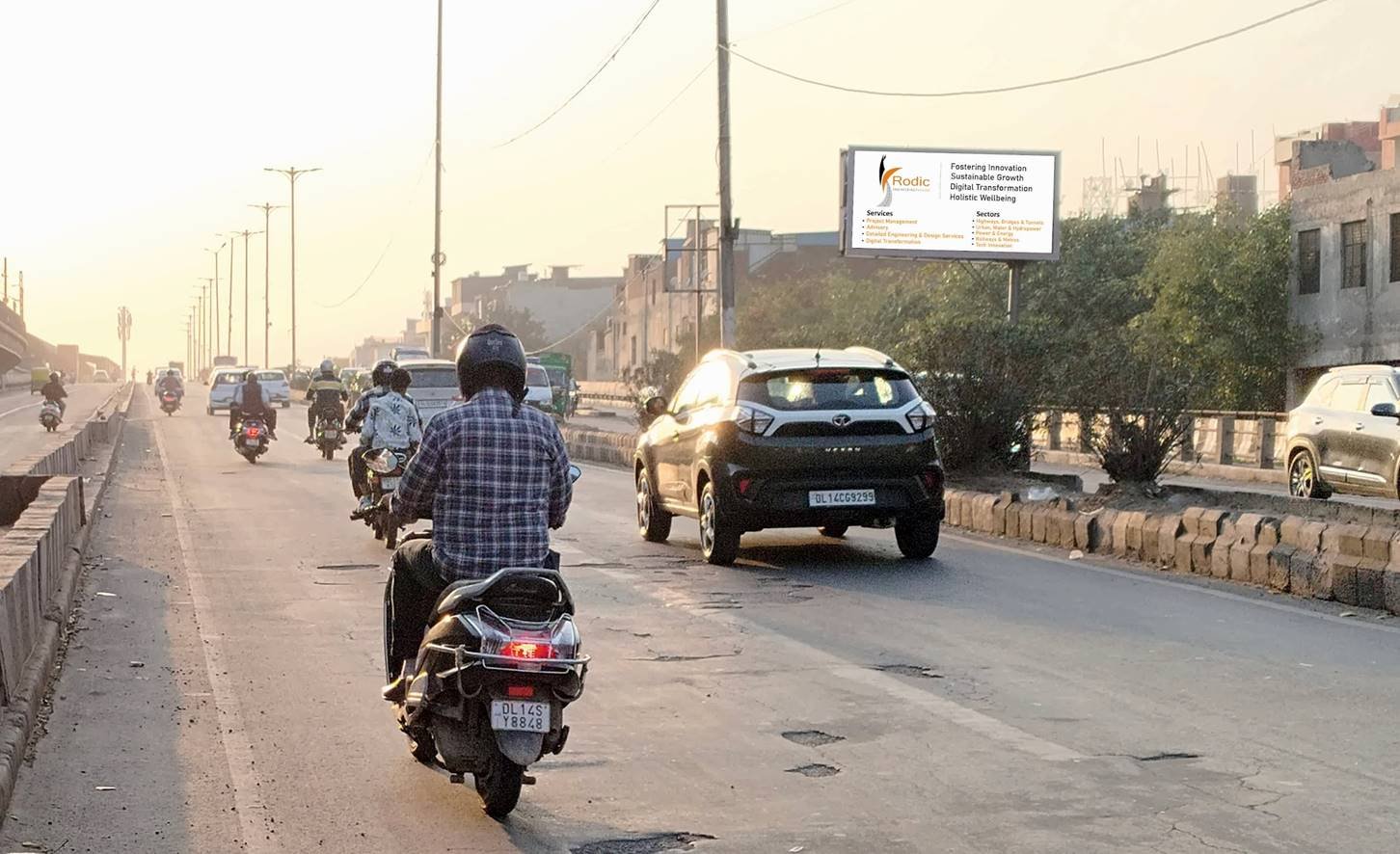
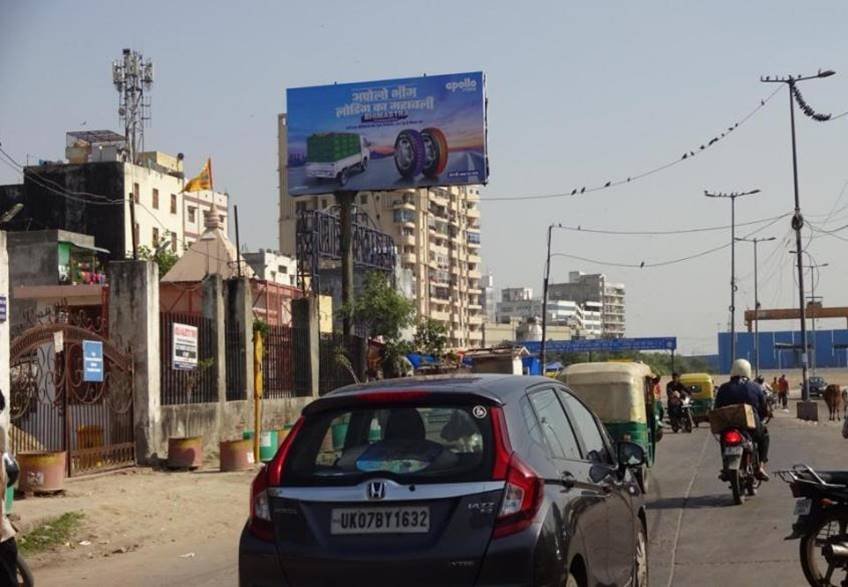
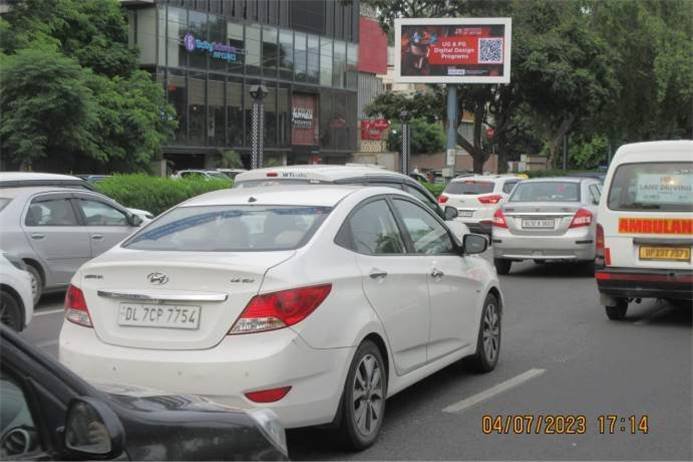
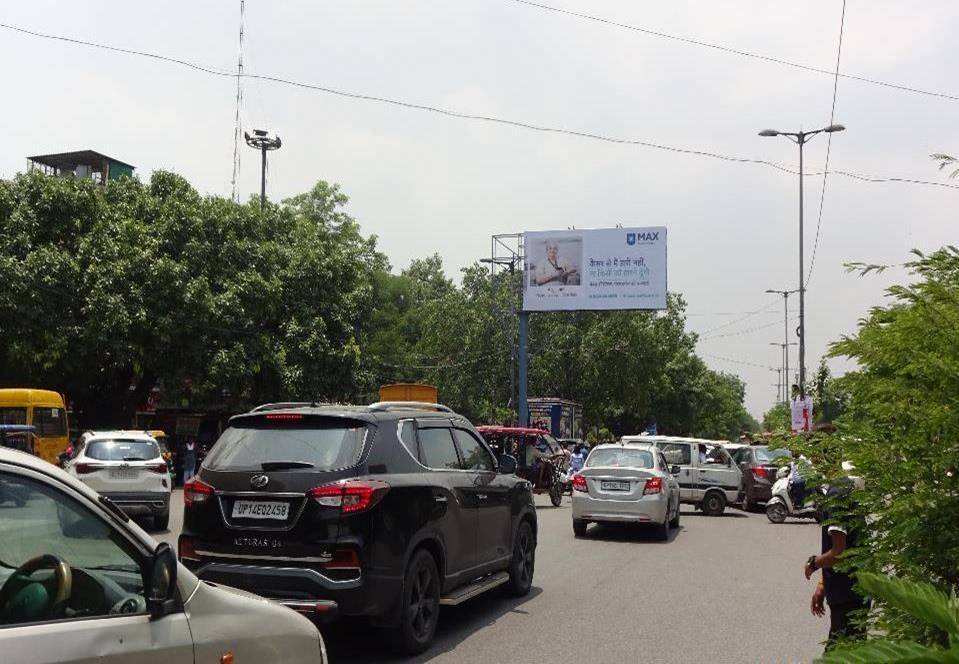
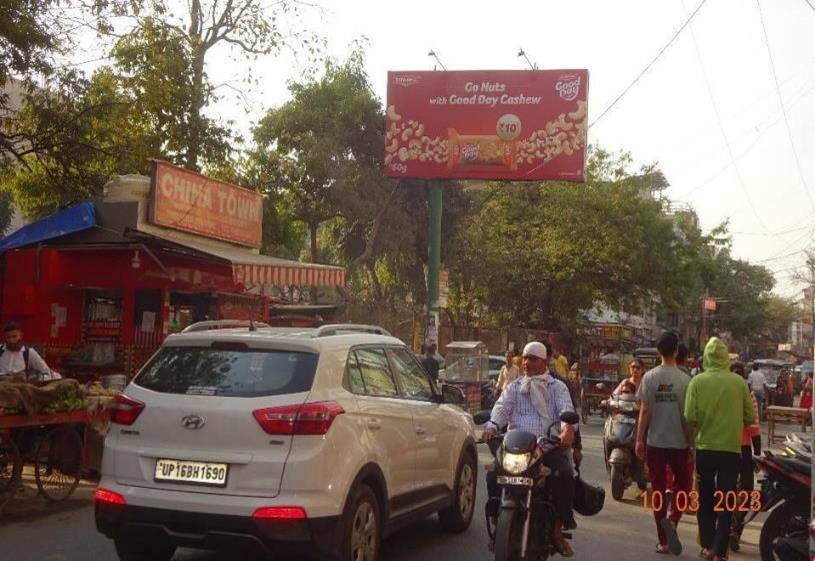
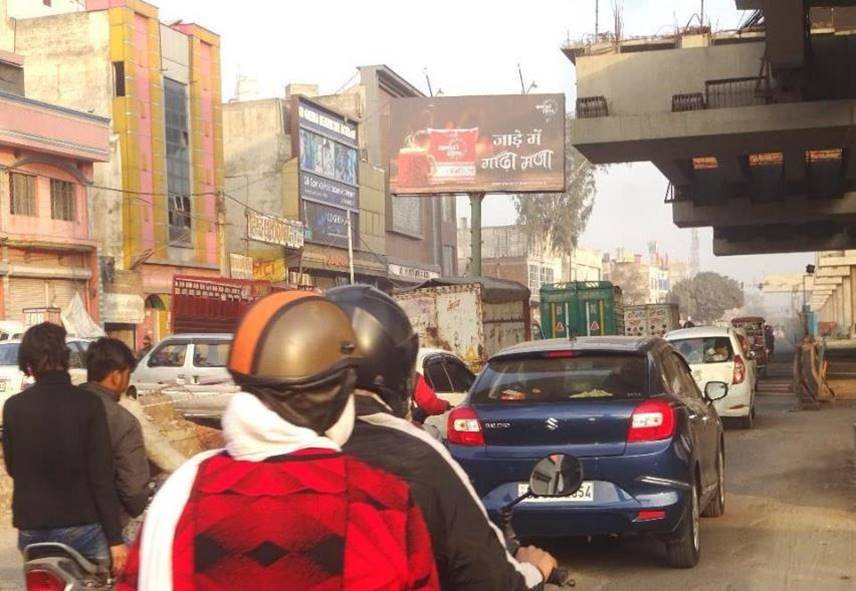
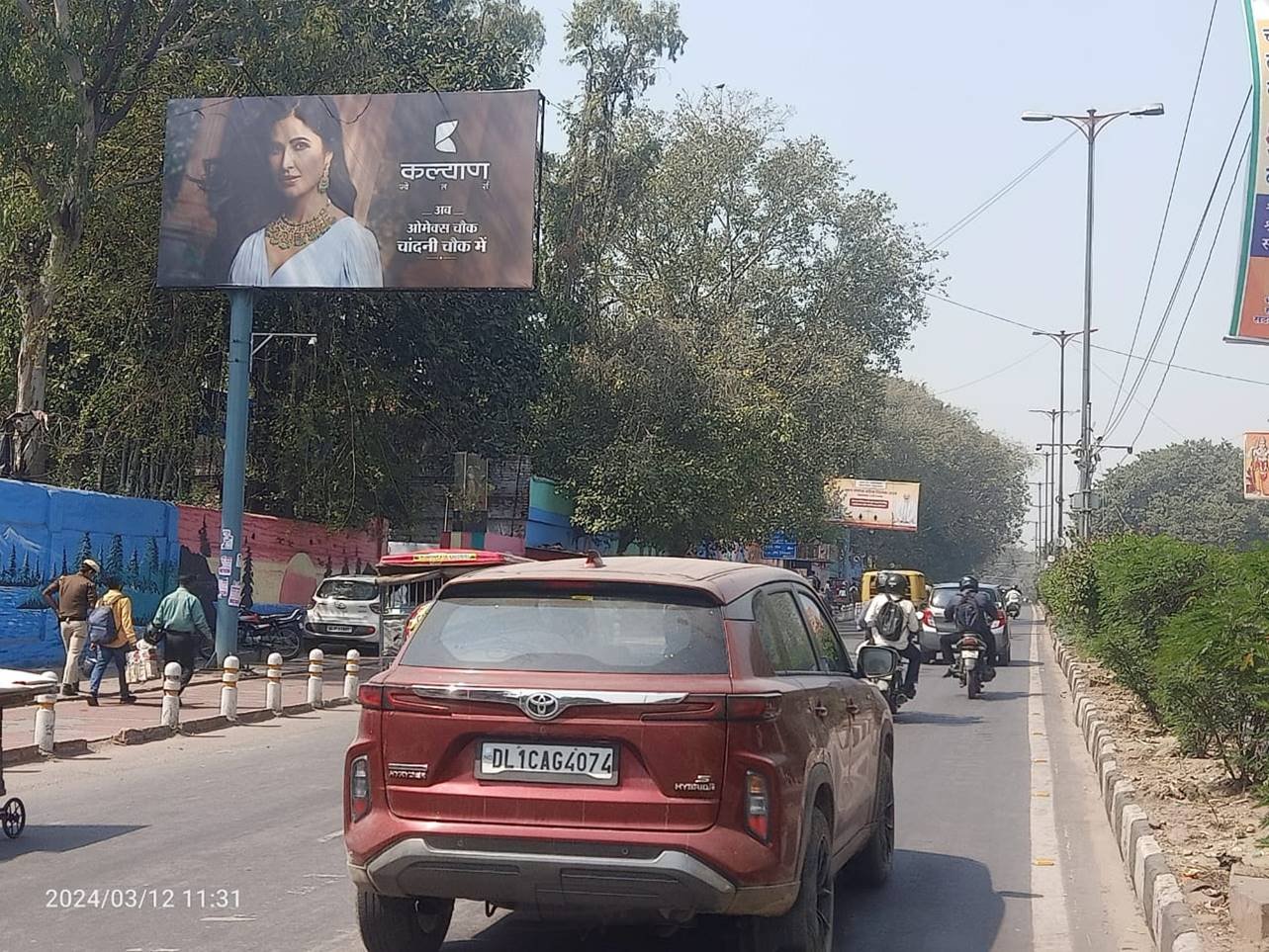
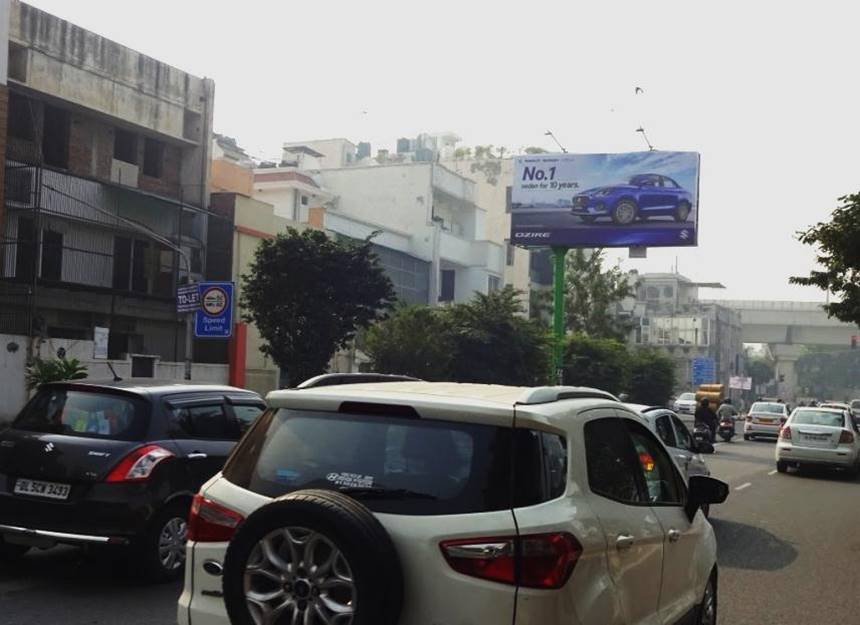
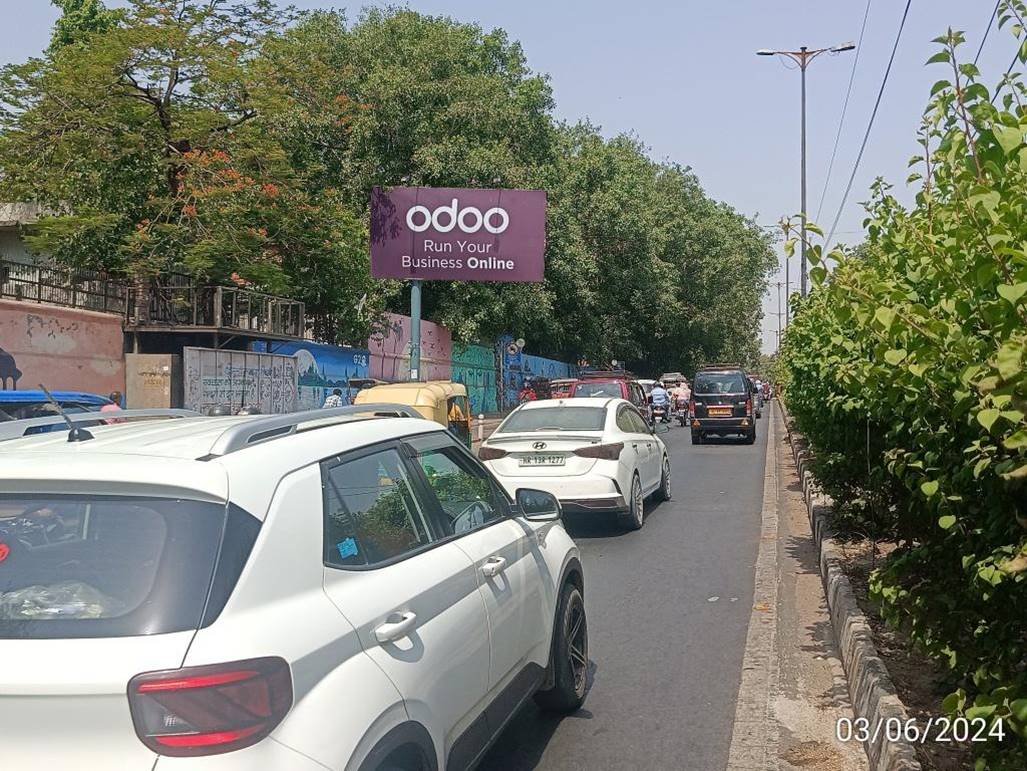
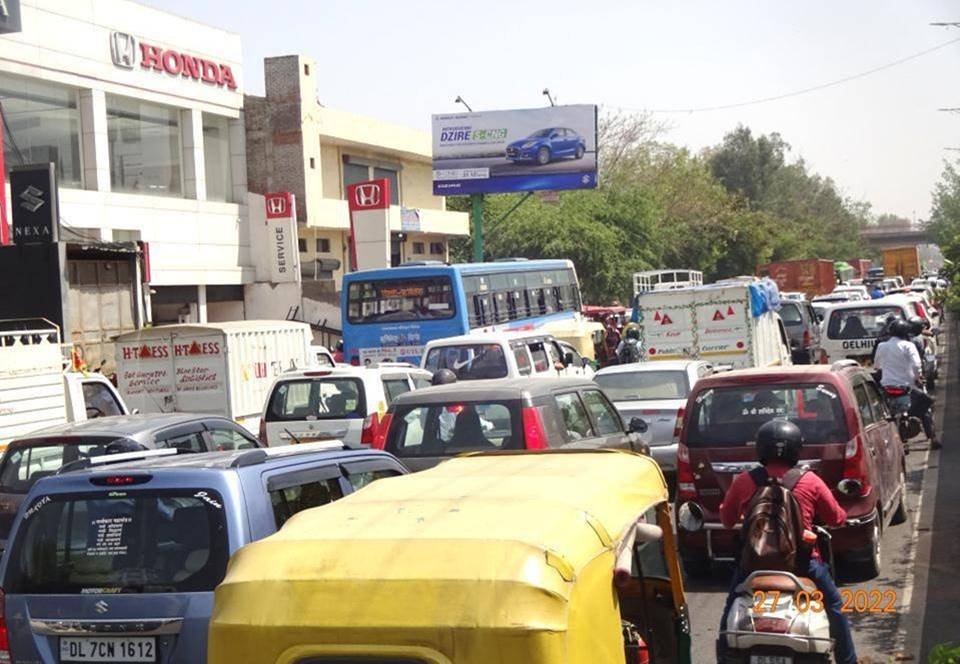
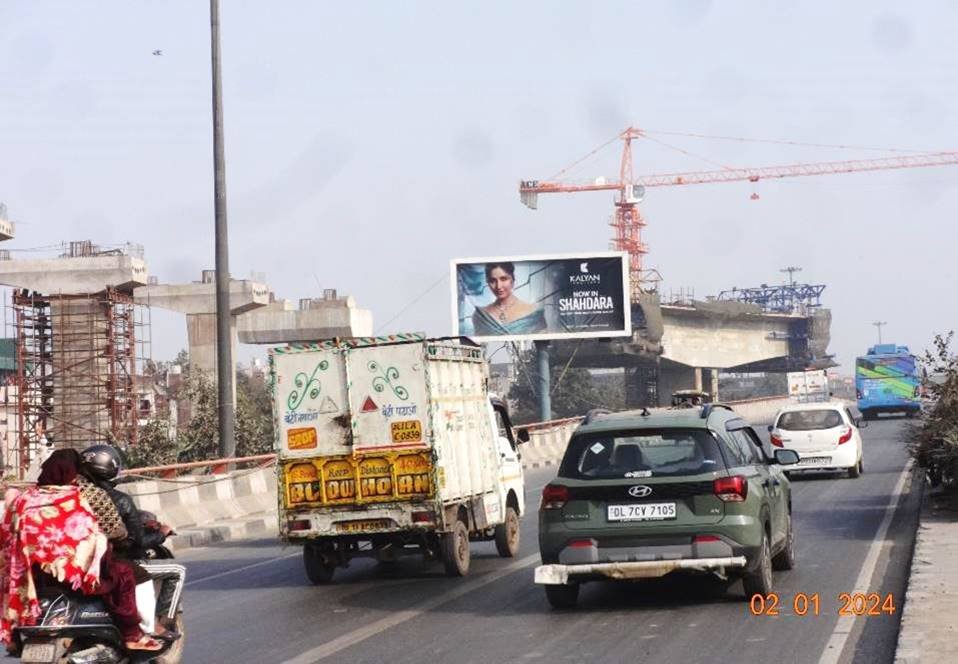
Hoarding advertising near Paschim Vihar Metro Station, Delhi represents a strategically positioned outdoor media format located within one of West Delhi’s most active transit corridors. The site benefits from continuous vehicular flow along Rohtak Road (NH-10) and strong pedestrian movement generated by metro commuters, local shoppers, and residential traffic.
Positioned close to Paschim Vihar East and West Metro access points, the hoarding captures audiences moving toward Peeragarhi Chowk, Outer Ring Road, and Nangloi. The structure is aligned for high visibility, allowing extended viewing time due to signalized intersections and moderate traffic slowdowns.
Hoarding advertising near Paschim Vihar Metro Station, Delhi delivers consistent brand exposure to daily commuters, nearby residential communities, retail visitors, and commercial establishments operating in this high-density urban pocket. The format supports broad market reach while maintaining localized relevance within West Delhi’s evolving commercial landscape.
Why This Hoarding Location Works
From a media planning perspective, the site demonstrates strong fundamentals for sustained outdoor performance:
• Continuous vehicular flow from Rohtak Road toward Punjabi Bagh and Nangloi
• Metro commuter footfall exiting Paschim Vihar station
• Signal-regulated junctions increasing dwell time
• Strong residential catchment in Paschim Vihar, Meera Bagh, and Madipur
• Proximity to Peeragarhi industrial and commercial clusters
• High repeat exposure from daily office and school routes
The combination of metro integration and arterial road movement creates layered audience engagement throughout the day.

Strategic Value of the Location
The Paschim Vihar micro-market holds established residential density supported by gated societies, builder floors, and cooperative housing clusters. Surrounding neighborhoods such as Meera Bagh, Madipur, and Punjabi Bagh West contribute stable middle- to upper-middle-income demographics.
Commercially, Peeragarhi Chowk functions as a significant interchange connecting Rohtak Road with Outer Ring Road, increasing cross-directional traffic. The area hosts retail outlets, automobile showrooms, coaching centers, clinics, and local markets, ensuring diversified audience categories.
Connectivity to Nangloi, Rajouri Garden, and Subhash Nagar further expands the visibility radius. Infrastructure development and continuous urban movement enhance the long-term stability of hoarding advertising near Paschim Vihar Metro Station, Delhi as a recurring media investment zone rather than a seasonal visibility point.
Brand Visibility & Presence Impact
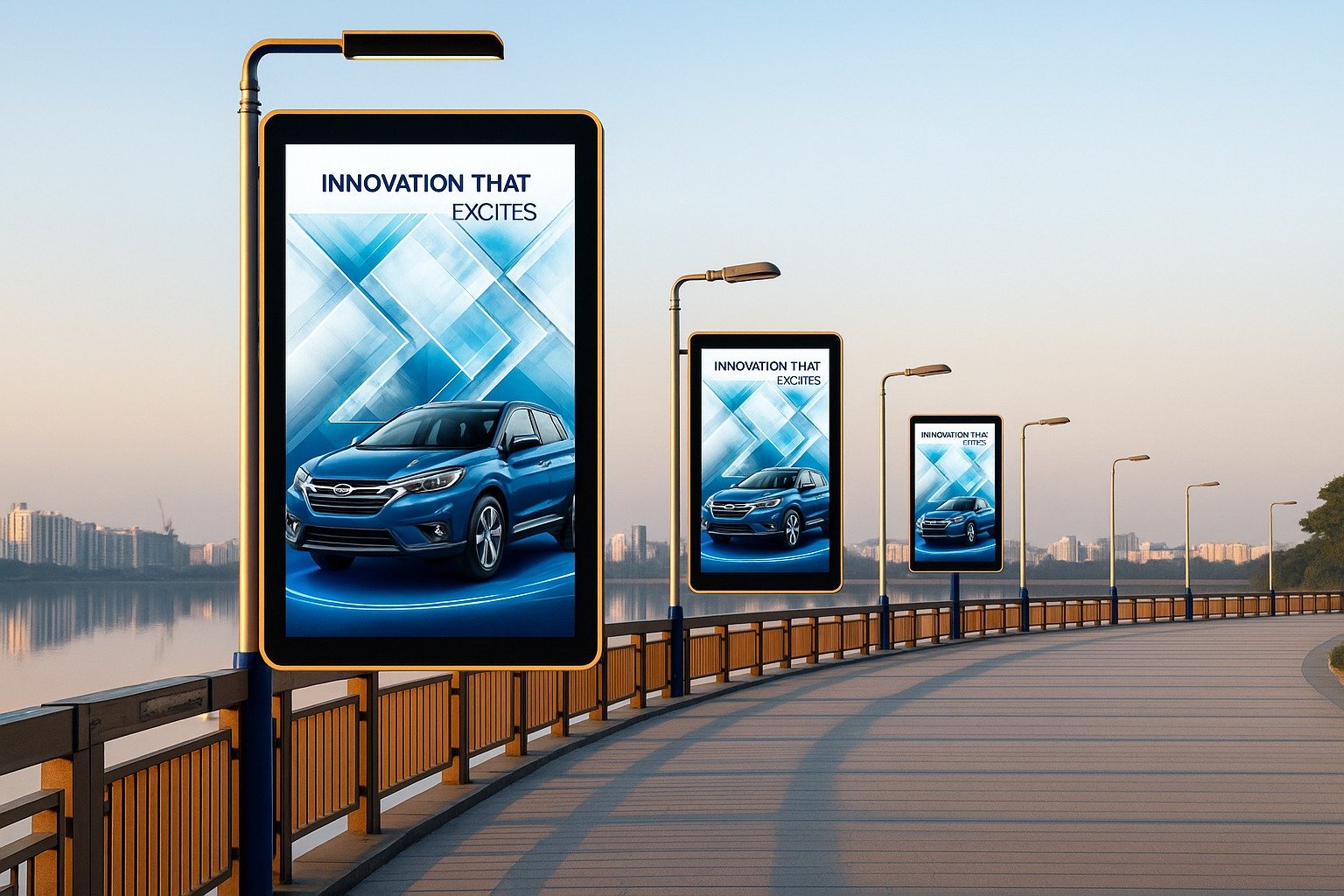
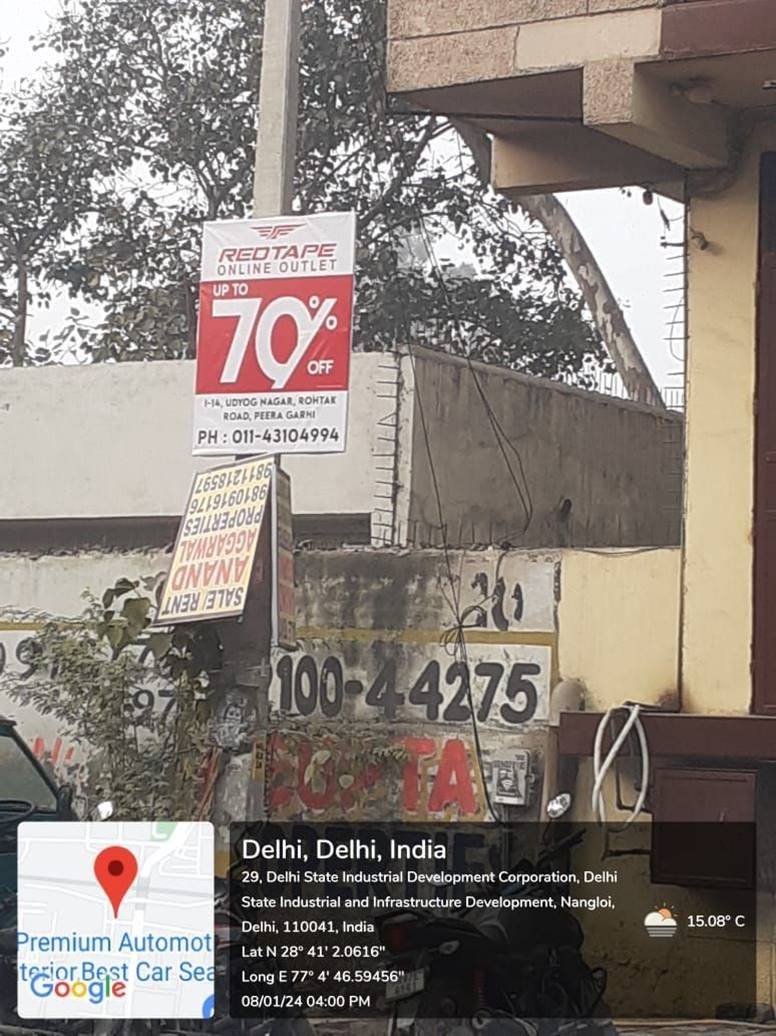
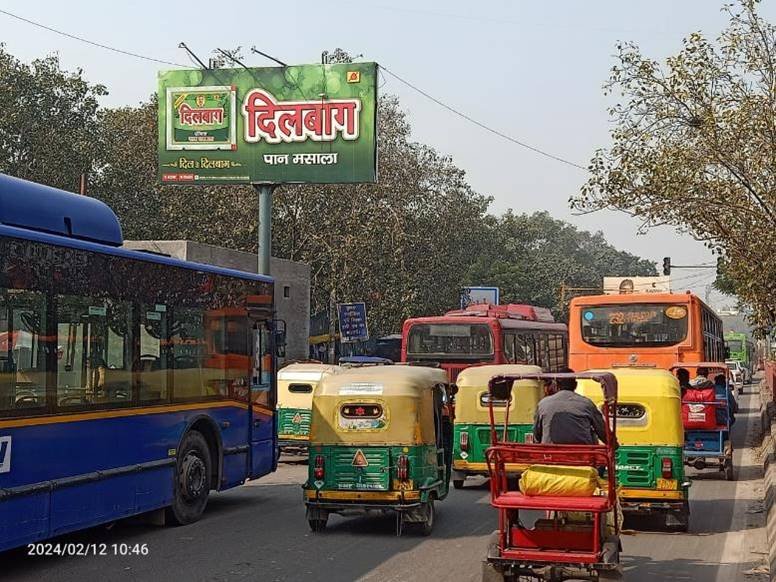
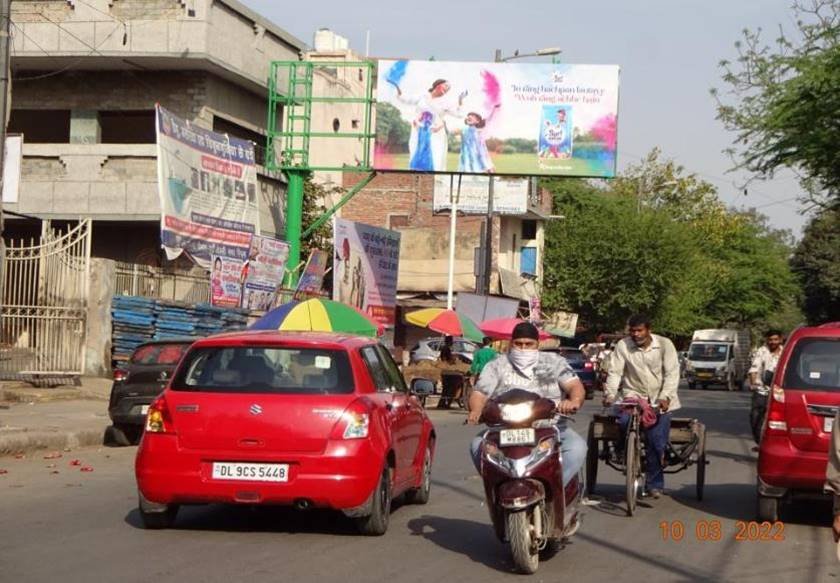
This hoarding format provides scale and dominance within a competitive urban corridor. Its elevation and frontage alignment ensure visibility from distance, while traffic signals extend exposure duration.
Key brand advantages include:
• High recall due to repetitive commuter exposure
• Perceived brand authority through large-format presence
• Familiarity among neighborhood residents
• Strong urban imprint within West Delhi
• Market reinforcement during daily travel cycles
The format operates as a geographic marker, embedding brand identity within everyday urban navigation patterns.
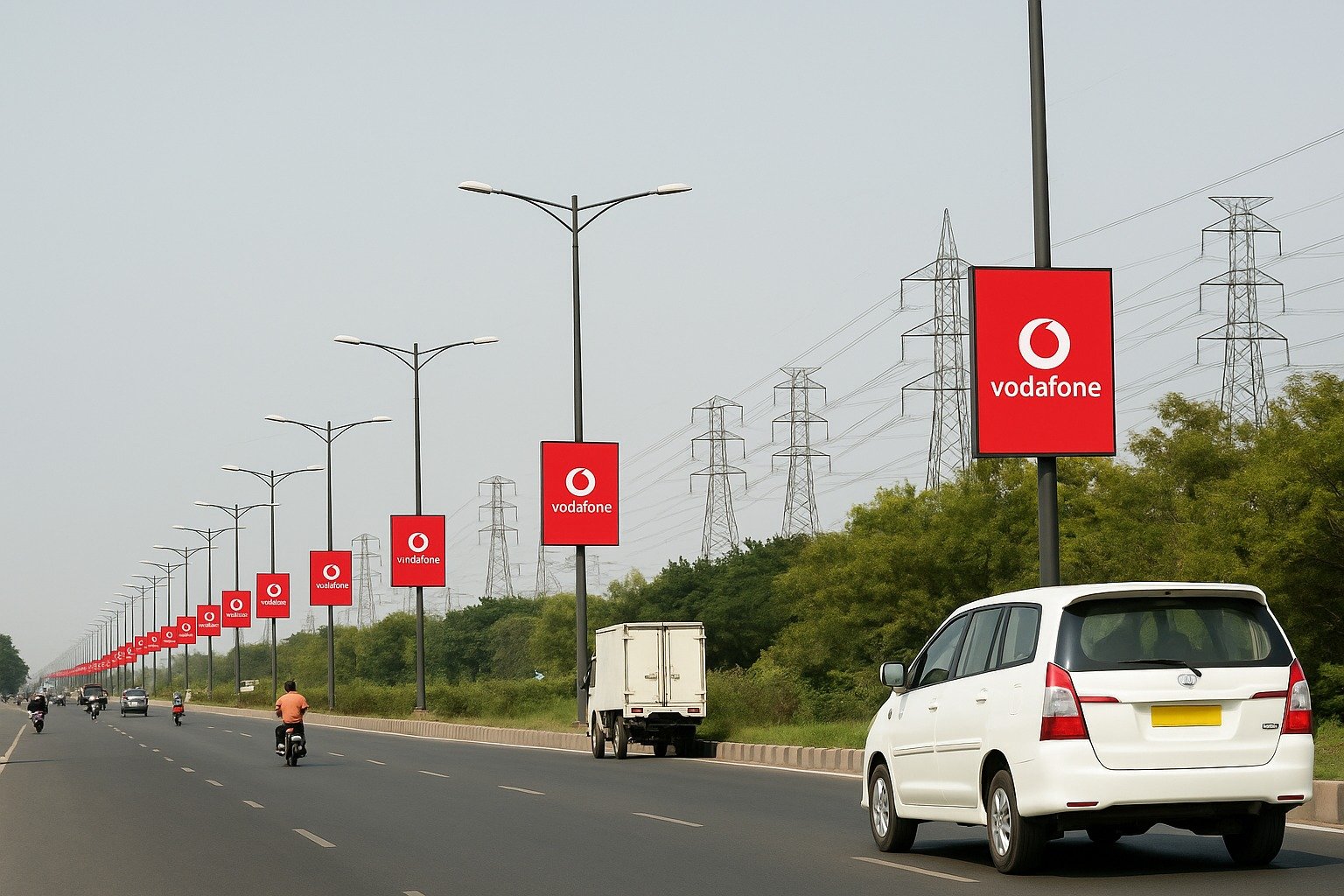
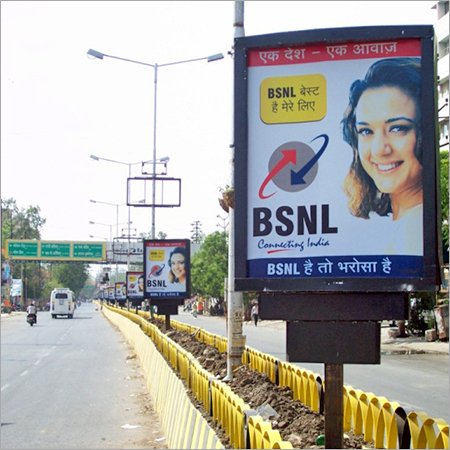
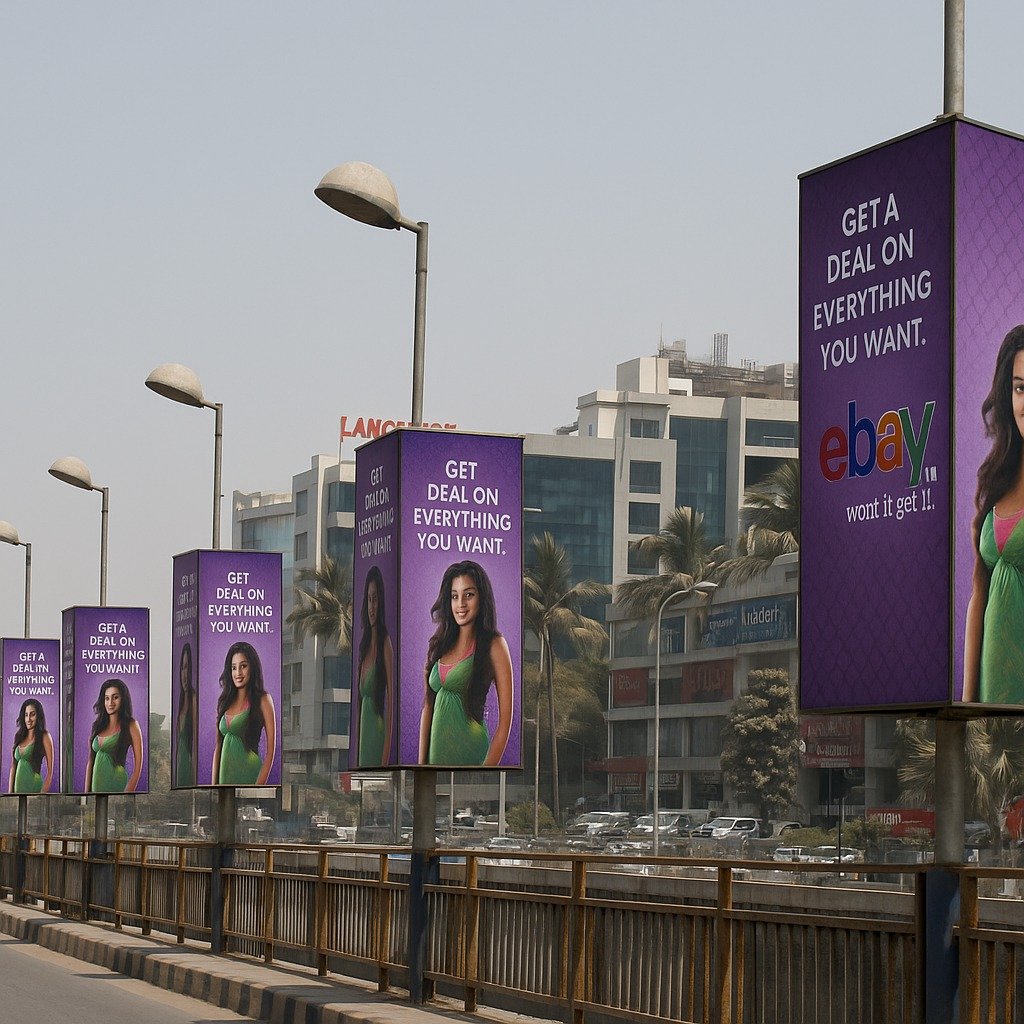
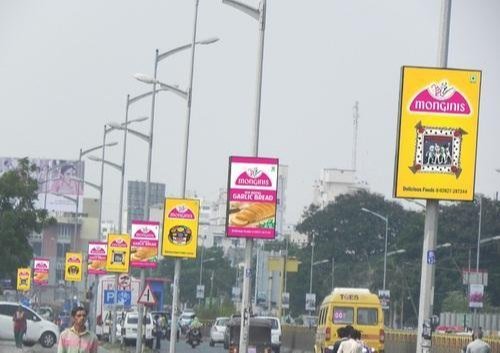
Ideal Industries for This Hoarding
The audience mix surrounding the metro corridor makes this inventory suitable for:
• Real Estate developers targeting West Delhi buyers
• Retail brands promoting regional stores
• Healthcare institutions and diagnostic chains
• Educational institutes and coaching centers
• Automobile dealerships in Peeragarhi and Punjabi Bagh
• Banking and financial services
• Government awareness campaigns
The cross-demographic movement ensures both mass and targeted communication outcomes.
Creative Guidelines for Maximum Visibility
To maximize impact on this hoarding site, creative execution must respect outdoor viewing dynamics:
• Use large, bold typography readable from distance
• Limit messaging to one primary communication
• Apply strong color contrast for day and night clarity
• Maintain dominant brand logo placement
• Avoid cluttered layouts or dense copy
• Prioritize visual hierarchy over text-heavy design
Given metro-linked and road-based traffic speeds, simplicity ensures faster cognitive processing.
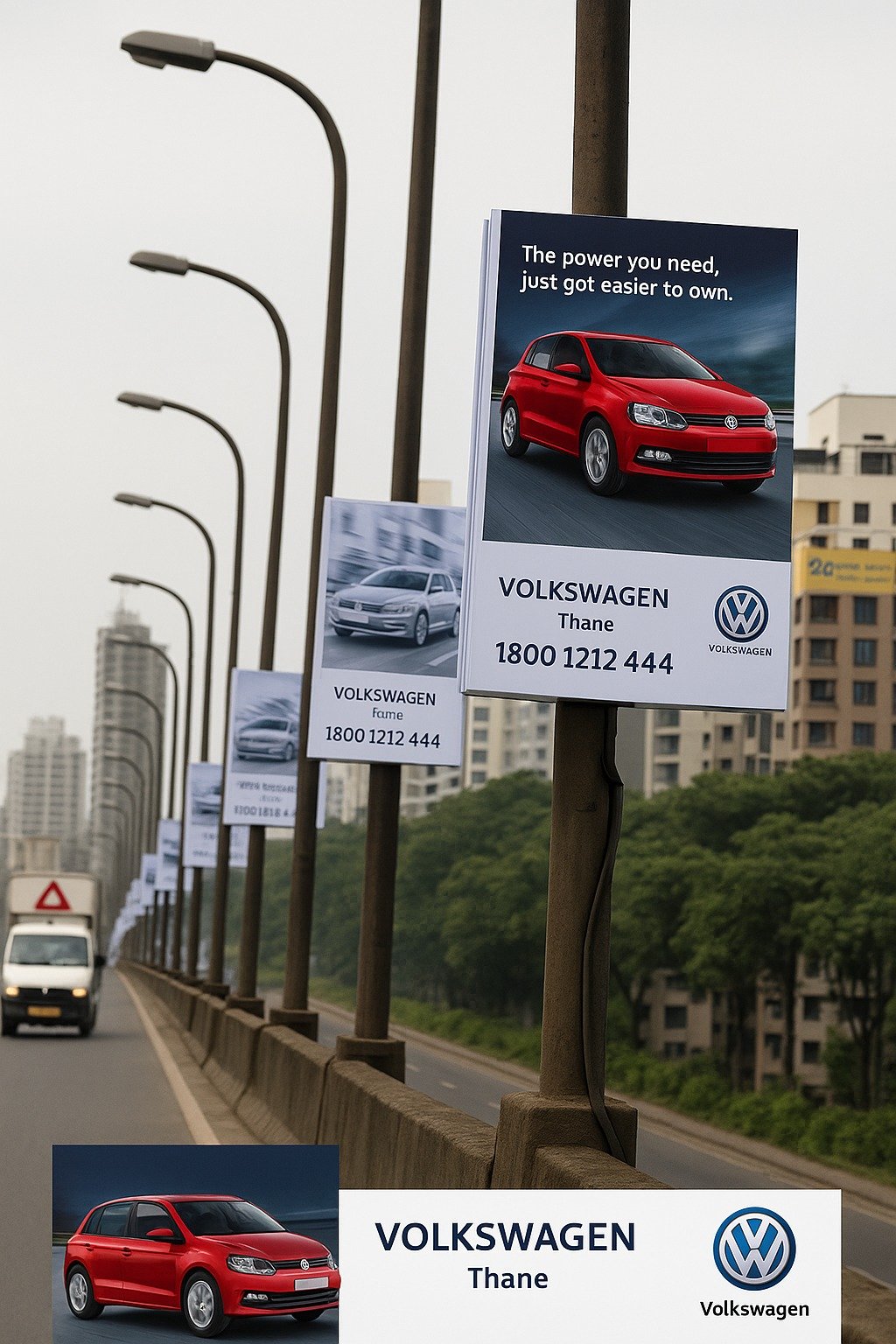
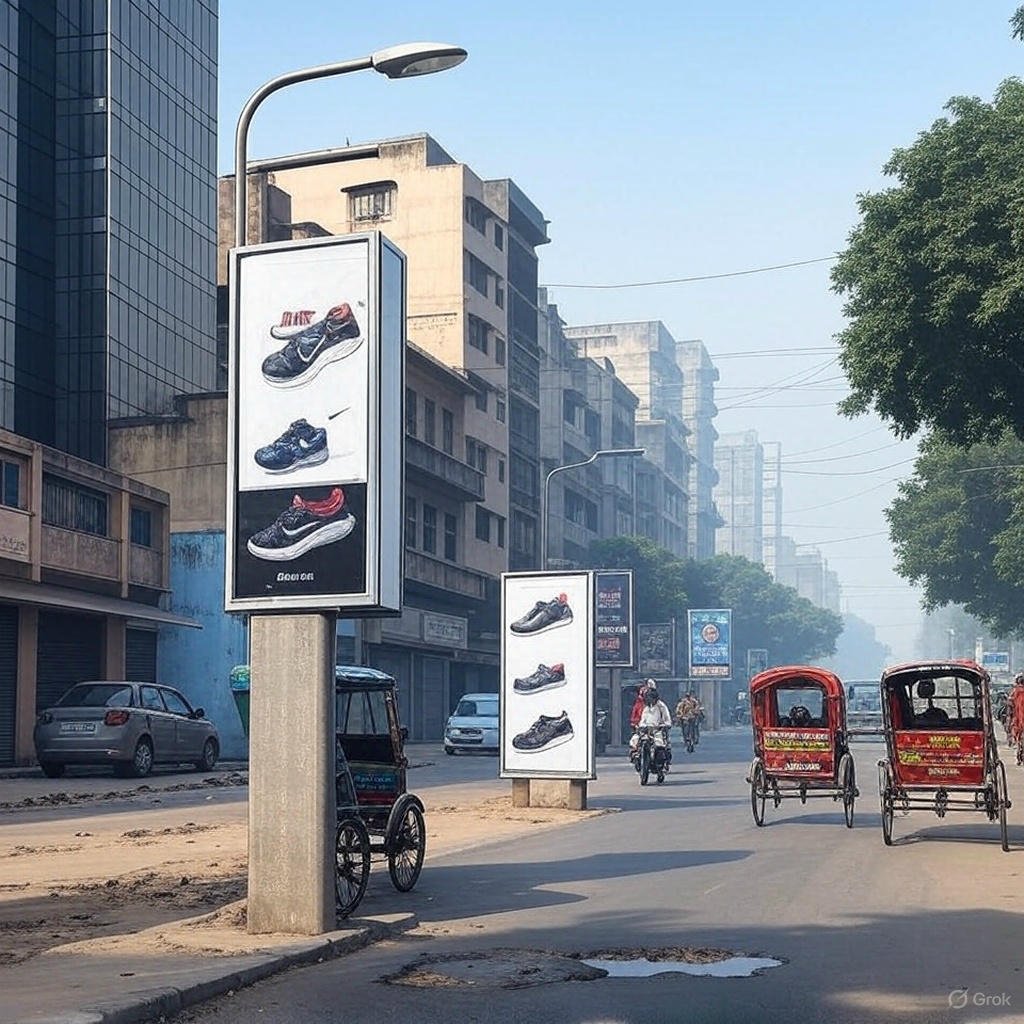
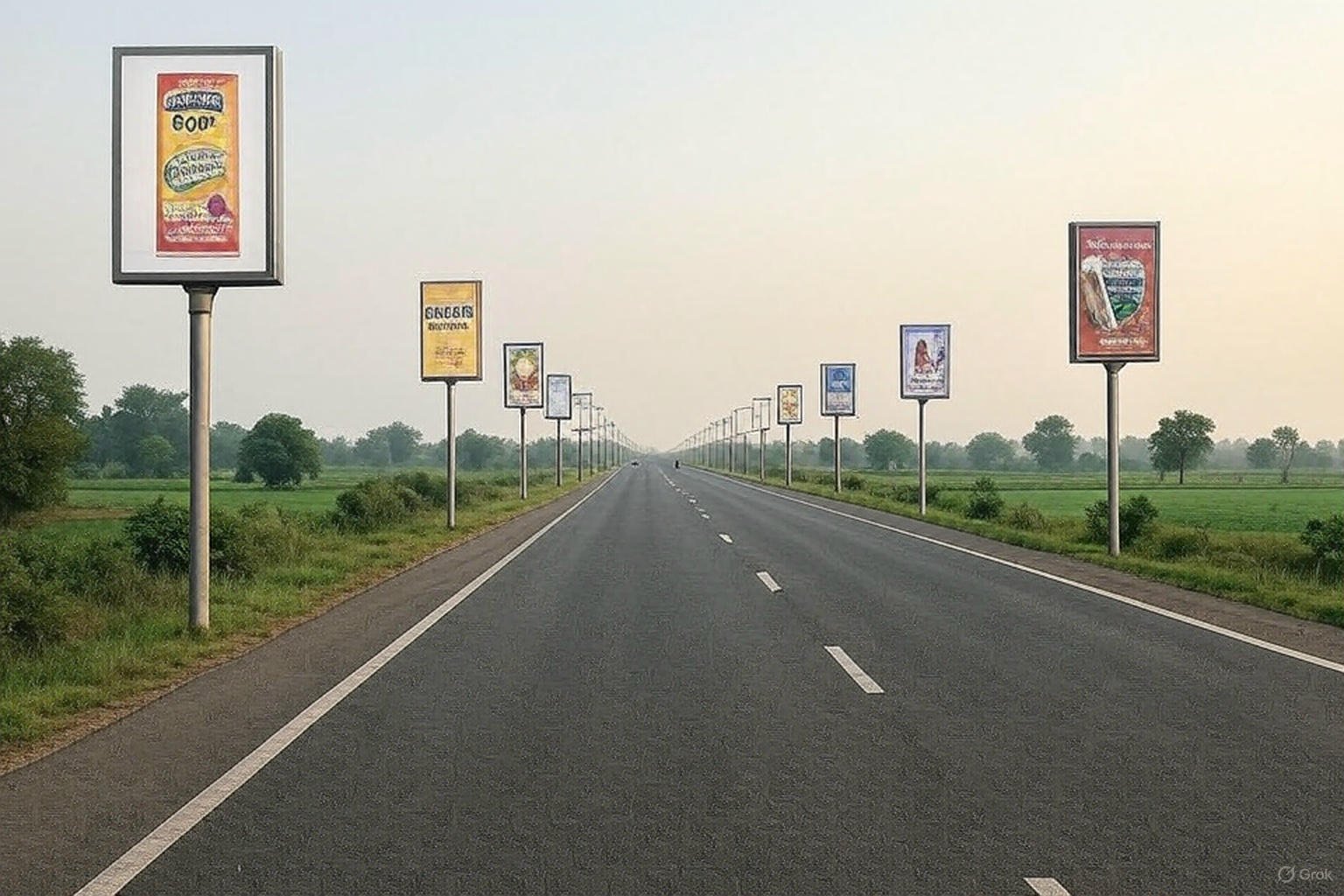
Hoarding Advertising Cost in near Paschim Vihar Metro Station, Delhi
The cost of hoarding advertising near Paschim Vihar Metro Station, Delhi depends on multiple structural and market-driven factors. Investment considerations are influenced by visibility parameters, traffic intensity, and campaign duration.
Pricing is typically evaluated based on:
• Hoarding size and display dimensions
• Illumination type and night visibility
• Traffic density and viewing frequency
• Exact positioning and viewing angle
• Duration of campaign deployment
• Neighborhood prominence and demand
• Seasonal media demand cycles
Advertisers planning sustained brand reinforcement often assess long-term placements for optimized recall impact rather than short-duration bursts.
Factors That Influence Cost
• Structure format and mounting specifications
• Metro proximity and commuter volume
• Signal proximity increasing dwell time
• Competitive media saturation nearby
• Production and installation requirements
• Maintenance and monitoring scope
Investment alignment depends on campaign objectives, market positioning, and target geography.
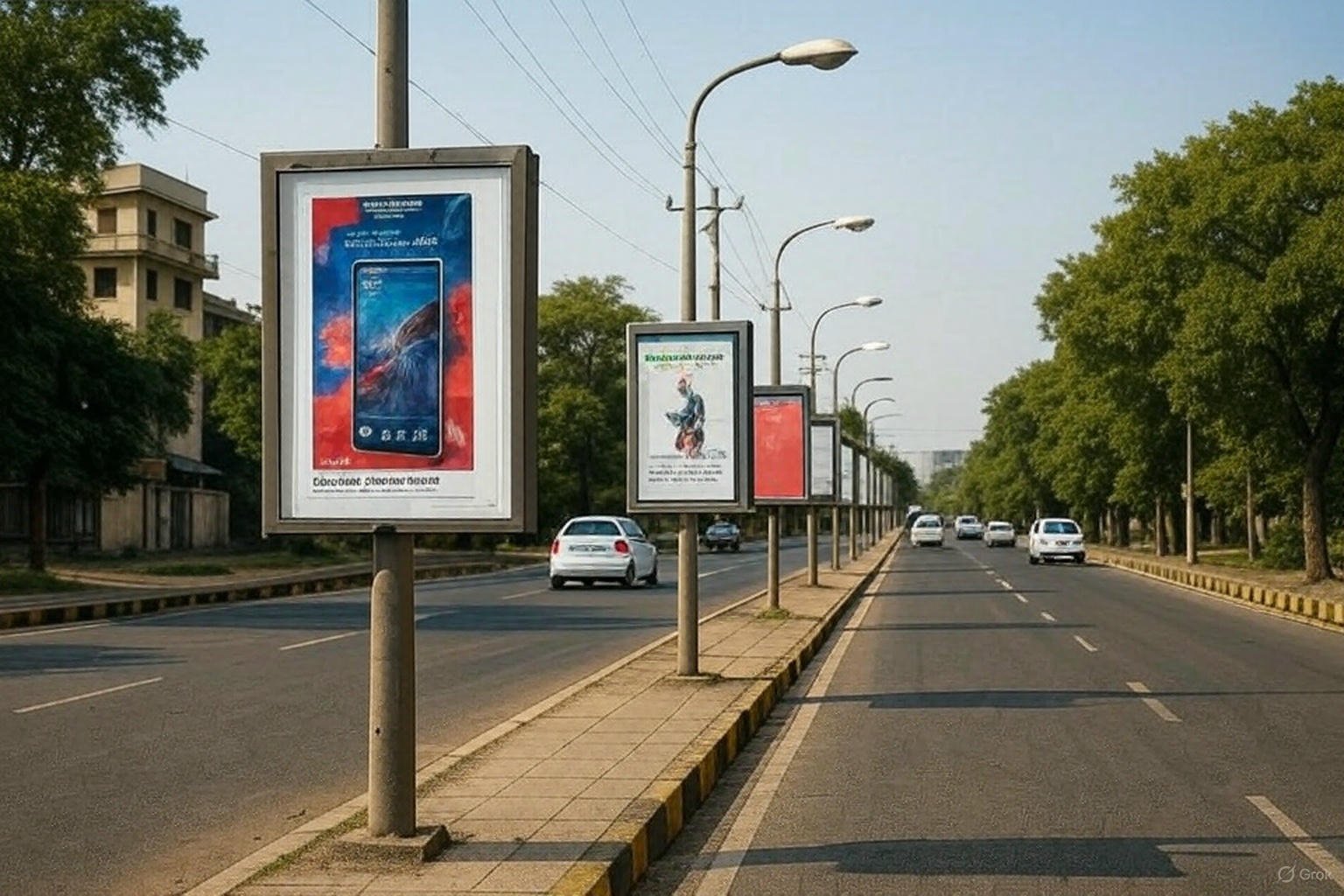
Campaign Planning Insights
From a strategic planning standpoint, longer display cycles enhance brand reinforcement across daily commute patterns. Repeated exposure across weeks strengthens recall, particularly in residentially dense corridors like Paschim Vihar.
Media planners typically evaluate:
• Audience movement frequency
• Peak traffic windows
• Competitive brand presence in vicinity
• Alignment with product launch cycles
• Geographic expansion strategies
Hoarding advertising near Paschim Vihar Metro Station, Delhi performs optimally when integrated into broader citywide outdoor mapping rather than treated as a standalone exposure point.
Measurable Brand Advantages
Consistent display at this location contributes to:
• Strong top-of-mind recall
• Enhanced market credibility
• Increased audience penetration
• Long-term familiarity within catchment zones
• Stable visual market presence
Outdoor media in transit-connected zones builds trust through repeated physical presence rather than transient digital impressions.
Outdoor Advertising Network Presence
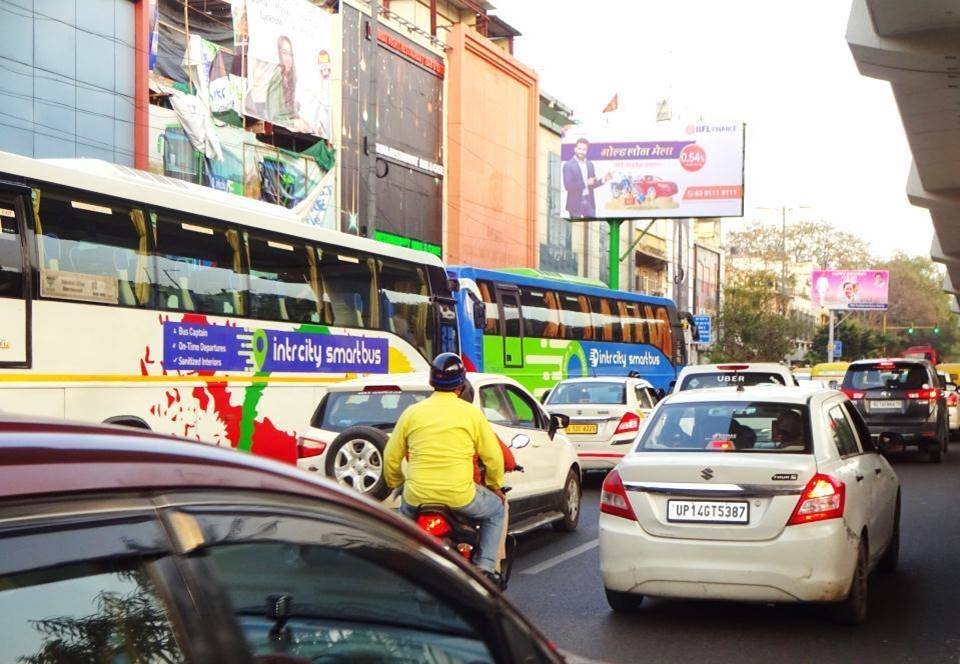
Within Delhi’s broader outdoor ecosystem, executed sites such as this form part of larger inventory clusters managed by experienced operators like Acme Advertising Co., whose outdoor media updates and network insights are documented on their LinkedIn presence.
Integrated planning across multiple West Delhi corridors enhances coverage efficiency and visibility layering.
Site Execution & Monitoring
Operational standards ensure the hoarding structure maintains consistent visibility and safety compliance:
• Structural integrity assessments
• Secure artwork mounting
• Periodic illumination checks
• Weather-impact inspections
• Scheduled maintenance cycles
Regular monitoring ensures uninterrupted campaign display and sustained brand representation.
Booking & Deployment Workflow
The deployment process typically follows a structured sequence:
- Campaign objective planning
- Site mapping within West Delhi corridor
- Availability confirmation
- Artwork adaptation for hoarding dimensions
- Installation scheduling
- Ongoing monitoring and compliance checks
This systematic approach ensures operational precision and media continuity.
Long-Term Media Value
Hoarding formats positioned near metro-integrated corridors function as always-on brand assets. They deliver:
• High-frequency exposure
• Geographic dominance within catchment
• Trust reinforcement through permanence
• Strong neighborhood familiarity
• Sustained urban visibility
As West Delhi continues to evolve commercially and residentially, this location remains structurally aligned with long-term outdoor media planning strategies.
FAQs
What determines the cost of hoarding advertising near Paschim Vihar Metro Station, Delhi?
Cost depends on structure size, illumination, traffic density, campaign duration, and neighborhood demand dynamics.
How effective is hoarding advertising near Paschim Vihar Metro Station, Delhi?
Its effectiveness comes from metro-linked footfall, arterial road traffic, and repeat commuter exposure within a dense residential-commercial zone.
What sizes are typically available for this hoarding site?
Sizes vary depending on structural configuration and municipal permissions, with formats designed for long-distance readability.
How long should a campaign run at this location?
Longer durations generally enhance recall cycles, particularly in commuter-driven corridors with repeat daily exposure.
Which industries benefit most from this outdoor format?
Real estate, retail, healthcare, education, automobile, banking, and public awareness campaigns see strong alignment with this audience mix.
How can brands book hoarding advertising near Paschim Vihar Metro Station, Delhi?
Booking involves campaign planning, site confirmation, artwork adaptation, and structured installation under professional monitoring processes.
ACME Advertising Co.
LinkedIn – https://www.linkedin.com/company/acme-advertising-co/