

Table of Contents
Case study H&M: A Fashion Brand That Lives Where People Move
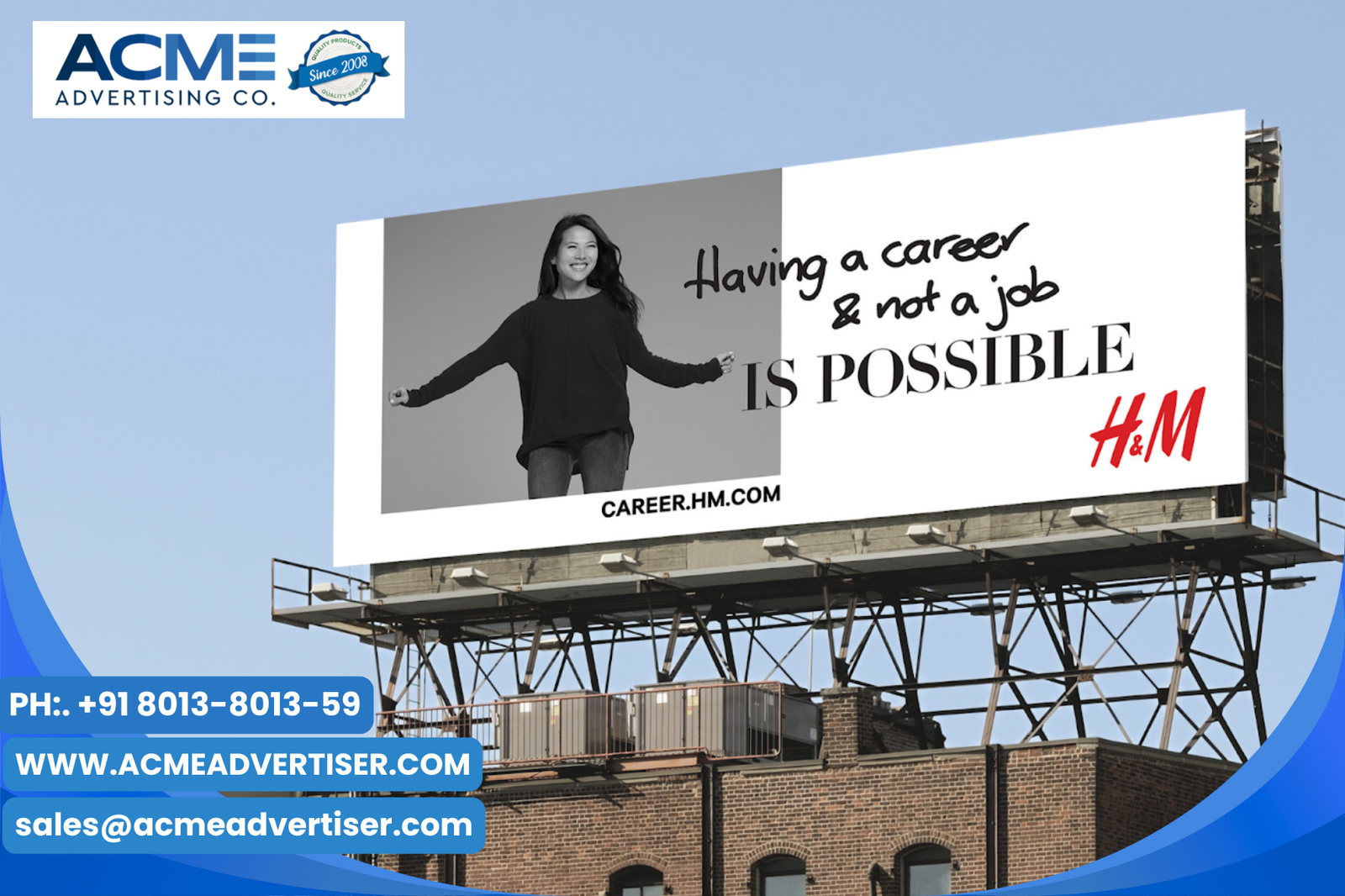
H&M (Hennes & Mauritz) is not just a global fashion retailer—it is a brand that understands how visibility, experience, and convenience work together to influence modern consumers. Founded in 1947 by Erling Persson in Sweden, H&M has grown into one of the world’s most recognised fashion brands by staying accessible, trend-relevant, and deeply connected to how people shop, travel, and interact with brands.
Rather than relying on one advertising channel, H&M adopts a multi-touchpoint brand presence—using outdoor advertising, transit media, in-store technology, and experiential activations to stay visible across everyday consumer journeys. This case study explores how H&M uses these channels together to create impact, and what brands can learn from its approach.
case study H&M Brand Philosophy: Visibility With Purpose
At its core, H&M’s marketing strategy reflects three consistent principles:
- Be present where people already are
- Blend physical experiences with digital convenience
- Make branding feel immersive, not intrusive
H&M does not treat advertising as a separate activity from retail. Instead, its media presence flows naturally into how customers discover, explore, and purchase products—whether on the street, in transit, or inside a store.
OOH Media: Making Fashion Part of the Cityscape
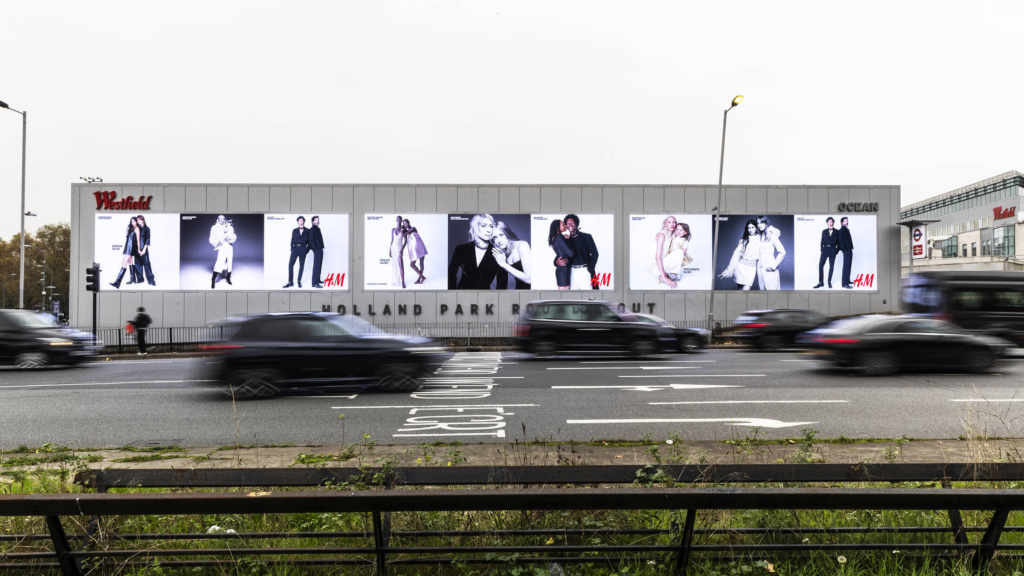
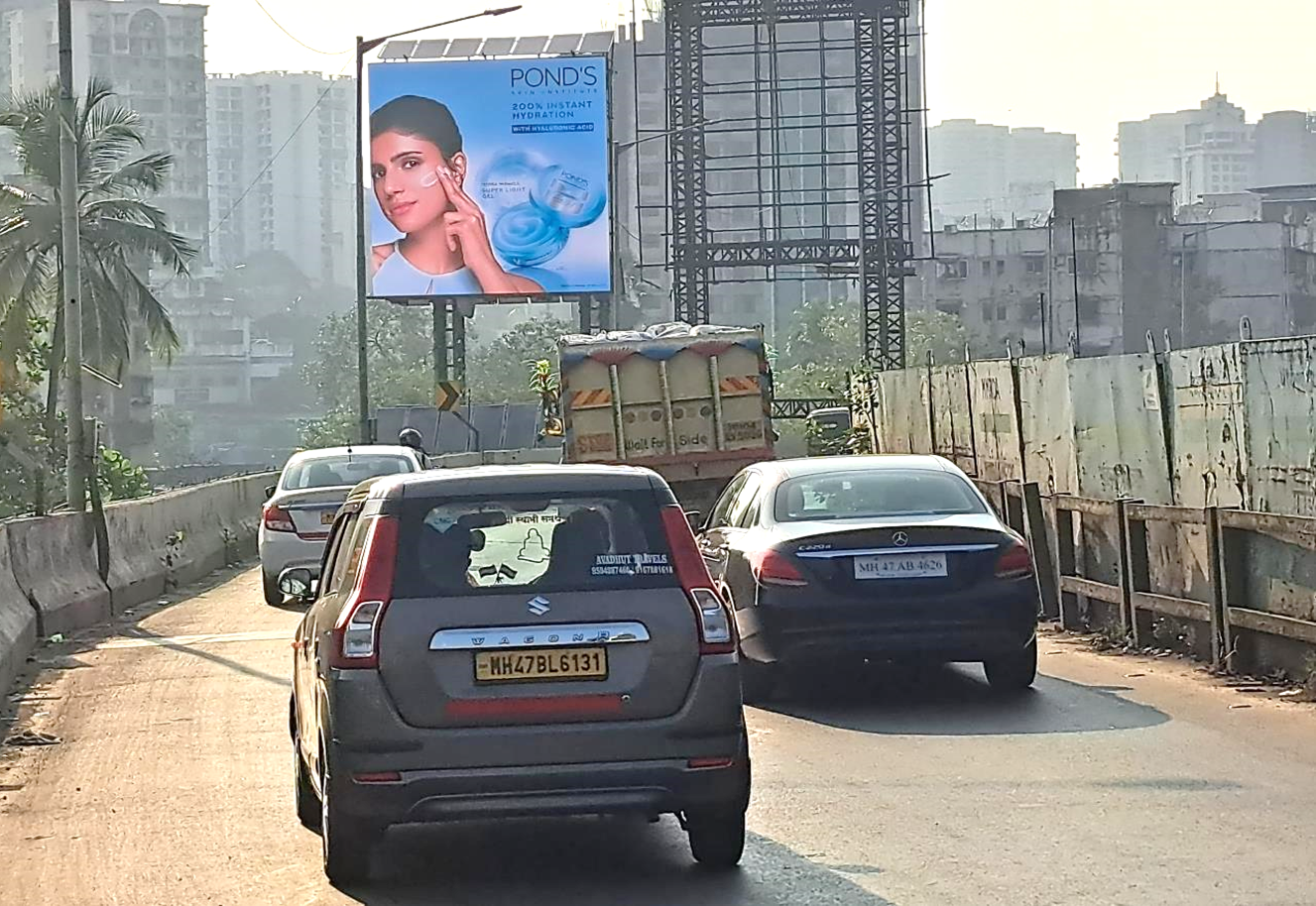
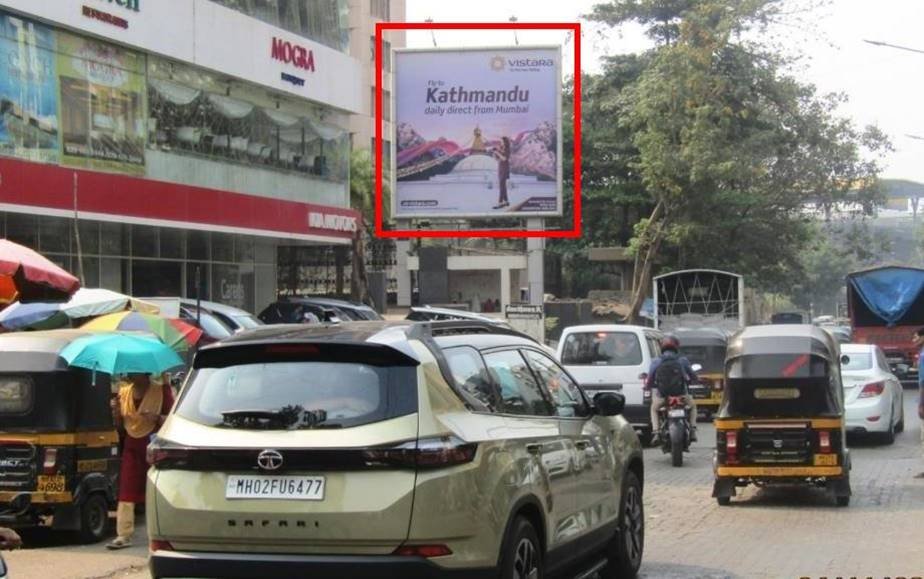
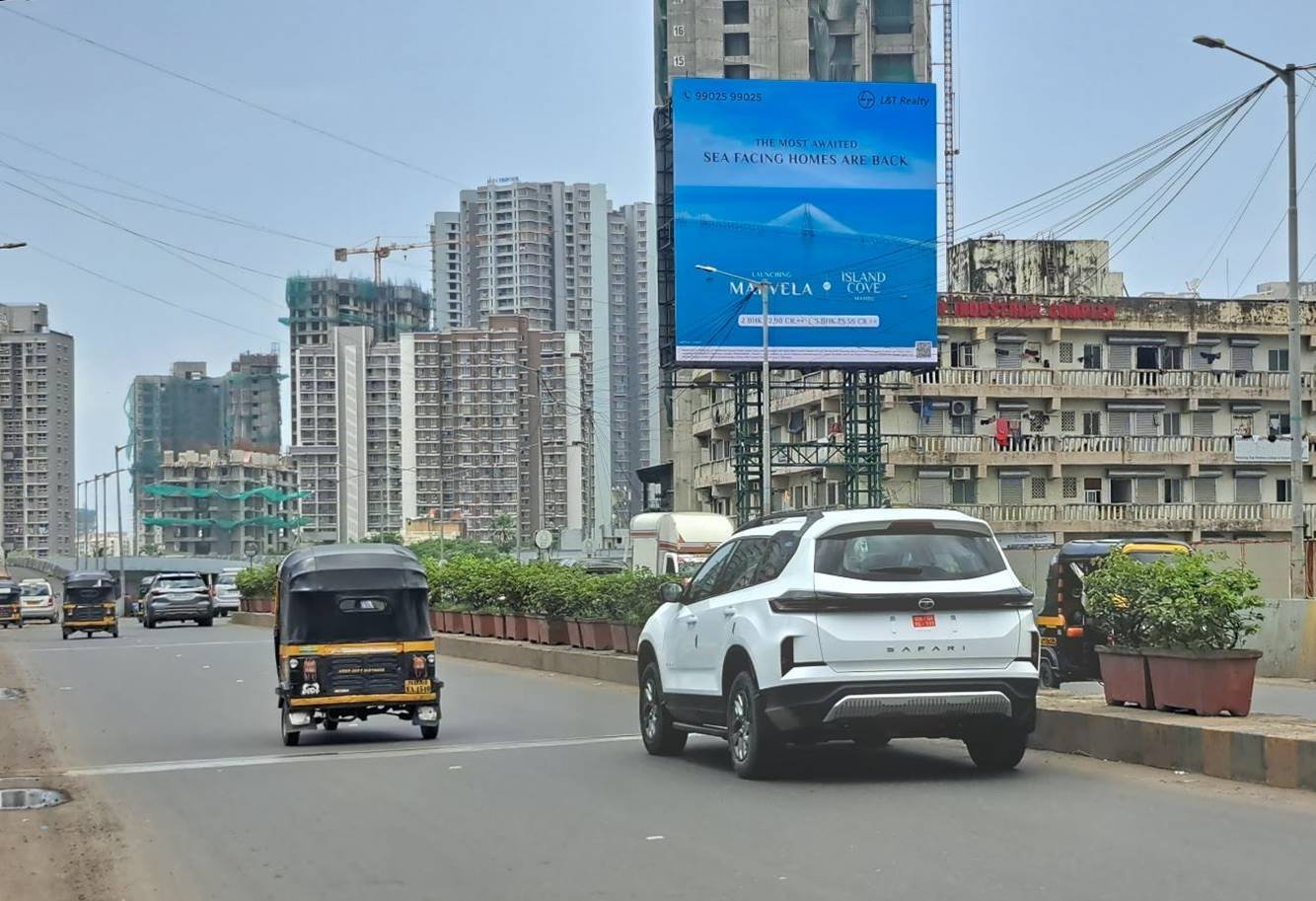
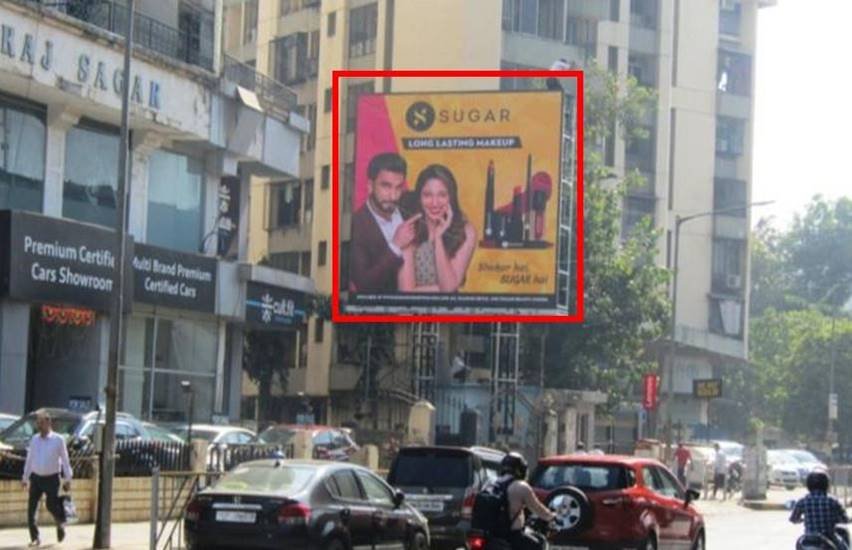
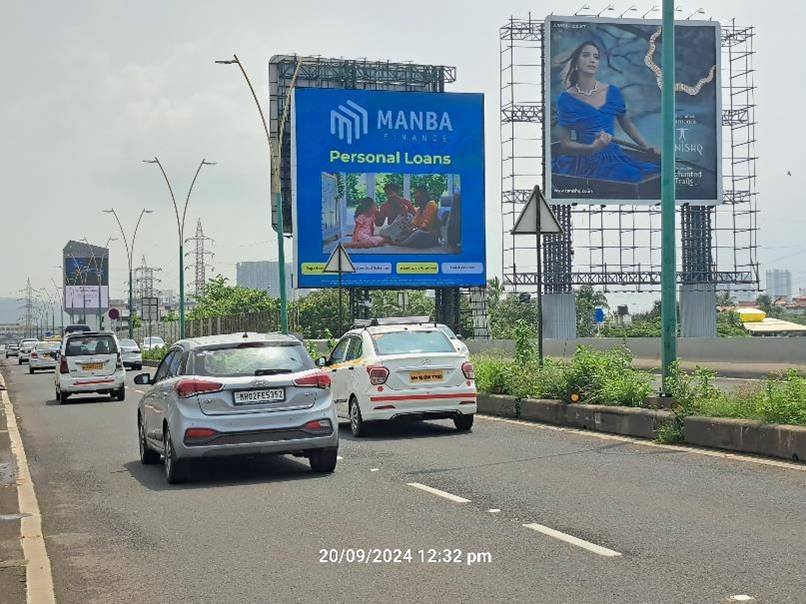
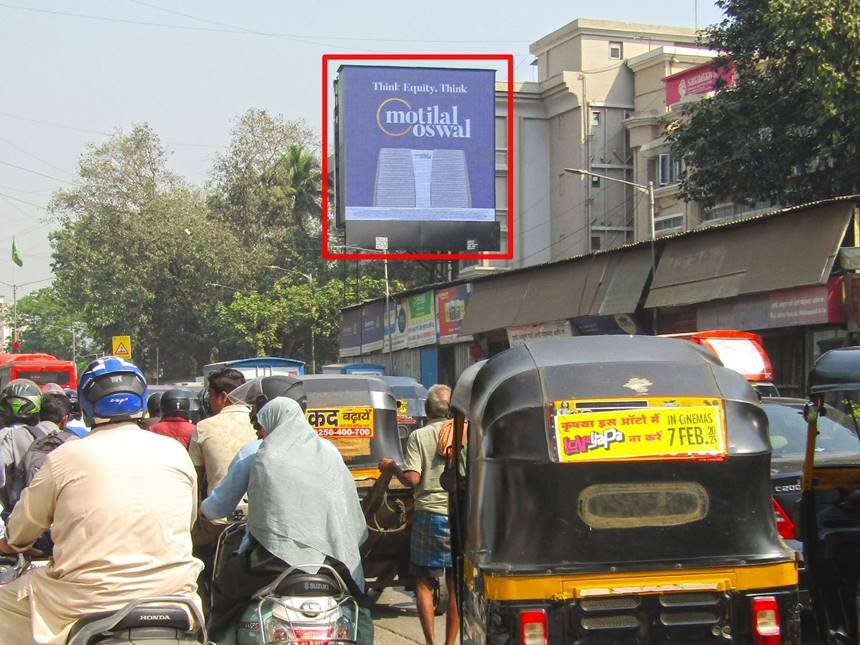
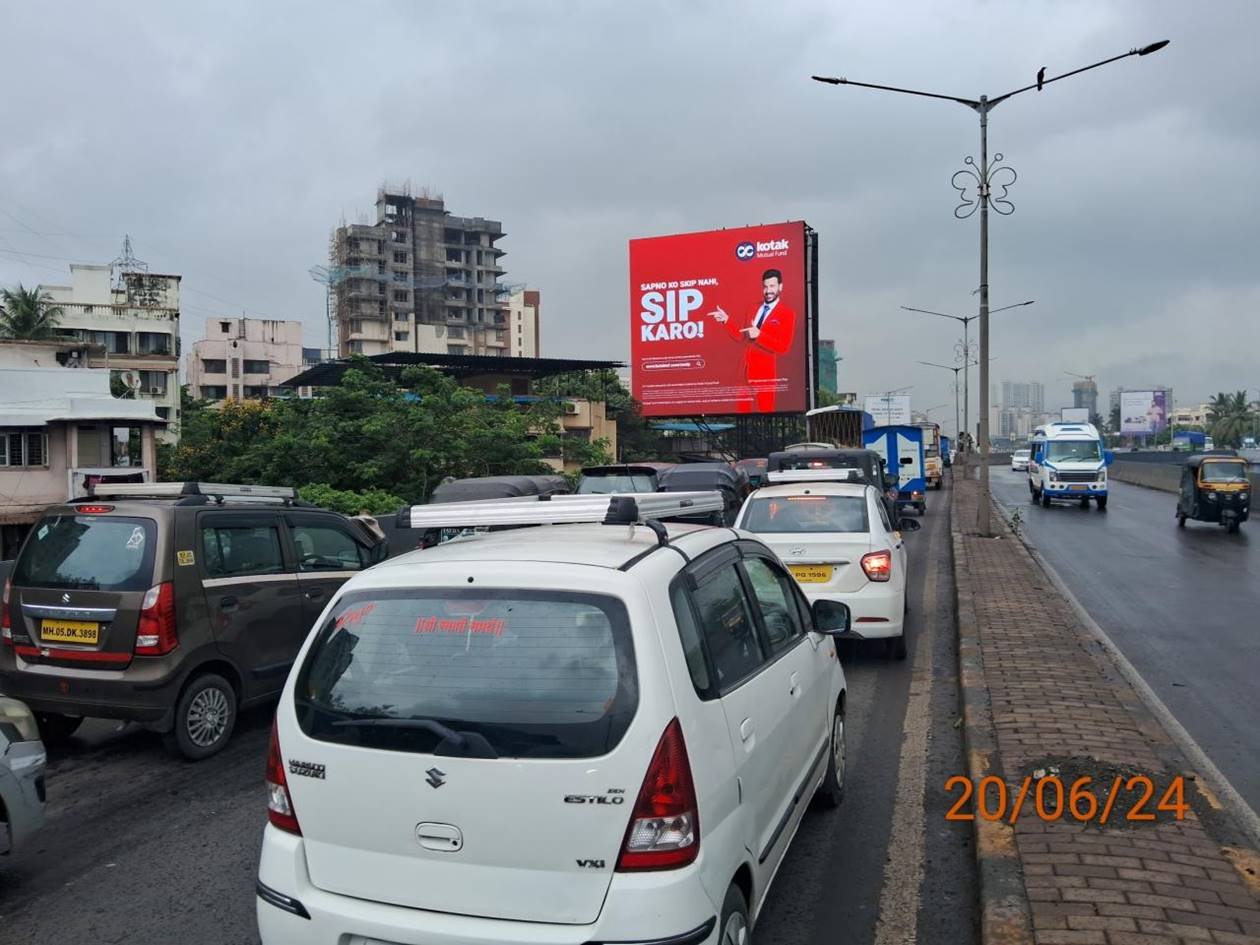
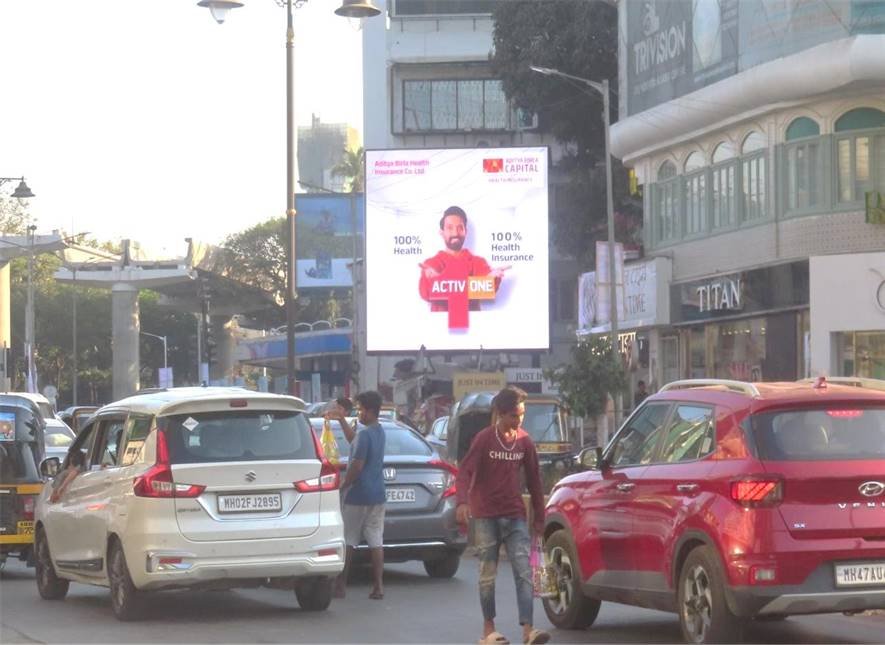
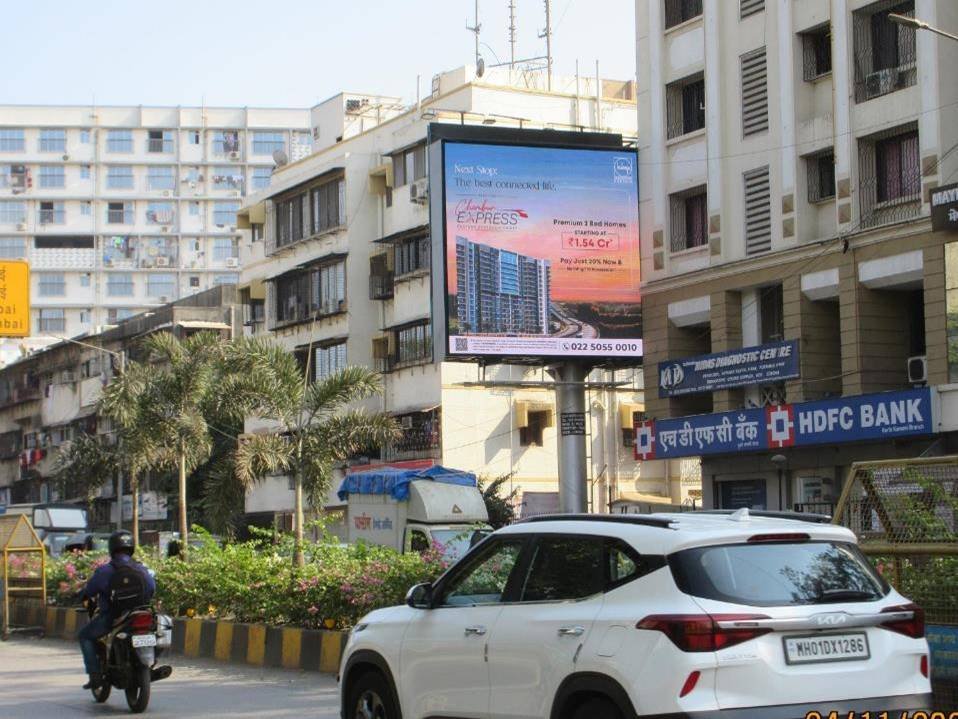
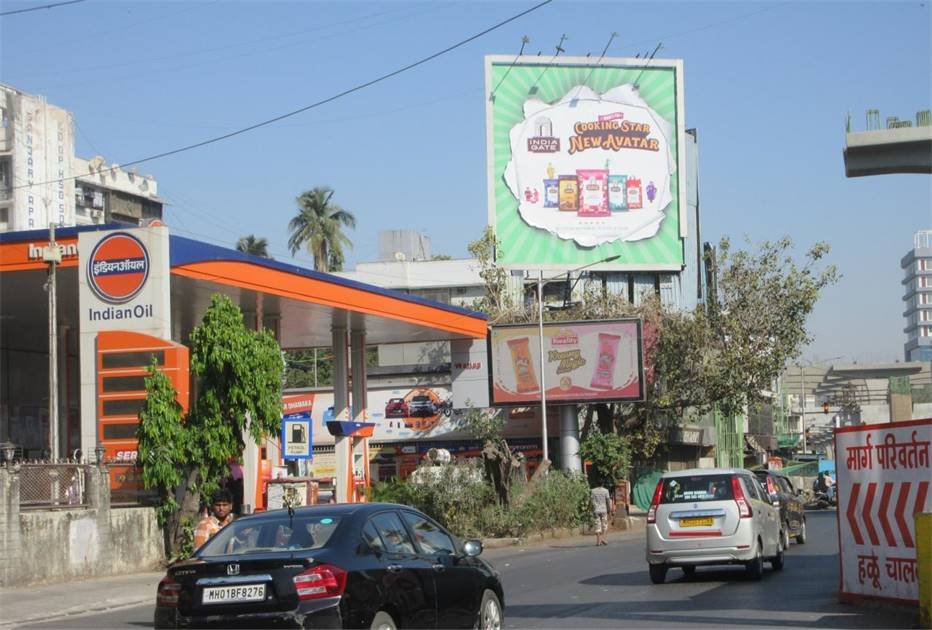
Large-Scale Billboards & High-Impact Visibility
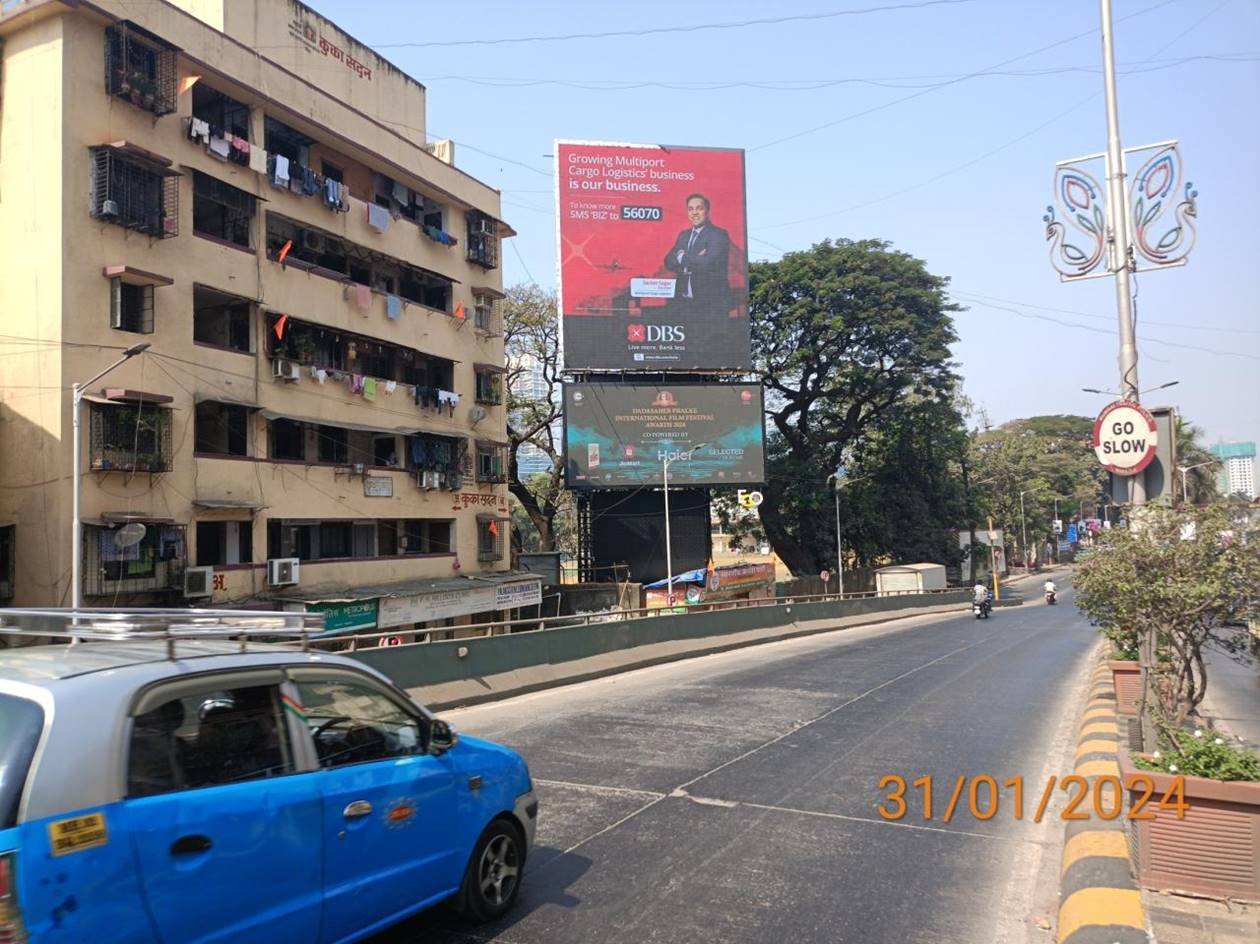
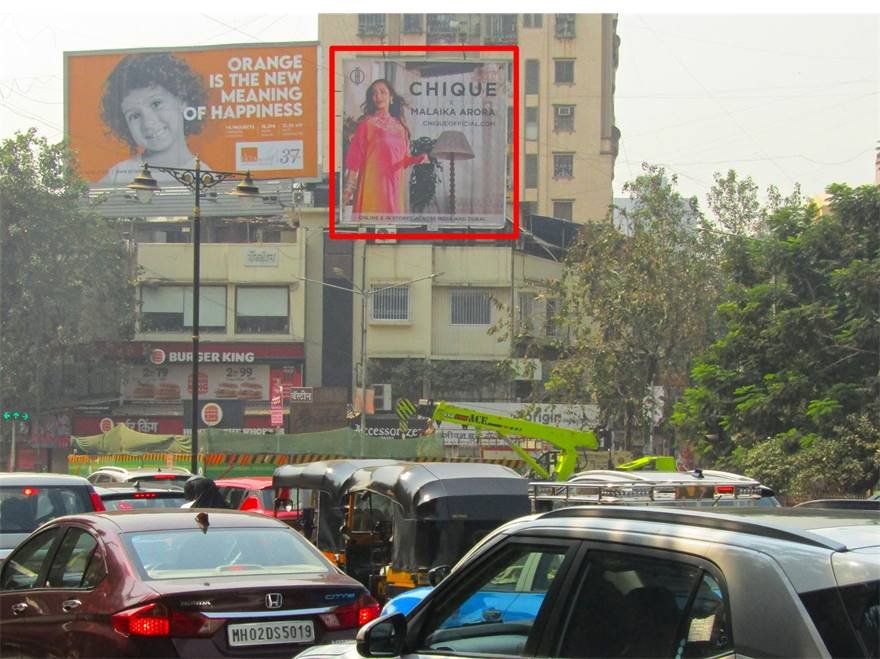
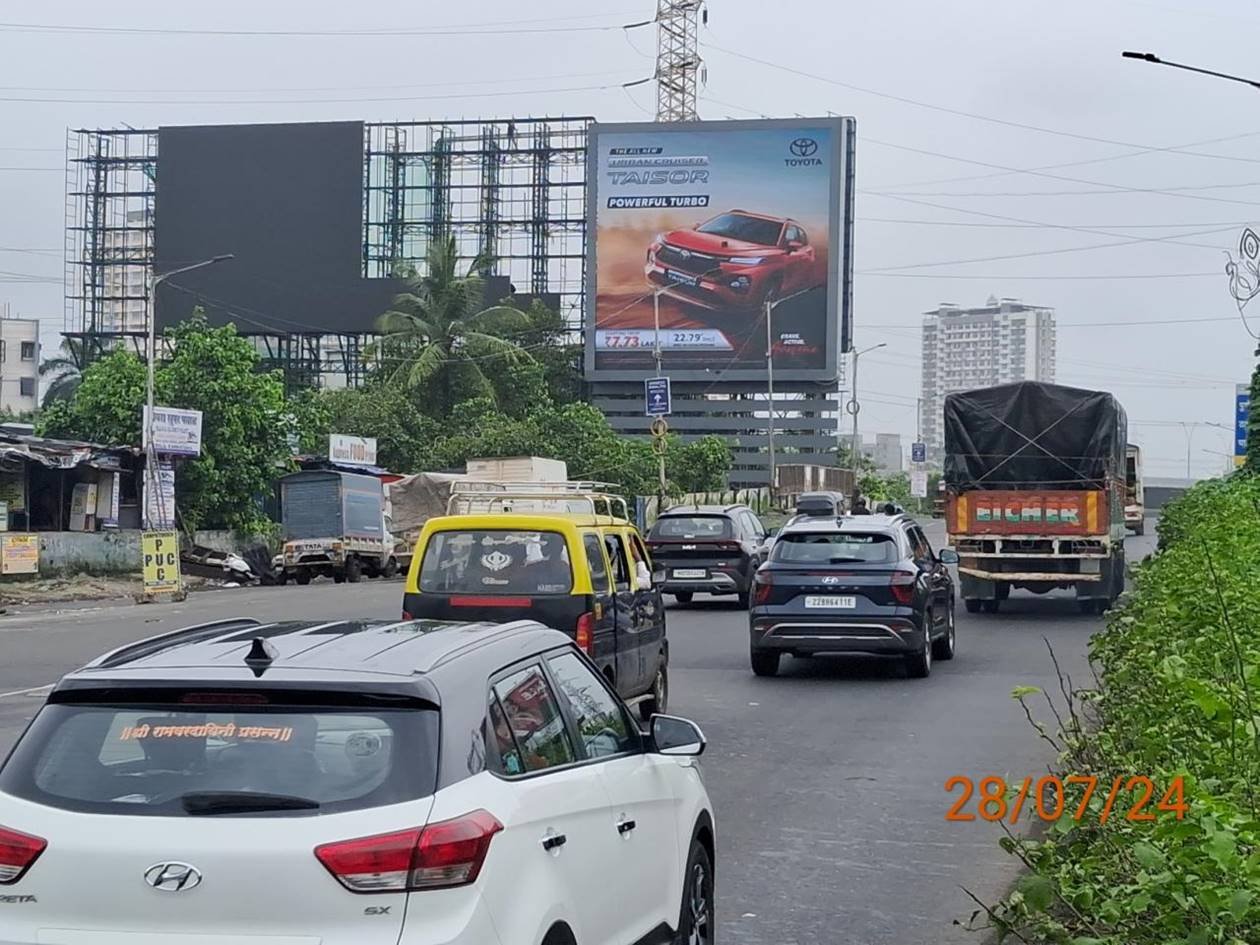
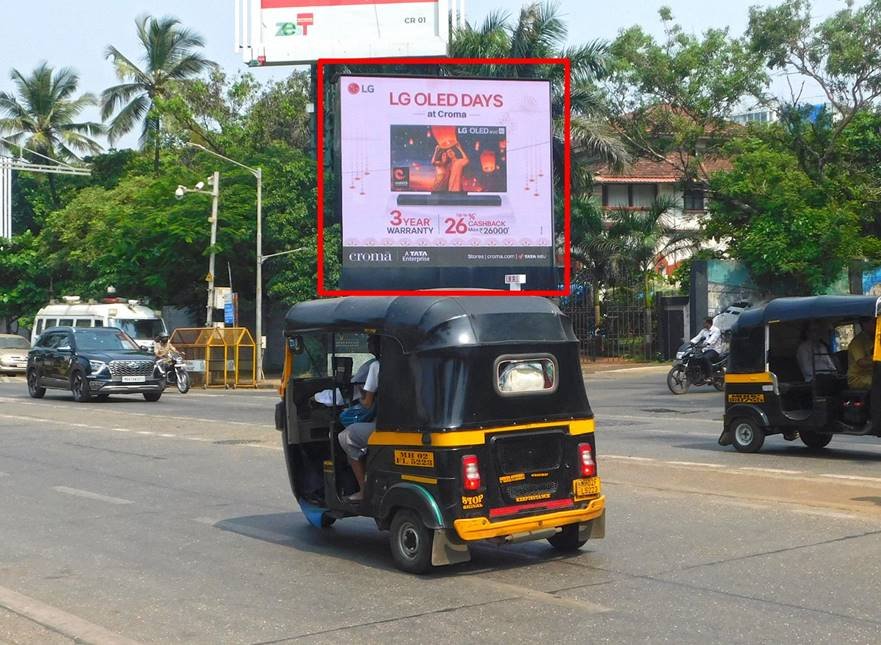
H&M uses large-format outdoor billboards to create instant brand recognition in high-footfall areas. These billboards often focus on:
- Seasonal collections
- Sustainability initiatives
- Limited-time campaigns
Rather than overcrowding creatives with information, H&M keeps messaging visually strong and fashion-led, allowing the brand aesthetic to speak for itself.
Digital Out-of-Home (DOOH): Dynamic and Flexible
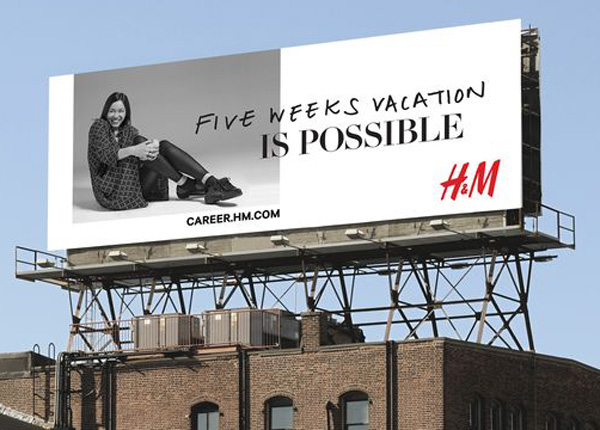
H&M integrates digital outdoor screens (DOOH) into its campaigns, enabling:
- Time-specific messaging
- Campaign refresh without reprinting
- Better alignment with digital launches
DOOH allows H&M to stay current and responsive while maintaining consistent visual identity across cities.

Transit Media: Fashion That Moves With the Audience
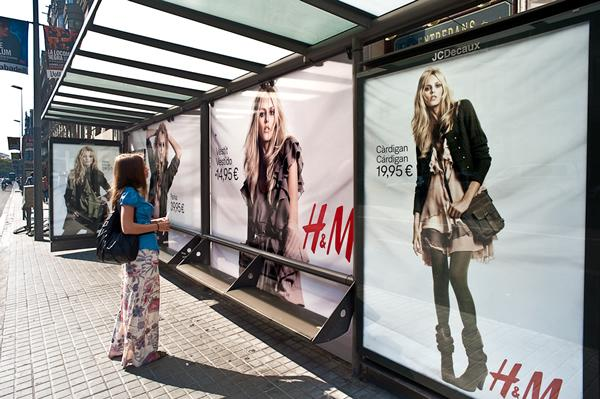
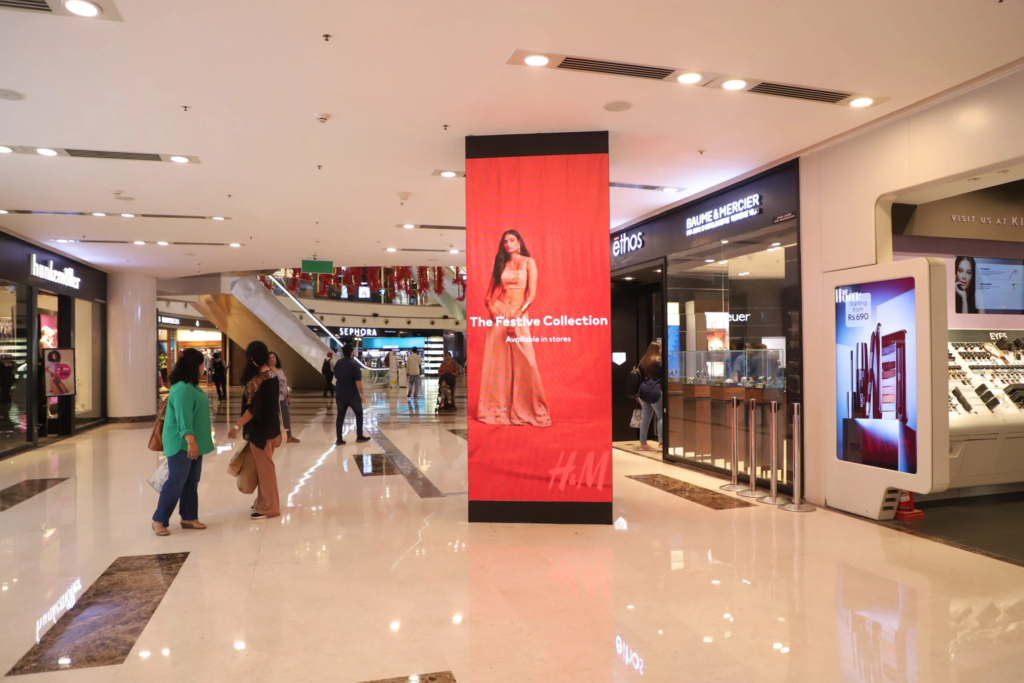
Metro Pillars, Stations & Transit Zones
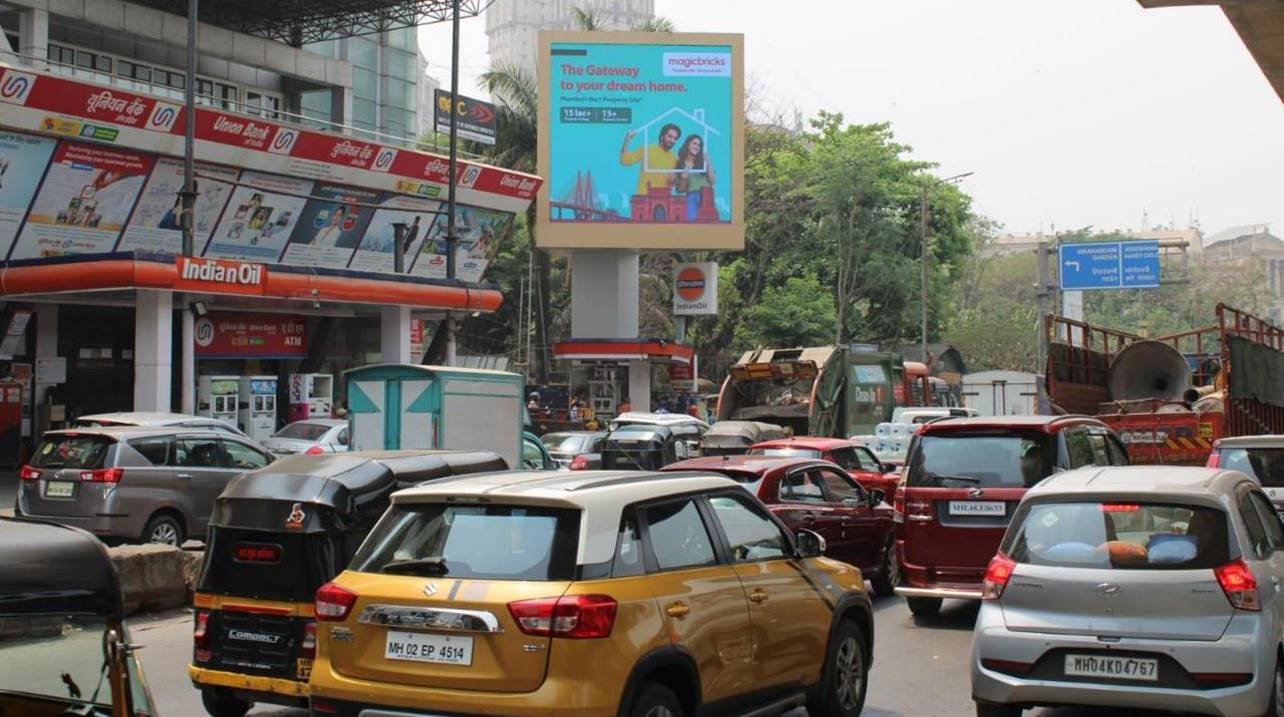
H&M actively uses transit advertising formats such as metro pillars, station branding, and transit corridors. These placements offer:
- Repeated exposure to daily commuters
- High dwell time
- Strong recall through repetition
Transit environments naturally support fashion discovery, as commuters are often browsing, waiting, or visually engaged during travel.
Why Transit Media Works for H&M
Transit advertising fits perfectly with H&M’s mass-appeal positioning. It ensures the brand stays visible across:
- Office commuters
- Students
- Urban shoppers
This approach reinforces the idea that H&M is part of everyday life, not just an occasional shopping destination.
Experiential Outdoor Activations: Creating Memorable Brand Moments
Beyond static media, H&M uses experiential outdoor activations to create emotional engagement. One notable example from the document includes giant advent calendar installations enhanced with scent, transforming outdoor spaces into immersive brand experiences.
These activations achieve:
- Higher social sharing
- Emotional brand association
- Strong recall beyond the campaign period
Experiential media allows H&M to move from “seen” to “remembered.”
In-Store Advertising: Where Branding Meets Decision-Making
A Retail Space Designed for Engagement
H&M treats its stores as a media channel, not just a sales floor. In-store advertising supports:
- Product discovery
- Brand storytelling
- Smooth decision-making
Rather than overwhelming customers, H&M uses clean, guided visuals to help shoppers navigate collections easily.
Technology-Enabled In-Store Experience
Smart Mirrors & Tech-Enabled Fitting Rooms
H&M integrates smart mirrors and tech-enabled fitting rooms, allowing customers to:
- View styling suggestions
- Explore product details digitally
- Enhance convenience inside the store
This bridges the gap between online browsing and offline shopping.
Data-Driven Customisation: Making Retail Smarter
case study H&M: H&M uses data-driven customisation within stores to improve relevance. This includes:
- Region-specific product emphasis
- Season-aligned visual merchandising
- Better inventory presentation
By aligning data with retail media, H&M ensures customers see what is most relevant to them—reducing friction and improving satisfaction.
How H&M’s Channels Work Together
| Channel | Primary Role | Impact |
| Outdoor (OOH) | Mass visibility & brand recall | High awareness |
| DOOH | Dynamic messaging | Timely relevance |
| Transit Media | Daily repetition | Strong recall |
| Experiential | Emotional engagement | Memorability |
| In-Store Media | Conversion support | Purchase confidence |
| Technology | Convenience & personalisation | Better experience |
This integrated structure ensures H&M stays present from awareness to action.
case study H&M: Key Learnings From H&M’s Strategy
1. Visibility Must Feel Natural
H&M succeeds because its advertising fits seamlessly into consumer environments—streets, metros, and stores—without feeling forced.
2. Experience Matters as Much as Exposure
Experiential elements elevate simple visibility into memorable brand moments.
3. Retail Media Is Not Optional
In-store branding and technology play a critical role in guiding final purchase decisions.
4. Integration Drives Impact
Outdoor, transit, retail, and digital channels work best when planned together—not in isolation.
How Acme Advertising Co. Helps Brands Grow Like H&M

Acme Advertising Co. supports brands aiming for H&M-level visibility and engagement by delivering:
- Strategic outdoor media placements in high-footfall zones
- Transit advertising across metro, bus, and mobility networks
- Retail media and POSM solutions that influence purchase decisions
- Smart campaign planning focused on reach, recall, and real impact
By placing brands where attention naturally exists, Acme ensures campaigns are not just visible—but effective.
Visibility That Converts Into Brand Equity
case study H&M: H&M’s success shows that modern branding is not about choosing between digital or physical—it’s about connecting both worlds intelligently. By combining outdoor advertising, transit visibility, experiential activations, and technology-enabled retail media, H&M creates a brand presence that feels consistent, accessible, and engaging.
For brands looking to scale awareness, trust, and footfall, this approach offers a clear roadmap.
Want Your Brand to Shine Like H&M?
Let Acme Advertising Co. help your brand shine across cities, roads, and high-traffic locations.
📍 Our Services:
OOH Media | Transit Media | Retail Media | Electronic Media | POSM
📞 Call: +91 8013-8013-59
🌐 Website: www.acmeadvertiser.com 📧 Email: sales@acmeadvertiser.com
🔗 LinkedIn: Acme Advertising Co.I Follow Us on Instagram
Your brand deserves visibility that moves people — let’s make it happen.Ready to Build High-Impact Campaigns?