

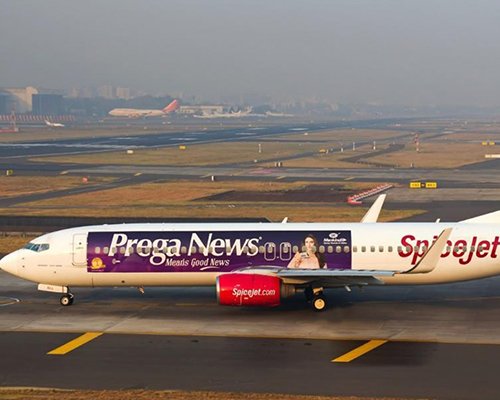
In-flight branding has evolved into one of the most premium and immersive forms of advertising available to modern marketers. As airlines expand their services and travelers spend extended periods in the air, the aircraft cabin has become a unique environment where brands can engage passengers with minimal distraction. In-flight branding offers a controlled, captive, and highly receptive audience. This makes it a powerful channel for companies looking to elevate brand perception, create memorable experiences, and influence consumer behavior throughout the entire travel journey.
Below is a comprehensive exploration of what makes in-flight branding a compelling marketing strategy, covering its premium associations, high engagement, audience types, brand categories, and competitive advantages.
1) Airline Association Gives a Premium Brand Perception
Airlines are often viewed as trusted, high-value service providers—especially full-service carriers known for safety, comfort, and hospitality. When a brand appears within an airline’s ecosystem, it naturally inherits some of that prestige.

Passengers often associate airlines with:
- Reliability and safety
- High standards of service
- International reach and sophistication
- Premium lifestyle experiences
Because of these existing perceptions, brands shown on board immediately gain a sense of legitimacy and exclusivity. Advertising in a travel setting also signals that the brand operates at a global level. Whether a brand appears on an in-flight magazine, meal tray, seatback screen, or cabin signage, the association with a reputable airline elevates its image.
This “halo effect” is particularly beneficial for luxury brands, financial services, technology companies, and premium consumer products aiming to strengthen credibility and status.
2) Passengers Spend 3–5 Hours in a Highly Receptive Environment
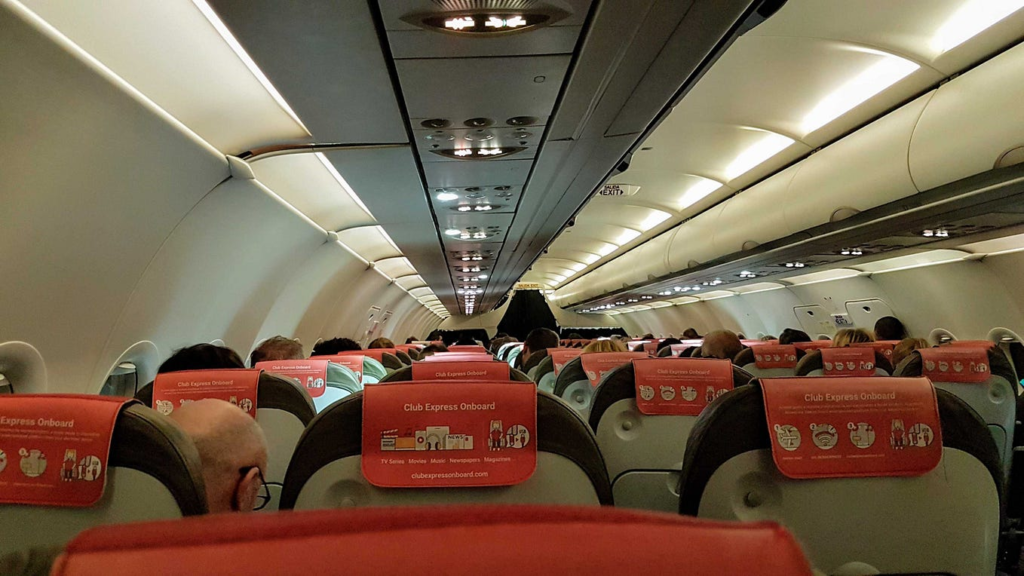
Most passengers spend three to five uninterrupted hours on a flight sometimes longer creating one of the rare modern environments where individuals have:
- Limited distractions
- Minimal advertising clutter
- Fewer digital interruptions
- A relaxed mindset
During air travel, passengers are often more open to exploring content. They may browse magazines, watch videos, read brochures, or even take an interest in meal packaging and branded cabin touchpoints. This extended engagement time is what sets in-flight branding apart from many other mediums, where attention is fragmented across multiple stimuli.
In-flight settings also encourage boredom-driven curiosity. When passengers are seated with limited activities, they naturally pay more attention to their surroundings. Brands displayed on tray tables, seatback screens, and overhead bins often receive far more active attention than similar ads in traditional public spaces.
This concentrated viewing window significantly boosts brand recall and message retention.
3) Types of Audience
One of the greatest strengths of in-flight branding is its ability to reach a diverse yet high-value audience. Some key audience groups include:
a. Business Travelers- These passengers often possess higher income levels and significant purchasing power. They travel frequently and make decisions related to finance, technology, hospitality, and corporate solutions.
b. Leisure Travelers- Vacationers are typically receptive to lifestyle, retail, and entertainment brands. They are in a positive mindset associated with relaxation and exploration.
c. International Travelers- This group offers access to multicultural and global consumers—ideal for brands with international ambitions.
d. Families and Groups- Products related to FMCG, entertainment, food, and personal care often resonate well with family travelers.
e. Premium-Class Passengers- First-class and business-class travelers represent the top-tier consumer demographic, making them valuable for luxury, automotive, high-end electronics, and financial services brands.
f. Digital Natives- With Wi-Fi increasingly common on flights, younger tech-savvy passengers are exposed to digital ads embedded in the airline’s online platforms.
Overall, the audience reached through in-flight branding is more attentive, more affluent, and more diverse than many other advertising channels.
4) In-Flight Branding Works Across the Consumer Journey
In-flight branding delivers impact because it accompanies travelers through every step of their journey. Instead of functioning as a single advertising moment, it creates a continuous, multi-stage brand experience that strengthens awareness, engagement, and recall.
a. Airport Touchpoints (Consideration Stage)
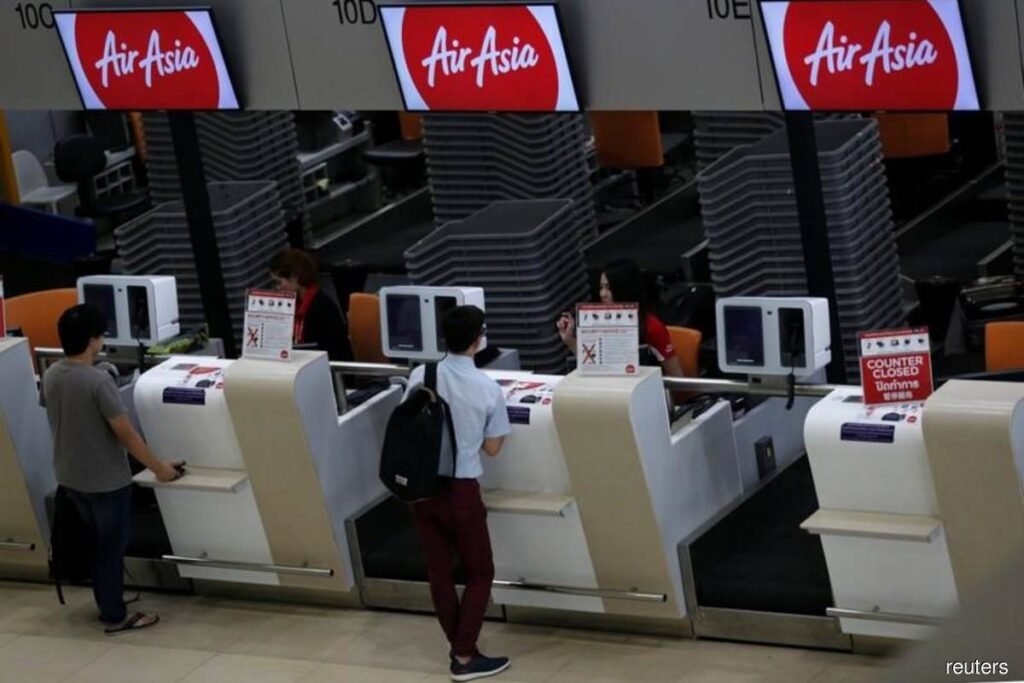
As passengers move through the airport, branding becomes more visible and consistent:
- Digital displays at check-in counters.
- Visual placements near security areas.
- Screens and posters inside airport lounges.
- Repeated visibility at boarding gates.
This stage reinforces recognition and encourages passengers to consider the brand.
b. In-Flight (Engagement Stage)
During the flight, passengers enter the most attentive phase of their journey:
- Seatback screens displaying brand videos or banners.
- Branded tray tables, meal boxes, and napkins offering repeated exposure.
- Overhead bins carry subtle but noticeable brand visuals.
With prolonged dwell time and fewer distractions, engagement increases significantly.
c. Post-Flight (Action Stage)
After landing, branding continues to guide passengers toward action:
- Digital displays at check-out counters.
- Visual placements near security areas.
- Repeated visibility at boarding gates.
These final touchpoints boost recall and drive conversions, completing the full consumer journey.
6) A Zero-Clutter, Zero-Competition Advertising Environment
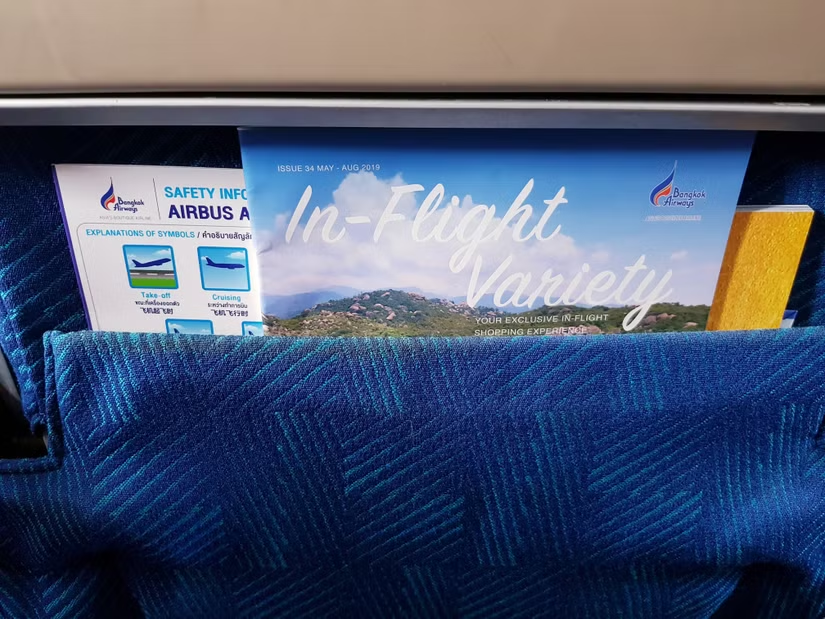
One of the most unique advantages of in-flight branding is its zero-competitor environment. Unlike digital platforms where ads compete with dozens of other stimuli, airline cabins typically feature a limited number of advertisers, often vetted for suitability.
This means:
- Your brand does not get overshadowed
- Passengers give more attention to each message
- Recall increases due to low clutter
- The brand stands out clearly and memorably
In the air, advertisers enjoy a monopoly-like exposure window. The scarcity of alternative entertainment options further strengthens the impact of brand messages.
Additionally, airlines carefully curate the ads they allow on board, which adds an extra layer of exclusivity and safety perception.
In-flight branding is a high-value, high-impact marketing channel that continues to grow in importance as global travel rebounds. With premium airline associations, long dwell-time engagement, diverse audiences, and a distraction-free environment, brands have a rare opportunity to communicate with consumers in a captive and receptive setting.
Whether targeting affluent travelers, business professionals, or international tourists, in-flight branding delivers a unique combination of visibility, credibility, and memorability. Its ability to influence the entire consumer journey—from pre-flight to post-flight—makes it a strategic powerhouse for modern marketers seeking depth, reach, and meaningful engagement.