
Electric Bus Branding vs Only Digital Marketing: A Strategic Discussion Between Two Brands 2026
In a quiet meeting room, Amit, the marketing head of Brand One, and Sneha, the brand manager of Brand Two, sit down to review their marketing performance.
Both brands sell similar products and target the same audience, but their marketing strategies are very different.
Brand One relies only on digital marketing.
Brand Two uses digital marketing along with transit media
Their discussion reveals why combining offline and online marketing is becoming the smarter choice.
The Marketing Challenge Today
Amit (Marketing Head):
“Our digital ads are running on Google, Instagram, and Facebook. We get clicks, but costs are rising every month. Once ads stop, visibility also stops.”
Sneha (Brand Manager):
“That’s why we decided to add transit media to our digital marketing strategy.”
Amit looks interested.
“Why buses?”
What Is Bus Branding?
Sneha explains:
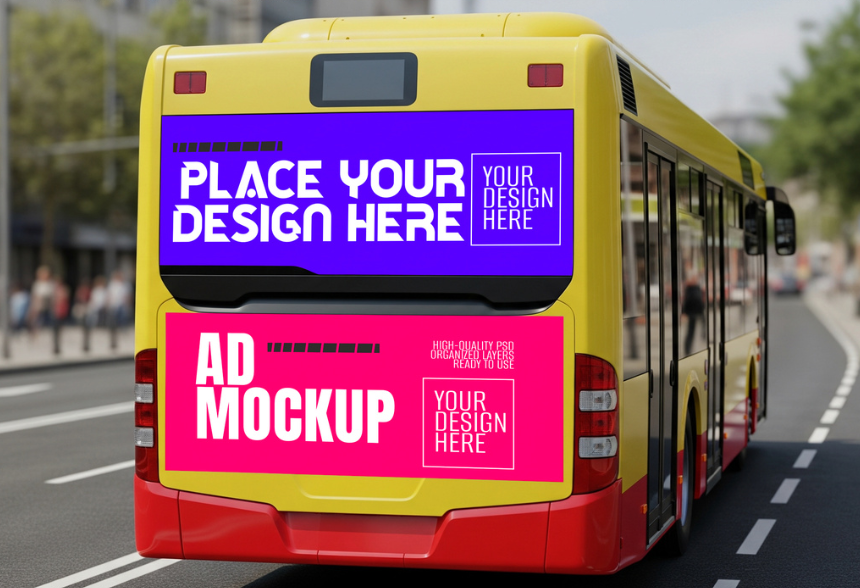
form of outdoor advertising where a brand places its message, logo, and visuals on buses that travel daily across the city. These buses act as moving advertisements.
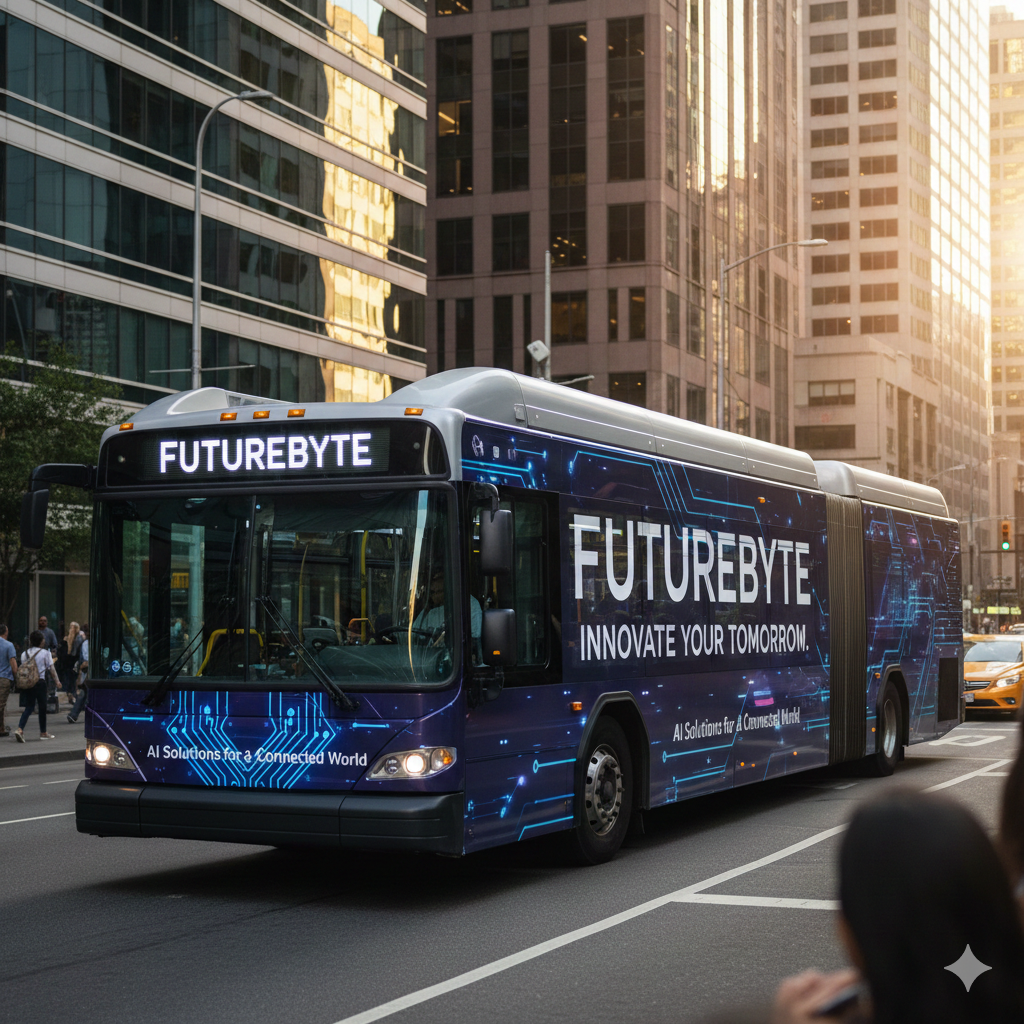
When this branding is done on electric buses, it is called electric bus branding.
Electric buses already attract attention because they are modern, clean, and eco-friendly. Branding on them makes the message even stronger.
Electric Bus Branding vs Only Digital Marketing
Sneha continues:
“Digital marketing is powerful, but it depends on screens. Transit media works even when people are offline—at traffic signals, markets, offices, and bus stops.”
Brand One (only digital):
- Visibility ends when ads stop
- High competition and rising costs
- Ad fatigue among users
Brand Two (digital + electric bus branding):
- Continuous city-wide visibility
- Better brand recall
- Strong offline and online presence
Types of Bus Branding
Amit asks, “What types of bus branding are available?”
Sneha explains clearly:
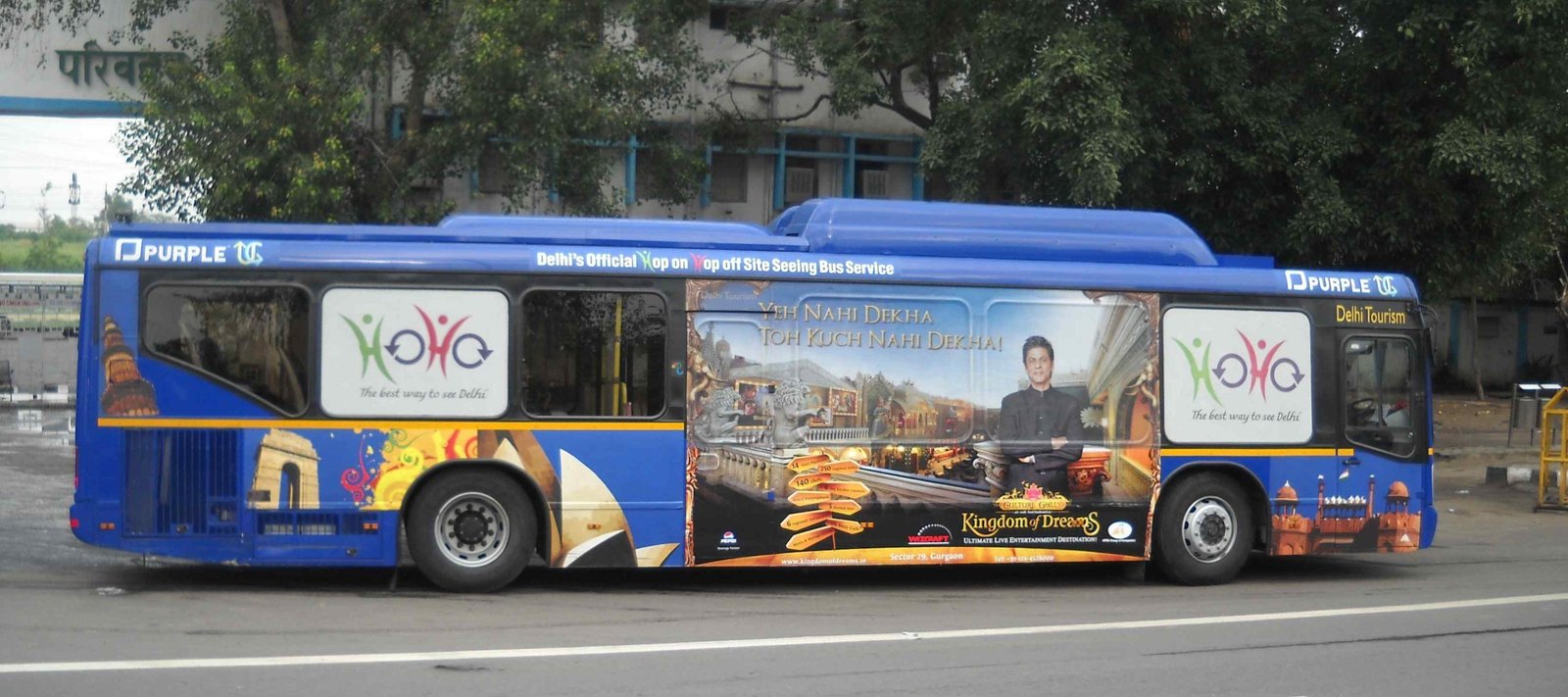
1. Full Bus Wrap: The entire electric bus is covered with brand visuals. This gives maximum visibility.
2. Half Bus Wrap: Branding on the side panels of the bus. Cost-effective and impactful.
3. Back Panel Branding: Brand message placed on the back of the bus, ideal for traffic signals.
4. Side Panel Branding: Focused branding on specific sections of the bus.
All these formats work well for electric bus branding because electric buses follow fixed routes and repeat exposure daily.
Benefits of Electric Bus Branding
Sneha shares why their brand chose this strategy.
1. High Brand Visibility: Electric buses move across busy areas and are seen by thousands of people daily.
2. Eco-Friendly Brand Image: Using electric bus branding shows the brand supports sustainability and clean energy.
3. Better Brand Recall: People see the same bus again and again, helping the brand stay in memory.
4. Cost-Effective Marketing: One campaign gives long-term visibility compared to daily digital ad spending.
5. Strong Support to Digital Marketing: When people see the brand on buses, they trust digital ads more and search the brand online.
How Electric Bus Branding Supports Branding Principles
Sneha explains further:
Electric bus branding supports the 5 A’s of branding:
- Awareness
- Appeal
- Ask
- Act
- Advocacy
It also follows the 3-7-27 rule of branding, where repeated exposure builds strong brand memory.
Frequently Asked Questions (FAQs)
Which electric bus is best?
The best electric bus depends on range, battery capacity, route type, and operating cost, not just the brand name.
What are the 5 A’s of branding?
The 5 A’s of branding are Awareness, Appeal, Ask, Act, and Advocacy.
What are the benefits of bus advertising?
Bus advertising gives high visibility, wide reach, repeated exposure, and low cost marketing.
What are the 3 C’s of branding?
The 3 C’s of branding are Clarity, Consistency, and Credibility.
What are a few lines about buses?
Buses are a common public transport used daily by many people.
They are also effective tools for outdoor advertising.
What is the rule of 7 in branding?
The rule of 7 means a customer must see a brand at least seven times to remember it.
What are the 4 pillars of branding?
The four pillars of branding are Purpose, Positioning, Personality, and Promise.
Electric Bus Branding – FAQs (With Answers)
What is electric bus branding?
Electric bus branding is a marketing method where brand ads are placed on electric buses to promote businesses across cities.
How does electric bus branding work?Electric buses move daily on fixed routes, allowing brands to reach thousands of people
repeatedly through visible ads.
Why is electric bus branding effective?
It offers high visibility, repeated exposure, and eco-friendly branding, making it more effective than static ads.
Is electric bus branding better than digital marketing?
Electric bus branding works best along with digital marketing, as it builds offline trust and supports online searches.
What types of electric bus branding are available?
Common types include full bus wrap, half bus wrap, side panel branding, and back panel branding.
Which businesses should use electric bus branding?
Real estate, education, healthcare, FMCG, retail, startups, and local brands benefit the most.
How many people can electric bus branding reach daily?
One electric bus can reach 30,000–1,00,000 people per day, depending on route and city traffic.
Is electric bus branding eco-friendly?
Yes, electric bus branding supports green advertising and aligns with sustainable marketing practices.
How long should an campaign run?
A campaign should run for 3–6 months to achieve strong brand recall.
Does bus branding help brand recall?
Yes, repeated exposure on daily routes helps people remember the brand easily.
Final Conclusion
Amit finally admits:
“Digital marketing brings clicks, but bus branding builds presence.”
Sneha smiles.
“Exactly. Digital marketing works on screens. Electric bus branding works on streets—and together, they build a powerful brand.”
In today’s competitive market, brands that combine digital marketing with create stronger visibility, trust, and long-term growth.