


DOOH Advertising In today’s fast-paced world, grabbing attention is a constant challenge for marketers. While digital ads flicker across screens, a new force is transforming the out-of-home advertising landscape: DOOH, or Digital-Out-of-Home. Imagine walking through a bustling city square and seeing a vibrant, dynamic advertisement displayed on a large screen. That’s DOOH in action—a powerful medium that combines the impact of traditional outdoor advertising with the flexibility and engagement of digital technology. From eye-catching displays in shopping malls to interactive pole kiosks in airports, DOOH is reshaping how brands connect with their audiences in the real world.

The Rise of DOOH Advertising
The evolution of outdoor advertising has been a fascinating journey, from static billboards to the dynamic digital displays we see today. DOOH represents a significant leap forward, offering advertisers unparalleled flexibility and creative possibilities. Unlike traditional billboards, DOOH screens can display a variety of content, including video, animation, and interactive elements. This dynamic nature allows brands to:
- Tell richer stories
- Target specific audiences with tailored messages
- Update their campaigns in real-time
The rise of DOOH is not just about bigger screens; it’s about smarter, more engaging advertising that resonates with audiences.
Disclaimer: The images featured are used for educational and informational purposes to demonstrate OOH and DOOH advertising concepts. No ownership or endorsement of any brand is implied.
Types of DOOH Advertising
Table of Contents
DOOH advertising comes in various formats, each suited to different environments and marketing objectives. Here are the key types:
1. Digital Billboards
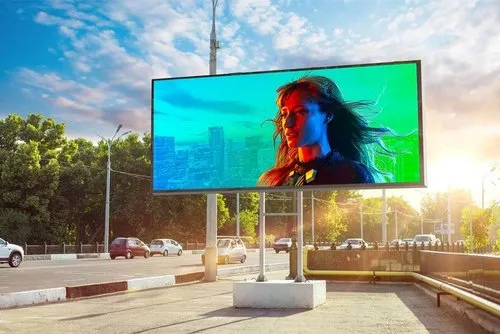
Digital billboards are large, high-impact screens placed in busy locations such as highways, major intersections, shopping districts, and city centers. These screens are designed to capture attention in fast-moving environments. For example, a car brand may promote a new model during morning and evening rush hours, while a food delivery app runs dinner offers in the evening when demand is highest. Since digital billboards can rotate multiple ads and be updated instantly, brands can run time-specific, location-based campaigns without replacing physical materials.
2. Transit DOOH
Transit DOOH includes digital screens found on buses, taxis, metro platforms, train stations, and inside airports. A common real-life example is airline, credit card, or luxury brand advertising inside airport terminals, targeting frequent flyers and business travelers. In metro stations or buses, brands often promote everyday products like mobile services, education, or food delivery. Because commuters see these ads repeatedly during daily travel, transit DOOH is highly effective for consistent brand exposure and long-term brand recall.
3. Digital Street Furniture
Digital street furniture refers to interactive displays such as smart bus shelters, digital kiosks, and public information screens placed in urban areas. These screens often combine advertising with useful content. For instance, a bus shelter display may show live weather updates, local news, or transit timings while also featuring ads for nearby restaurants, retail stores, or upcoming events. Since people naturally stop to check information, these screens encourage longer viewing time and higher engagement compared to traditional posters.
4. Retail and Mall Displays
Retail and mall DOOH screens are located inside shopping malls, supermarkets, and brand stores, where consumers are already in a buying mindset. A real-life example is a cosmetic brand promoting a limited-time discount on a digital screen near the checkout area or a fashion brand showcasing a new collection inside a mall corridor. These displays influence last-minute purchase decisions, encourage impulse buying, and help brands highlight promotions exactly when shoppers are ready to make a purchase.
5. Event-Based DOOH
Event-based DOOH advertising is used at concerts, sports matches, exhibitions, festivals, and trade shows, where large audiences gather for shared experiences. For example, during a football match, digital screens may display sponsor ads, live scores, player highlights, or branded animations. At exhibitions or trade shows, brands use screens to showcase product demos or key messages. Since audiences are highly engaged and emotionally involved during events, event-based DOOH creates strong brand recall and lasting impressions.
Benefits of DOOH Advertising
The advantages of DOOH extend beyond just visibility. Here’s why brands are increasingly investing in this medium:
1.Real-Time Ad Updates
One of the biggest advantages of DOOH advertising is the ability to update ad content instantly. Brands can react to real-world situations as they happen. For example, a food delivery app can promote rainy-day discounts when the weather changes, or a retail brand can push flash sale ads during weekends or holidays. During live events like sports matches or festivals, brands can adjust messaging to match the mood and timing of the audience. This flexibility keeps ads relevant, timely, and far more engaging than static outdoor advertising.
2. Geo-Targeting Power
DOOH allows brands to display ads in locations where their target audience is physically present. For instance, a luggage brand advertising inside airports, a quick-service restaurant promoting offers near metro stations, or a fashion brand targeting shoppers inside malls. By placing ads in high-traffic and context-relevant locations, brands increase message relevance and visibility. This location-based targeting helps improve recall and ensures marketing budgets are spent where they have the highest impact.
3. Dynamic Content Personalization
DOOH makes it possible to tailor ad content based on time, location, and audience behavior. A gym might advertise morning workout offers early in the day and recovery or nutrition products in the evening. A coffee chain could promote breakfast combos during morning hours and snacks later in the day. By adjusting messages dynamically, brands communicate more personally with audiences, making ads feel less intrusive and more useful, which leads to higher engagement and better conversion rates.
4. Measurable Performance Metrics
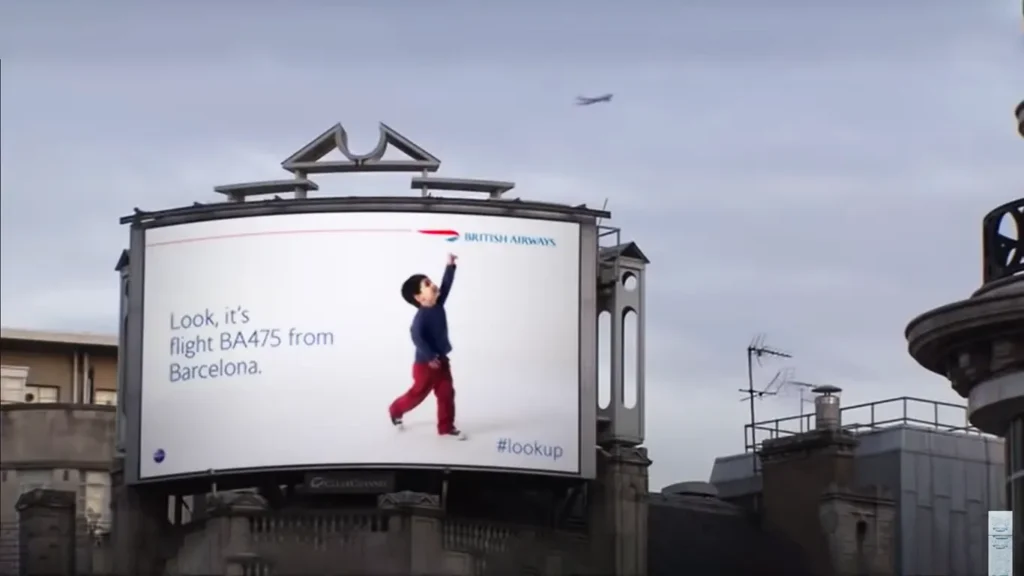
Unlike traditional billboards, DOOH offers measurable insights through AI-driven analytics, cameras, and sensors. Brands can track impressions, dwell time, audience demographics, and engagement levels. For example, a brand can see how many people viewed an ad at a mall entrance or how long commuters engaged with a screen at a transit hub. These insights allow advertisers to optimize campaigns in real time, refine messaging, and improve ROI by making data-backed decisions rather than relying on estimates.
5. Programmatic Advertising Power
Programmatic DOOH automates the buying and placement of ads using real-time data and bidding technology. This means brands can display ads only when conditions are ideal—such as during peak foot traffic hours or in locations with high audience density. For example, a ride-hailing service can increase ad frequency during rush hours, while a retail brand can target weekend shoppers. Programmatic buying ensures smarter budget allocation, reduced waste, and maximum exposure without overspending.
Ready to elevate your brand’s visibility with impactful DOOH advertising? Contact us today for a free consultation!
Expend your network with us, Let’s connect on LinkedIn